
America’s cultural landscape is far more diverse than many travelers realize. In every corner of the country, there are cities shaped by immigration, geography, architecture, and traditions so distinct they feel like stepping into another nation entirely. Wander these places and you’ll hear new languages, taste unfamiliar flavors, see unexpected styles of architecture, and feel cultural rhythms that don’t match the typical American template. It’s a reminder that the U.S. is not a single identity, but a mosaic of worlds stitched together.
These cities don’t imitate foreign destinations; they embody them. They grew out of authentic immigrant histories, Indigenous traditions, and centuries of cultural blending. Their street markets, festivals, and neighborhoods echo the places that inspired them, yet remain uniquely American.
Whether it’s the scent of Old World bakeries drifting down cobblestone alleys, the colors of Caribbean markets under the sun, or the ornate temples rising above suburban skylines, each of these cities feels like crossing a border without needing a passport.
These 15 American cities offer a chance to travel the world without leaving U.S. soil, destinations rich in character, global in spirit, and filled with stories that stretch far beyond their borders.
New Orleans, Louisiana — Feels Like France & the Caribbean

New Orleans doesn’t just nod toward French culture, it radiates it. The wrought-iron balconies, pastel facades, and cobblestone courtyards of the French Quarter could easily be mistaken for Old World Europe. But wander deeper into its neighborhoods and the Caribbean influences emerge: Creole cottages, vibrant spices, musical traditions, and an unmistakable island warmth. The city’s energy is a melting pot, but its architecture and rhythms often feel closer to Martinique or Guadeloupe than to any other American city.
Food heightens this global illusion. Gumbo, jambalaya, étouffée, and beignets are dishes born of French, African, Indigenous, and Caribbean roots, cooked with techniques carried across oceans. Music spills out of doorways, brass bands, jazz trios, Creole melodies, creating a soundtrack that echoes African rhythms and European structure. Even simple daily rituals like gathering in a shaded courtyard or sipping chicory coffee blend cultures seamlessly.
But what truly gives New Orleans its foreign allure is its attitude. Life moves slower, emotions run louder, and traditions are fiercely protected. Festivals aren’t events, they’re a way of life. New Orleans feels like a country unto itself, shaped by global influences yet unlike anywhere else in America.
Miami, Florida — Feels Like Latin America

In Miami, Spanish is spoken as widely as English, Cuban coffee flows stronger than American drip, and the colors of the Caribbean shape the city’s personality. Little Havana feels like a slice of Havana itself, roosters crowing, domino tables clacking, cigar scents drifting down Calle Ocho. Beyond it, Colombian bakeries, Argentine parrillas, Haitian markets, and Venezuelan arepas create a cultural landscape that mirrors the Americas more than the U.S.
Architecturally, Miami feels just as foreign. Art Deco hotels line bright, palm-shaded avenues reminiscent of tropical capitals, and new neighborhoods pulse with Latin American design trends, bright facades, open-air gathering spots, and a nightlife rhythm powered by salsa, reggaeton, and merengue. Even the energy of the streets, loud and warm, mirrors the spontaneity found across Latin America.
The result is a city where global influence feels natural, not curated. Immigrant families built Miami’s spirit, and their cultural pride remains its heartbeat. For many travelers, Miami isn’t a visit to another city, it’s a step into another hemisphere.
San Francisco, California — Feels Like East Asia

San Francisco’s cultural soul is tied deeply to its Asian communities. Chinatown, the largest and oldest in the U.S., feels like stepping into Hong Kong or Guangzhou. Ornate gates, red lanterns, herbal shops, and bustling dim sum restaurants give the neighborhood a distinctly foreign rhythm. Nearby Japantown adds another dimension, with traditional spas, sushi counters, and festivals that reflect centuries-old Japanese heritage.
The city’s geography even enhances the illusion. Misty hills, minimalist teahouses, and decorative gardens blend naturally with the Asian aesthetic. The Golden Gate Park’s Japanese Tea Garden, with arched bridges and koi ponds, feels miles away from California. Add in Filipino groceries, Korean BBQ streets, and Vietnamese bánh mì cafés, and you get a city enriched by countless Asian culinary traditions.
San Francisco’s Asian communities aren’t tourist attractions; they’re pillars of the city’s identity. Their languages, customs, and businesses shape everything from festivals to street life. The result is a city that often feels like a Pacific crossroads more than a Western metropolis.
Santa Fe, New Mexico — Feels Like Mexico & Indigenous Pueblo Nations
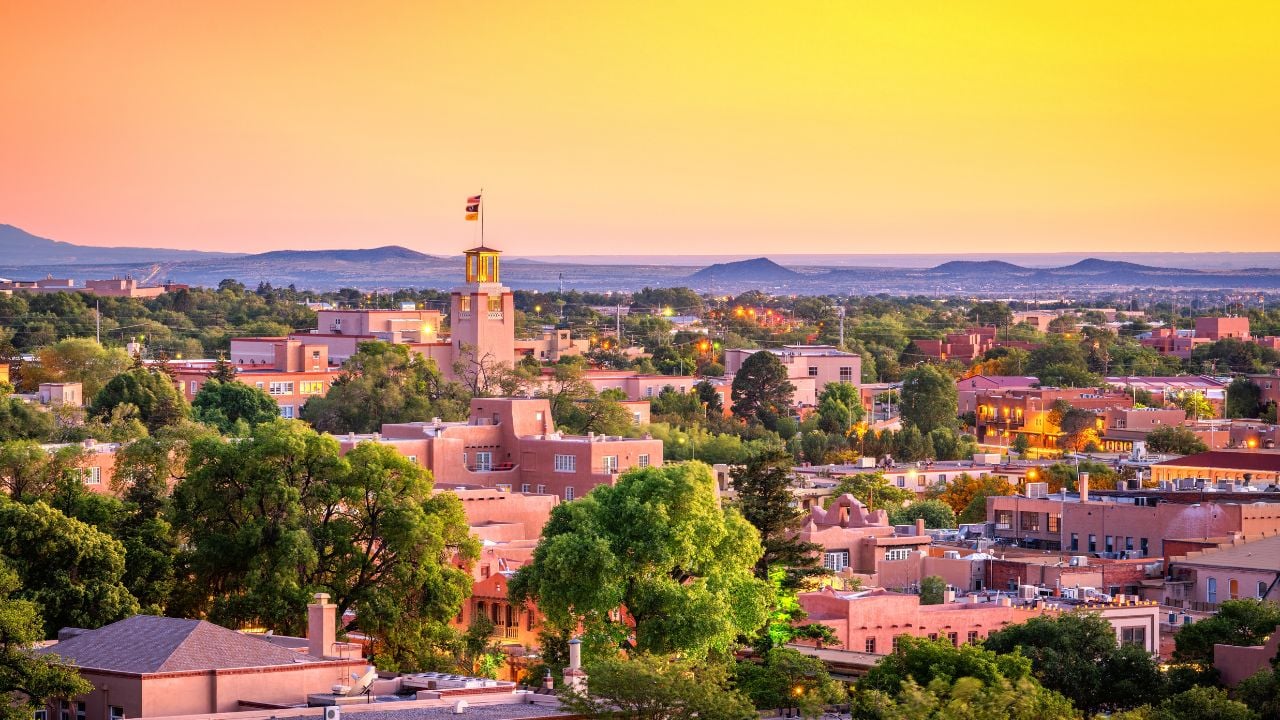
Santa Fe’s adobe architecture, narrow streets, and earthy tones make it look like a Mexican colonial town blended with ancient Pueblo heritage. Spanish influences remain visible in its plazas, churches, and street names, while Indigenous traditions shape its markets, art, and seasonal ceremonies. The entire city feels like history preserved in clay, stone, and color.
The food deepens the cultural immersion: red and green chiles, blue-corn tortillas, tamales, pozole, and sopapillas, all dishes rooted in both Mexican and Indigenous cuisines. Artisan markets overflow with turquoise jewelry, woven textiles, pottery, and carvings, each piece carrying centuries of cultural storytelling.
Santa Fe’s spiritual aura completes the feeling of being somewhere else entirely. The desert quiet, the scent of woodsmoke, and the presence of ancient pueblos nearby give the city a timeless, sacred energy. It’s one of the few places in America where two deep cultural histories coexist so visibly and harmoniously.
St. Augustine, Florida — Feels Like Spain

Founded by the Spanish in 1565, St. Augustine feels more like a Mediterranean town than a typical American beach city. Its stone fortresses, colonial courtyards, and terracotta rooftops echo Andalusia and coastal Spain. Walking through its historic streets feels like wandering through Cádiz or Málaga, warm colors, wrought-iron balconies, and a slower, sunlit pace.
Spanish influence thrives in the architecture: ornate facades, lavish fountains, and the unmistakable Moorish details introduced during Spain’s colonial period. Even the town’s scents, ocean breeze, citrus, old stone, evoke a European coastal village. Travelers often forget they’re still in the U.S.
What enhances the illusion is the city’s vibrant cultural pride. Festivals, parades, flamenco nights, and Spanish heritage celebrations keep the old traditions alive. St. Augustine feels like a preserved piece of Spain transplanted to the Florida coast.
Honolulu, Hawaii — Feels Like Polynesia

Honolulu is unmistakably American in some ways, but its cultural identity is deeply Polynesian. The language, the warmth, the food, and the landscapes reflect Indigenous Hawaiian roots and broader Pacific Islander traditions. Palm-lined beaches, volcanic mountains, and taro fields create a backdrop that feels far removed from mainland U.S. cities.
Hawaiian culture thrives everywhere: chants, dances, lei-making, canoe traditions, and respect for the land. Even casual interactions are shaped by aloha, a cultural value that makes the city feel more like a Pacific island nation than a typical American urban center. Polynesian motifs color the architecture, public art, and community spaces.
The food culture reinforces the sense of place. Poke, laulau, poi, kalua pork, and lomi salmon are dishes rooted in island identity, joined by Japanese, Filipino, and Korean influences that reflect decades of immigration. Honolulu is a multicultural Pacific world all its own.
Dearborn, Michigan — Feels Like the Middle East
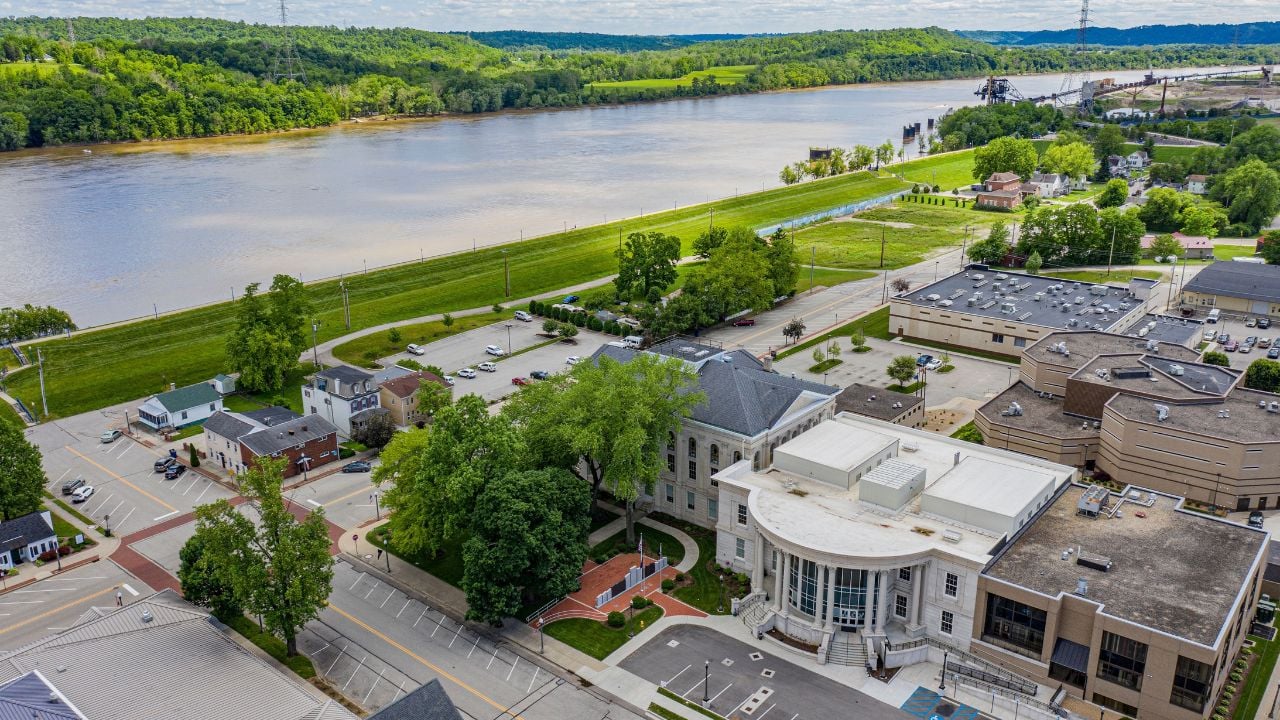
Dearborn is home to one of the largest Arab-American communities in the country, and its streets reflect Middle Eastern cultures in vibrant, everyday ways. Arabic storefronts, bakeries selling fresh pita, and cafés filled with cardamom-laced coffee make the city feel like Amman, Beirut, or Cairo.
The sounds of Arabic music, the smell of shawarma grills, and the presence of mosques with elegant domes create a cultural landscape that feels both warm and deeply rooted. Grocery stores overflow with spices, olives, pastries, and traditional ingredients, making even a quick errand feel like wandering a Middle Eastern souk.
The city’s community spirit completes the illusion. Hospitality is woven into daily life, and festivals and markets bring families together to celebrate music, food, and faith. Dearborn feels like a genuine extension of the Middle East, shaped lovingly by generations.
Leavenworth, Washington — Feels Like Bavaria
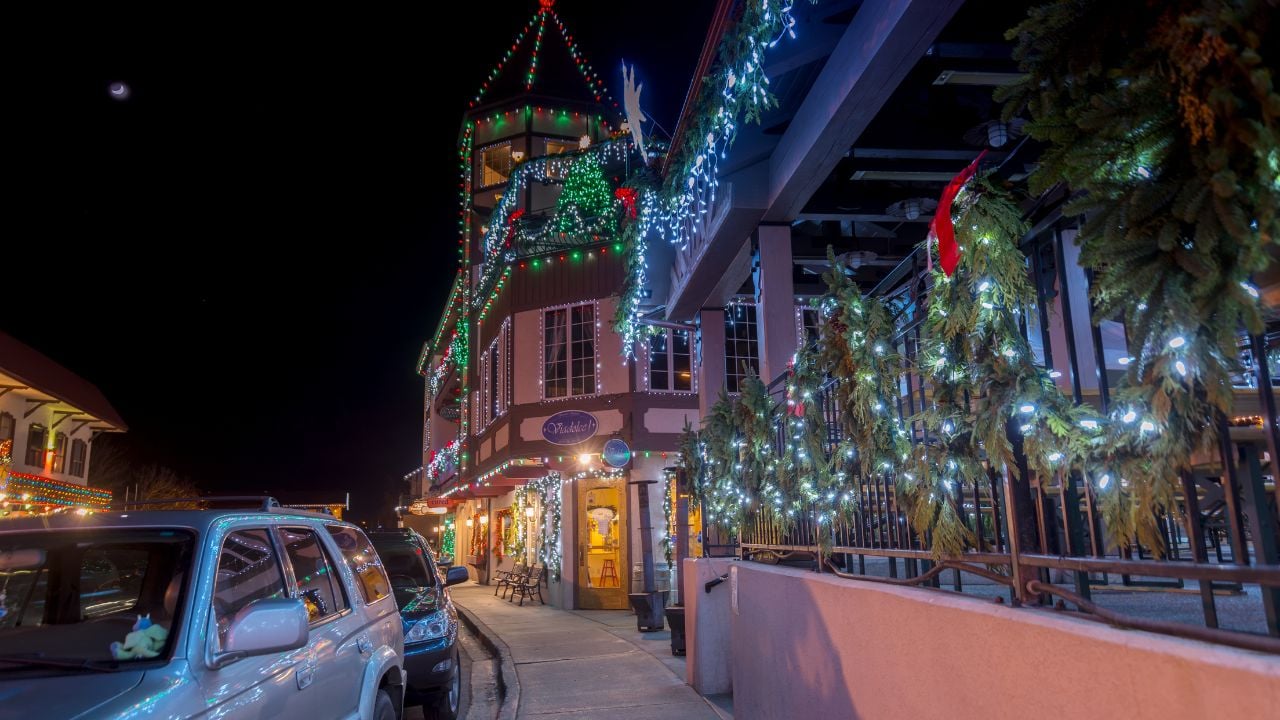
Leavenworth is a full-immersion experience into Bavarian culture, timbered buildings, alpine murals, chalet-style hotels, and snow-touched mountains that resemble the German Alps. The entire town was redesigned in Bavarian style in the 1960s, and the result is remarkably convincing.
Walking through its streets feels like visiting a small village in southern Germany. Bakeries sell pretzels and strudels, restaurants serve schnitzel and bratwurst, and beer halls echo with lively accordion music. Seasonal festivals, Oktoberfest, Christmas markets, and Alpine parades, amplify the European charm.
The surrounding scenery seals the illusion. Pine forests, mountain ridges, and snowy peaks create a landscape that looks straight out of a Bavarian postcard. Leavenworth is one of the most immersive “Europe-in-America” experiences you can find.
New York City, New York — Feels Like Everywhere

New York isn’t just multicultural, it feels like dozens of countries layered into one city. Walk a few blocks and you’ll hear different languages, smell different spices, and see cultural traditions collide in the most extraordinary ways. Little Italy, Chinatown, Harlem, Jackson Heights, Brighton Beach, and countless other neighborhoods each feel like stepping into a different nation.
In Jackson Heights alone, travelers experience India, Nepal, Colombia, Mexico, and Bangladesh all at once, through food stalls, shops, music, and festivals. Brighton Beach carries the soul of Russia and Ukraine; Flushing feels like a modern slice of East Asia. The immersion is immediate, authentic, and continuous.
What sets NYC apart is scale: the cultural depth isn’t curated for tourists, it’s simply how the city breathes. New York feels like the world gathered into one electric, ever-changing metropolis.
Solvang, California — Feels Like Denmark

Solvang looks like a Danish storybook village dropped into California’s wine country. Windmills spin above rooftops, gingerbread-style buildings line the streets, and bakeries serve kringles, aebleskivers, and buttery Danish pastries.
Founded by Danish settlers, the town has preserved its heritage lovingly. Shops sell Scandinavian crafts, museums tell immigrant stories, and festivals celebrate Danish history with dancing, costumes, and traditional music. The entire place feels charming, tidy, and wonderfully European.
Surrounding vineyards and rolling hills add a countryside feel reminiscent of Denmark’s rural landscapes. Solvang is small, but its cultural immersion is impressively deep, cheerful, welcoming, and delightfully transportive.
San Juan, Puerto Rico — Feels Like the Caribbean & Spain

San Juan blends Caribbean warmth with Spanish colonial architecture in a way that feels distinctly non-American. Old San Juan’s pastel facades, cobblestone lanes, and blue-stone streets evoke Spain’s seaside cities, while the energy, music, and food reflect centuries of Afro-Caribbean heritage.
The rhythm of daily life, leisurely meals, open-air plazas, dancing in the streets, feels far more Caribbean than mainland American. The scent of plantains, sofrito, and rum drifts from local kitchens, while the sound of salsa and bomba fills the air. Everything pulses with color and spirit.
Strong cultural pride keeps San Juan feeling like its own world: vibrant, historic, energetic, and culturally layered. It’s one of the most immersive, transportive cities under the U.S. flag.
Sausalito, California — Feels Like the Italian Riviera

Sausalito’s pastel hillside houses, sailboat-packed marinas, and sun-drenched waterfront promenades look strikingly similar to Portofino or Cinque Terre. The Mediterranean vibes are unmistakable, from lemon-colored villas to cliffside vantage points overlooking glittering water.
Cafés spill out onto sunny patios, seafood restaurants line the harbor, and coastal trails offer breezy walks reminiscent of Liguria. The atmosphere is elegant yet relaxed, with a soft golden light that feels distinctly European.
Even the daily rhythm feels Italian: slow, social, scenic, and flavored with sea air. Sausalito is one of the closest things to the Mediterranean you’ll find in the U.S.
Tarpon Springs, Florida — Feels Like Greece

Tarpon Springs has one of the largest Greek-American communities in the country, and the influence is everywhere, whitewashed buildings, fishing boats, blue accents, Greek bakeries, and the scent of oregano floating from every taverna.
The sponge docks feel like a small port village in the Greek islands, with boats unloading natural sponges and shops selling Mediterranean goods. Families speak Greek openly, restaurants serve moussaka, souvlaki, and fresh seafood, and traditional music fills the air during festivals.
Cultural pride is woven into daily life, giving Tarpon Springs an authentic island-town feel. It’s warm, charming, and unmistakably Greek in spirit.
Holland, Michigan — Feels Like the Netherlands

Holland embraces its Dutch heritage with windmills, tulip fields, wooden-shoe shops, and bakeries selling stroopwafels and Dutch pastries. The city’s architecture features gabled roofs and bright brickwork that echo classic Dutch towns.
The annual Tulip Time Festival turns the city into a dreamscape of color, with millions of blooms lining streets and parks. People in Dutch costumes, traditional dances, and local craft markets heighten the immersive atmosphere.
Nearby Lake Michigan beaches add scenic beauty reminiscent of the Dutch coast, breezy, sandy, and endlessly inviting. Holland feels like a cheerful piece of the Netherlands in the American Midwest.
Asheville, North Carolina — Feels Like Bohemia & the European Alps

Asheville blends Appalachian charm with a distinctly European bohemian feel. Its artsy cafés, craft breweries, music halls, and mountain vistas evoke Central European creative capitals like Ljubljana or Innsbruck.
The Biltmore Estate adds a dramatic layer of European elegance, a French-style château surrounded by lavish gardens and rolling green hills. Meanwhile, art markets and galleries display handmade crafts that feel reminiscent of European folk traditions.
The Blue Ridge Mountains complete the illusion with misty peaks, dense forests, and scenic roads that rival Alpine drives. Asheville is creative, nature-driven, and culturally rich, a U.S. city with a distinctly Old World pulse.