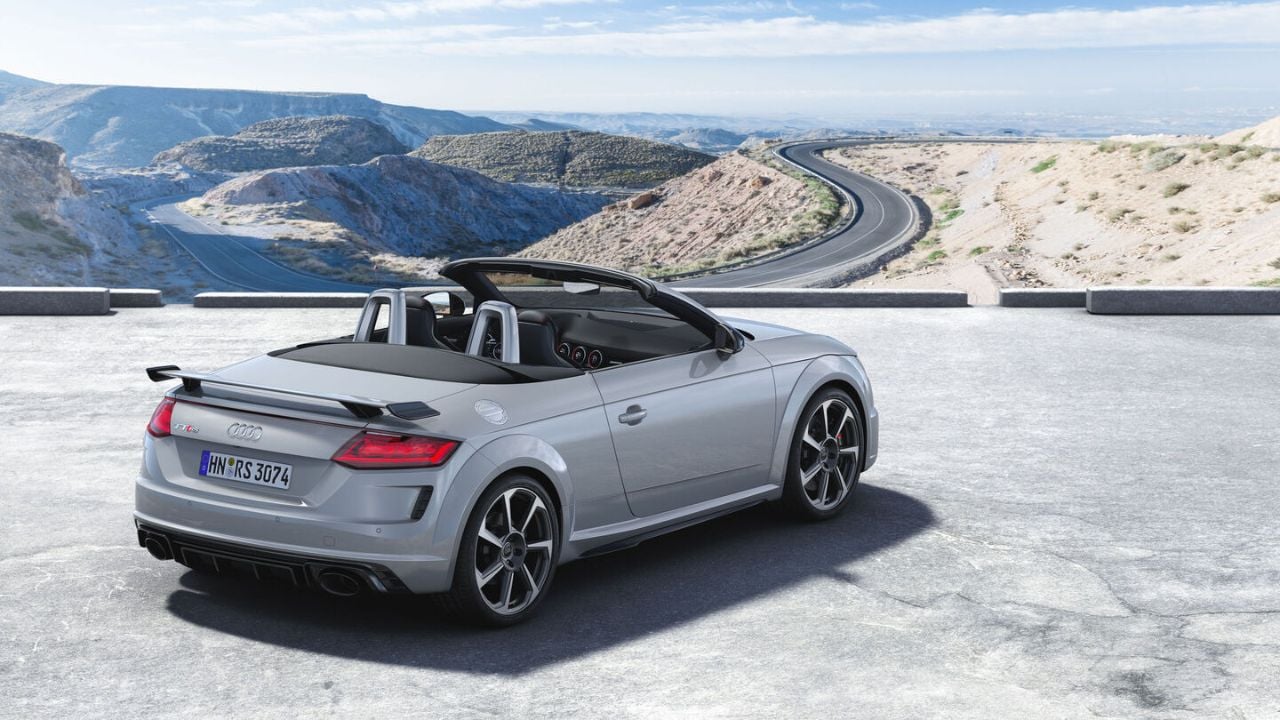
Spring brings perfect weather for open-top driving, and convertible ownership offers a unique automotive experience that combines practicality with pure driving enjoyment.
While convertibles often require some trade-offs in terms of storage space and all-weather capability, they deliver an unmatched connection between driver and environment. The good news is that enjoying wind-in-the-hair motoring doesn’t require a luxury car budget. The used car market offers numerous affordable options for those seeking their first taste of convertible ownership.
Mazda Miata

The Mazda MX-5 Miata deserves its reputation as the quintessential affordable sports car. Since its 1989 debut, the Miata has maintained a simple formula: lightweight construction, balanced handling, and reliable mechanicals wrapped in an approachable package.
The second-generation NB (1999-2005) and third-generation NC (2006-2015) models represent particularly strong values in today’s market. The NC generation, while sometimes overlooked in favor of its predecessors, offers modern amenities like standard airbags, improved crash protection, and more refined road manners. All Miata generations share excellent parts availability and strong enthusiast support networks.
Notable features: near 50/50 weight distribution, double-wishbone front suspension, extensive aftermarket support and a revised front wishbone + rear multilink layout on NC.
BMW Z3

BMW’s Z3 roadster, produced from 1995 to 2002, brought German engineering to the affordable sports car segment. Even base 1.9-liter models provide engaging driving dynamics, though the 2.8-liter inline-six offers a more compelling power-to-weight ratio and that characteristic BMW smoothness.
The Z3 benefits from BMW’s extensive dealer network and parts availability. While some 1990s-era German cars developed maintenance reputations, the Z3’s mechanicals are generally robust when properly serviced. Many examples have benefited from aftermarket suspension upgrades that further enhance the already-capable chassis.
Notable features: Near 50/50 weight distribution, rack-and-pinion steering, available Sport packages.
BMW Z4 (First Generation)

The E85/E86 Z4, produced from 2003 to 2008, addressed several Z3 limitations while maintaining the essential roadster character. The longer wheelbase and revised interior packaging accommodate taller drivers more comfortably, while updated suspension geometry improved handling balance. Car and Driver noted the handling is especially worth highlighting.
Current market conditions favor Z4 buyers, with clean examples available at reasonable prices. The 3.0-liter inline-six models offer strong performance, while the available Sport Package adds firmer suspension tuning and more aggressive styling elements.
Notable features: Electric power steering (non-M models), DSC stability control, optional Sport Package with firmer suspension.
BMW 330Ci Convertible (E46)

The E46 3 Series convertible represents BMW’s traditional approach to four-seat open-air motoring. The 330Ci variant, equipped with BMW’s acclaimed 3.0-liter inline-six producing 225 horsepower, delivers both daily usability and weekend entertainment value.
E46 values have stabilized in recent years, making well-maintained examples increasingly attractive. The combination of rear-seat accommodation, a substantial trunk, and genuine sports sedan dynamics makes this an appealing choice for those seeking convertible versatility.
Notable features: 225-hp inline-six engine, four-seat configuration, available manual transmission.
Ford Mustang (Fifth Generation)

The 2005-2014 Mustang convertible successfully modernized the classic American pony car formula. Both V6 and V8 variants offer distinctive styling that pays homage to the original 1960s design while incorporating contemporary safety and convenience features.
V8-equipped models provide the traditional American pony car soundtrack and acceleration, while V6 versions offer improved fuel economy without sacrificing too much performance. The Mustang’s size advantage over smaller roadsters translates to genuine four-seat capability and substantial cargo space.
Notable features: Retro-inspired styling, available V8 engine, four-seat convertible configuration.
Chevrolet Corvette C5

The C5 Corvette, produced from 1997 to 2004, represents exceptional performance value in today’s market. Even base models feature the LS1 V8 engine producing 345-350 horsepower, along with sophisticated suspension systems typically found on much more expensive sports cars.
C5 Corvettes were the last Corvette generation to feature pop-up headlights, adding historical significance to their appeal. The fiberglass construction resists rust, though it requires different maintenance considerations than traditional steel-bodied vehicles.
Notable features: LS1 V8 engine, composite construction, pop-up headlights, sophisticated suspension.
Audi TT Roadster (First Generation)

Audi’s original TT, produced from 1999 to 2006, introduced distinctive design language that influenced automotive styling for years to follow. The turbocharged 1.8T engine, shared across multiple Volkswagen Group vehicles, provides adequate performance with excellent tuning potential.
Early TT models received stability-related updates (including a rear spoiler and added stability control/handling changes) following high-speed stability concerns, but later examples incorporate these improvements from the factory. The 1.8T engine responds well to modifications, and parts availability remains strong due to its use across multiple vehicle lines.
Notable features: Distinctive design, turbocharged engine, Quattro all-wheel drive (select models), strong tuning potential.
Porsche Boxster 986

The original Boxster, launched in 1996, helped establish Porsche’s financial stability while providing an accessible entry point into the brand. The mid-engine configuration offers inherent handling advantages, while the flat-six engine delivers the distinctive Porsche sound character.
Both 2.5-liter and 2.7-liter variants provide engaging performance, with the later 3.2-liter S model offering additional power for those seeking more acceleration. IMS risk varies by year and bearing type; some applications (often cited with single-row bearings) show higher failure rates than others, and preventive solutions are available.
Notable features: Mid-engine layout, flat-six engine, Porsche heritage, excellent handling balance.
Mercedes-Benz SLK (First Generation)

Mercedes introduced the R170 SLK in 1996, helping popularize the modern retractable hardtop that would become increasingly popular. This innovation allows year-round convertible enjoyment with improved noise insulation and security compared to traditional soft tops.
The supercharged 2.3-liter four-cylinder (SLK230) and naturally aspirated 3.2-liter V6 (SLK320) both offer refined performance. AMG variants provide additional power and sport-tuned suspension for enthusiasts seeking more aggressive dynamics.
Notable features: Retractable hardtop, supercharged engine options, Mercedes build quality.
Chrysler Crossfire
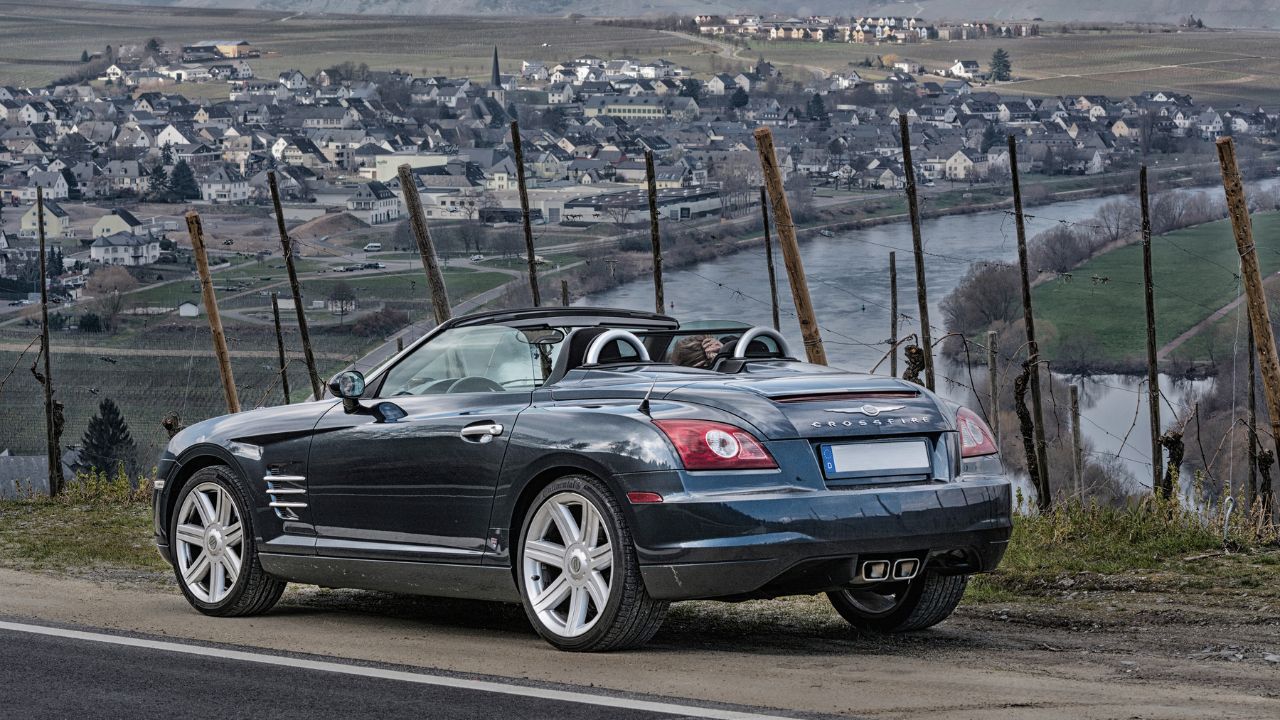
Based on the Mercedes-Benz SLK platform and sharing many of its mechanical components, the Crossfire offered a distinctly different body and interior design on familiar underpinnings.
Unlike its Mercedes sibling, the Crossfire convertible uses a traditional fabric top rather than a retractable hardtop. The SRT-6 variant features a supercharged V6 producing 330 horsepower, providing substantial performance in a distinctive package.
Notable features: Mercedes SLK platform, distinctive styling, available supercharged SRT-6 variant.
Pontiac Solstice

General Motors’ Kappa platform spawned the Solstice roadster, which generated significant initial interest with over 7,000 orders in its first 10 days of availability. The naturally aspirated 2.4-liter base engine provides adequate performance, while the turbocharged 2.0-liter GXP variant offers substantially more power.
Well-maintained examples can provide years of reliable service, though potential buyers should research common issues and maintenance requirements. The GXP model’s additional power and more aggressive styling elements make it the more desirable variant.
Notable features: GM Kappa platform, turbocharged GXP variant, distinctive American roadster styling.
Saturn Sky

Sharing the Kappa platform with the Pontiac Solstice, the Saturn Sky offered a slightly different aesthetic approach to the same basic formula. The Red Line variant, equivalent to the Solstice GXP, features the same turbocharged 2.0-liter engine producing 260 horsepower.
The Sky’s styling has aged well, and its relative rarity makes it an interesting alternative to more common convertible choices. Like other Kappa platform vehicles, maintenance attention is important for long-term reliability.
Notable features: Shared Kappa platform, Red Line performance variant, unique Saturn styling.
Toyota MR2 Spyder

The third-generation MR2, known as the MR2 Spyder in North American markets, represents an undervalued option in today’s inflated Japanese sports car market. The mid-engine layout provides excellent handling characteristics, while Toyota’s reputation for reliability extends to this model.
The 1.8-liter naturally aspirated engine, while not providing overwhelming power, suits the car’s lightweight construction and handling-focused mission. Storage space is minimal, making this primarily a weekend or fair-weather vehicle rather than a daily driver for most buyers.
Notable features: Mid-engine layout, Toyota reliability, lightweight construction, naturally aspirated engine.
Conclusion

Each of these convertibles offers a different approach to open-air motoring, from the pure sports car experience of the Miata and MR2 Spyder to the grand touring comfort of the Mustang and 330Ci. When evaluating any used convertible, potential buyers should consider maintenance history, convertible top condition, and the specific mechanical characteristics of their chosen model.
The convertible market offers something for every preference and budget, whether you prioritize handling precision, straight-line performance, luxury appointments, or simple reliability. With proper research and maintenance, any of these vehicles can provide years of enjoyable open-air driving.