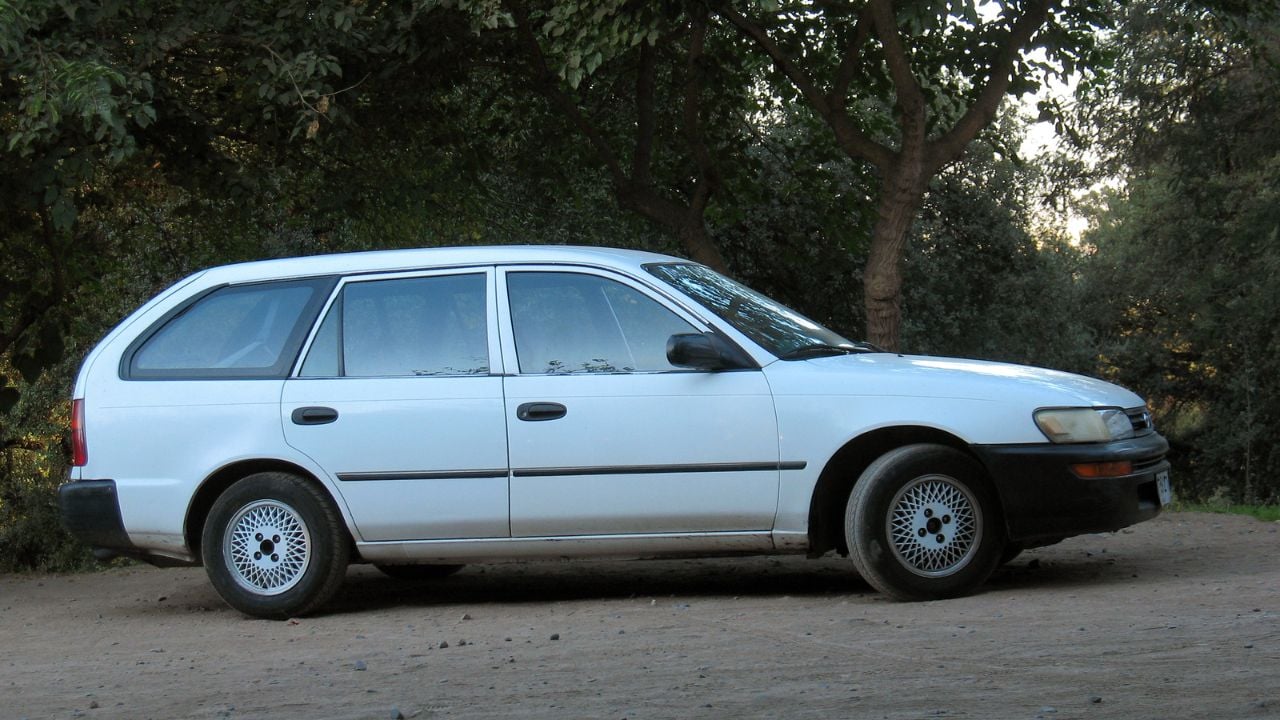
A modest car in New Zealand is quietly rewriting expectations about vehicle lifespan. While modern cars are increasingly defined by technology and shorter ownership cycles, one newspaper delivery driver has taken a very different path.
Graeme Hebley, based in Upper Hutt, has driven his 1993 Toyota Corolla past two million kilometres, with the original engine and transmission still in place. The car is not preserved or restored. It is used daily under demanding conditions, covering long distances across the North Island.
This milestone is more than a personal achievement. It highlights the durability of older engineering, the impact of disciplined maintenance, and the realities of high mileage driving. In an era of rapid turnover in the automotive market, Hebley’s Corolla stands as a rare and practical counterexample.
A Daily Grind That Built a Record
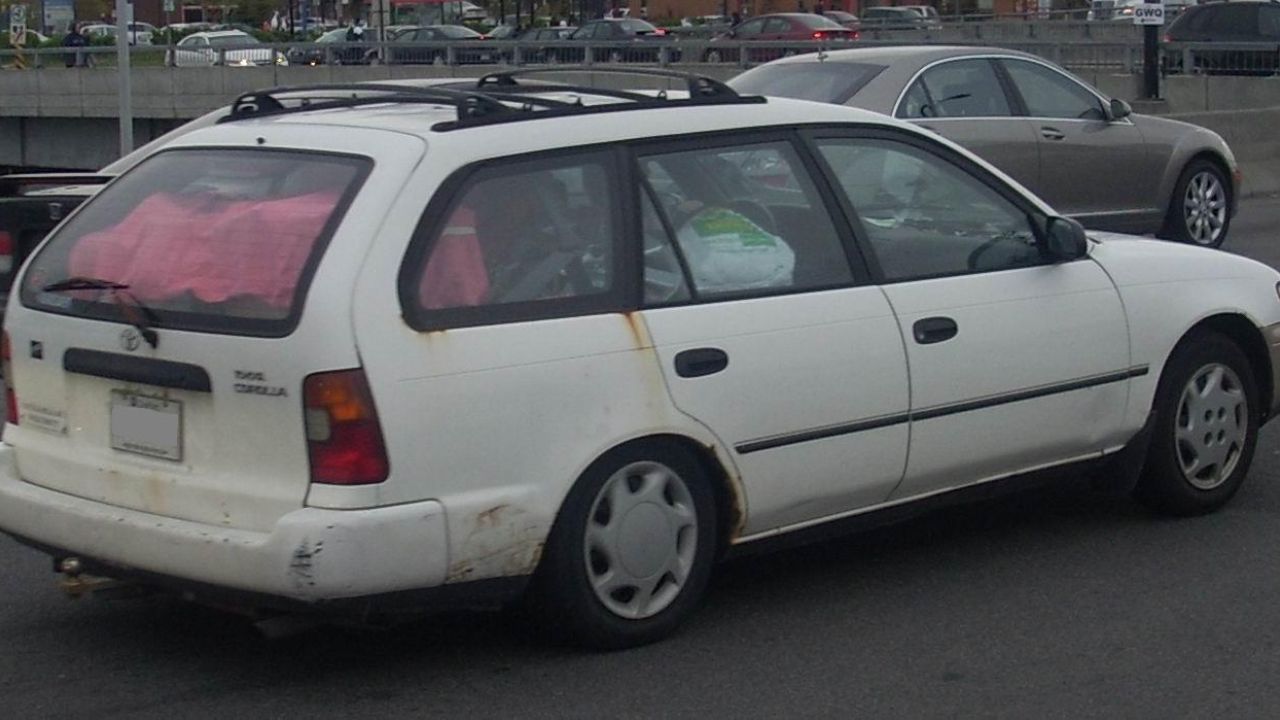
Hebley’s Corolla has earned its mileage through consistent and demanding work. He bought the vehicle in 2000 when it had about 80,000 kilometres and has relied on it ever since for newspaper deliveries.
His route runs between Wellington and New Plymouth, a journey he completes six days a week. That workload adds up to roughly 5,000 kilometres each week, placing the car under continuous use rather than occasional driving.
Despite the strain, the car has retained its original engine, transmission, and drivetrain. Mechanics familiar with the vehicle have confirmed this, noting that such longevity without major replacement is extremely rare in modern motoring.
To understand the scale, two million kilometres equals about 50 trips around the Earth’s circumference. Most vehicles are retired long before reaching even a fraction of that distance.
Maintenance Over Luck
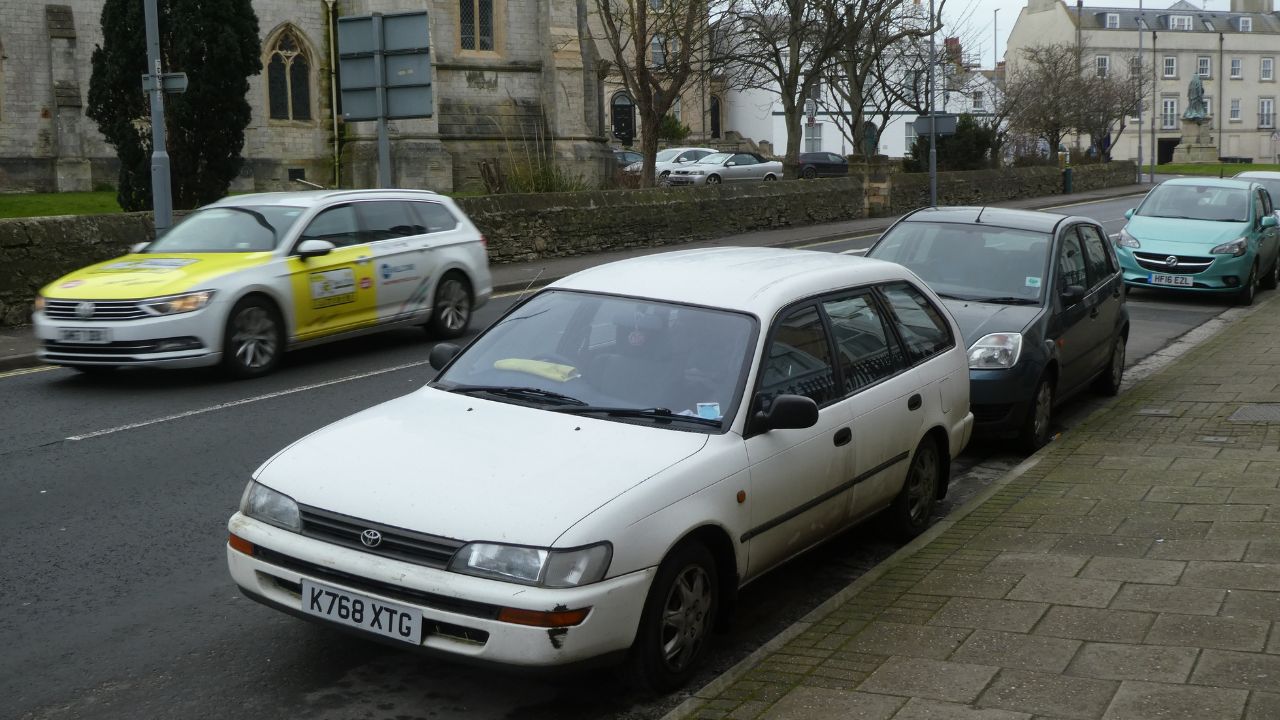
The durability of this Corolla is not accidental. Hebley has followed a strict servicing routine for more than two decades. The car is checked and maintained every two weeks, ensuring that small issues never develop into major failures.
Routine replacements have included wear items such as the timing belt, which has been changed many times over the years. However, the core mechanical components have remained untouched, a result of consistent care rather than extraordinary repairs.
Mechanics who have worked on the car have expressed surprise at its condition. One technician noted that without direct involvement, it would be difficult to believe a vehicle could reach such mileage without major breakdowns.
Driving conditions also play a role. Most of Hebley’s mileage comes from steady long distance travel rather than stop start urban driving. This reduces stress on the engine and transmission, helping extend the lifespan of key components.
What It Says About Reliability Today
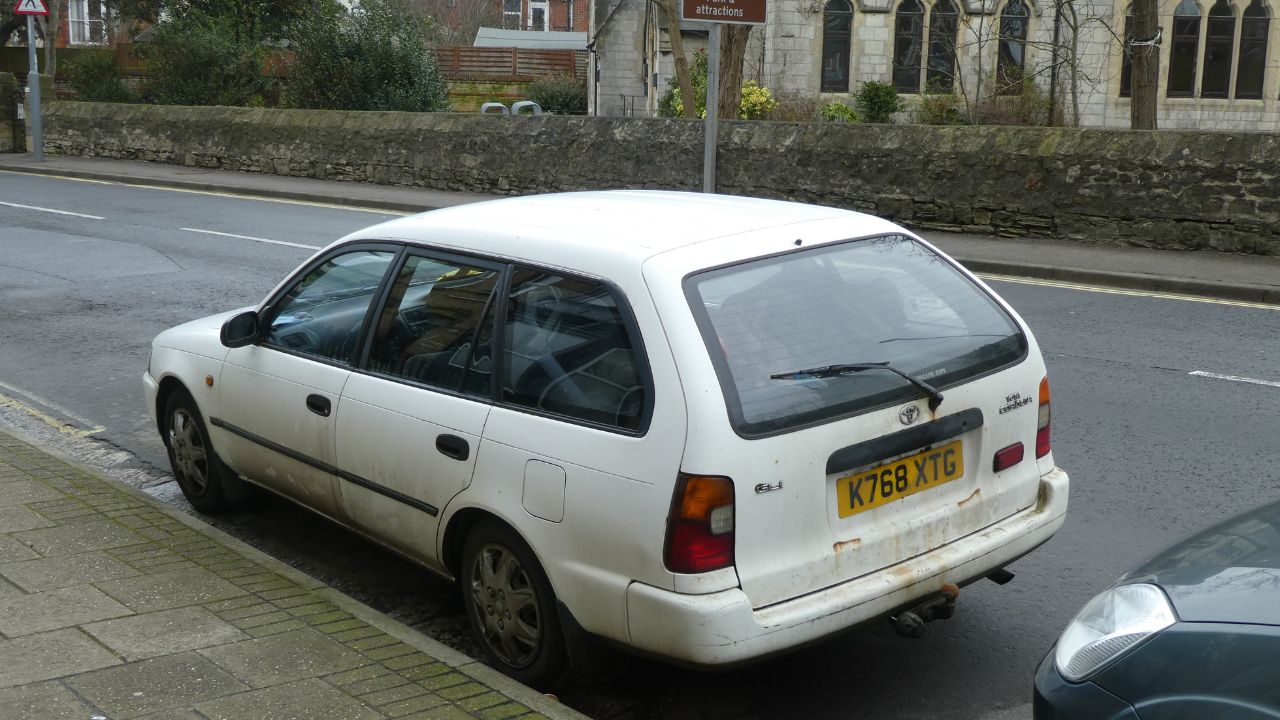
The Corolla’s milestone reinforces a long standing reputation for durability. Vehicles from this era were built with simpler mechanical systems and fewer electronic dependencies, which often made them easier to maintain over long periods.
Hebley himself has pointed to both the design of the car and the discipline of maintenance as the reason it continues to run. Without regular servicing, even a well built vehicle would not survive such intensive use.
The story also raises questions about modern vehicles. Today’s cars deliver greater efficiency, safety, and performance, but their increased complexity can make long term ownership more challenging and expensive.
For now, the 1993 Corolla continues its daily routes with no clear end in sight. Hebley has indicated he has no plans to stop driving it, and those who service the vehicle believe it could continue well beyond its current total if properly maintained.
In a market driven by upgrades and replacements, this car offers a different perspective. Longevity is not only built in the factory. It is sustained through routine care, consistent use, and a clear understanding of what a machine needs to keep going.