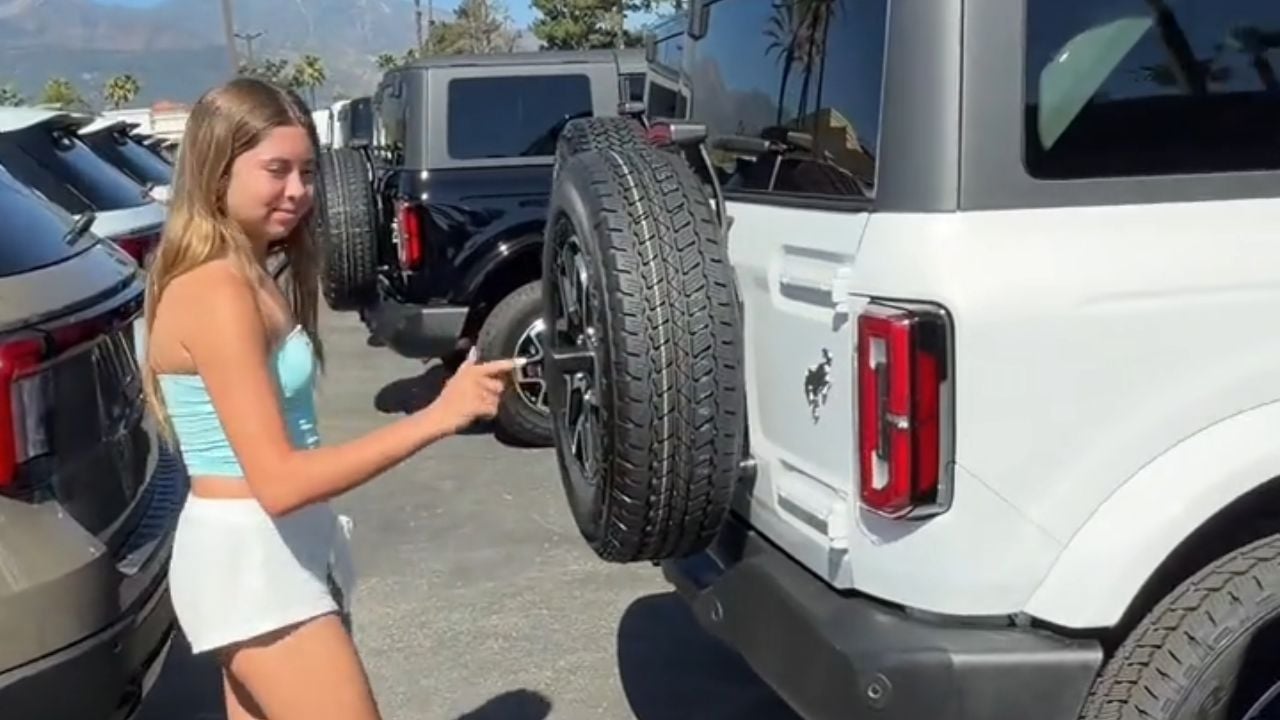

Research data shows drivers aged 16–17 are 4 times more likely to be involved in a fatal crash per mile driven than adults over 20. In 2023, nearly six young drivers (15–20 years old) died daily in car crashes, totaling over 2,000 deaths annually.
Teens represented 5% of licensed drivers but accounted for 8.9% of fatal crashes and 12% of police-reported crashes.
There’s a certain kind of advice that floats around every time a teenager needs a first car. Buy small. Buy used. Buy safe according to the hallowed lists. Keep the budget low.
All of that sounds responsible. The thing, though, is that in the real world, especially if money is not a limiting factor, that thinking can miss the bigger picture.
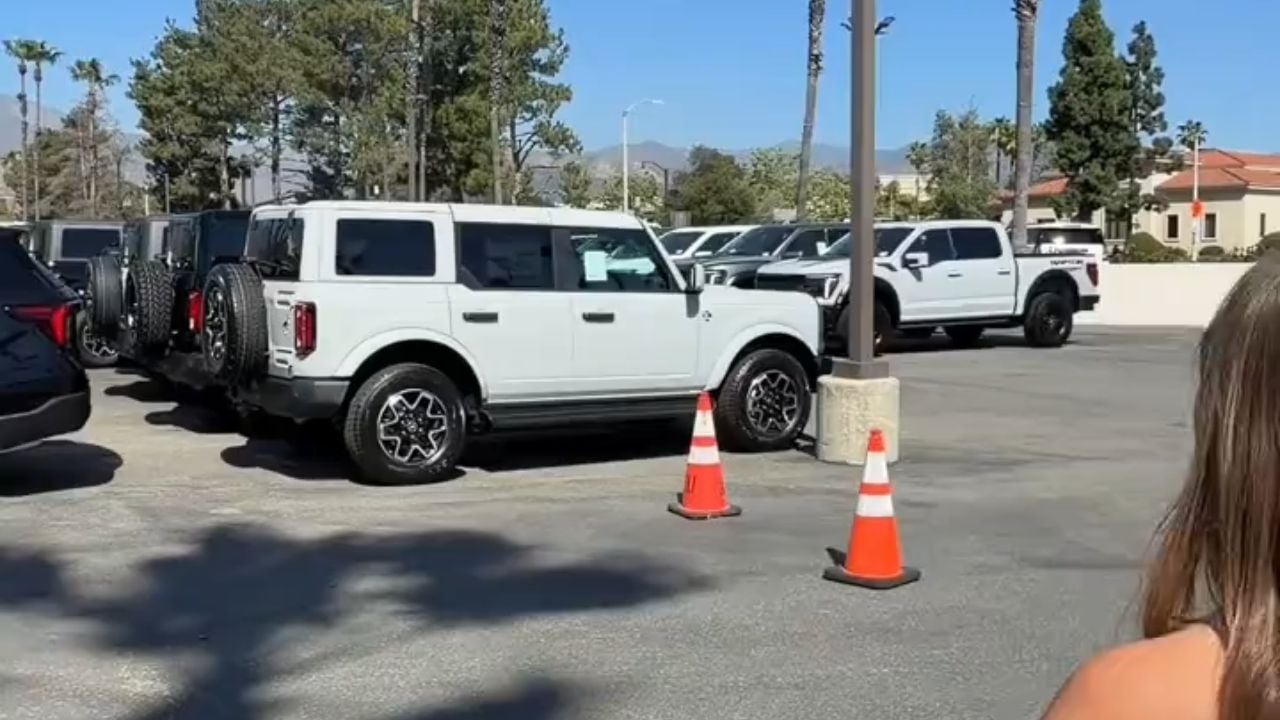
The Motor1 story of a parent shopping a roughly $55,000 Ford Bronco for a 15-year-old hits that nerve because it clashes with conventional wisdom, not because it is inherently wrong.
If you have spent years behind the wheel and gone through the grind of buying cars, fixing cars, and living with cars, you learn something that no Blue Book or safety ranking fully captures.
The best first car is not always the cheapest or the most statistically approved. It is the one that aligns with how the vehicle will actually be used, maintained, and respected.
Money First, Always
Start with the money angle.
Most people are told to keep a teen’s car around $10,000 and accept that it may need work. Wait, why is it even smart to recommend unreliable, hoopties for a first-time driver? That advice exists because most families are balancing risk.
Older cars break. They need tires, brakes, suspension work, and sometimes deeper mechanical fixes. That introduces a different kind of danger, one that does not show up neatly in safety rankings.
Worn components, inconsistent maintenance history, and outdated driver aids can quietly stack the odds against an inexperienced driver.
A new Bronco, for instance, flips that equation.
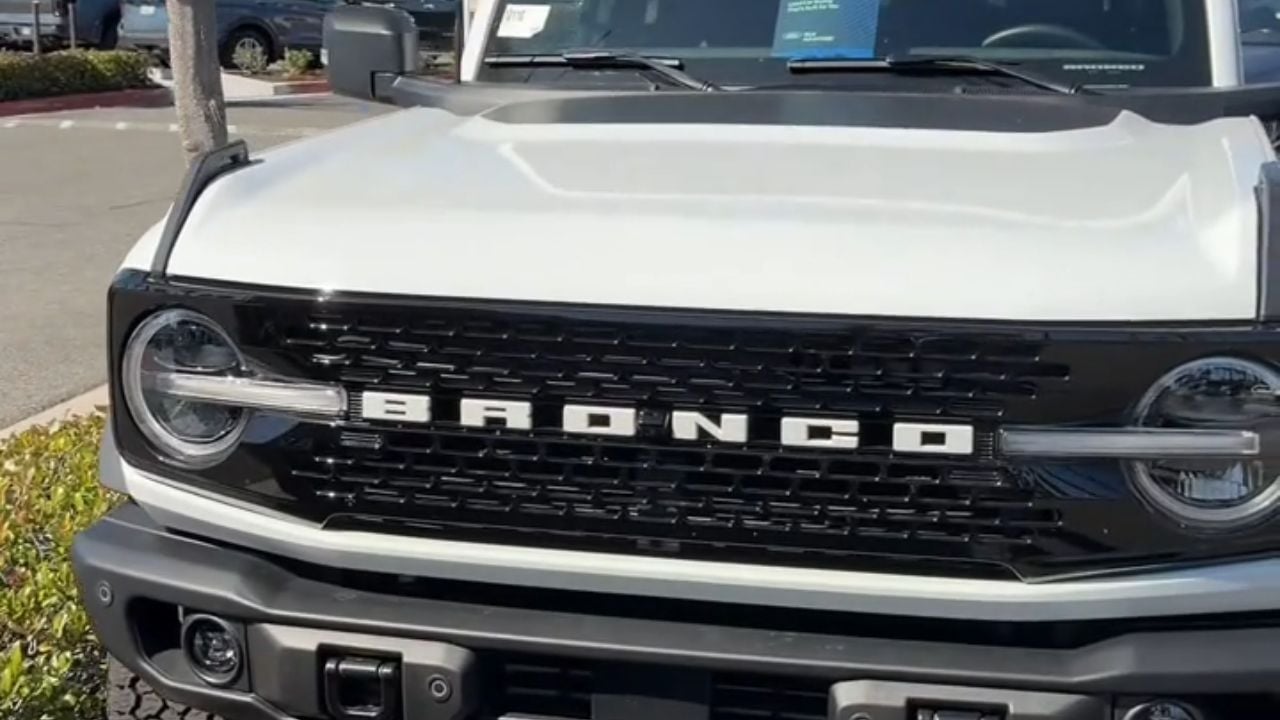
You are getting a factory-fresh machine with modern electronics, intact crash structures, and no deferred maintenance hiding under the surface.
You are also buying predictability, which carries a lot more weight more than people care to admit. A new driver does better in a car that behaves the same way every day, not one that develops quirks as parts wear out.
Does Size Really Matter?
Then there is the size argument.
Many opine that large SUVs can be harder to handle. That is true in a vacuum. Real world experience says, a well-designed SUV like the Bronco is engineered to be driven by ordinary people in everyday conditions.
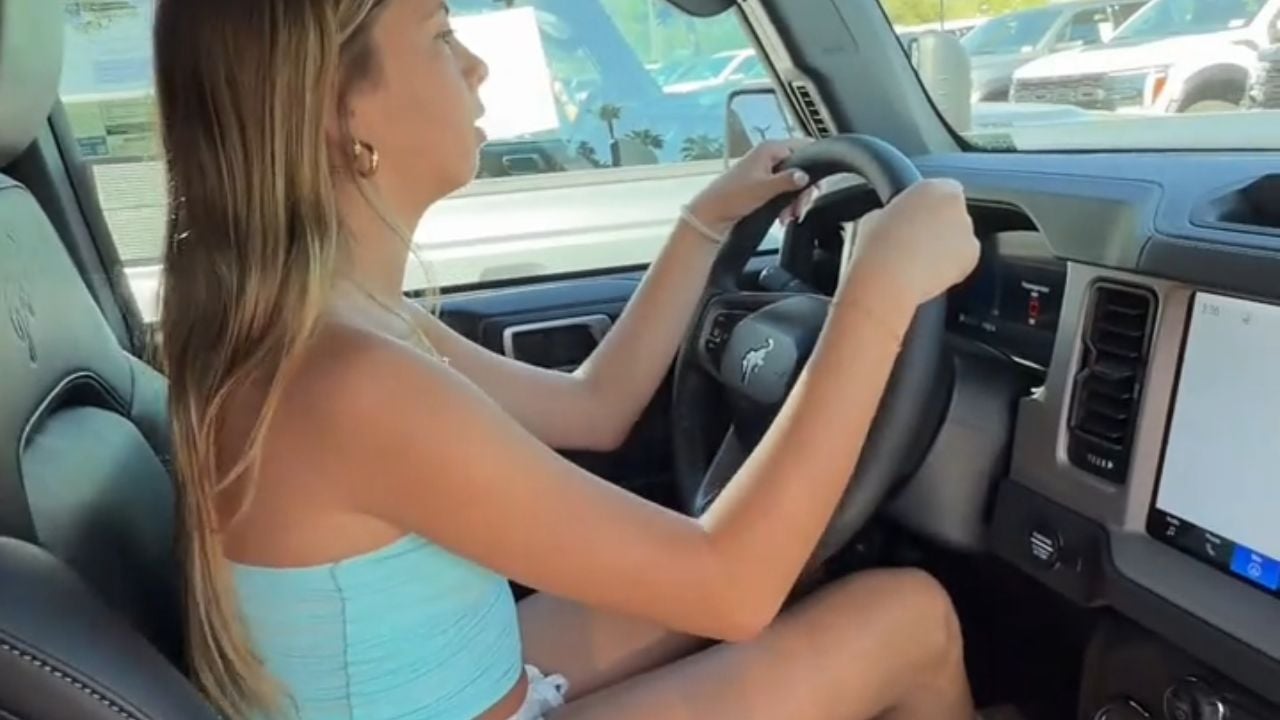
It has driver assistance features, stable road manners, and a commanding seating position that improves visibility. The idea that every teenager must start in a compact sedan ignores how much modern vehicles have evolved.
Experience also teaches you that confidence matters. Not overconfidence, but comfort.
A driver who feels secure in their vehicle is less likely to panic. The Bronco’s upright driving position, solid footprint, and clear sightlines can make it easier to judge traffic and surroundings compared to a low, cramped car.
That alone can reduce stress behind the wheel.
The World Does Not Spin on the Bronco
Excuse the Bronco feeling too much like the poster child here; it’s purely because of the Motor1 story about a mom who took her teen shopping for a $55k Bronco.

There are other SUVs that make equally strong cases for teen drivers.
The Toyota RAV4 is a perennial favorite thanks to its bulletproof reliability, intuitive controls, and excellent crash-test scores. The Honda CR-V offers roomy practicality, smooth handling, and advanced driver-assist tech that helps build confidence.
For families who want a bit more ruggedness, the Subaru Forester stands out with standard all-wheel drive and outstanding visibility. The Mazda CX-5 adds a dose of style and sharp driving dynamics while still keeping safety front and center.
And if budget stretches further, the Volvo XC40 blends Scandinavian design with some of the most advanced safety systems available. The uniform ingredients here are predictability, comfort, and modern protections — features that matter most for a first-time driver without being locked into one “approved” formula.
What the Record Shows
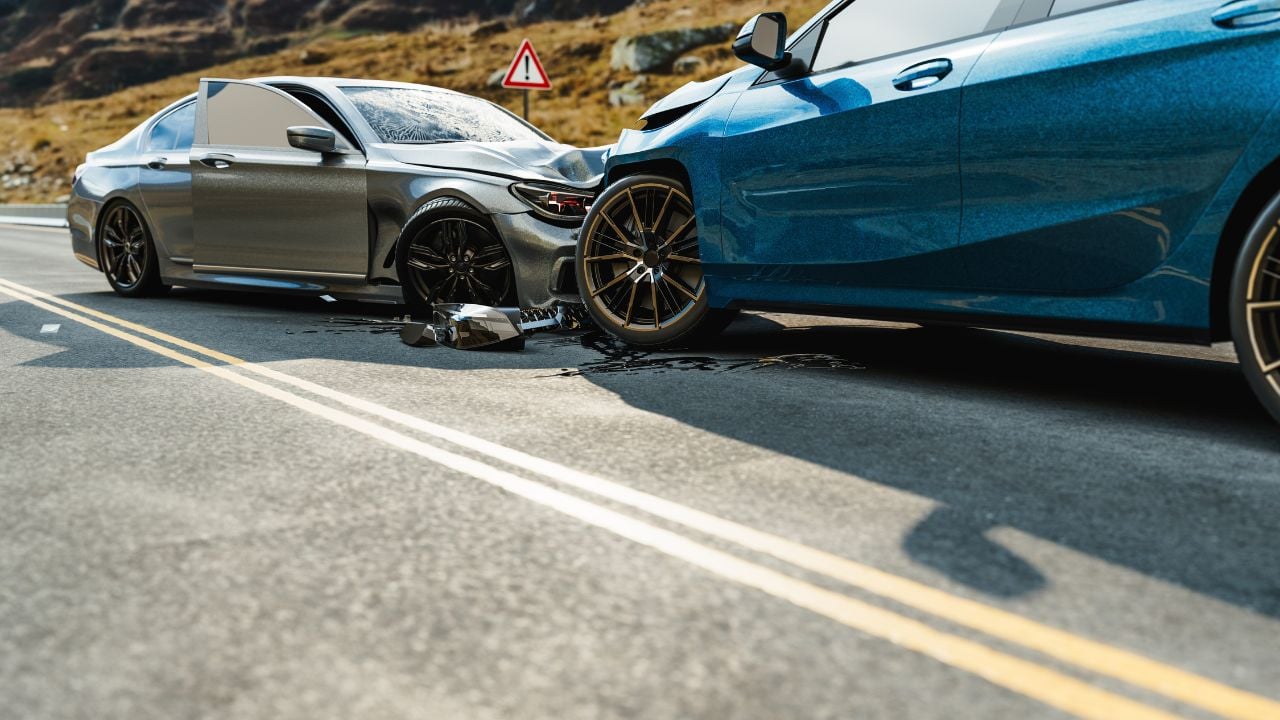
Speaking of size, while teen drivers are at high crash risk regardless of vehicle type, data shows SUVs and trucks often provide lower fatality rates compared to small cars, largely due to size and crash protection.
However, SUVs also carry risks of rollover and handling challenges for inexperienced drivers.
According to Insurance Institute for Highway Safety (IIHS) driver death rate data, small cars/minicars accounts for the highest fatality rates (e.g., Mitsubishi Mirage G4 at 205 deaths per million registered vehicle years).
Midsize cars accounts for an average 60 deaths per million registered vehicle years. Meanwhile, small SUVs showed much lower fatality rates (e.g., Buick Encore AWD at 6 deaths per million registered vehicle years).
Large pickups can be deadly for other drivers (Ram 3500 Crew Cab had 189 other-driver deaths per million registered vehicle years) but offer strong protection for occupants.
The takeaway from these stats is that smaller, cheaper cars are rather statistically more dangerous for teens due to weaker crash structures. SUVs/Trucks offer stronger occupant protection and lower driver death rates, though they come with higher rollover risk and handling challenges.
Based on evidence, then, the perfect choice for teens, especially first-time drivers, is a mid-size SUV or crossover. They often offer the safest compromise—modern crash protection, visibility, and manageable handling.
It’s worth noting that teens crash more often due to inexperience. But when they do, SUVs like the Bronco statistically reduce driver fatalities compared to small cars. They’re then the safer first-car option if budget allows.
A Car Has to Be Worth Owning

Now consider durability. The Bronco is built on a body-on-frame platform with genuine off-road intent. That is not just marketing fluff. It means the vehicle is engineered to take abuse, whether that is rough roads, potholes, or the occasional misjudged curb.
A cheaper compact car may be easier to park, but it is often less forgiving when things go wrong. Over time, that resilience pays off.
There is also a psychological angle that seasoned buyers recognize.
When a teenager is handed a disposable car, they tend to treat it that way. When they are trusted with something substantial, expectations change. Accountability rises. That does not guarantee perfect behavior, but it shifts the mindset from careless use to ownership.
The Blue Books Aren’t Personal
The safety lists and Blue Book recommendations are not useless.
The thing is, because they’re designed for broad guidance across millions of buyers, they tend to lean conservative because they have to.
What they cannot do is account for individual circumstances, financial flexibility, or the value of long-term reliability over short-term savings.
If money is not a constraint, the conversation changes.
You are no longer choosing the least risky option on paper. You are choosing the most complete package in reality. A new Bronco offers modern engineering, structural integrity, and a level of robustness that many budget alternatives simply cannot match.
The mom in this video remarked that they weren’t working with a budget; that sounds like money isn’t priority for them. In her own words, “we just want something that’s reasonable and safe.”
@mommiesara This is my 15-year-old daughter Quinn…and she thinks she’s picking her first car 😅 We’re documenting every test drive, argument, and bad decision. Let’s see how this goes… 🚗 #firstcar #teendriver #carshopping #motherdaughter #cartok @Ford Motor Company ♬ original sound – Sara Scarbo
So yes, it breaks the usual rules. That is exactly the point.
Those rules exist for people who need them. When you do not, experience tells you to look beyond the checklist and focus on what actually makes a car safe, dependable, and livable day after day. By that standard, the Bronco is not a reckless choice. It is a well-considered one.
Sources: Motor1