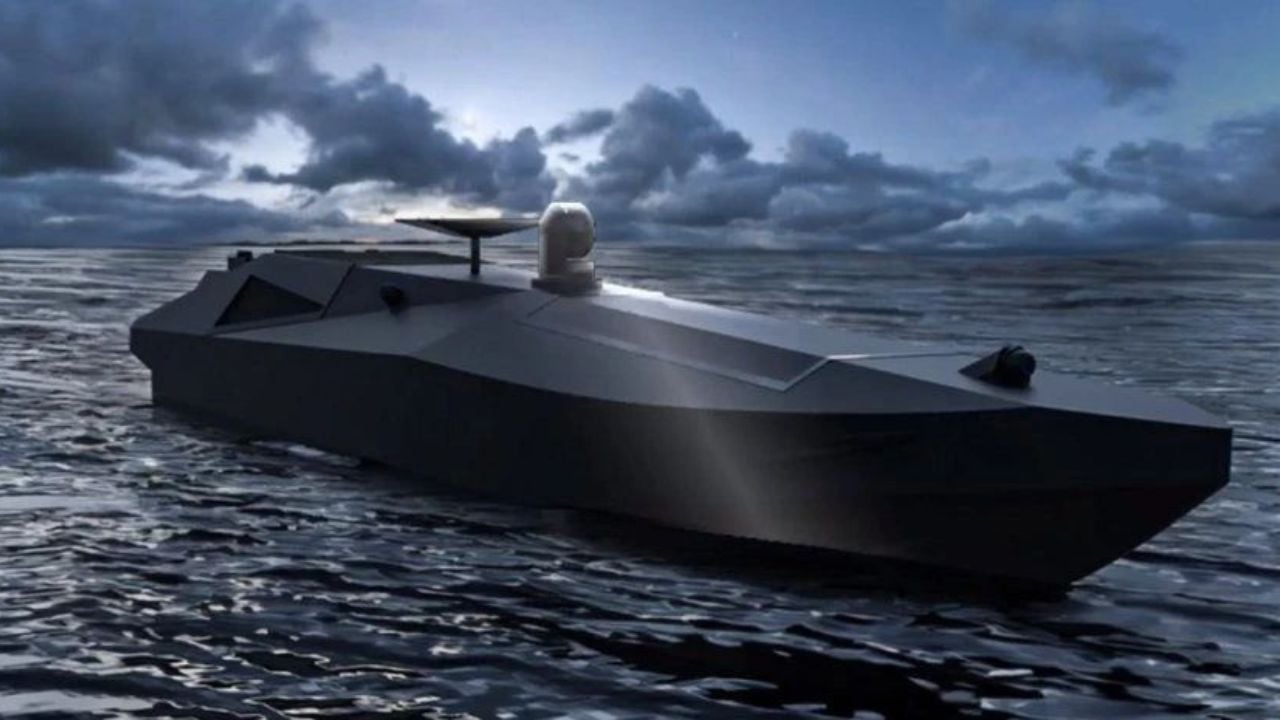

A Russian liquefied natural gas tanker limped across the Mediterranean after a suspected Ukrainian drone strike ripped into its hull, leaving the vessel disabled, venting gas, and drifting without propulsion while maritime authorities scrambled to contain a crisis with no clear end in sight.
Ukrainian operatives extended the war far beyond the Black Sea by targeting Russia’s shadow fleet in open Mediterranean waters, forcing a heavily laden energy carrier into a slow-motion emergency that exposed just how vulnerable global shipping lanes have become.
The tanker, identified in maritime reports as the Arctic Metagaz, carried tens of thousands of tons of liquefied natural gas when the blast tore through its structure, leaving visible holes in the hull and triggering fires that crippled onboard systems.
Engineers lost control of propulsion and critical cooling systems, allowing pressure to build inside damaged LNG tanks while gas vented into the atmosphere, creating an explosive environment where a single spark could ignite a catastrophe.
Drone Unconfirmed
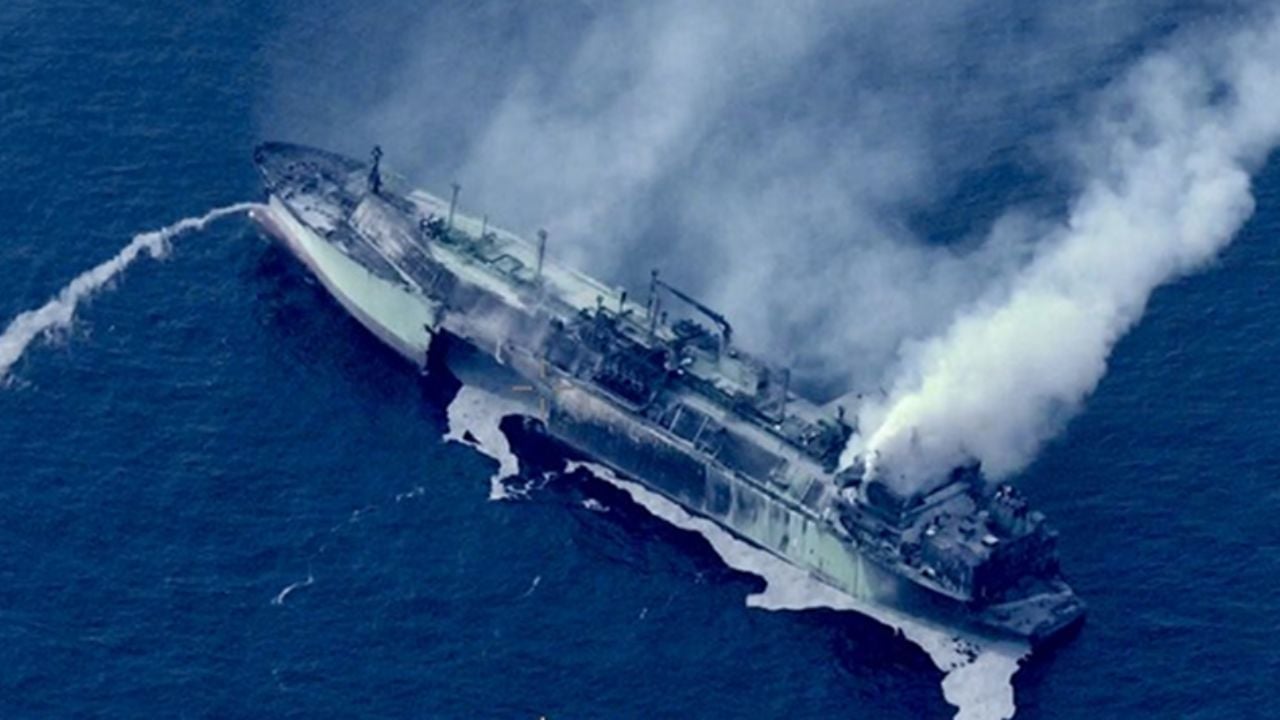
The Arctic Metagaz was almost certainly struck by a Ukrainian marine drone, but the exact type and specifications remain unverified. Until Ukraine admits responsibility or independent investigators release technical details, the identity of the drone will remain speculative.
However, maritime security sources and analysts state the tanker was hit by a marine drone in international waters southeast of Malta on 3 March 2026. Western intelligence and maritime observers attribute the strike to Ukrainian forces, though Kyiv has not officially claimed responsibility.
Satellite tracking and eyewitness accounts confirm the vessel suffered hull damage consistent with a drone-borne explosive payload.
Ukraine has previously deployed Magura V5 naval drones in Black Sea operations against Russian warships and infrastructure. These drones are known for long-range capability and explosive payloads.
However, in this Mediterranean incident, no official confirmation links the Magura V5 or any other specific system to the strike.
Asymmetrical Warfare at Full Display
Ukraine’s strike on the Arctic Metagaz highlights how relatively inexpensive naval drones can inflict massive economic damage on Russia’s energy logistics.
The most likely weapon was the Ukrainian-developed Magura V5, a Ukrainian-built unmanned surface vessel (USV) designed for long-range precision attacks. It’s notable that the system costs under $300,000, yet is capable of disabling ships worth hundreds of millions.
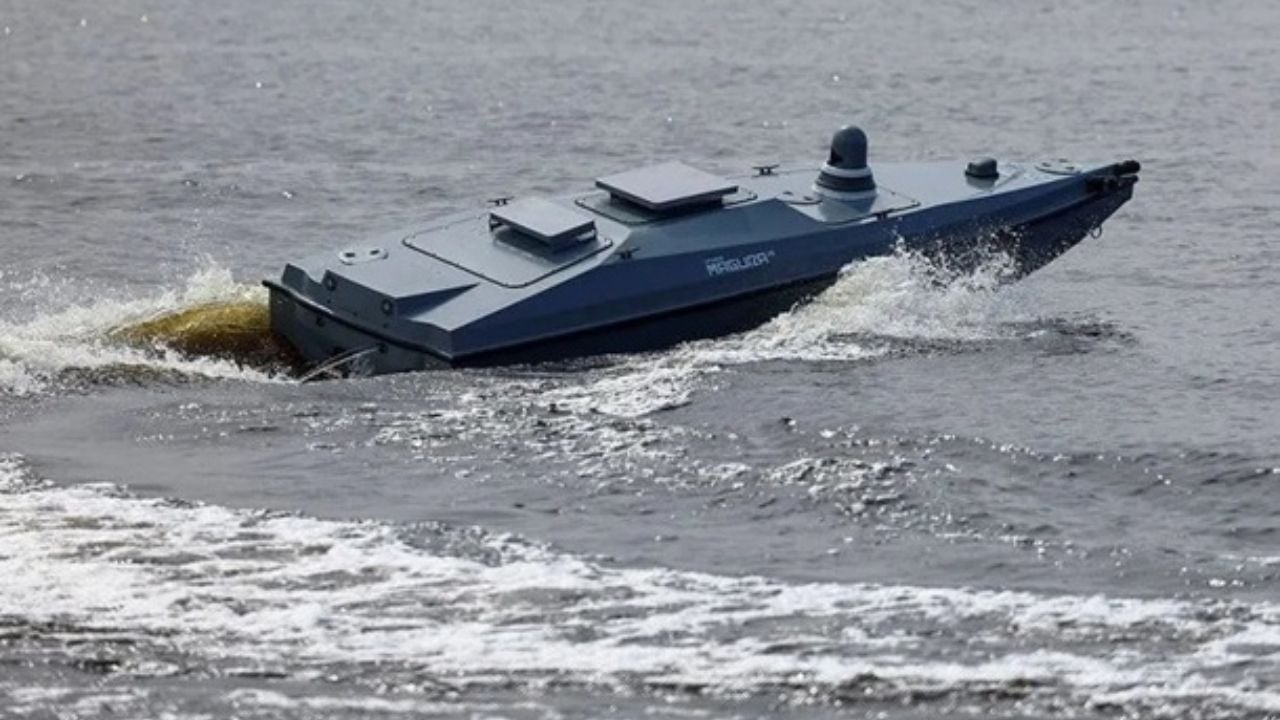
At 5.5 meters in length and weighing under a ton, the craft is compact but engineered to carry up to 300 kilograms of explosives, enough to rip open the hull of a large tanker. Its waterjet propulsion allows speeds of nearly 50 mph, with an operational range of up to 500 miles.
Guidance systems combine satellite navigation, inertial controls, and visual targeting, enabling operators to steer the drone accurately even in contested waters. Its low-profile carbon-fiber hull minimizes radar and thermal signatures, so detection is difficult until it is too late.
This blend of stealth, speed, and explosive payload makes the Magura V5 a textbook example of asymmetric warfare: a cheap, expendable craft that can disable or destroy assets worth hundreds of millions.
Waves Keep Rescue at Bay
Rescue teams from nearby states attempted to reach and stabilize the vessel, but violent winds and rough seas blocked repeated efforts to secure a tow line, turning what should have been a controlled recovery into a drawn-out standoff with nature.
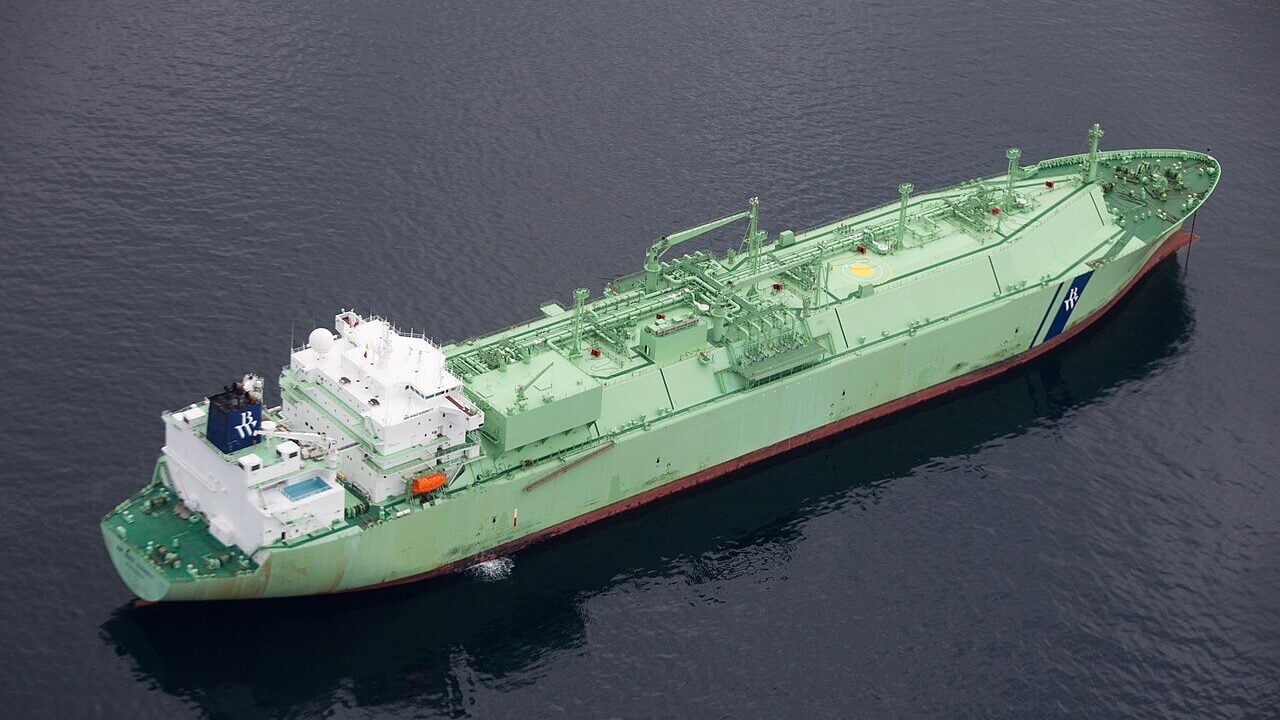
A tugboat managed to approach and briefly connect with the drifting ship, yet worsening weather forced crews to abandon full towing operations, leaving the tanker under observation rather than control as it drifted farther from its original position.
Ocean currents carried the crippled vessel more than 600 miles across the Mediterranean, pushing it from waters near Malta toward the Libyan coast and closer to busy commercial shipping routes that handle global oil and gas flows.
Satellite tracking and maritime intelligence revealed cracks spreading along the tanker’s structure, while seawater seeped into multiple compartments including the engine room, raising fears the ship could fracture under stress and break apart.
Environmental Disaster Looms Large
Authorities warned that two of the vessel’s LNG tanks remained intact but unstable, venting gas due to cooling system failures, a condition that combined structural damage with volatile cargo in a way that risked both explosion and environmental disaster.
European and Mediterranean officials raised alarms over the possibility of a large-scale spill, noting that a rupture could release fuel and liquefied gas into one of the world’s most trafficked and environmentally sensitive seas.
Security analysts linked the strike to a broader Ukrainian campaign targeting Russian energy logistics, a strategy designed to choke off revenue streams tied to oil and gas exports while demonstrating reach far from traditional battle zones.
View this post on Instagram
Russia blamed the attack on Ukrainian drones launched from positions near North Africa, while diplomats pointed to complex legal questions over which coastal states bear responsibility for preventing disaster from a drifting, damaged vessel.
Libya Dragged into the Crisis
Libyan authorities found themselves pulled into the crisis as the tanker drifted toward territory controlled by eastern factions, forcing local command structures to monitor a foreign vessel that could explode or sink within their maritime zone.
Shipping companies rerouted nearby traffic to avoid the hazard, as the disabled tanker edged closer to major trade corridors, raising the risk of collision or secondary incidents involving passing cargo ships.
Each failed rescue attempt deepened concern among maritime agencies that the situation was slipping beyond control, with weather, structural decay, and volatile cargo combining into a high-stakes crisis unfolding in slow motion.
At press time, the Arctic Metagaz LNG tanker remains adrift north of Benghazi, Libya, after repeated towline failures. Salvage crews have been unable to regain control due to rough seas, leaving the vessel unstable, venting gas, and posing both explosive and environmental risks.
Russia has refused responsibility, insisting the wreck is Libya’s problem, even as regional authorities warn that the crisis could soon affect multiple Mediterranean coastlines if currents push the vessel further west or south.
Ukraine’s use of drones like the Magura V5 shows how low-cost, high-tech systems can reshape naval warfare. Instead of billion-dollar warships, fleets now face serious threats from small, expendable craft that can be mass-produced.
For Russia, the loss is an economic blow that reverberates through global markets. By striking the Arctic Metagaz, Ukraine demonstrated that Russia’s energy exports—critical to its economy—are vulnerable far beyond the Black Sea.
Sources: The New York Times