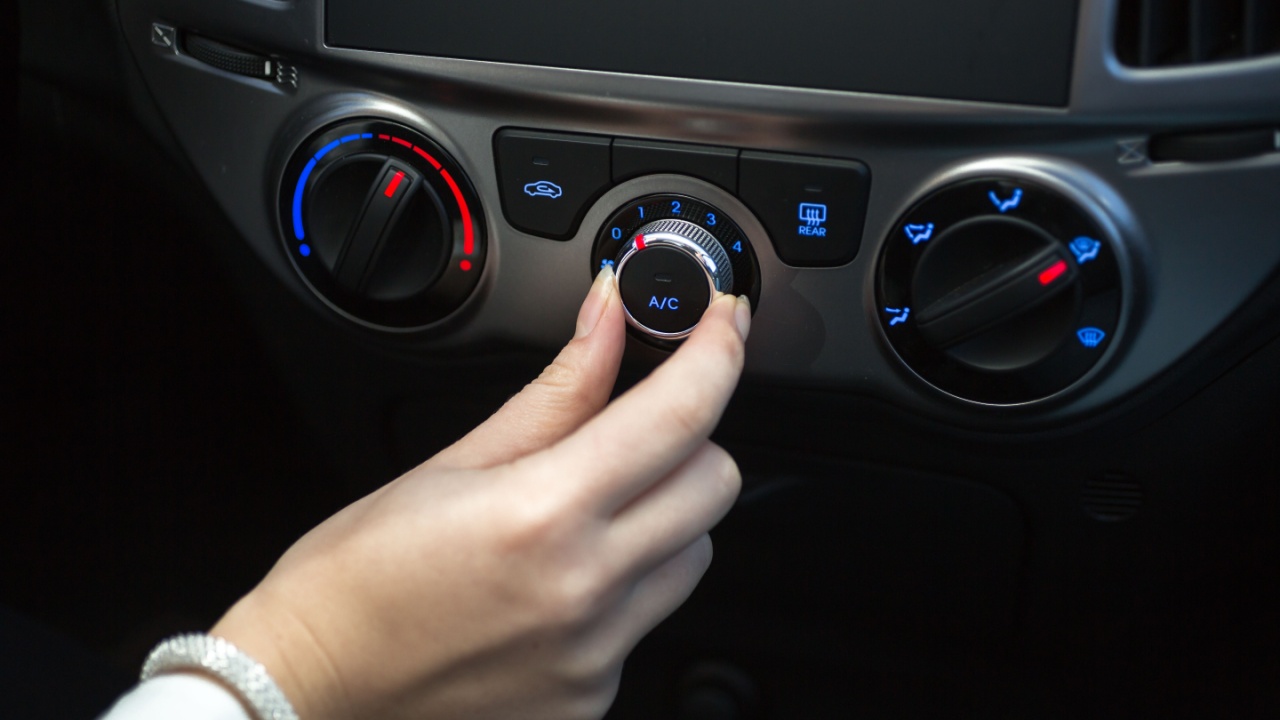
As the weather turns cold, those crisp mornings make a lot of drivers reach for the remote start or let the car idle before pulling away. It’s understandable, you don’t want to sit in a freezing cabin, and old advice about “warming up” engines still lingers. But depending on what you’re trying to accomplish, idling can be less helpful than people think.
Here’s what actually works and when it makes sense to let the car run.
Warming the Cabin (for Passenger Comfort)
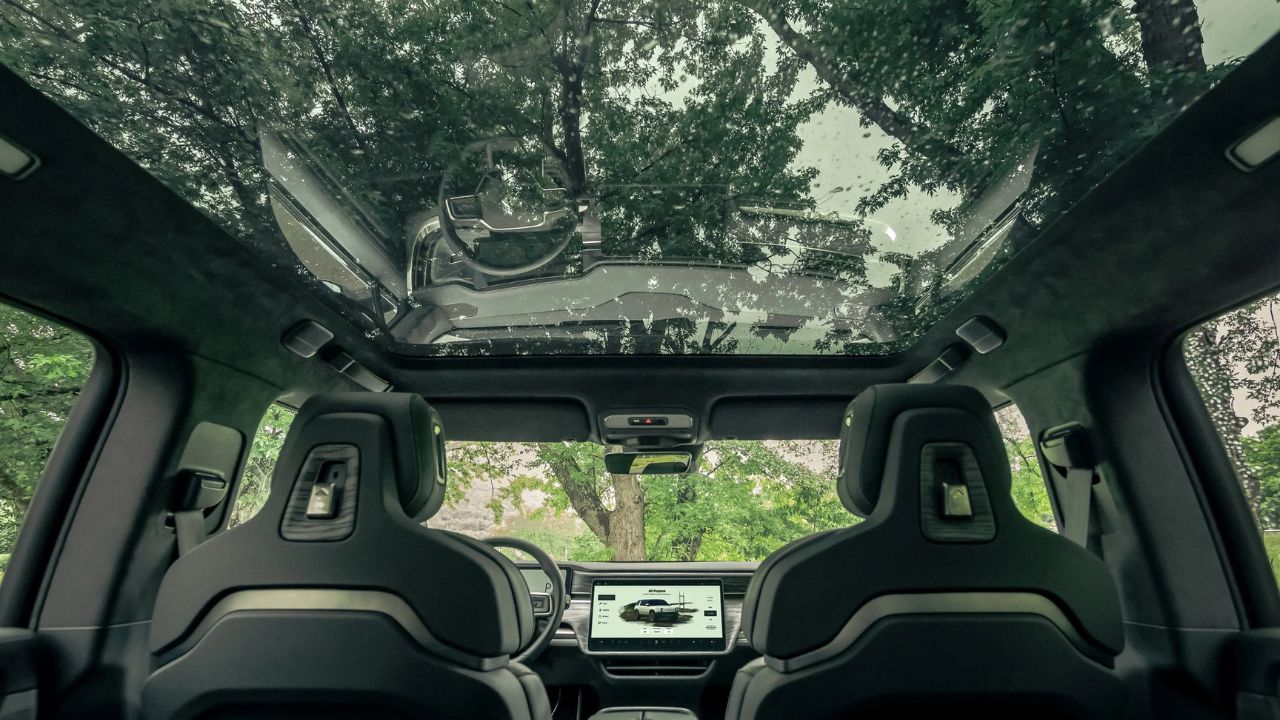
If you’re idling because you want a warm, comfortable cabin, that makes perfect sense, but there’s a faster and more efficient way to do it.
To heat up your car’s interior quickly without wasting fuel, try this:
- Start the engine and let it run for about 20–30 seconds (never run a car in an attached garage, even with the garage door open).
- Set the temperature to high and the fan to full speed.
- If the windows are clear, turn on air recirculation to warm the cabin faster; if the windows are fogging or you need to defrost, switch recirculation off and pull in outside air.
- Use the Defrost/Defog setting (it typically engages the A/C) to remove moisture and clear foggy windows faster.
- Drive off slowly. The cabin will warm up faster on the road than sitting still in the driveway.
It’s totally reasonable not to want to hop into an icebox, but long idle times don’t help much. With these settings and a gentle start, your car will feel cozy long before you reach your destination.
Warming the Engine
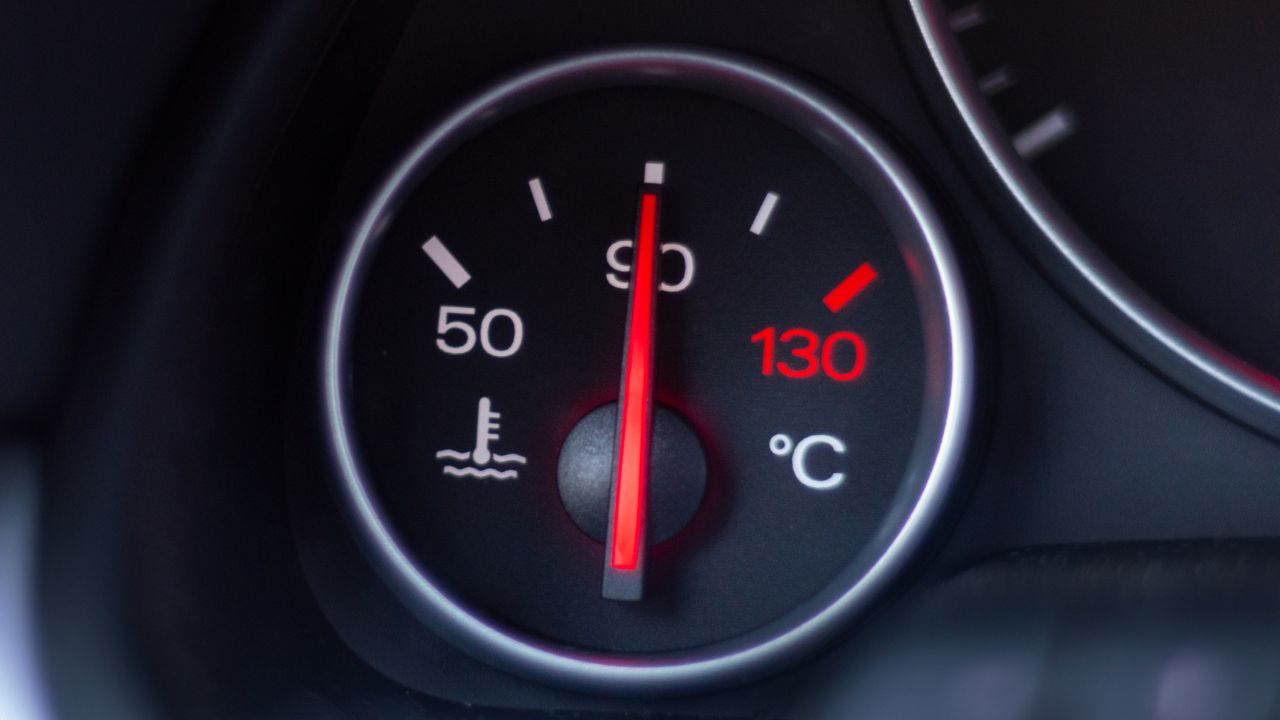
Some drivers still let their cars idle because they think the engine needs to “warm up” first. That was true decades ago, but not with today’s vehicles.
Modern fuel-injected engines don’t require extended idling to protect against wear and tear. After about 20–30 seconds, the oil has circulated through the engine. At that point, it’s safe to drive off gently and let the vehicle warm up while moving.
In fact, driving helps the engine reach its optimal temperature faster than idling, which actually keeps it cold longer. So skip the long warm-up; it’s better for your car and your gas tank.
Clearing Ice or Snow
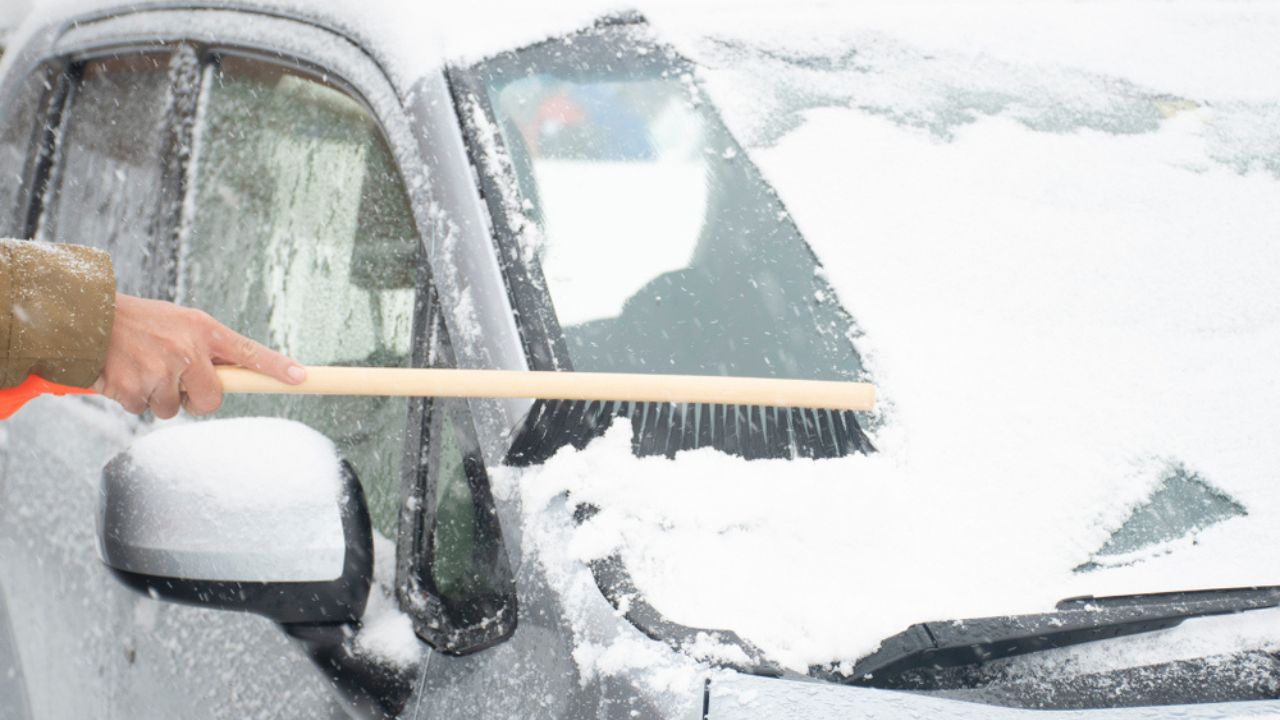
If your windshield is iced over or covered in snow, that’s an entirely different situation. You obviously need to clear it before driving, but even then, you don’t have to idle endlessly.
Ideally, use a scraper and brush to remove ice and snow while the car runs just long enough to loosen what’s stuck. Keep idling to a minimum—but don’t hit the road until your windshield is fully clear and visibility is safe.
Why It Matters

Following this simple approach helps you:
- Warm up faster while using less fuel
- Reduce emissions and unnecessary engine wear
- Prevent fogged windows for safer visibility
- Save time and money every cold morning
We’re lucky to still have mild mornings here in the Northeast, but the colder months are on the horizon. Learn this quick warm-up routine now, and you’ll stay toasty, efficient, and ready for whatever winter throws your way.