The French automaker Citroën has become a legend in the automotive world for its unusual designs, extreme pursuit of comfort and ride quality, and general weirdness and unconventionality.
Alongside the 2CV, Citroën’s most notable cars have to be its luxury sedans. The family dynasty began with the amazing DS in the 1950s, but that car has only had a handful of successors throughout the years. Throughout the second half of the 20th century, there were the CX and the XM, and then in 2005, Citroën introduced what would become its last European-built flagship luxury sedan: the C6.
The C6, inevitably, is on its way to becoming a future classic, and you might be tempted to buy your own. If you’re wondering what life is like with a Citroën C6, allow this C6 owner to tell you all about it.
A Design Unlike Any Other
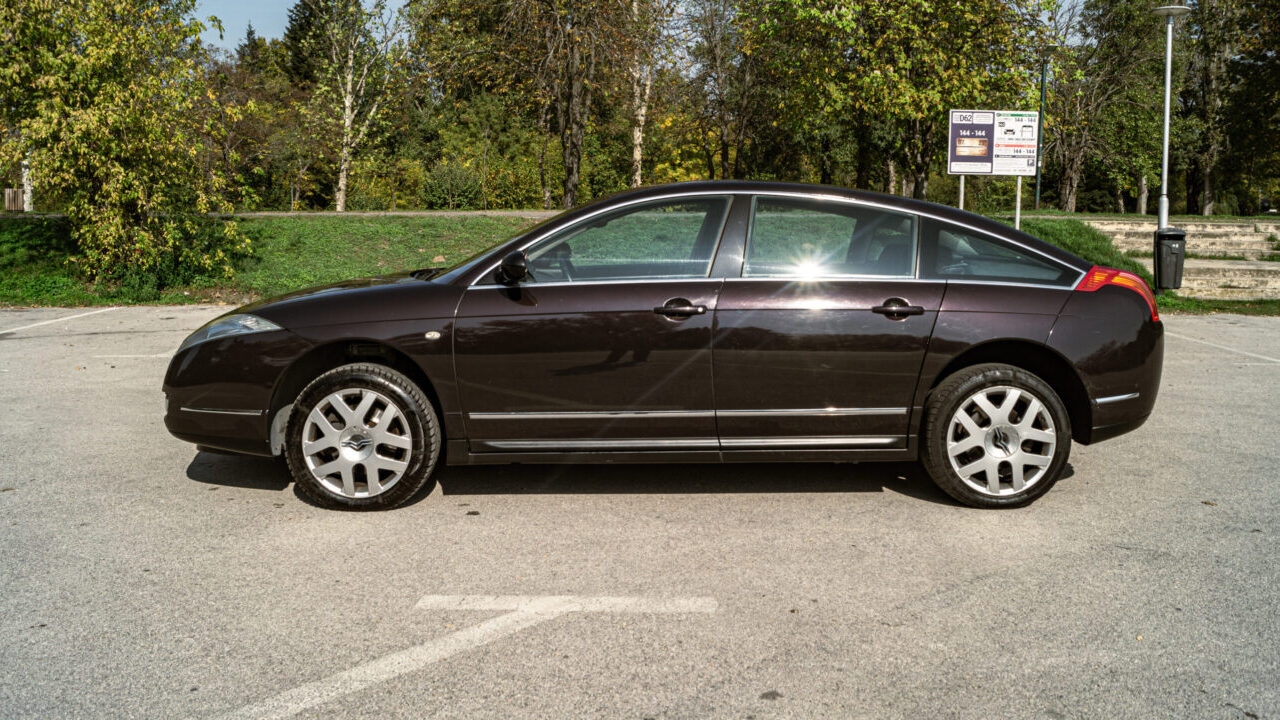
The original DS and all of its successors were instantly recognizable due to their teardrop designs and unnecessary, but very distinctive, rear quarter windows. The C6 is a modern interpretation of this design philosophy, with a teardrop shape and those same rear quarter windows, as well as a bizarre concave rear window that looks both impossible and impossibly expensive to replace.
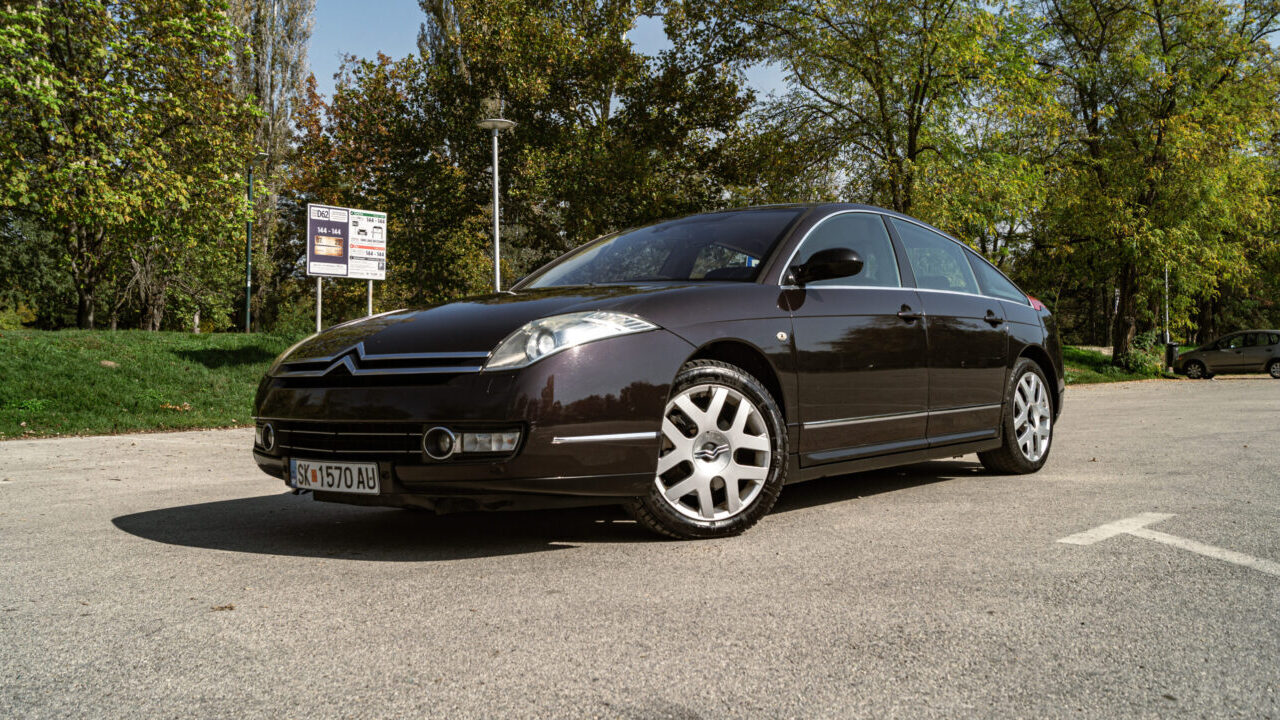
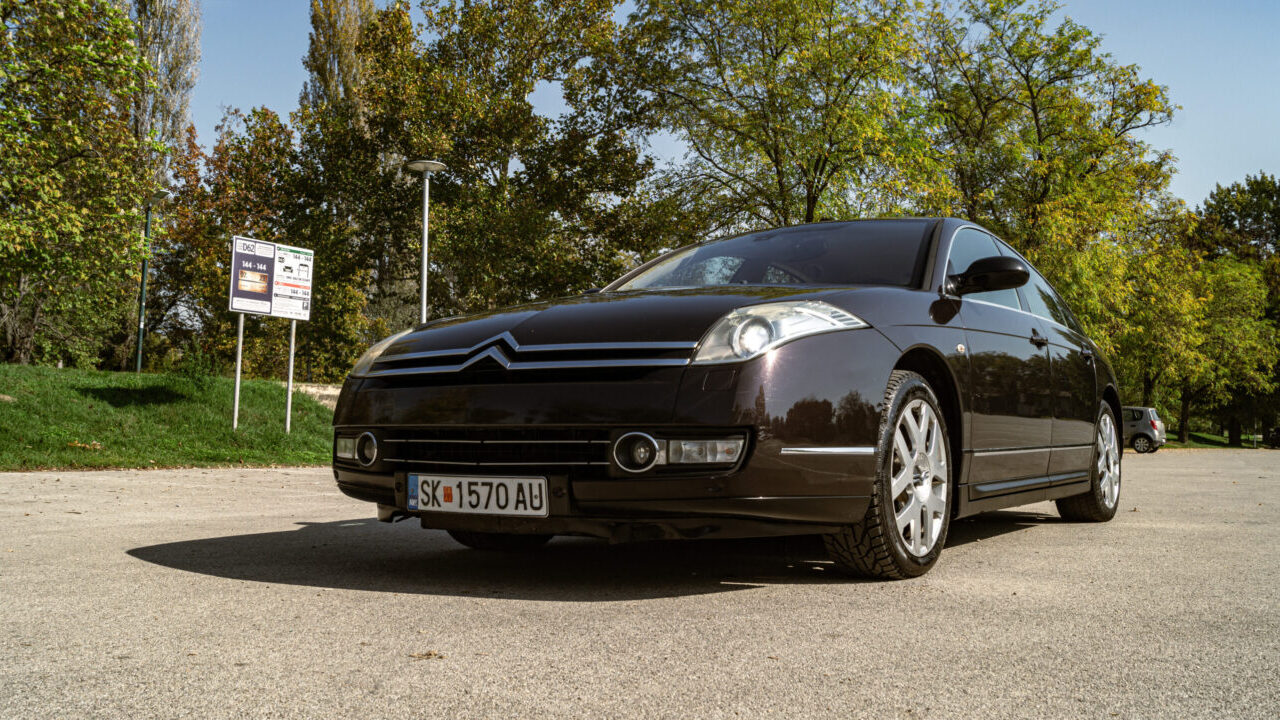
In my opinion, few cars can quite match the visual presence of the C6. Being massively long and wide helps matters here, not to mention those distinctive alloy wheels. You could get the C6 with other wheels, but this design simply belongs here. Certainly, the C6’s direct competitors couldn’t match the presence back in the day, and very few luxury sedans today still do.
Okay, I might be biased, but just look at it. Have you ever seen anything else like it? Probably not.
My Own C6
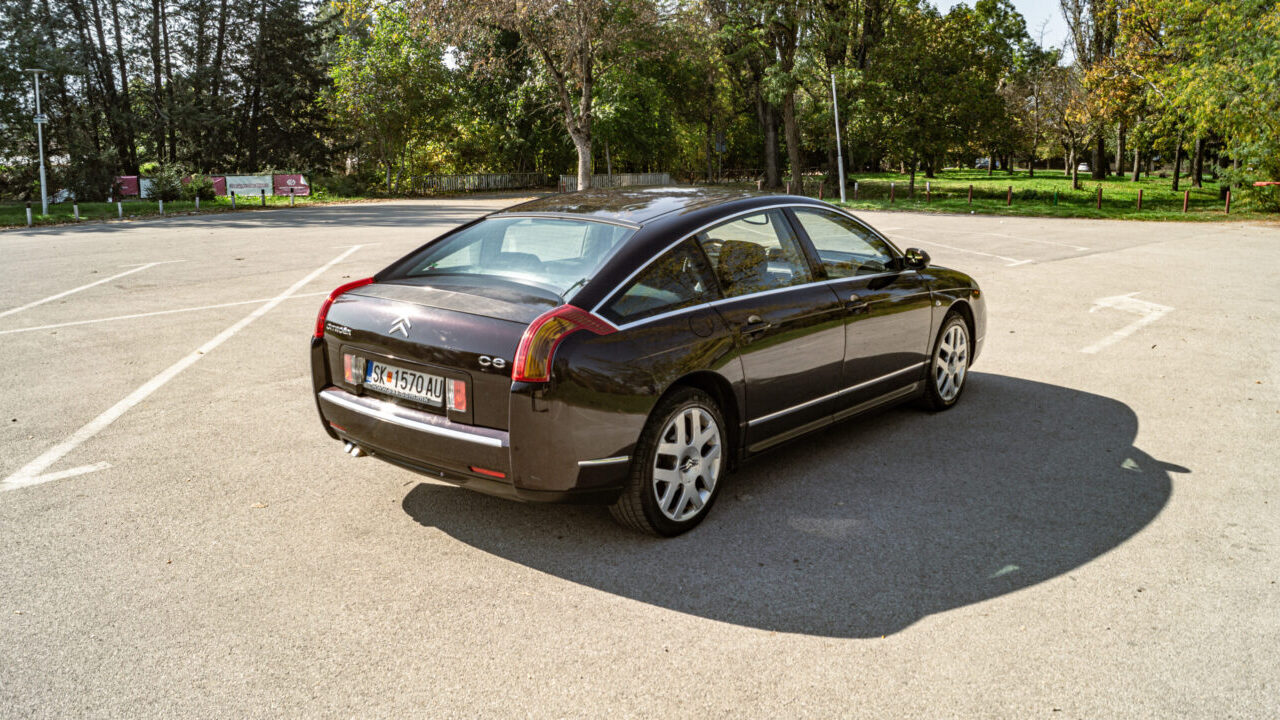
Let’s have a look at my C6, which is a pretty interesting example of the breed. It’s finished in Ganache, or as the Top Gear/Grand Tour trio might take the liberty of calling it, brown. Actually, it’s black at night and when there’s no sun, but when the sun comes out, it becomes a very dark purple. Dark green is my personal favorite color on the C6, but this one definitely does the job.
It’s also an interesting spec, as it has the desirable navigation system, rear climate zone, JBL sound system, rear sunshade, and, of course, the wheels. But, it doesn’t have the leather seats or the Presidential Lounge package for the rear seats, and thus, it doesn’t have heated seats either. The steering column is also manual, and sadly (but also thankfully), it doesn’t have lane departure warning or adaptive cruise control.
A Headache-Inducing Powertrain
Then, there’s the engine. From 2005 to 2012, the C6 was available with a few different powertrains, most of them being diesels. The C6 was launched in November 2005 and European production ended in December 2012 (RHD production ended in May 2012). Today, the most desirable power units are the 3.0-liter V6 HDi that replaced the 2.7 HDi in June 2009. The 3.0-liter petrol V6 was discontinued in February 2009. The 2.7-liter HDI was one of the two available at launch alongside the ES9, and later, Citroën also introduced a 2.2-liter turbodiesel and a manual transmission option.
As the name suggests, the 2.7 HDI is a V6 turbodiesel, a V6 twin-turbo diesel with DPF-equipped emissions hardware, adding complexity. This engine was never actually made by the PSA Group, but rather it was a Ford–PSA joint-development program (the ‘Lion’ V6 diesel family), used by Jaguar and Land Rover as well as Peugeot/Citroën. This engine family powered a range of Jaguar and Land Rover models, and also appeared in PSA vehicles including the Citroën C6 and Peugeot 407, as well as Jaguars, Land Rovers, and even Peugeot’s 407 in the 2000s.
Consider the manufacturers behind this engine: Ford and Jaguar. Not exactly synonymous with reliability, are they?
This is the least desirable engine in the C6 lineup, and there are multiple good reasons why. But we’ll get to those; let’s analyze the engine by itself.
The 2.7-liter HDI put out 201 hp and 324 lb-ft of torque, propelling the FWD C6 to 0–100 km/h in about 8.9 seconds (roughly mid-8s 0–60 mph). It’s hooked up to a six-speed automatic transmission, and this was the only transmission offered with this powertrain. For this type of vehicle, a manual just doesn’t make any sense.
What’s it like? Surprisingly punchy. It’s not particularly fast, but being a twin-turbo diesel, the powerband is a little bit more linear than you might expect. The transmission is a little hesitant, but once you give it the boot, it does pick up speed rather convincingly. Not bad, considering it weighs well over 4,000 lbs.
So, the power is good. To be honest, so is the sound. However, the reliability is really not good at all. The most glaring issue with the 2.7 HDI is the coolant pipes and the other related components. I get this feeling that the engineers put together the rest of the engine up to a high standard as normal, and then, when the time came to think about the coolant circuit, they did that in 10 minutes during lunch break.
Most of the coolant system in the C6 is made of plastic.. What happens to plastic piping after hot liquid circulates through it for almost two decades? Oh yeah, it cracks. One of the coolant fittings in my car near the radiator literally exploded and dumped out whatever was left of the coolant. As well as being tasked by the mechanic to find this part that is no longer in production, and also impossible to find used, the car would then get towed away because he had parked it illegally outside his shop. Seriously.
Elsewhere, the 2.7 HDI is known to go through thermostats, and the turbos are also pretty whiny. The left-hand exhaust flex pipe detached in the middle of a road trip, giving me a straight-piped car for free.
Another flaw with the engine is its almost unquenchable thirst. I live in a metropolitan area, and unfortunately, that means sometimes running errands with pretty heavy traffic in the city. In this situation, the fuel economy just beggars belief. The worst I’ve seen was less than 15 MPG. This is a diesel-powered European luxury sedan with FWD, offering the fuel economy of a Camaro.
Citroën also made the boneheaded move of telling C6 buyers that the automatic transmission has a lifetime warranty. This isn’t necessarily a reliability concern, anyone knowledgeable about cars would change the transmission fluid regularly. But if you don’t, expect a nasty (and expensive) surprise.
Magical Ride Comfort
Being a Citroën luxury sedan, the C6 doesn’t mess around with any pedestrian coil springs. That’s not the Citroën way. The C6 uses Hydractive 3+, one of the most advanced iterations of Citroën’s hydropneumatic suspension, very similar to that of the DS and a lot of notable vehicles with the double chevron in the front. The way the system works is far too complicated, so I’ll spare you all the science stuff.
In practice, the Hydractive system means adjustable ride height, which has come in handy for me multiple times, and unprecedented comfort. While not as soft as older models might be, due to the 18″ wheels, the way the C6 floats and absorbs potholes and tarmac vermin is spectacular. When you slide into the driver seat, you get the feeling that it sinks, like a hydraulic seat in a semi-truck.
The most impressive thing about the Hydractive system for me, frankly, is not its contributions to the ride, but rather that it works at all. Of all the things that could and potentially will break, I’m glad this isn’t one of them.
Bespoke Interior That Isn’t Holding Up All That Well
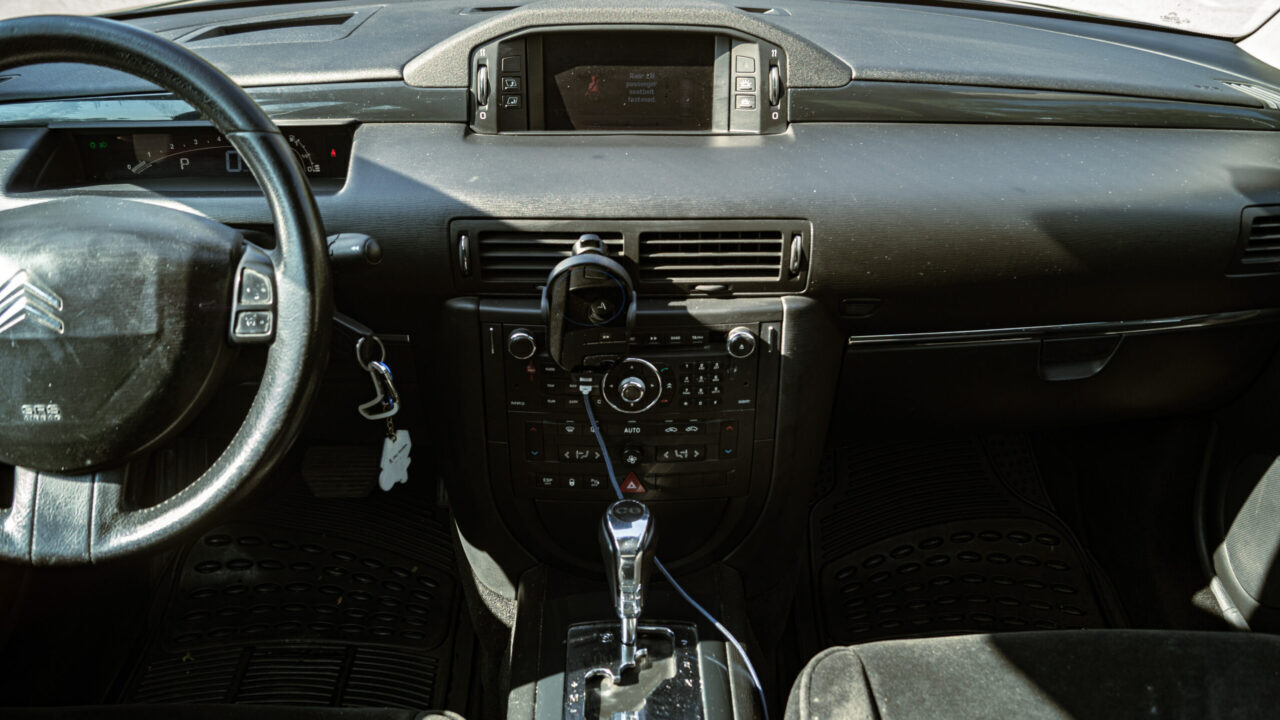
Being the flagship of the Citroën lineup, it was a given that the C6 would get a more special and bespoke interior. A digital dashboard and a heads-up display were drafted in to replace anything that Citroën might have plucked out of the parts bin. There’s a unique steering wheel specific to the C6, though sadly not the one with the fixed hub that would go on to appear in the C4 and C5.
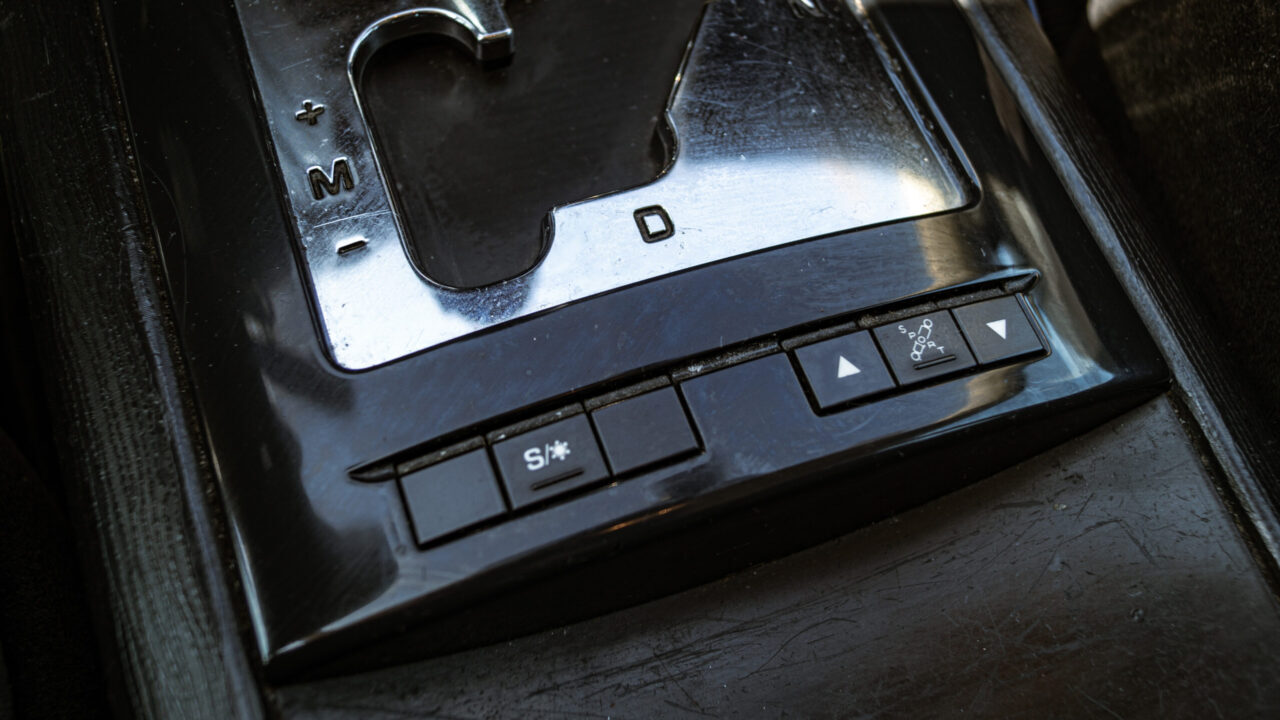
The navigation screen is in the middle of the dash, and all the controls are right in the center. Full leather was available, along with various wood trims, though mine is all black with piano black trim.
Sadly, while the designers did not go through the parts bin for the instruments, they did rummage through the parts bin for the radio and climate controls. No surprise there, as this car is based on the same PF3 platform that underpinned the C5 and the Peugeot 407.
How is the interior holding up after almost 18 years and 142,000 miles? Not all that well. Sure, most of the switchgear still has its labeling, and there are no cracks or tears anywhere, but that’s really about it.
The upholstery on the pillars is bunching up, the glovebox lid literally falls off when you open it, some of the dash controls get stuck under the trim, the cruise control buttons no longer have their labels, and that’s not even mentioning that the cruise control only works whenever it feels like it.
Half of the gauge cluster randomly shuts off while driving, and coincidentally, that’s the part that contains the fuel gauge. Most of the time, I have no idea how much fuel I have left, though it’s probably not a lot. The door hinges are not very good at holding the door open, the ever-so-cool frameless windows leak when I’m at the car wash, the signal stalk autocancels every blue moon… You get it; I can go on about this for quite some time.
Mercifully, the air conditioning works and has always worked. The windows, locks, and mirror controls, along with their power-folding functionality, also work. Honestly, I do love the way the interior looks, but it’s just not holding up all that well.
Why Didn’t The C6 Catch On?
The C6 wasn’t exactly a success, and there aren’t many left on the road nowadays. It was simple: Citroën was trying to sell this car to S-Class and 7 Series buyers. In other words, people who would never take even a passing glance at anything with a Citroën badge. Sure, the car’s heritage and similarities to the amazing DS were there, but for the new generation of luxury car buyers, that simply wasn’t going to cut it.
Today, the C6 is somewhat of a cult car, and it’s firmly on the way to becoming a classic car, with values already going up. Tempted? Well, if you do get yourself a good example, you will have a fantastic luxury car to waft and float around in. Whatever you do, don’t make the same mistake I did and avoid the cheap ones at absolutely all costs. Spend the extra cash, and try to find one with the 3.0-liter gas V6 engine.
Although my view of the Citroën C6, which is otherwise one of my favorite cars the automaker has ever put out, has been skewed, I still love it, and I still think it’s special. Its status as a future classic is absolutely deserved.