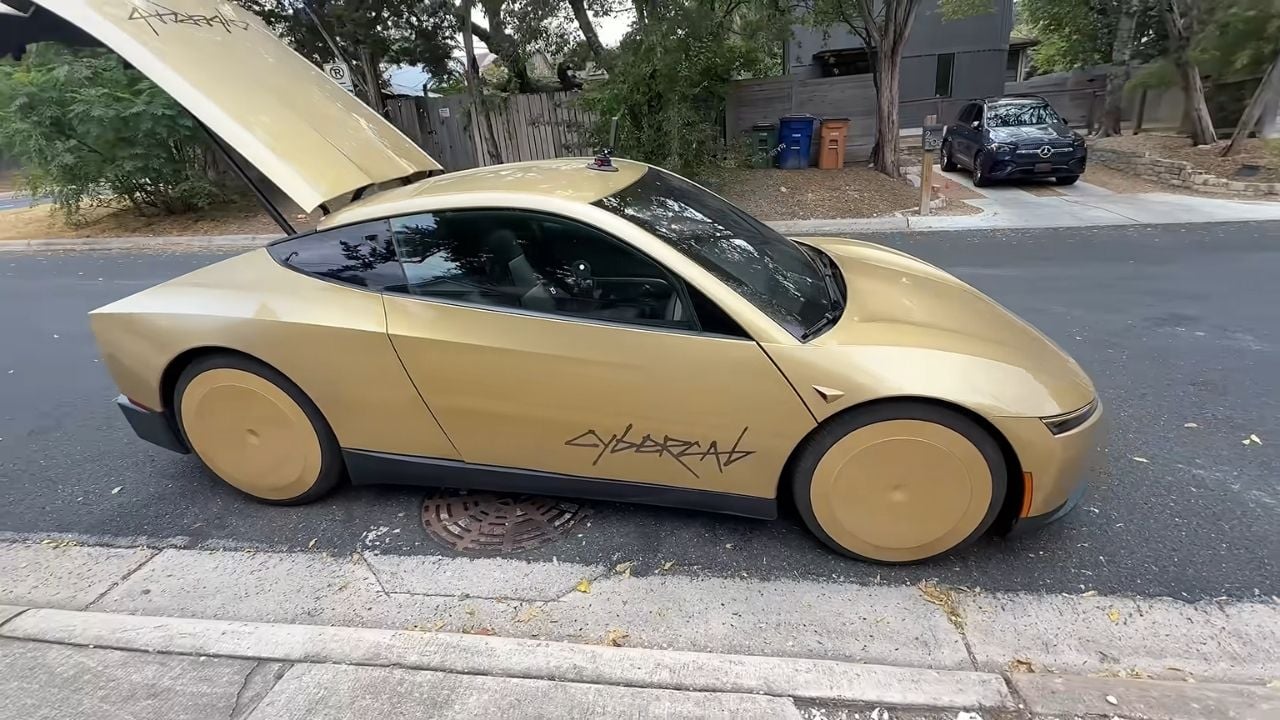
The Tesla Cybercab has recently entered service, most notably in Austin, Texas. It has been around two months since the robotaxi entered public service, but according to the NHTSA, it hasn’t gone entirely smoothly for the new vehicles.
According to the NHTSA, the Tesla Cybercab has been involved in eight accidents since its launch. Four of the accidents took place in driverless “Robotaxi” service, and none of those accidents topped 5mph. The other four took place with a test driver onboard with the driver-assist engaged.
One of these accidents saw a Cybercab hit a car at 53mph while on a highway in Philadelphia. Speed appears to be the biggest limitation of the self-driving system at the time of writing. Tesla, meanwhile, files the crashes under the NHTSA’s Standing Order.
The data is split into two datasets. The first is the ADS (Automated Driving System) file, which covers Level 4 driverless operation and the Robotaxi service. The second is the Level 2 ADAS file, which covers driver-assist systems like Autopilot and “Full Self-Driving” (Supervised).
What Accidents Have the Cybercabs Been Involved In?
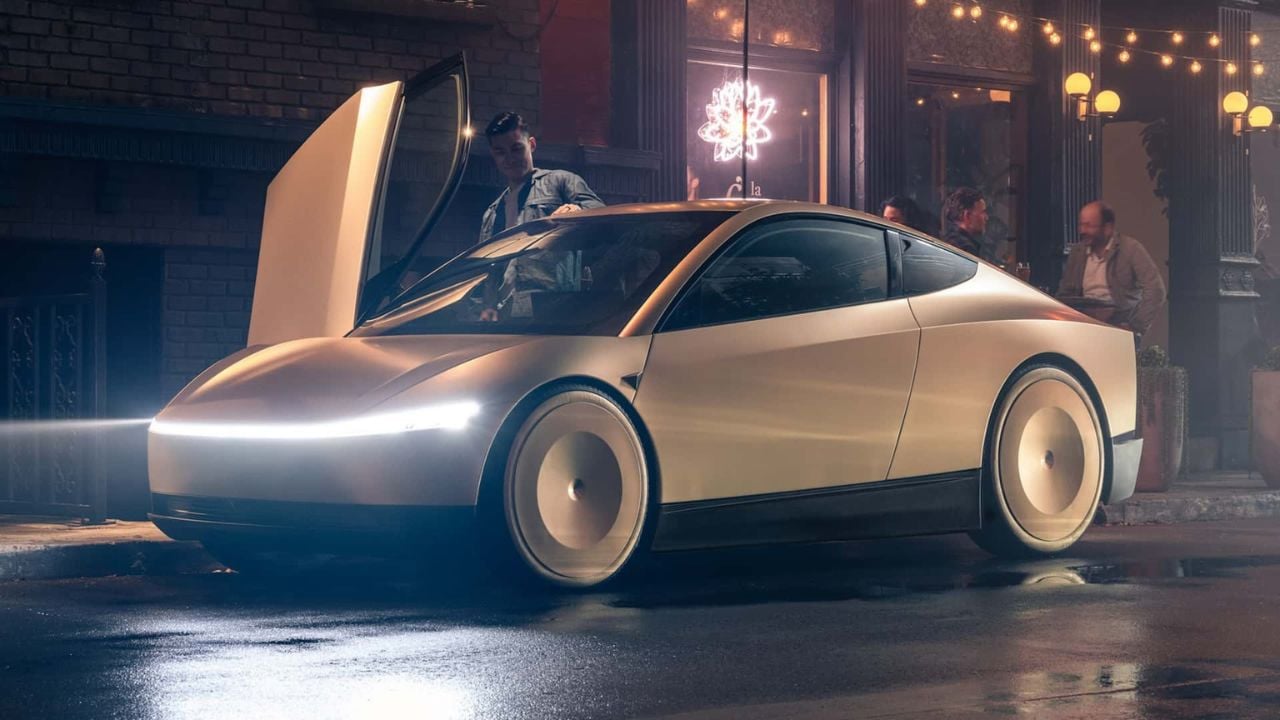
Under the Level 4 ADS accidents, there have been four incidents. In August, a Cybercab drove into a large water-filled pothole in a parking lot at 5mph. In September, a Cybercab stopped at a parking lot exit when a car reversing out of its spot hit the right-hand side of the autonomous taxi.
Also in September, a Cybercab stopped in traffic, and it was then rear-ended by a pickup truck. Another incident took place that month, when one of the Cybercabs drove over a raised concrete edge in a parking lot, across the sidewalk, and down a curb at 3mph with the rider still on board. It must be stressed that two of these accidents were not the vehicle’s fault, and none resulted in any injuries.
Under the Level 2 ADAS file, there were four more accidents, and all of them took place in September. The most serious occurred on a highway when the Cybercab hit a car on the highway at 53mph. Another accident occurred at 5mph, another at 11 mph, and another on a highway when the Cybercab was stopped. These accidents all took place at different locations, ranging from Philadelphia to Austin, to Lehi in Utah, and Tampa in Florida. All of the ADS Level 4 accidents took place in Austin.
Are the Accidents With the Cybercab Serious?

So far, there doesn’t appear to be any major concern about the vehicles’ future. While Tesla doesn’t want to see any accidents, there have been no reported injuries among Cybercab users, and Tesla’s own data supports that. It published its Robotaxi Safety Report on October 21st and claimed that nobody had been injured by a Robotaxi across 3,112,541 driverless miles from January 22nd to October 18th this year.
Including the earlier Robotaxis, the NHTSA data has 43 reports on file showing the highest pre-speed crash was 29mph. This was a driverless Model Y. It seems the taxis’ slow speed is almost to blame for the accidents, with the vehicles currently sticking to lower-speed routes and staying off highways.
While the accidents are unfortunate, they don’t appear to be setting off any alarm bells.