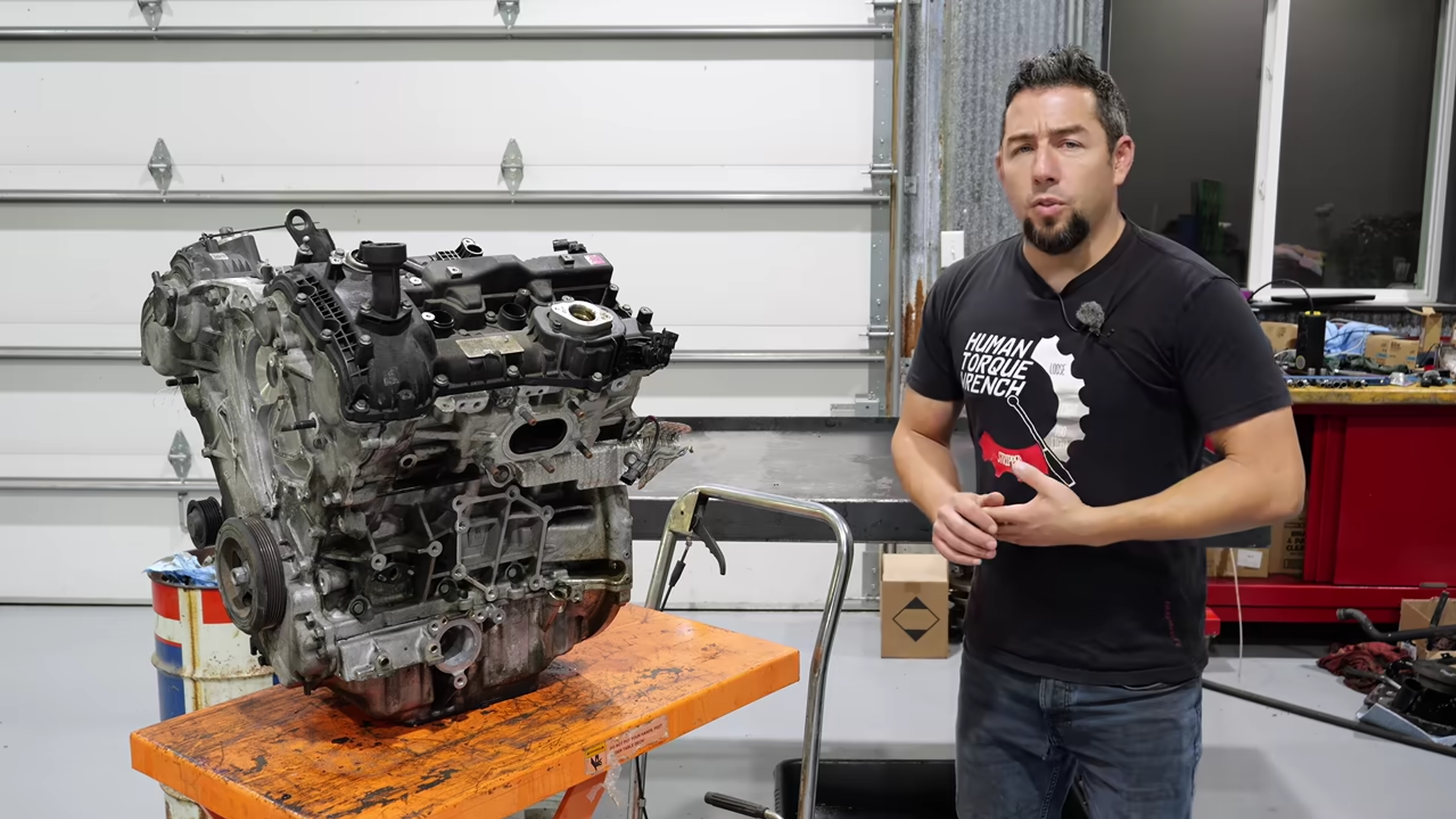
The Kia Stinger GT offered an enticing combination of twin-turbocharged V6 performance and everyday practicality. However, owning a powerful sports sedan also means keeping up with maintenance, particularly when its engine has already covered six figures on the odometer.
A 2019 Stinger’s 3.3-liter V6 recently arrived at a dismantling shop after being replaced at a dealership, reportedly at the owner’s expense. With approximately 100,000 miles behind it, the engine had suffered enough damage to make replacement necessary.
Eric, the mechanic behind the I Do Cars YouTube channel, decided to investigate what had gone wrong. He had previously dismantled several Hyundai and Kia Lambda V6 engines, but this was his first encounter with the twin-turbocharged G6DP variant.
What he discovered was an engine filled with metallic debris, despite several components initially appearing relatively healthy. The worst damage was hiding deep inside the rotating assembly.
An Engine Full of Metallic Glitter
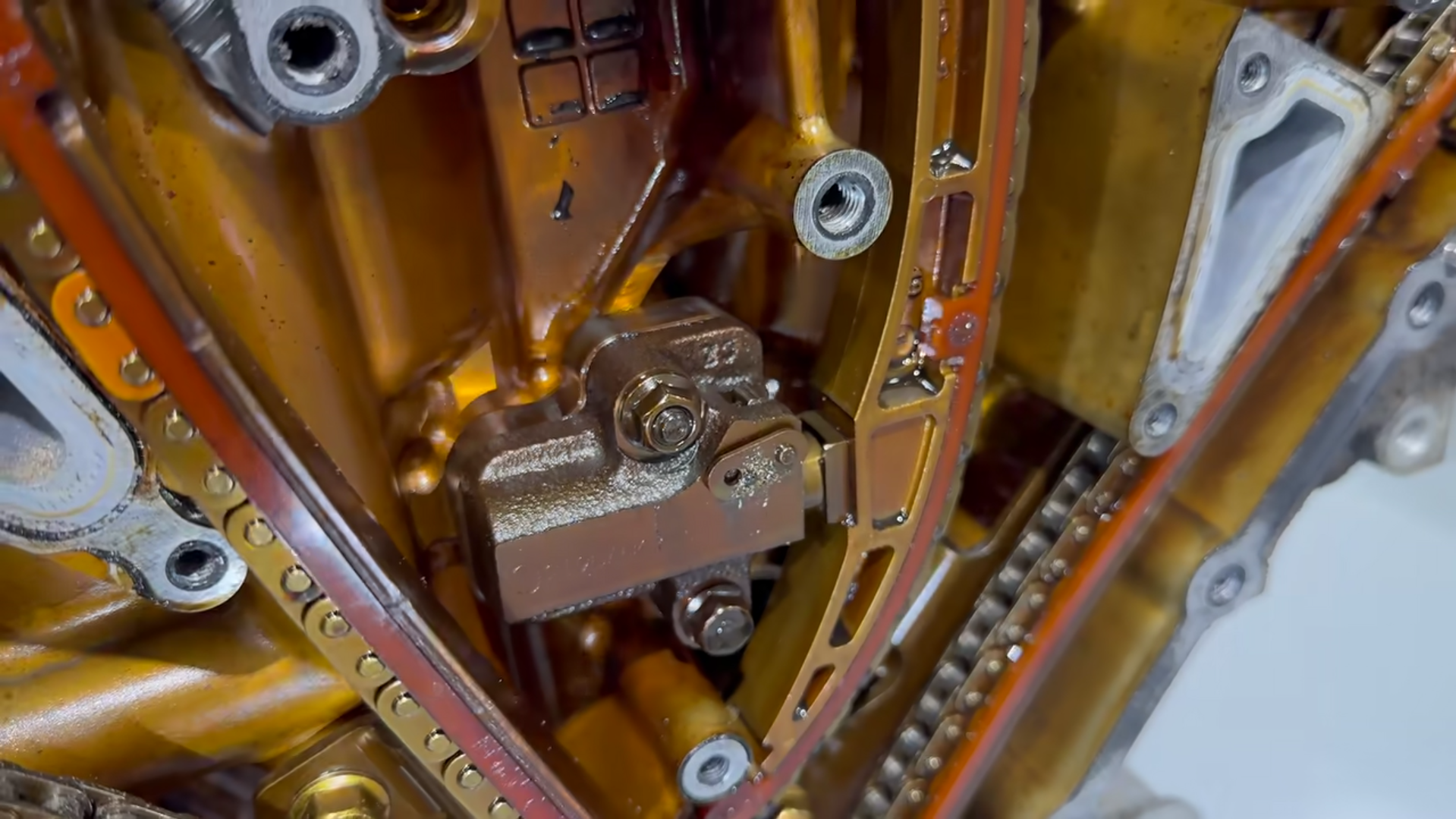
Removing the valve covers revealed oil deposits and fine metallic particles scattered across the cylinder heads. The variable valve timing solenoids contained additional debris, suggesting the contamination had circulated throughout the lubrication system.
The timing components initially looked serviceable, although bearing material was actually emerging from a timing-chain tensioner. Even Eric, who regularly dismantles destroyed engines, found that highly unusual.
Four Spun Bearings and a Ruined Bottom End
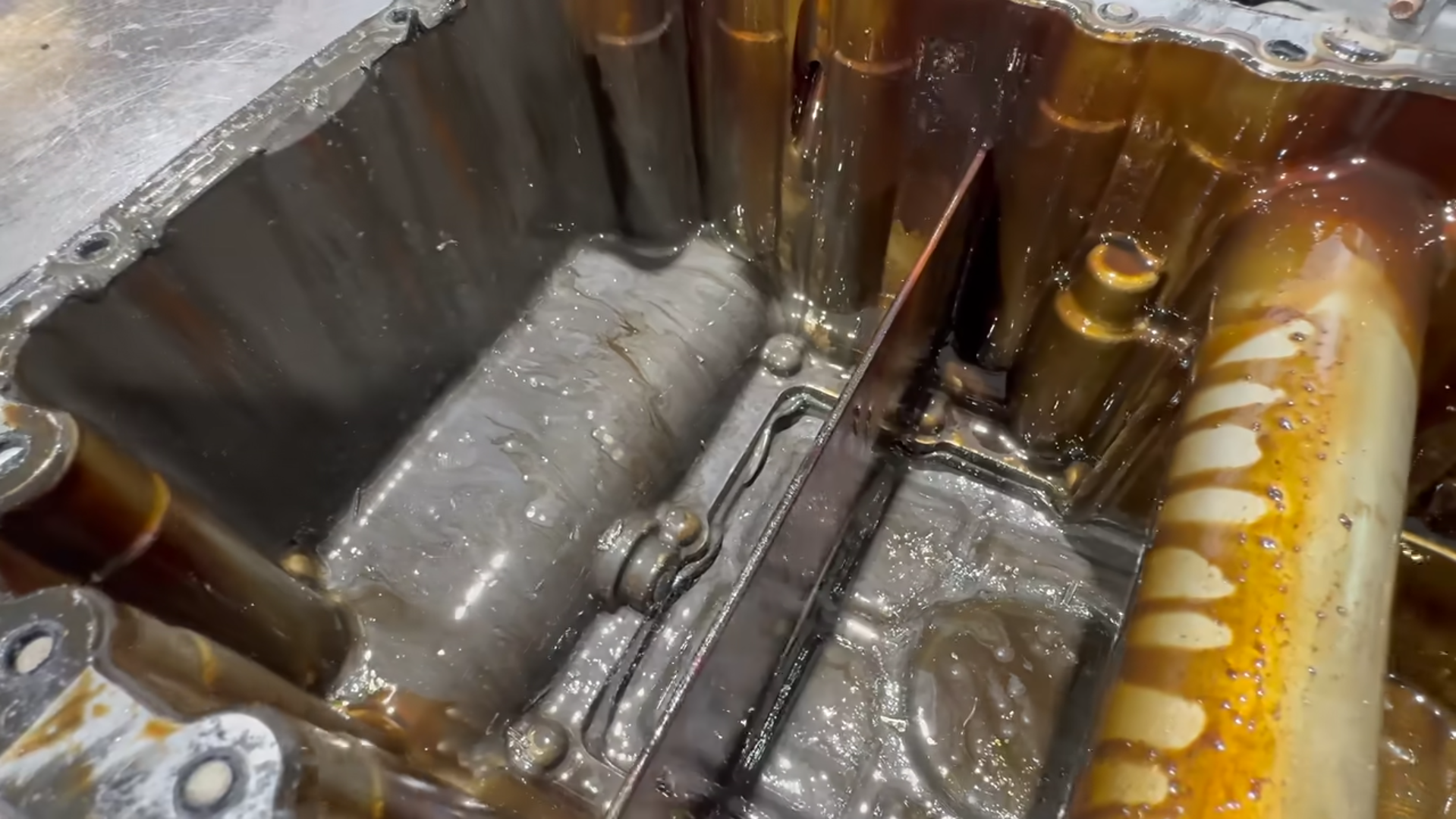
The oil pan contained a thick coating of silver-colored debris, while the oil pump had also ingested substantial amounts of metal. Further disassembly revealed the source: four of the six connecting-rod bearings had spun.
The crankshaft journals showed damage, and several cylinder walls exhibited significant wear. Surprisingly, the engine could still rotate freely despite the extensive destruction inside.
Could Better Maintenance Have Prevented It?
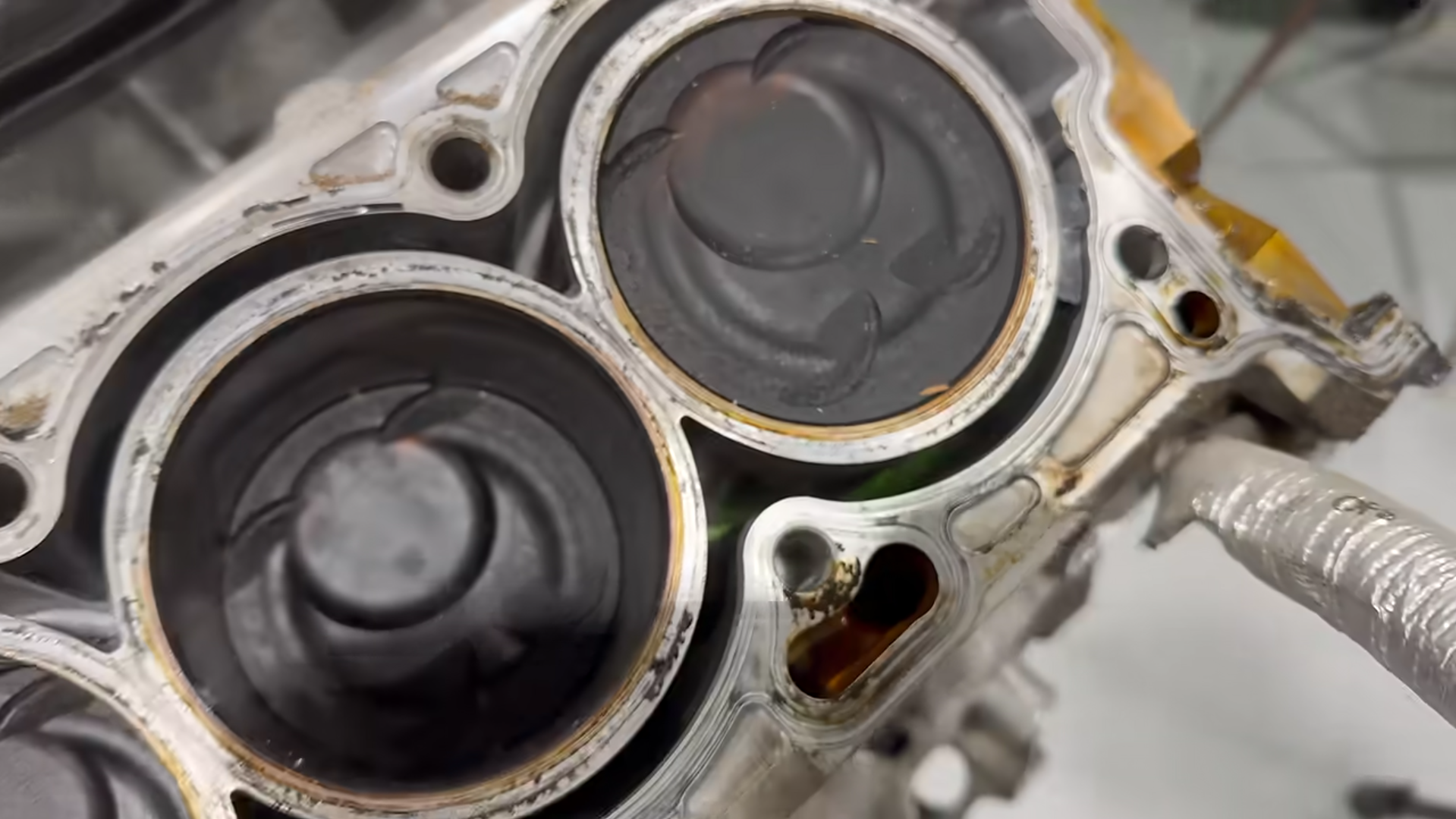
Eric discovered heavily clogged oil-control rings, which may have allowed the engine to burn excessive oil. If the engine was consuming oil without being topped up regularly, repeated low-oil conditions could have contributed to the progressive bearing damage.
He also suspected excessively long oil-change intervals, although the vehicle’s service history was incomplete. Kia’s cited 7,500-mile interval was already longer than Eric would personally recommend; he prefers changing the oil every 5,000 miles on these engines.
The exact cause is unconfirmed, but the financial consequences were substantial. Eric estimates replacement engines can cost $4,000–$6,000 before labor, with all-wheel-drive Stingers requiring particularly involved installation work.
This should act as a reminder to Stinger owners, and car owners in general, to check the oil level regularly and not assume a quiet-running engine is healthy. Once bearings begin deteriorating, adding fresh oil cannot undo the damage already done.