Hydrogen-powered cars once looked like a promising alternative to conventional electric vehicles, offering quiet, electric-powered driving without lengthy charging stops. Yet despite years of development, they’ve struggled to find their place on public roads.
Hyundai is among the manufacturers that haven’t abandoned the technology, even as battery-electric vehicles attract most of the industry’s attention. The South Korean automaker believes fuel cells still have a future in passenger cars, although it admits that developing the technology is only part of the battle.
Speaking to CarExpert, Scott Nargar, Hyundai Australia’s Senior Manager of Future Mobility and Government Relations, insisted that hydrogen isn’t dead for passenger vehicles. His explanation of the biggest obstacle was refreshingly straightforward: “The biggest thing is you’ve got to find customers.”
Hyundai is currently evaluating another hydrogen-powered passenger vehicle for Australia, but there’s no confirmed launch announcement. Whether that vehicle is the latest Nexo crossover or something else is not clear.
Hyundai Hasn’t Given Up on the Nexo
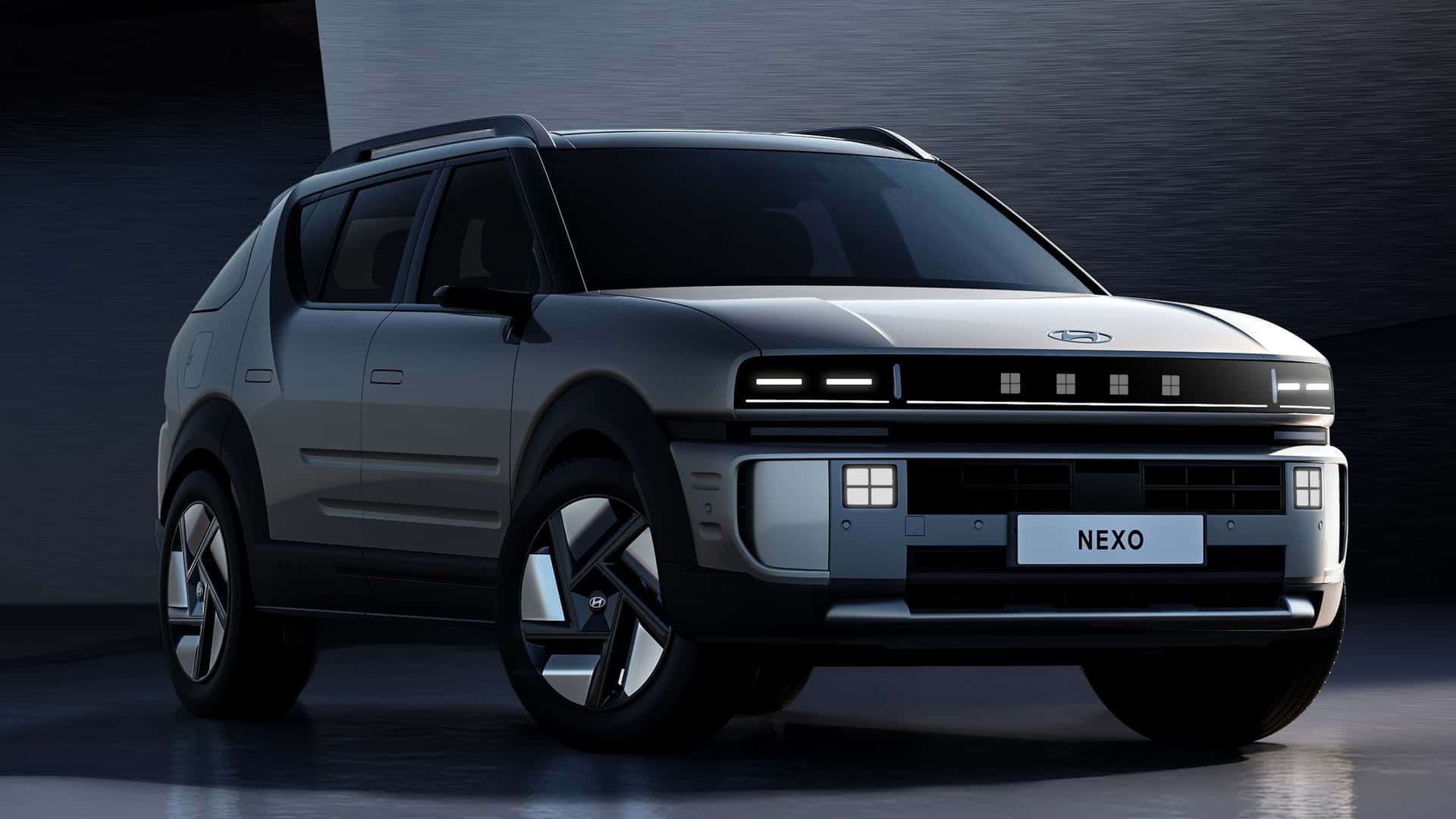
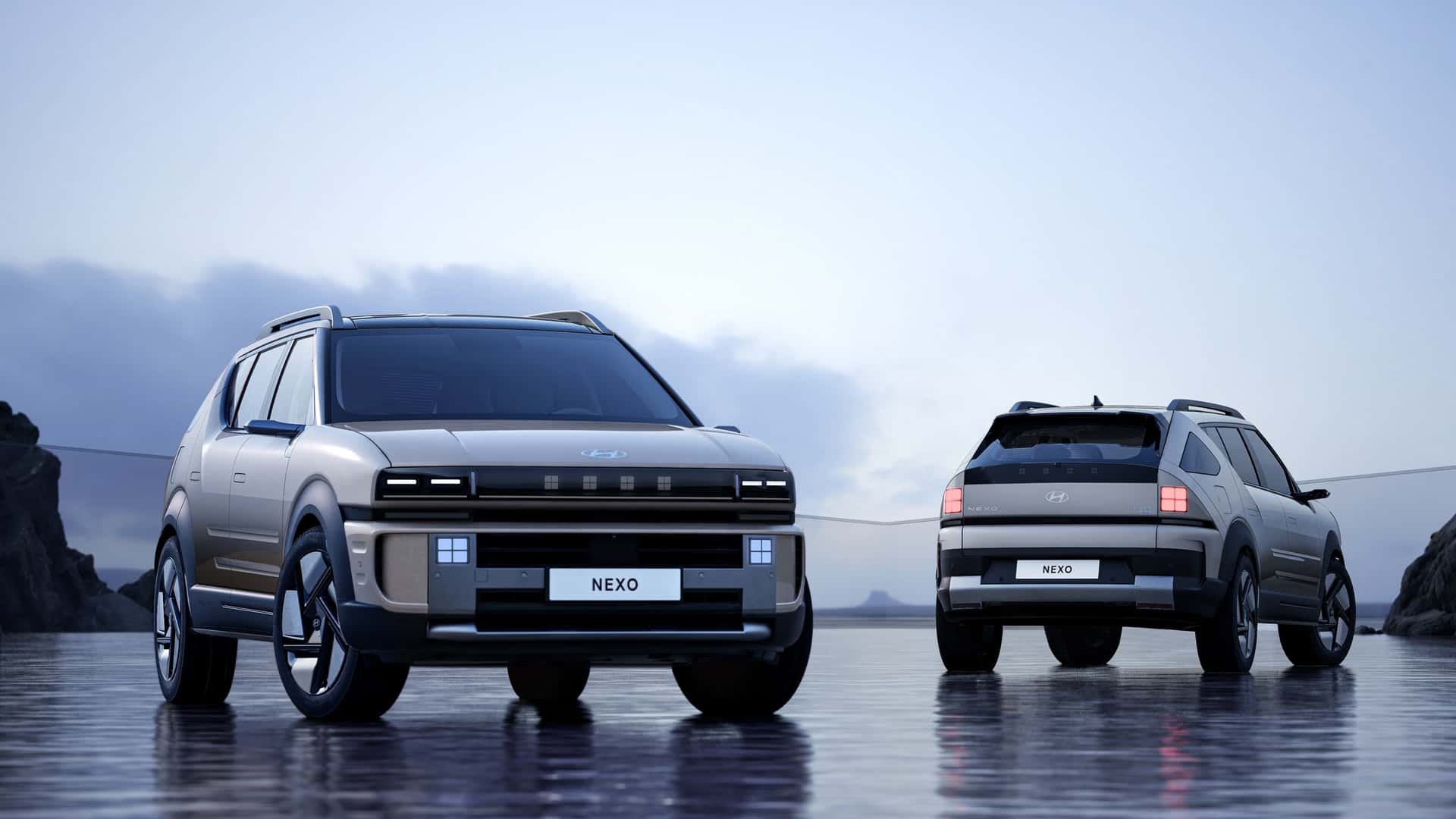
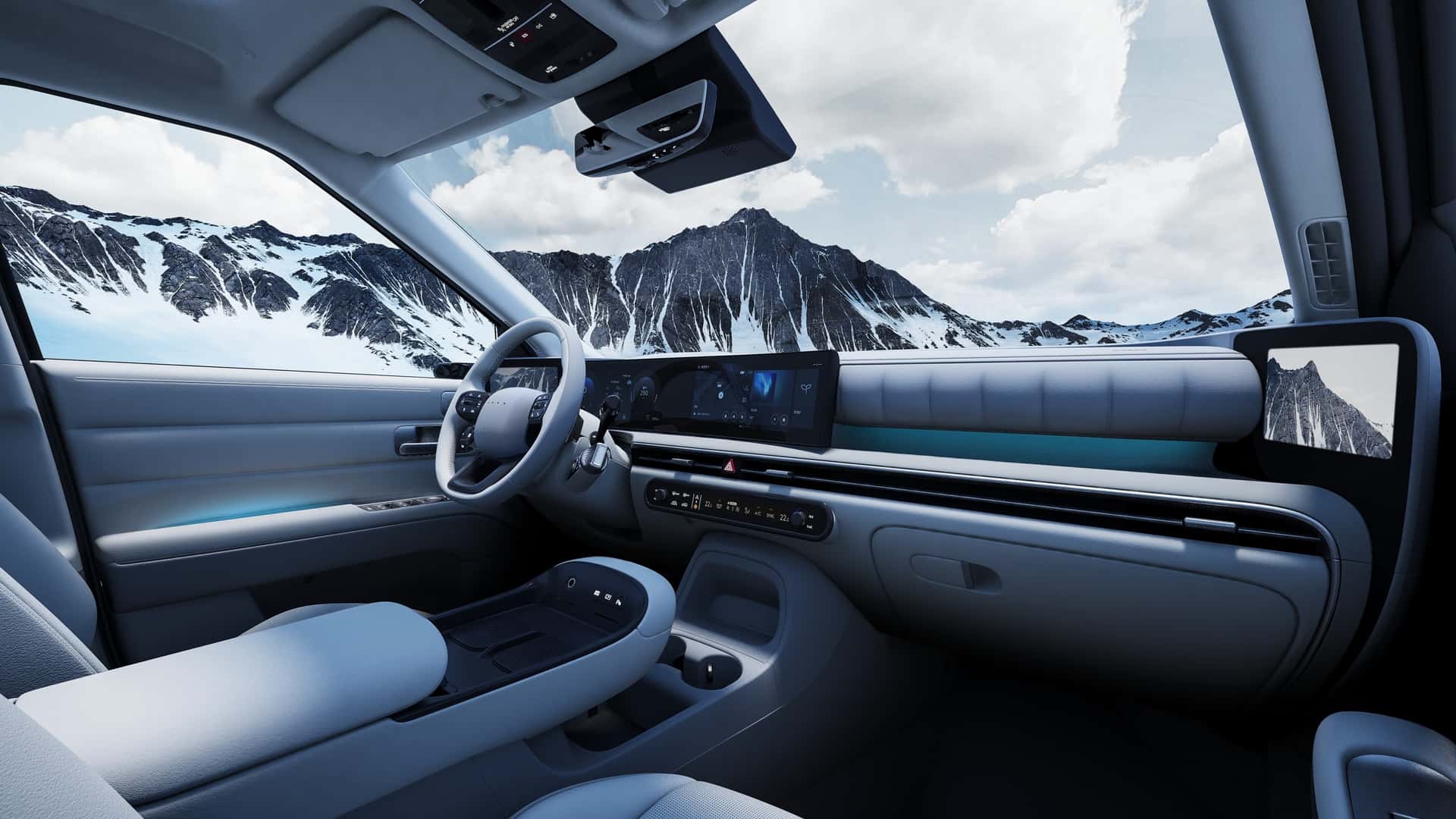
The second-generation Hyundai Nexo demonstrates how far the technology has progressed, combining a 110-kW electric motor with a hydrogen fuel-cell system and a small battery. Its claimed driving range is approximately 435 miles, with refueling taking minutes rather than requiring a lengthy charging session.
CarExpert previously reported that the Nexo received Australian regulatory certification in 2025, with Hyundai indicating at the time that a local launch was planned for 2026. However, the model has yet to arrive, and Hyundai hasn’t confirmed whether it’s the vehicle currently under consideration.
Hydrogen’s Biggest Problem Isn’t the Driving Experience
Fuel-cell vehicles drive using electric motors, with hydrogen converted into electricity onboard and water emitted at the tailpipe. The difficulty comes when owners need somewhere to refuel, since hydrogen stations are scarce and expensive to establish.
Cost is another obstacle, with Nargar acknowledging that hydrogen technology is pricier than battery-electric alternatives. Hyundai and Toyota have previously supported Australian hydrogen infrastructure and supplied vehicles to fleets, including Queensland Police.
Not Every Automaker Shares Hyundai’s Optimism
Toyota continues developing hydrogen technology through the Mirai, while BMW is working toward a future production fuel-cell SUV. Both see hydrogen as another option alongside battery-electric powertrains rather than a direct replacement.
Others have retreated, with Stellantis abandoning its hydrogen commercial-vehicle program in 2025 and General Motors discontinuing next-generation fuel-cell development. Those decisions illustrate the difficulty of making the technology commercially viable without a substantial refueling network.
Can Hyundai Find a Reason for Buyers to Switch?
Nargar believes Australia has the natural resources to support hydrogen production, particularly through renewable energy. However, turning that potential into a practical transport network would require investment in infrastructure as well as vehicles.
Hyundai can already build a hydrogen car with useful range and familiar electric-motor performance. The harder sell is convincing someone to buy a car when the nearest place to fill its tank might be hundreds of miles away.