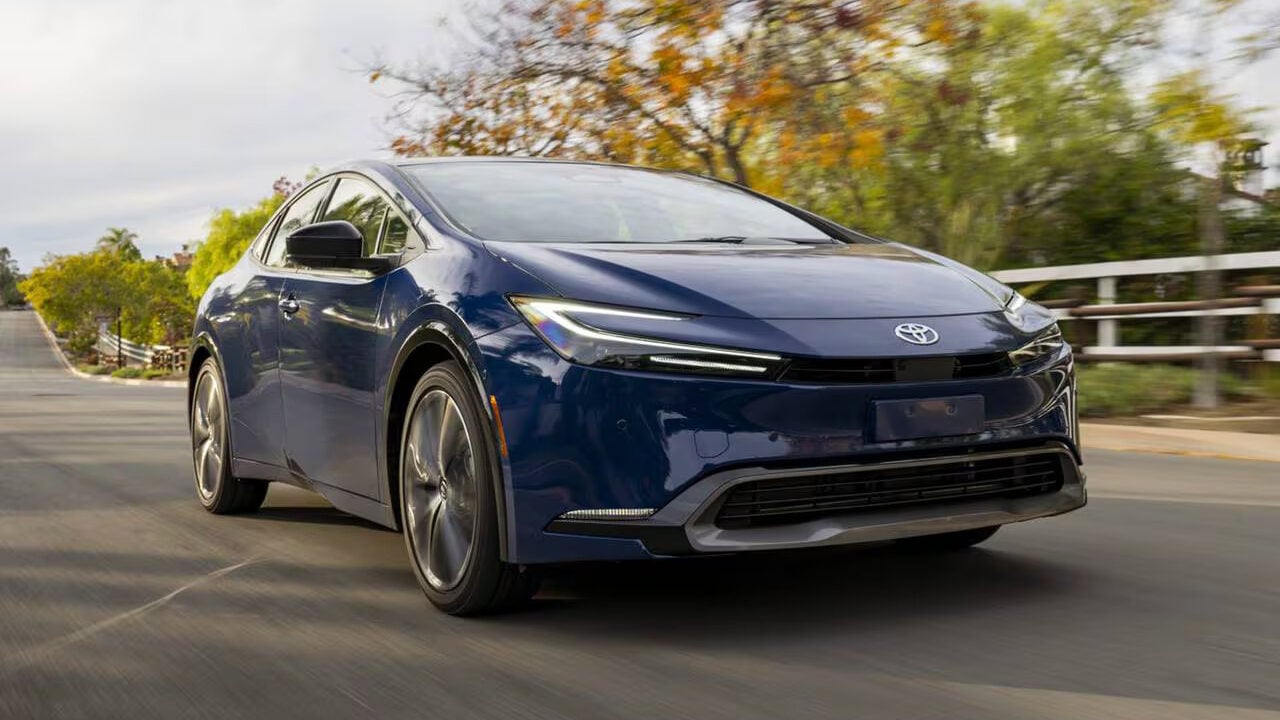
Japanese automakers have enjoyed tremendous success in China over the years, but things are now looking increasingly difficult. Toyota, Honda, Nissan, and Mazda are all facing pressure as the world’s largest automotive market undergoes a dramatic transformation.
According to figures reported by Nikkei Asia, the four manufacturers collectively produced just over one million vehicles in China between April and September 2026. That’s a staggering 63% decline compared with the same period in 2020, when production reached approximately 2.8 million vehicles.
The figures also represent the lowest production levels for that six-month period since 2008. It’s a worrying development for brands that once relied heavily on Chinese buyers to drive their global sales.
Much of the trouble stems from China’s rapid transition toward electric and plug-in hybrid vehicles, where domestic manufacturers have established a strong presence. Japanese brands, meanwhile, remain heavily dependent on traditional gasoline-powered models.
Honda And Nissan Are Taking The Biggest Hits
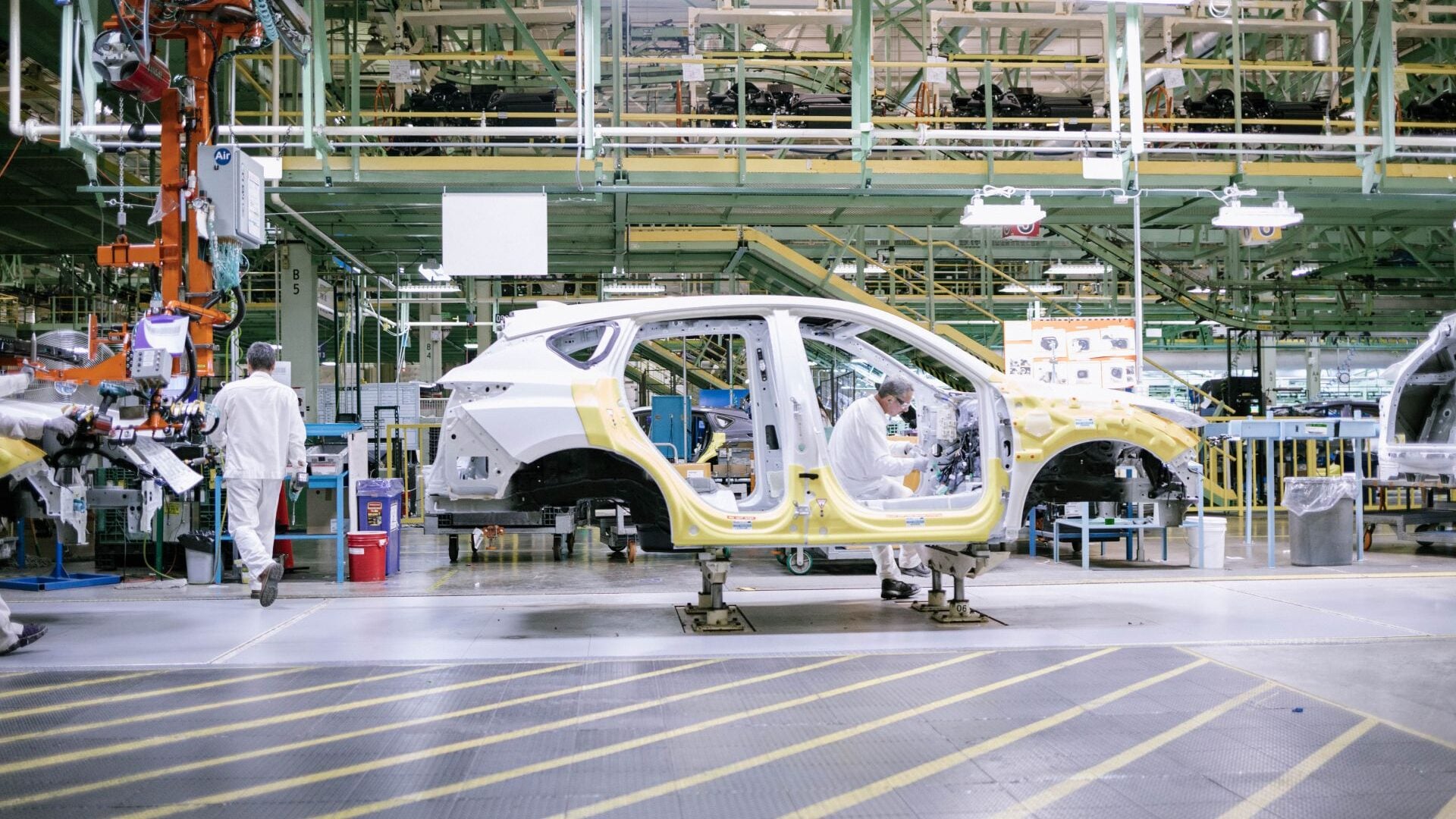
Honda has suffered particularly badly, with Chinese production falling 60% year over year to just 131,716 vehicles. That’s roughly 90% below its 2020 peak, which goes to show how dramatically its position has weakened.
Nissan isn’t faring much better, with production dropping 49% to 163,192 vehicles during the same six-month period. Toyota is still the largest Japanese producer in China, building 663,079 vehicles, although its output declined 18% year over year.
Mazda was the exception, recording a 43% annual production increase. However, its output is still 52% below 2020 levels, indicating how much ground the company still needs to recover.
China’s Changing Market Is Creating Problems
Chinese manufacturers have become increasingly competitive, particularly in electric vehicles, software, and advanced in-car technology. Meanwhile, sales of conventional gasoline-powered vehicles reportedly fell 30% during the first nine months of 2026.
Honda’s struggles illustrate the challenge, with the automaker selling just 2,991 EVs in China between April and September. It has also delayed a planned flagship electric model amid concerns about competitiveness.
The general Chinese automotive market is also facing pressure, with economic uncertainty and changes to electrified-vehicle incentives complicating the outlook for automakers.
Leaving China Isn’t A Simple Option
Despite the setbacks, China remains too important for Japanese automakers to abandon easily. It accounted for approximately 17% of Toyota’s global sales last fiscal year, alongside 18% for Honda and 21% for Nissan.
Manufacturers are exploring additional exports from their Chinese factories to keep production lines operating. Nissan’s Frontier Pro plug-in hybrid pickup and Mazda’s electric vehicles are among the models being targeted at overseas markets.
The days of simply selling familiar models in enormous numbers appear to be fading in China. If Japanese automakers want to remain competitive, they’ll need to adapt to local buyers who now have plenty of compelling domestic alternatives.