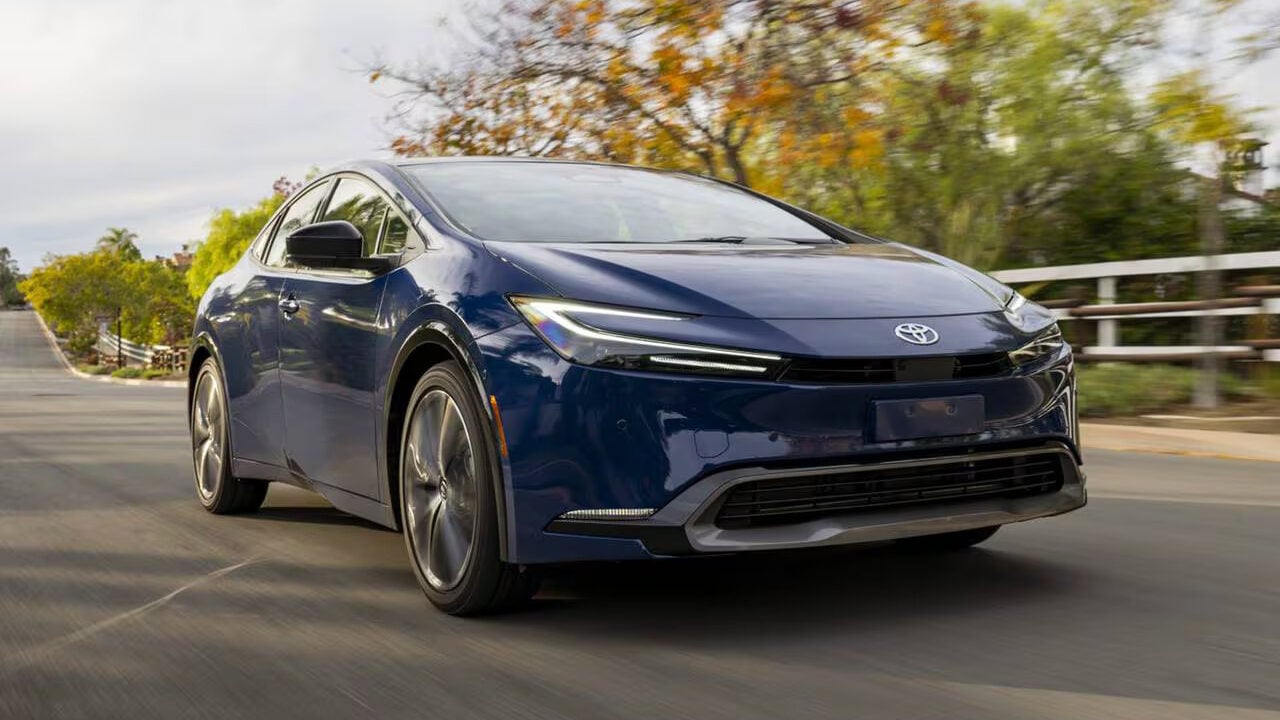
Toyota has spent decades refining its hybrid technology, and its next generation could deliver another substantial leap in fuel efficiency. The Japanese automaker is developing an entirely new hybrid powertrain targeting fuel economy improvements of over 15 percent.
At the heart of the system is a new 1.5-liter four-cylinder engine, available in naturally aspirated and turbocharged configurations. Unlike existing engines adapted for hybrid applications, the new unit has been designed specifically for electrification from the beginning.
Toyota is also developing lighter electric motors, smaller power control units, and more compact inverters. The redesigned components will take up less space, making the entire hybrid system easier to package in future vehicles.
The technology is being developed alongside an entirely new vehicle architecture that will support hybrids, plug-in hybrids, and fully electric models. It’s an ambitious project that could change how Toyota designs and manufactures its next generation of cars.
A Smaller Engine With Bigger Ambitions
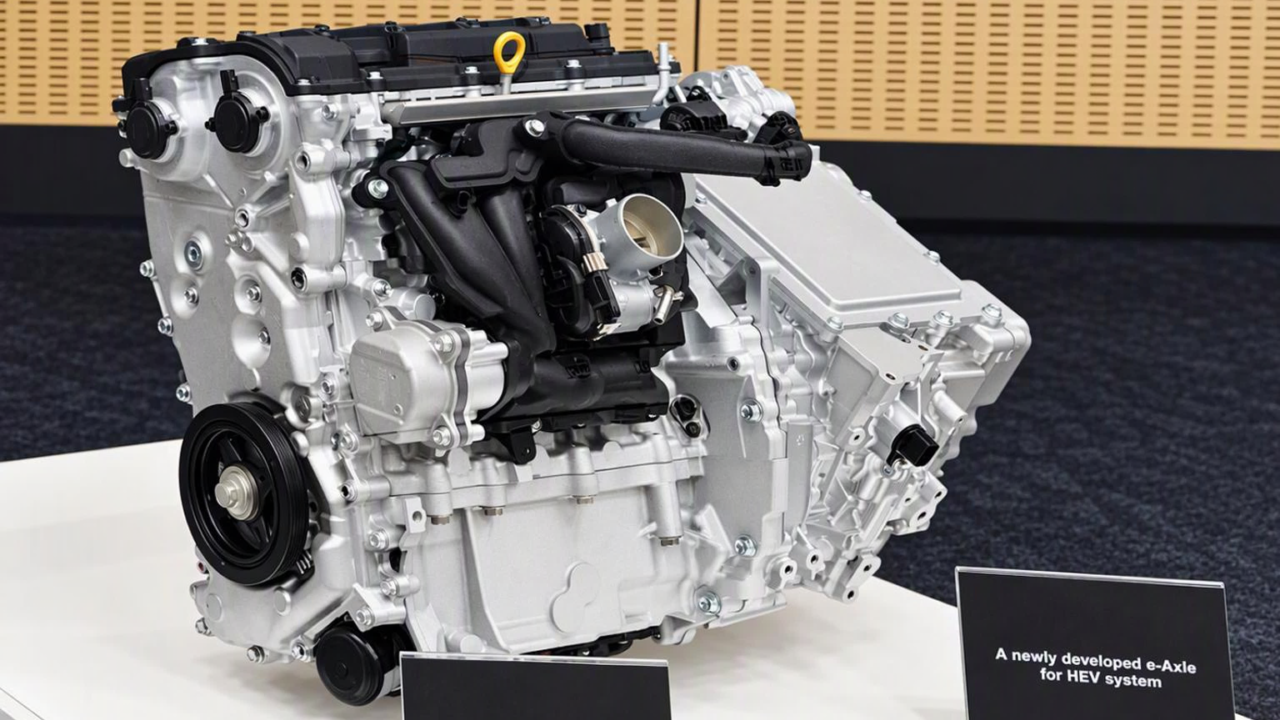
The naturally aspirated 1.5-liter four-cylinder is intended to cover the performance range currently served by Toyota’s 1.8-liter hybrid engine and 1.5-liter three-cylinder hybrid setup. A turbocharged version is also planned, although horsepower figures haven’t been announced.
Toyota expects the efficiency gains to come from reduced mechanical friction, improved thermal management, and lower electrical losses. Developing the combustion engine and electrical components together allows engineers to optimize the entire system rather than treating them as separate technologies.
The company hasn’t revealed which production models will receive the new powertrain or when it will become available. For now, the fuel economy improvement is a development target, not a verified production figure.
One Platform For Hybrids And EVs
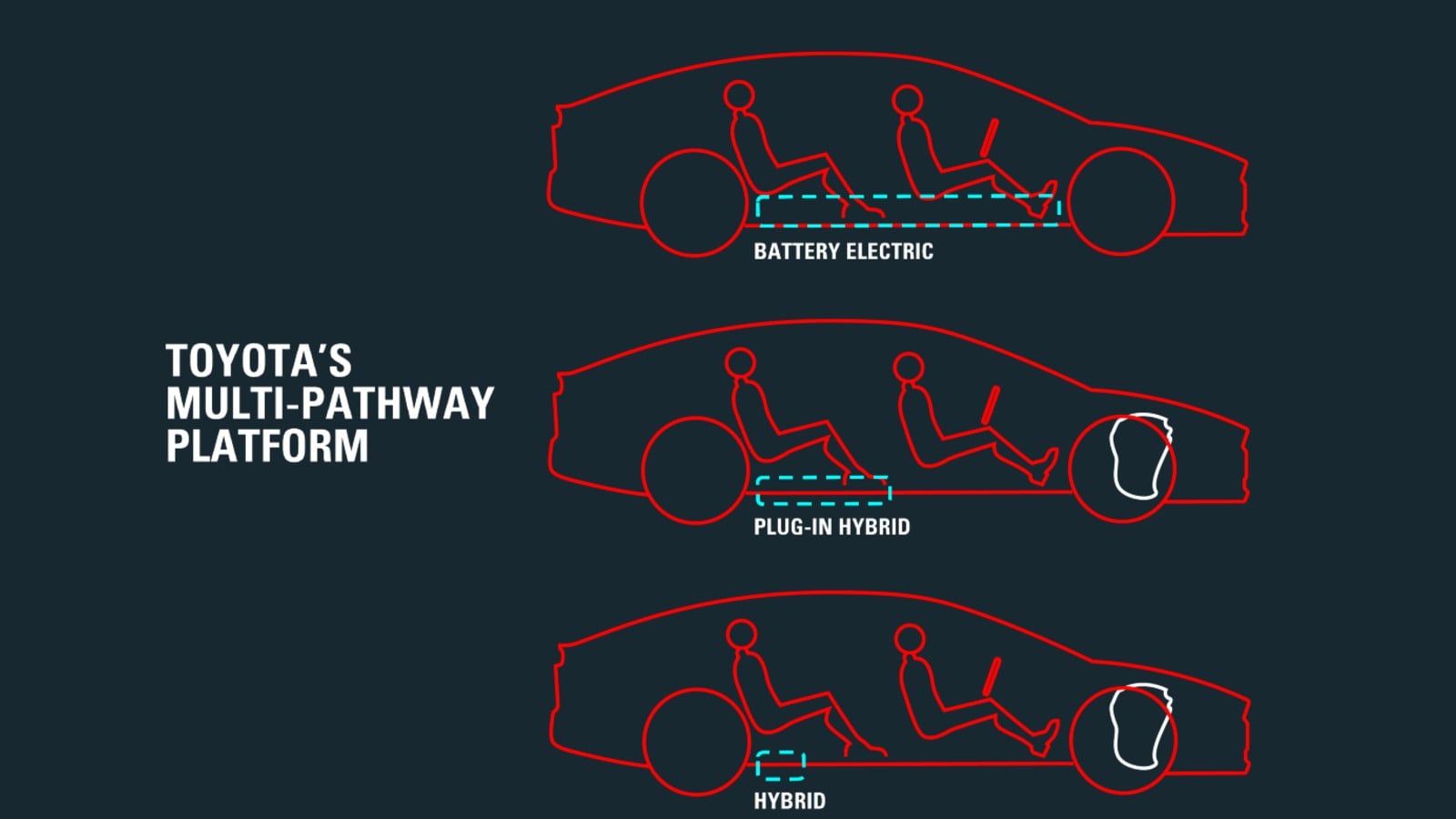
Toyota calls its new architecture the multi-pathway platform, and its biggest advantage is flexibility. The same basic structure will accommodate different electrified powertrains without requiring completely separate vehicle designs.
The smaller hybrid system also gives designers greater freedom to create lower hood lines and sleeker bodywork. That could improve aerodynamics while preserving interior space and giving future Toyota models sleeker proportions.
Manufacturing flexibility is another benefit. Toyota says the shared architecture should allow factories to adjust production between hybrids, plug-in hybrids, and EVs depending on customer demand.
Toyota Isn’t Giving Up On Combustion Engines
The new powertrain reinforces Toyota’s commitment to developing combustion engines alongside fully electric vehicles. The company is also working to make the system compatible with renewable and carbon-neutral fuels.
Interestingly, Toyota plans to increase external sales of its new engine and hybrid technologies in the coming years. That could eventually make the technology available to other manufacturers, although no specific customers have been announced.
Car enthusiasts will surely love the idea of better fuel economy without giving up the convenience of a gasoline engine. Now Toyota just needs to turn its ambitious target into something customers can actually buy.