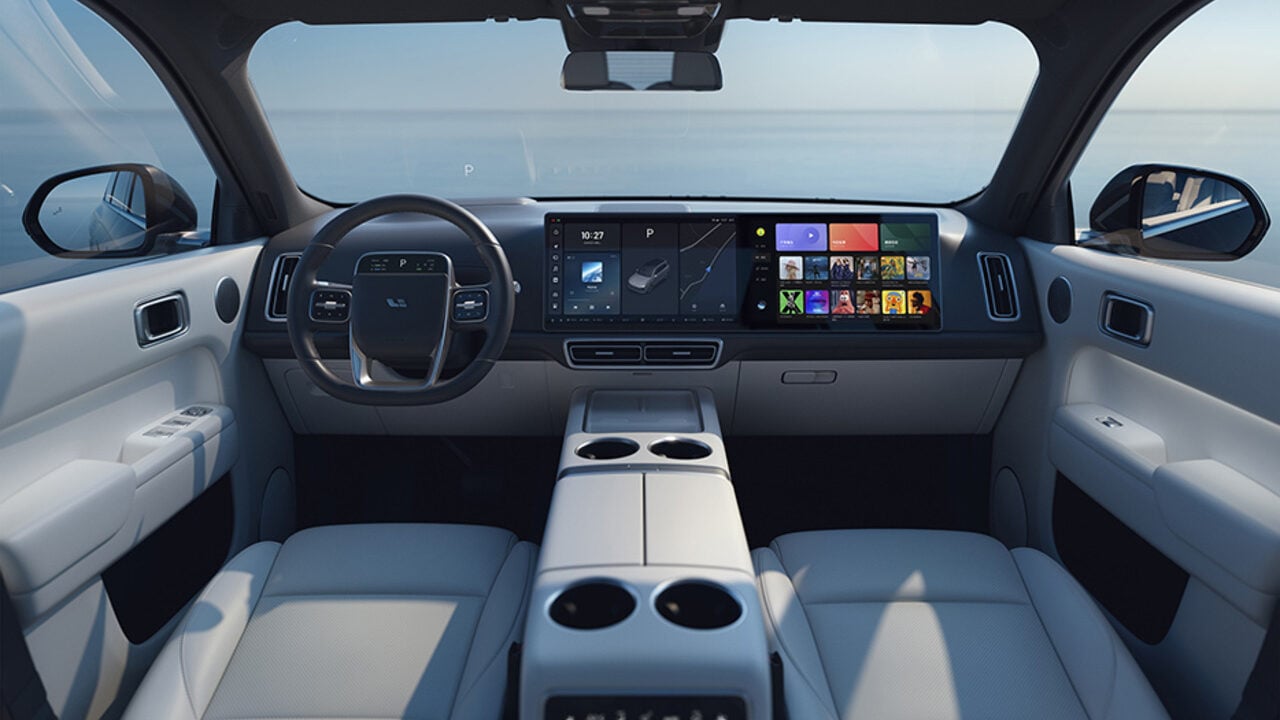
Modern car interiors have become increasingly dominated by enormous touchscreens, with traditional buttons and switches disappearing from dashboards. Chinese automakers have been very enthusiastic about this trend, but regulators are beginning to question whether all that technology is actually safe.
China is now proposing tougher vehicle design rules that could drastically change how manufacturers approach everything from infotainment systems to door handles. Some of the industry’s more questionable innovations could soon face serious restrictions.
According to CnEVPost, China’s Ministry of Industry and Information Technology (MIIT) has published draft regulations targeting potentially distracting or unsafe vehicle features. The proposals include restrictions on oversized displays, a prohibition on folding screens, and tighter requirements for essential vehicle controls.
The move follows China’s decision to ban fully concealed door handles, indicating growing concerns that certain design trends are prioritizing appearance and convenience over occupant safety.
Big Screens Are Under The Microscope
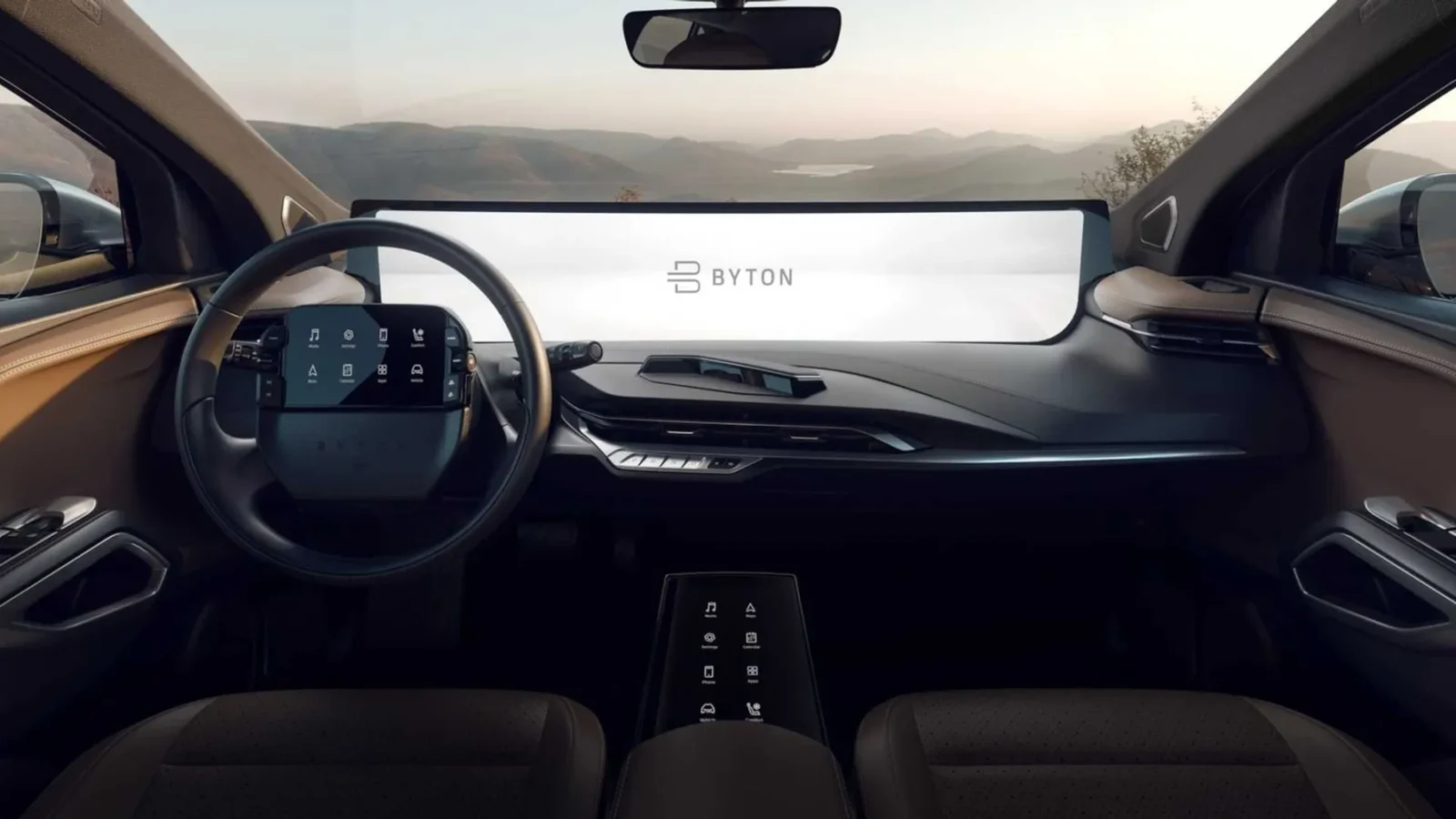
Under the proposed rules, large central infotainment screens and complex head-up displays would face additional safety assessments. Regulators want manufacturers to demonstrate that these systems won’t compromise driver attention, crash protection, or reliability under extreme conditions.
Foldable and flexible displays would be prohibited outright, although conventional large screens aren’t facing a blanket ban. Instead, manufacturers would need to prove their designs meet the necessary safety requirements.
The proposals also call for physical controls for essential functions, including headlights, windshield wipers, defrosting, and defogging. Touchscreen controls could remain, but they wouldn’t be the only way to operate these features.
Door Handles And Reclining Seats Face Restrictions
China has already approved mandatory requirements for mechanical interior and exterior door handles, effectively ruling out fully concealed designs that lack the required physical access.
The latest proposals would strengthen testing requirements and require soft-close doors to offer protection against trapped fingers and manual operation during electrical failures.
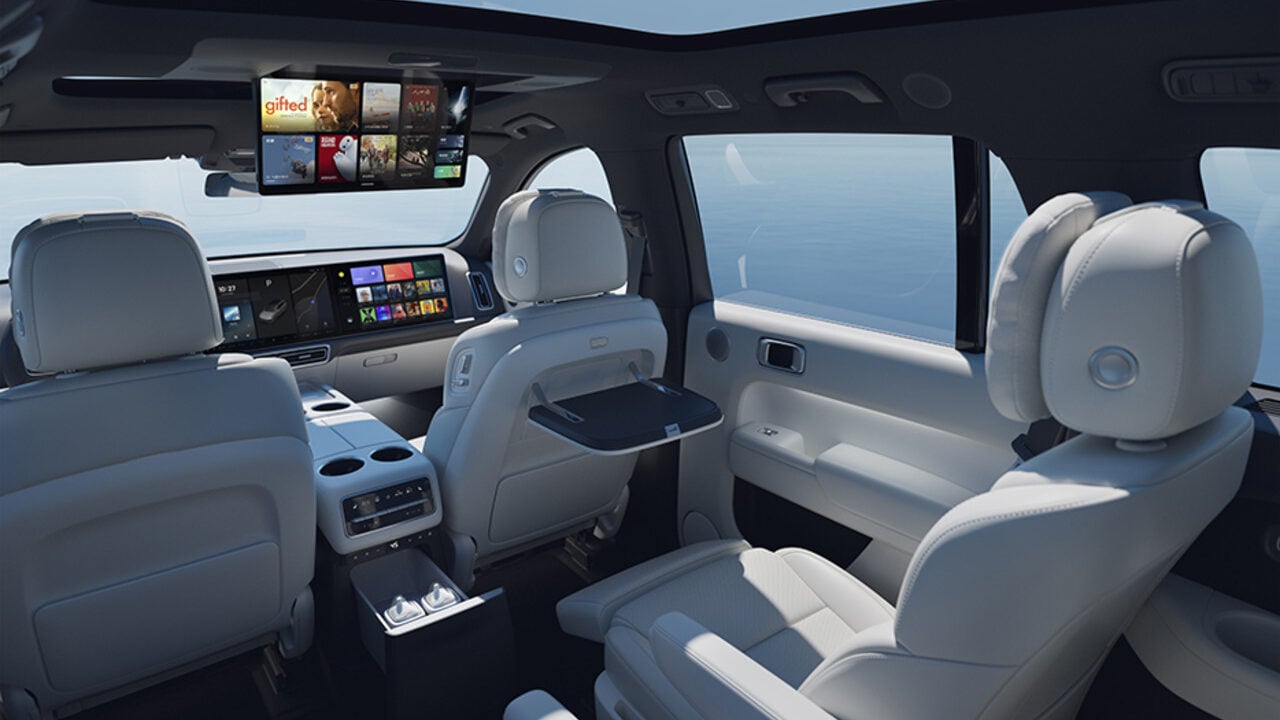
Meanwhile, automakers would have to prevent passengers from using certain features, including heavily reclining zero-gravity seats, swiveling seats, and seat-to-bed configurations, while vehicles are moving.
The draft also targets voice-operated safety functions, restricting passengers from directly controlling certain critical systems while the car is in motion.
Automakers Could Face Tougher Approval Tests
The proposed rules extend beyond interior design, introducing additional validation requirements for new vehicle technologies. Passenger cars would need at least 30,000 kilometers of reliability testing, alongside extensive environmental assessments.
Manufacturers would also face stricter scrutiny of driver-assistance systems, software updates, and safety-related marketing claims.
Under the proposal, new models featuring innovative designs would face additional approval requirements starting January 1, 2027, while certain previously approved models would need to submit supplementary documentation by July 1, 2027.
For drivers frustrated by touchscreen-heavy interiors, China’s approach could be welcome news. Giant displays aren’t necessarily disappearing, but the days of burying every important function inside a touchscreen menu may be numbered.