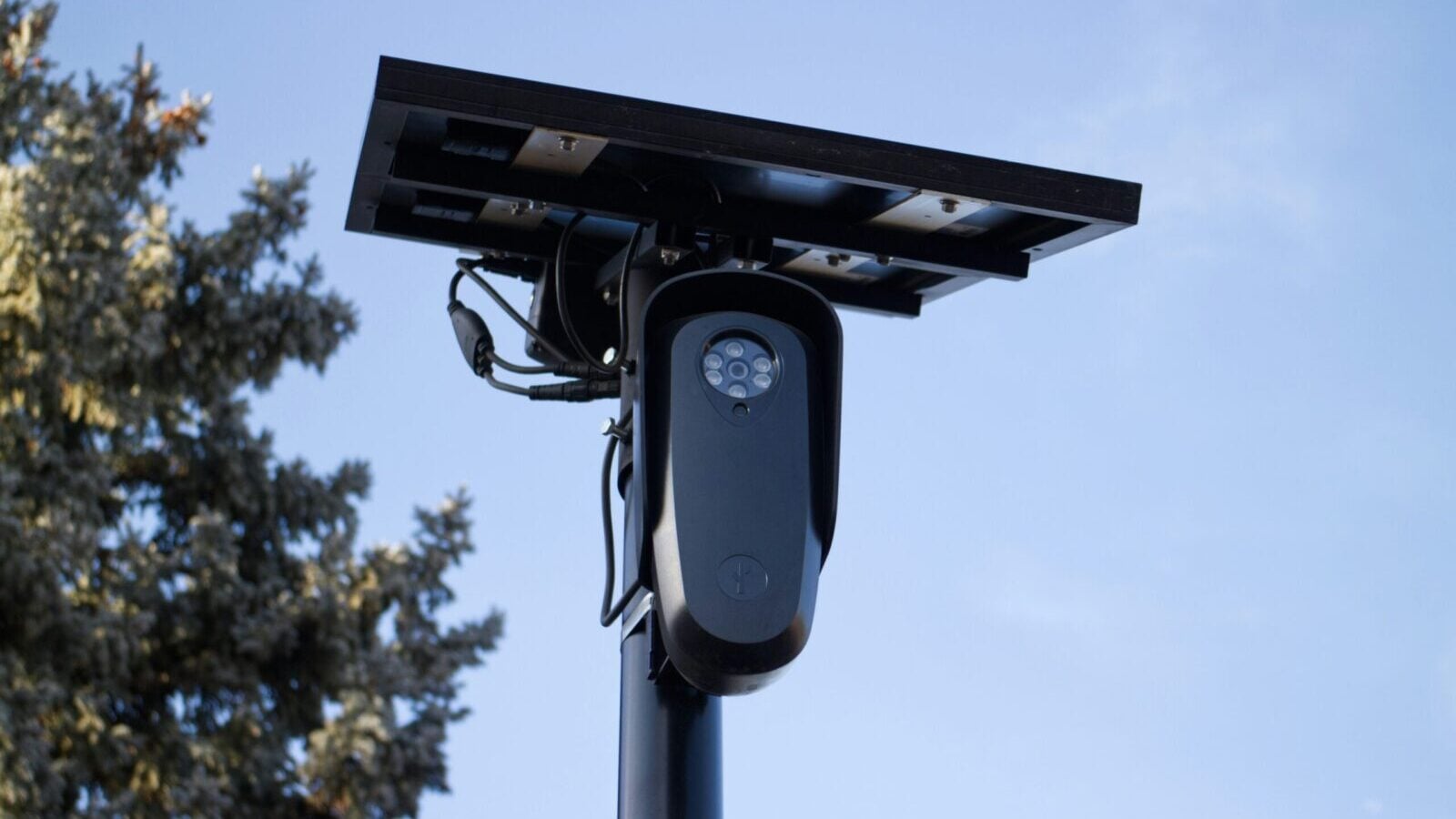
Fairfield, Connecticut, has officially removed every Flock Safety license plate reader from its streets. That might sound like a victory for drivers concerned about surveillance, but there’s a catch: the town has replaced them with 54 cameras from a different company.
The new devices come from Axon, another supplier of automated license plate recognition (ALPR) technology. Although Fairfield has ended its relationship with Flock, police are still collecting vehicle information to help investigate crimes.
Flock’s cameras have attracted plenty of criticism over privacy concerns and the potential misuse of vehicle tracking data. Fairfield’s decision to switch providers, however, doesn’t mean the town is abandoning roadside surveillance.
Police Chief Michael Paris says the new system comes with strict safeguards designed to prevent unauthorized access. Whether those measures will satisfy residents worried about their movements being recorded is another question.
Flock Is Gone, But The Cameras Aren’t
According to CT Insider, Fairfield completed the removal of its Flock equipment on October 5, 2026. Paris said he had wanted to switch to Axon since becoming police chief last year.
The town now operates 54 Axon license plate readers, positioned near schools, areas associated with criminal activity, and routes frequently used by suspects entering or leaving Fairfield.
Residents might notice what appears to be an increase in surveillance equipment. Paris explained that Axon uses separate poles for individual cameras, whereas Flock could mount two cameras on a single pole.
What Happens To The License Plate Data?
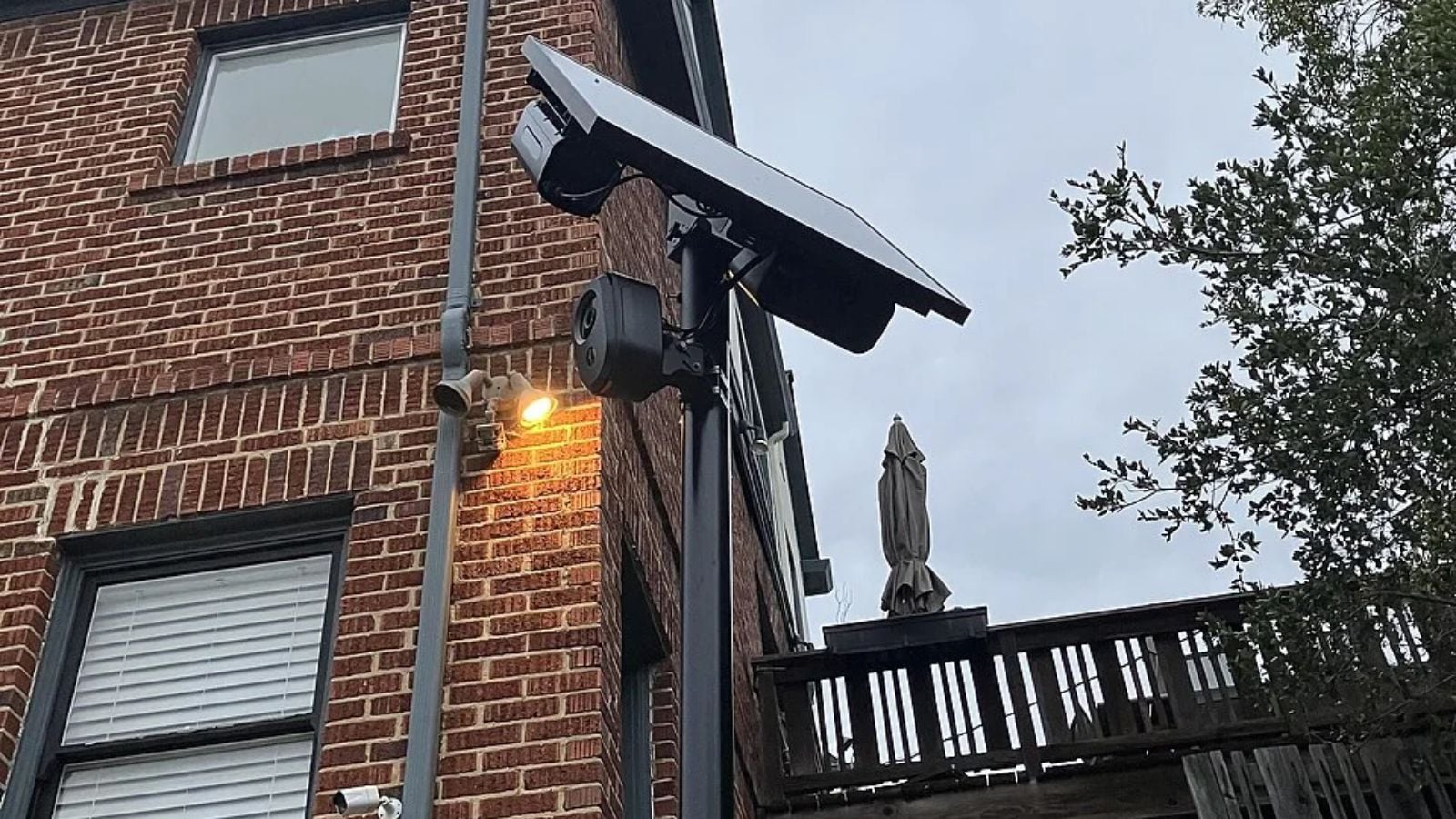
Like other ALPR systems, Axon’s cameras record license plates alongside information such as the time and location of a vehicle sighting. Those records can help investigators identify vehicles connected to crimes, although ordinary motorists can also have their plates logged.
Fairfield’s published policy limits routine data retention to 21 days unless information is preserved as potential evidence. Officers must provide a case number and justification when searching records, while internal affairs conducts monthly audits.
According to Paris, Fairfield retains exclusive control over its license plate data, which he says cannot be accessed by Axon or outside agencies. The department prohibits using the information for immigration enforcement or purposes that would circumvent Connecticut’s Trust Act.
Police Say The Cameras Help Solve Crimes
Fairfield police argue that license plate readers provide valuable investigative leads, particularly when witnesses cannot identify a vehicle accurately. Paris cited investigations involving fatal hit-and-runs, an armed home invasion, and burglaries as examples of the technology’s usefulness.
The cameras do not use facial recognition or identify drivers, according to the department. Nevertheless, recording where vehicles travel raises privacy questions regardless of which company supplies the equipment.
Fairfield may have cut ties with Flock, but its replacement system continues to monitor passing vehicles. The real test will be whether the town’s promised safeguards prevent the kind of misuse that has made license plate readers so controversial.