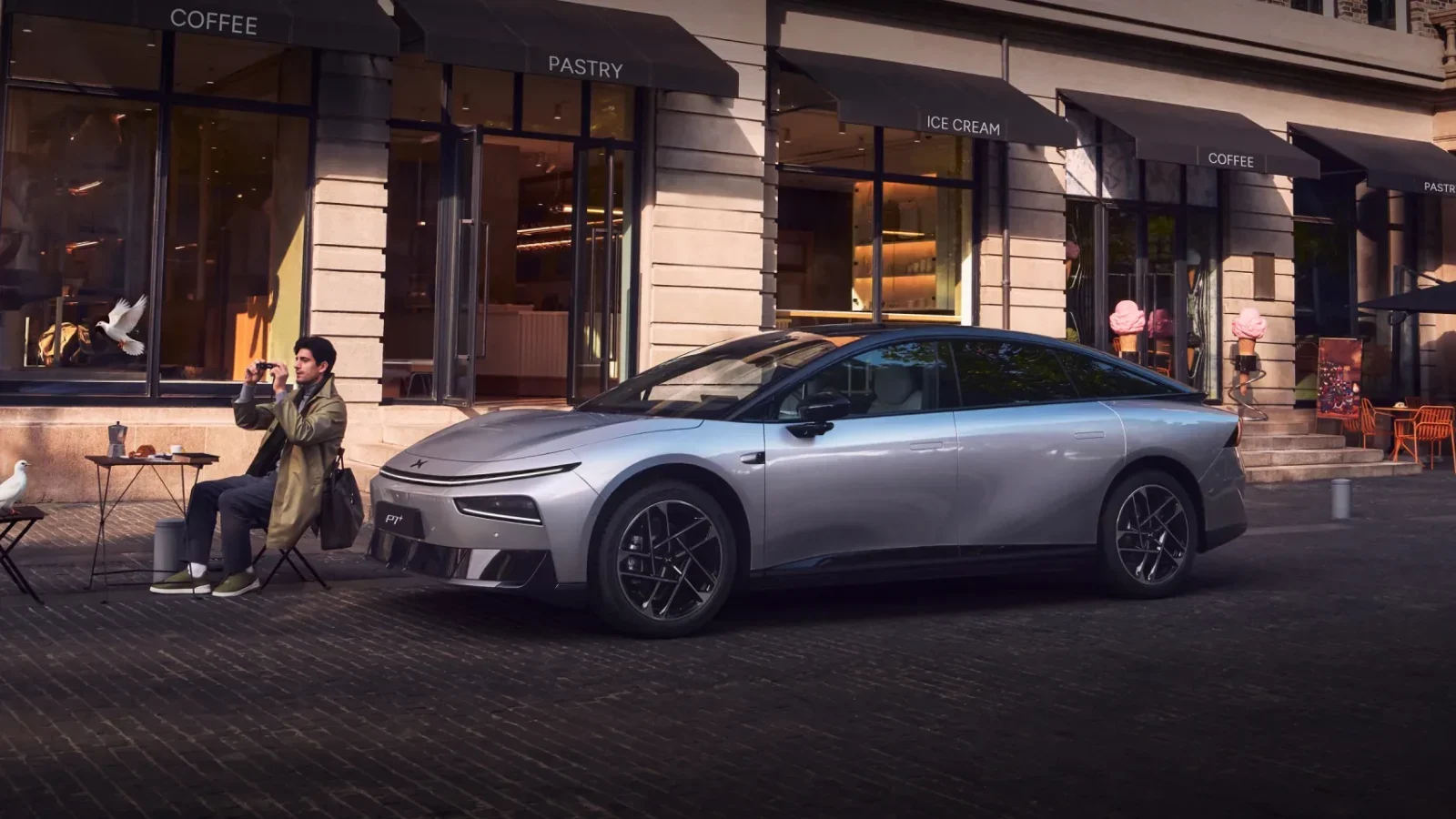
Ford has been a major player in Europe’s automotive market for over a century, but a relatively young Chinese automaker believes it can overtake the Blue Oval before the decade ends. Xpeng has set an ambitious target of selling 500,000 vehicles annually in Europe by 2030.
Speaking at the 2026 Paris Motor Show, Xpeng chairman and CEO He Xiaopeng revealed plans to reach one million annual vehicle deliveries worldwide by 2030. Half of those sales are expected to come from Europe.
For perspective, Ford sold approximately 426,000 vehicles in Europe last year, while Opel/Vauxhall recorded around 400,000. If Xpeng achieves its goal, it would surpass both brands’ 2025 sales figures.
That’s a bold prediction considering Xpeng only entered Europe in 2020, initially launching in Norway. Since then, the company has delivered roughly 60,000 vehicles across the region, meaning it faces a considerable challenge to reach its target.
Xpeng Wants To Build More Vehicles In Europe
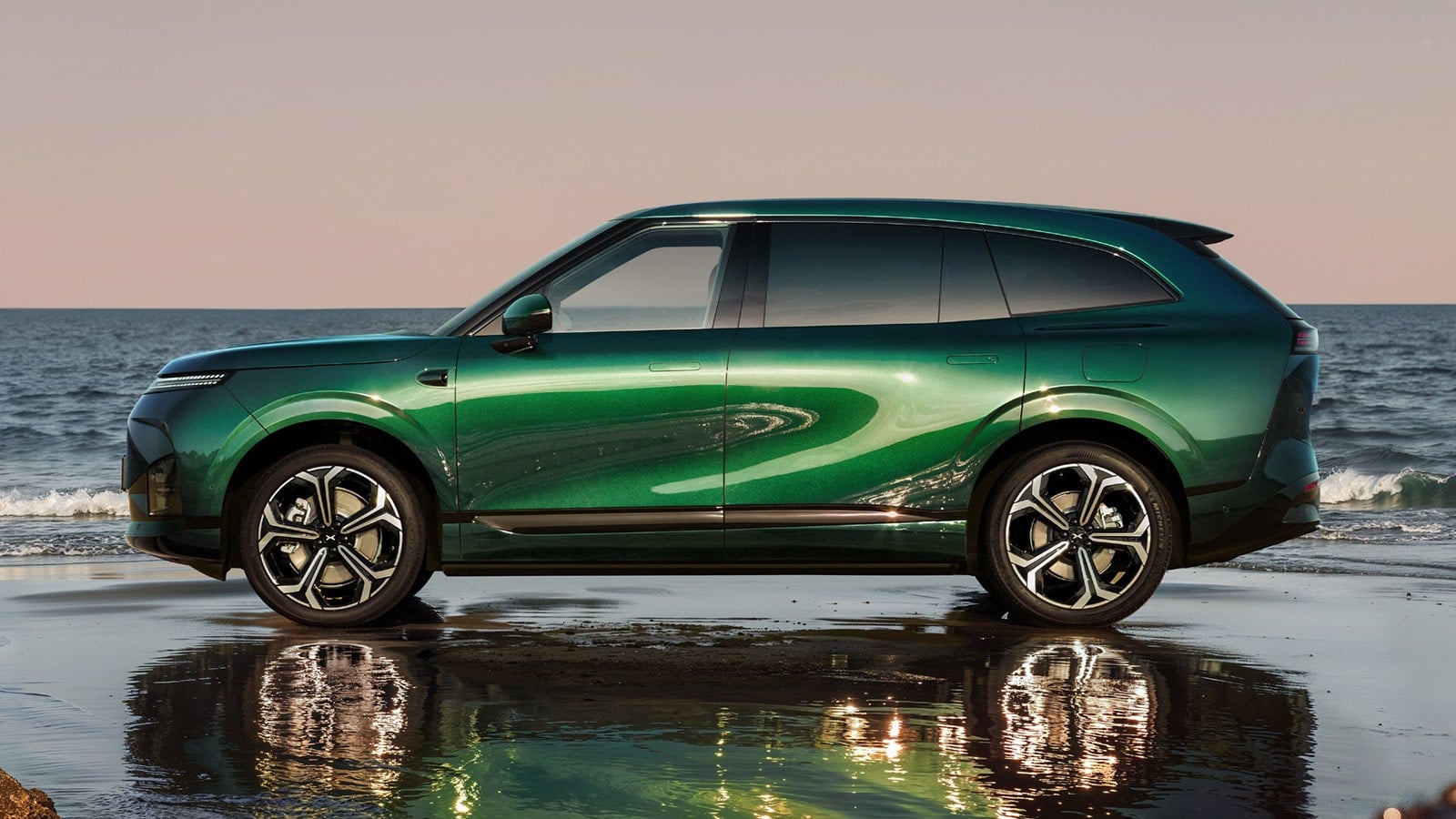
To support its ambitious expansion, Xpeng plans to increase local manufacturing rather than rely solely on vehicles imported from China. The company already works with Magna Steyr, which builds the G6, G9, and P7+ at its factory in Graz, Austria.
However, existing production capacity isn’t enough to support the company’s growth plans. Speaking to Reuters, Xpeng vice president Yeqing Zheng said output at the Austrian facility “is not even sufficient” for its expected European demand.
Xpeng is now considering a second European production operation in partnership with a local manufacturer. This could involve constructing a new factory or using an existing facility, with a focus on more affordable, mid-range vehicles.
A decision is expected within months, although the company has yet to confirm a location or manufacturing partner. The additional operation would also need lower production costs than its current Austrian arrangement.
New EU Rules Are Adding Pressure
Xpeng’s expansion plans are partly driven by proposed European Union rules that would require electric vehicles to contain a minimum proportion of locally produced components. Increasing regional production would help the company prepare for those rules while reducing its reliance on Chinese exports.
However, establishing a local supply chain presents challenges, particularly when it comes to batteries. Zheng acknowledged that finding European suppliers capable of meeting Xpeng’s charging-performance and energy-density requirements could prove difficult.
Can Xpeng Really Overtake Ford?
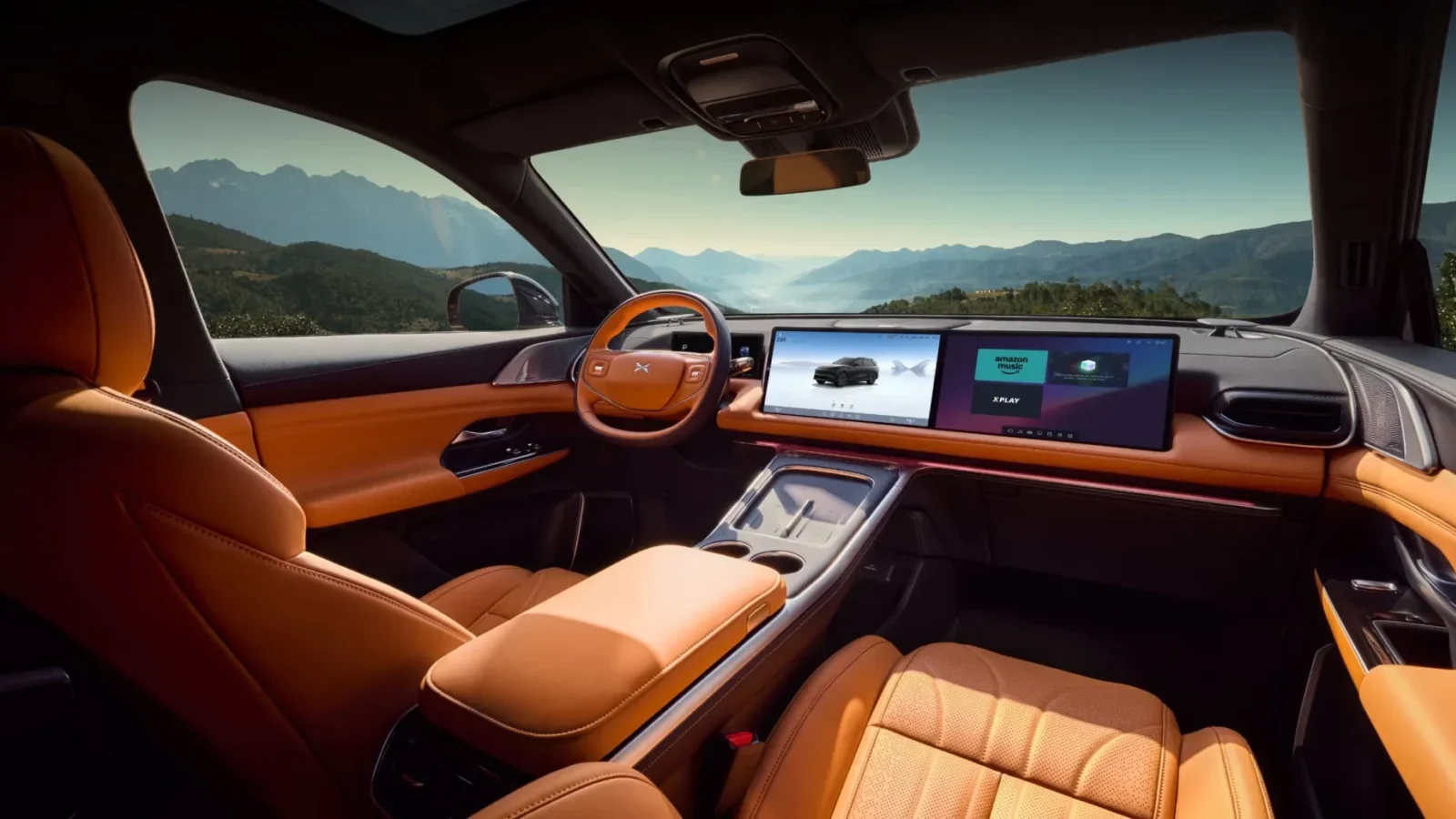
Reaching 500,000 annual European sales would be a remarkable achievement for a brand that has sold only around 60,000 vehicles in the region since 2020. It would also require Xpeng to compete against established European manufacturers and other ambitious Chinese rivals.
Of course, Ford’s European sales could look very different by 2030, so outselling them by the end of the decade wouldn’t necessarily mean they’re competing with the current sales volume. Still, Xpeng’s ambitious target shows just how seriously Chinese automakers are pursuing growth in the European market.