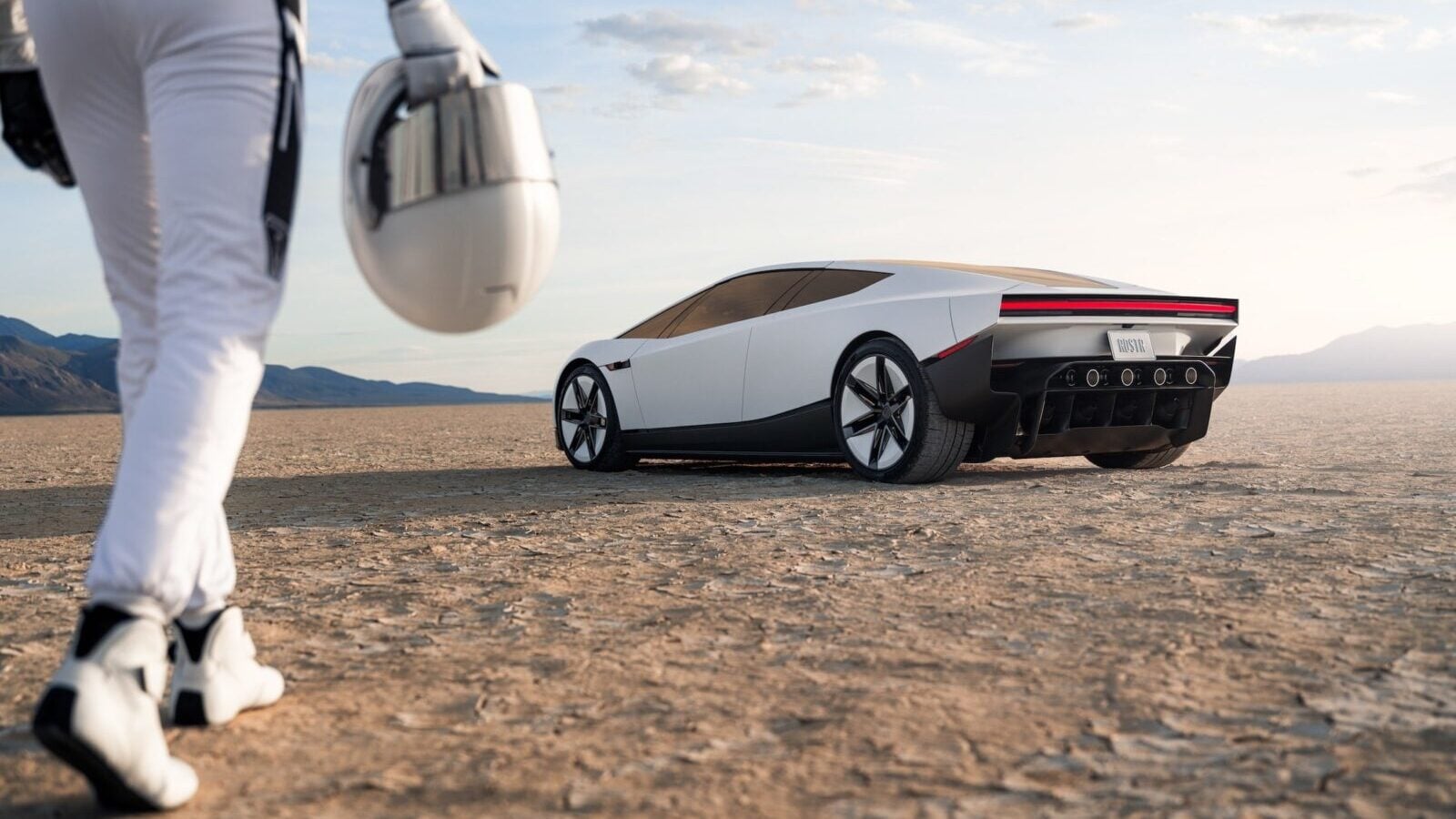
After nearly nine years of delays, Tesla has finally unveiled a radically redesigned version of its second-generation Roadster. The electric supercar made its debut on October 15, 2026, with a demonstration that looked like something straight out of a science-fiction movie.
During the event at SpaceX’s testing facility in Texas, a Roadster prototype drove up a towering ramp and briefly traveled upside down. It then launched into the air, performed a controlled flip, and landed safely using a system of compressed-air thrusters.
As if that wasn’t enough, Tesla also demonstrated the car accelerating from 0 to 60 mph in a claimed 0.81 seconds. That would be an extraordinary achievement, although the figure comes from Tesla’s own demonstration rather than independent testing.
The spectacle certainly delivered on Elon Musk’s promise of an unusual reveal, but there’s a familiar catch. Despite everything shown on stage, the new Roadster is still just a prototype, with production now scheduled to begin in 2028.
SpaceX Thrusters Give The Roadster Some Wild Abilities
Roadster event livestream
— Tesla (@Tesla) October 15, 2026
The Roadster’s most unusual technology comes from Tesla’s collaboration with SpaceX. A fan-powered suction system underneath the car reportedly generates downforce equivalent to twice its weight, even while stationary, allowing the prototype to drive upside down.
Meanwhile, 10 cold-gas thrusters use compressed air stored in two 600-liter tanks to control the vehicle’s movement. Tesla demonstrated the Roadster jumping over other vehicles, performing aerial rotations, and landing under its own control.
The thrusters also provide additional acceleration, helping explain the claimed sub-one-second sprint to 60 mph. However, the demonstration doesn’t mean the Roadster is a conventional flying car capable of sustained flight.
A Completely Different Design From The 2017 Concept
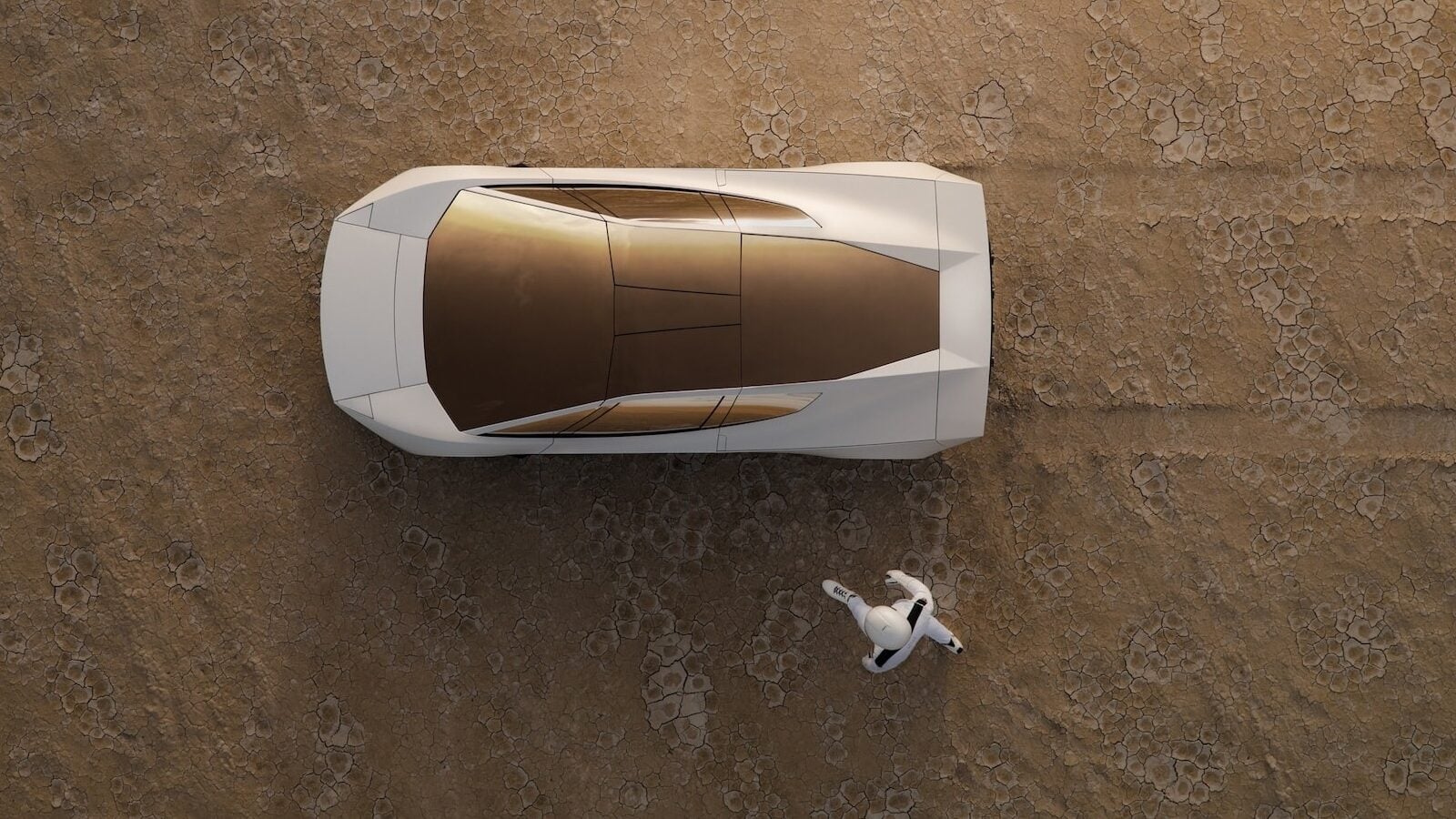
The new Roadster looks substantially different from the curvier concept Tesla introduced in 2017. Its angular, wedge-shaped body features butterfly doors, an active rear wing, and styling inspired by high-performance aircraft.
Tesla has outlined three configurations: Performance, Thrust, and Rocket. The Performance version features the suction system, Thrust adds rear-mounted acceleration boosters, and the single-seat Rocket receives additional thrusters for aerial maneuvers.
Importantly, Tesla says the Rocket configuration is not approved for public road use. Details such as horsepower, battery capacity, driving range, and full production pricing are still undisclosed.
The Biggest Challenge Is Still Getting It Into Production
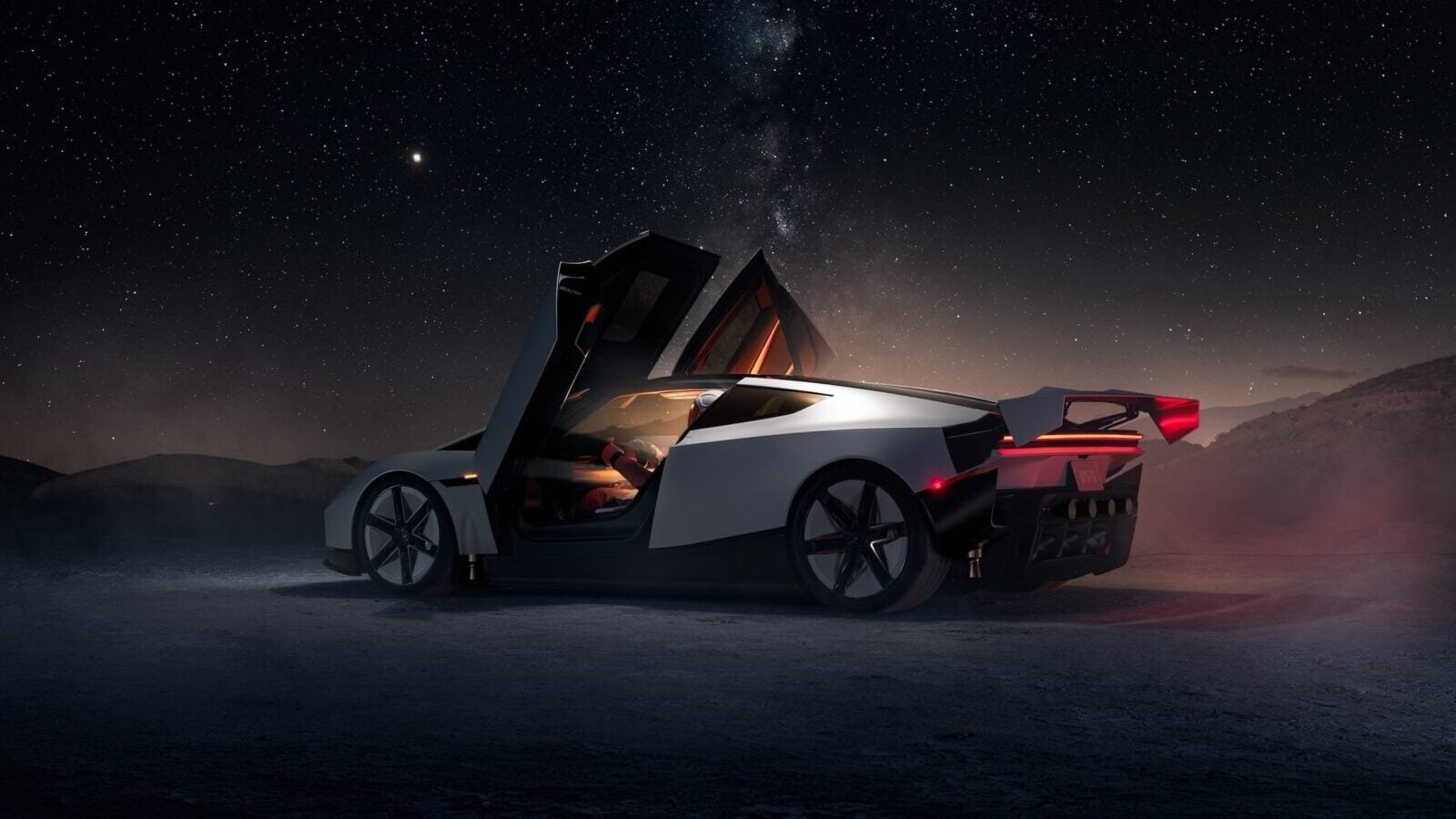
Tesla originally introduced the second-generation Roadster in 2017, with production initially expected in 2020. Several missed deadlines later, Musk now says manufacturing will begin in 2028.
That leaves another two years before customers might finally receive their cars, assuming the latest timeline holds. For existing reservation holders, questions also remain about delivery schedules and how earlier orders will be handled.
There’s no denying that Tesla put on an extraordinary show, and the Roadster’s technology is fascinating. However, after almost a decade of waiting, delivering a production car might be its most impressive trick yet.