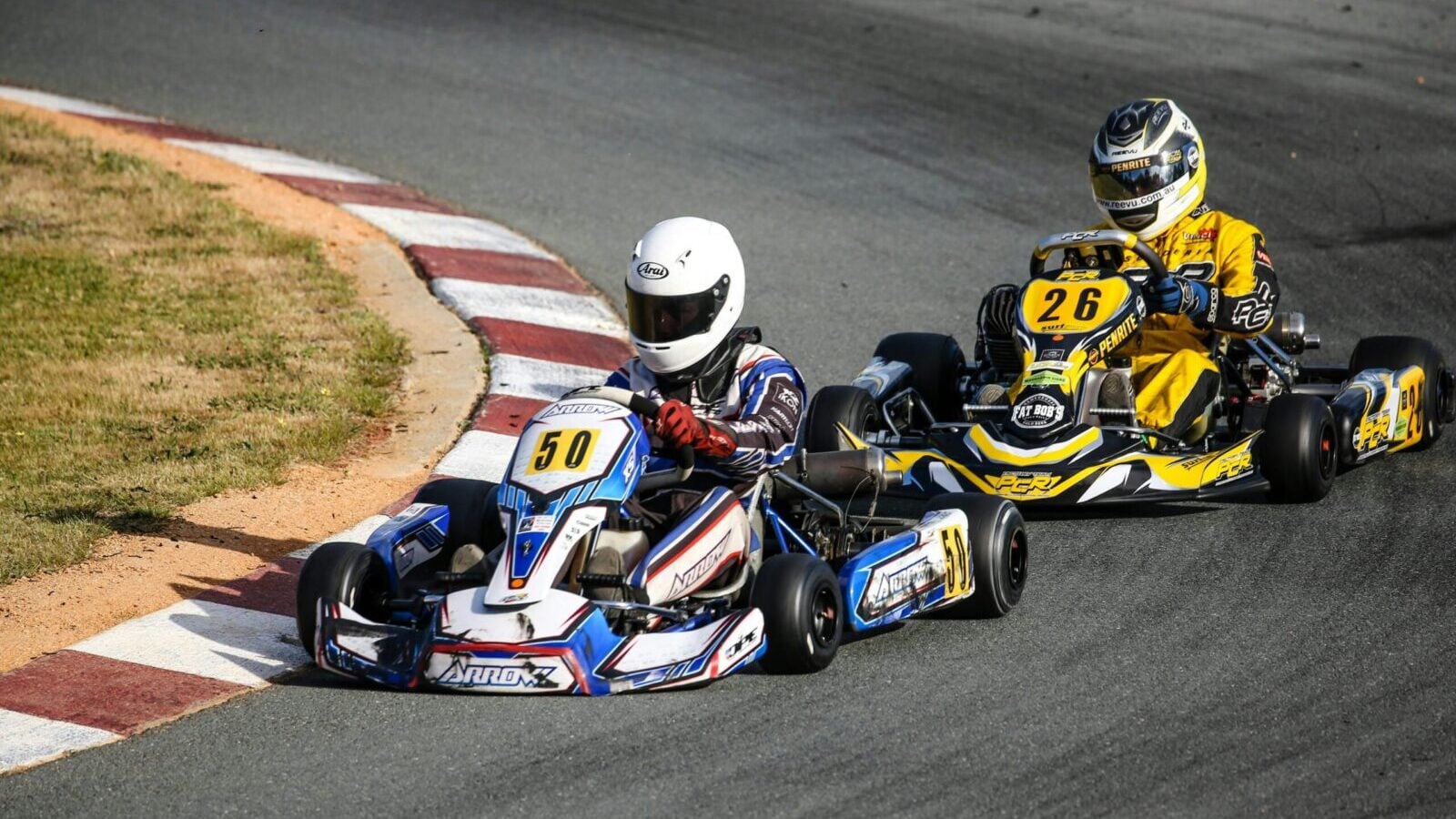
BMW might be best known for building luxury cars and performance machines, but its latest patent takes an unexpected detour into the world of go-kart racing. The German automaker has come up with an idea that sounds suspiciously like something straight out of Mario Kart.
Imagine racing real go-karts around a circuit where the corners, obstacles, and even the track layout can change without anyone moving a single barrier. That’s essentially what BMW is proposing through a combination of augmented reality and advanced vehicle tracking.
The concept would allow karting venues to create different racing experiences on the same physical surface. Drivers would still experience real acceleration, braking, and cornering forces, but the circuit itself could look completely different through their smart glasses.
Of course, this doesn’t mean BMW is preparing to launch a real-life Rainbow Road. The technology is described in a patent application, and there’s no confirmation that the company intends to bring it into commercial use.
A Go-Kart Track That Changes Before Your Eyes
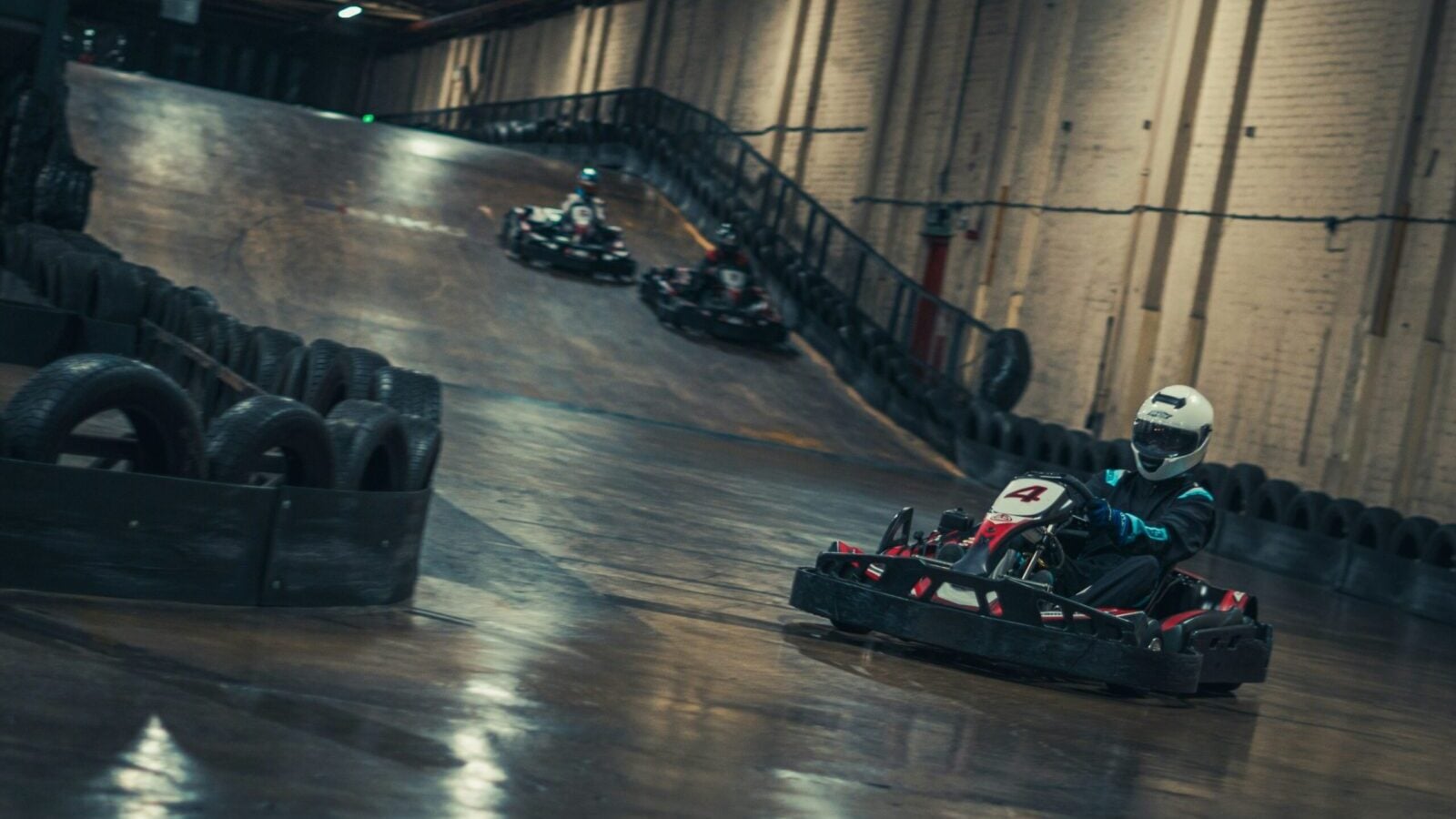
As reported by CarBuzz, BMW’s patent describes a system that uses augmented-reality glasses to display virtual track boundaries and obstacles. Sensors positioned around the driving area would continuously monitor the location of each kart.
BMW says the positioning system could locate karts with an accuracy of approximately 10 millimeters, while the virtual display would respond to their movements in near real time. Physical safety barriers would still surround the driving area, even though the racing layout itself would be digitally generated.
Track operators could introduce new corners, chicanes, and obstacles without physically rebuilding the circuit. They could even change the layout during a race, forcing drivers to adapt on the fly.
Virtual Walls Could Actually Slow You Down
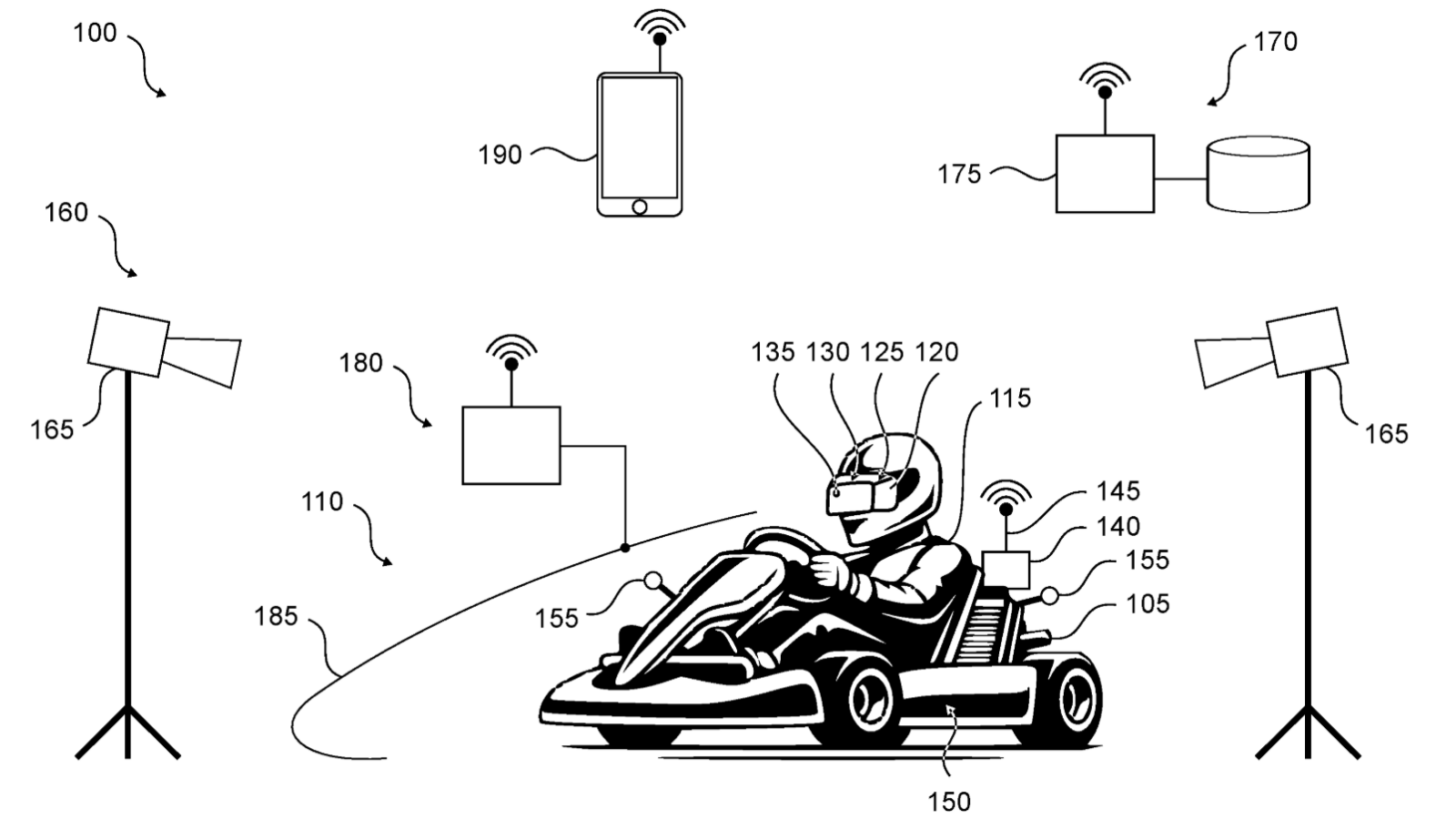
BMW’s proposal goes beyond simply projecting graphics onto a pair of smart glasses. Because the system knows where each kart is located, it could intervene when a driver crosses a virtual boundary.
For example, crossing a virtual barrier could trigger automatic braking, giving an imaginary obstacle physical consequences. The patent also describes possible steering intervention to guide a kart back toward the permitted driving area.
The technology could potentially accommodate different driver skill levels by adjusting the virtual layout. That could make the same venue suitable for beginners and experienced racers without requiring separate physical circuits.
Mario Kart Without The Banana Peels
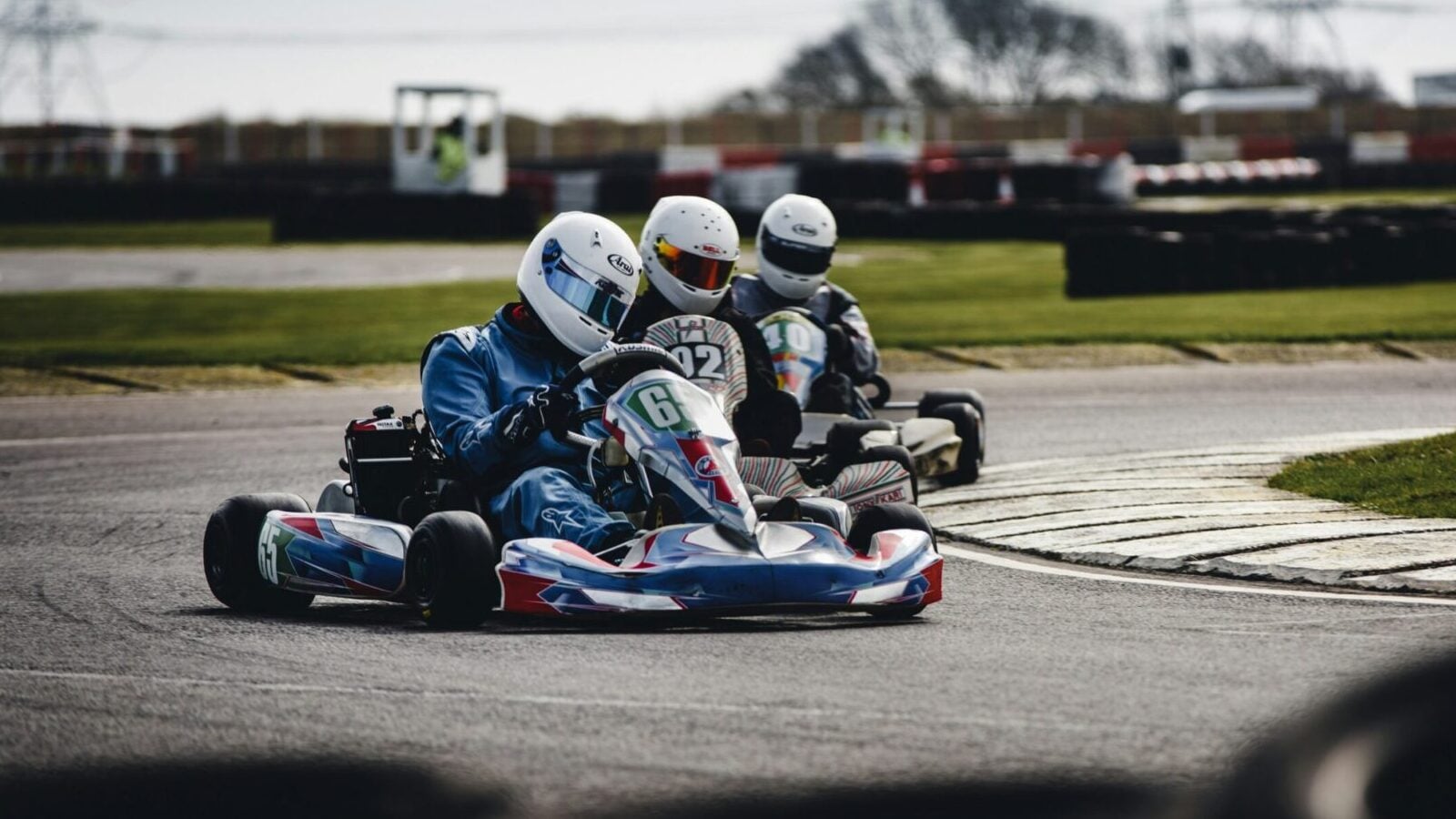
The obvious comparison is Nintendo’s Mario Kart, where unpredictable obstacles and changing conditions are part of the fun. BMW hasn’t proposed launching turtle shells or dropping banana peels, but the underlying technology opens the door to some entertaining possibilities.
The idea is still just a patent, not a confirmed product or operating karting attraction, but the prospect of racing real go-karts around a constantly changing circuit is certainly something we’d love to see become (virtual) reality.