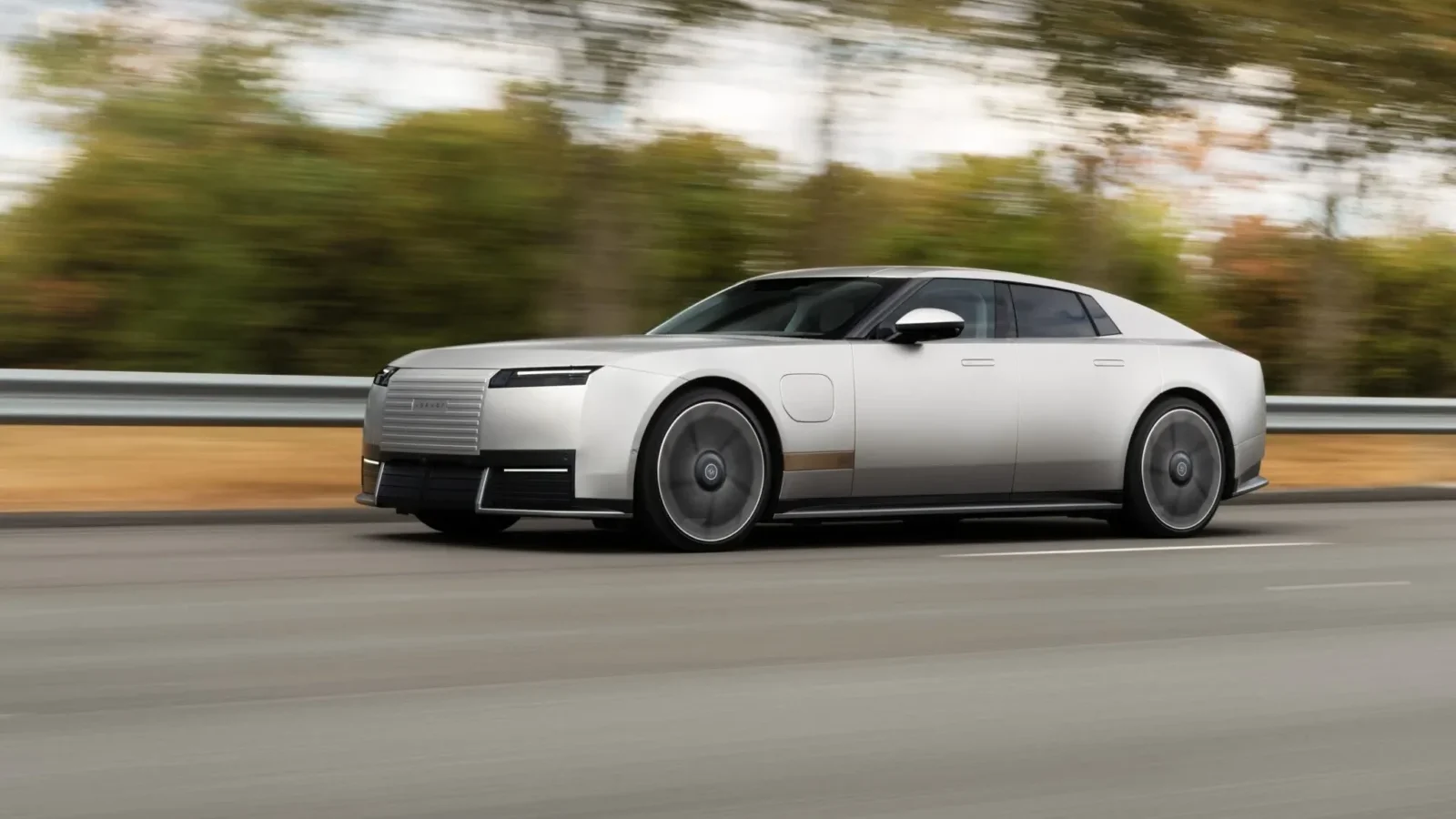
Jaguar’s radical reinvention has been one of the most controversial moves in the automotive industry in recent years. From its dramatic new design language to its decision to abandon traditional combustion engines, the British automaker has certainly given enthusiasts plenty to talk about.
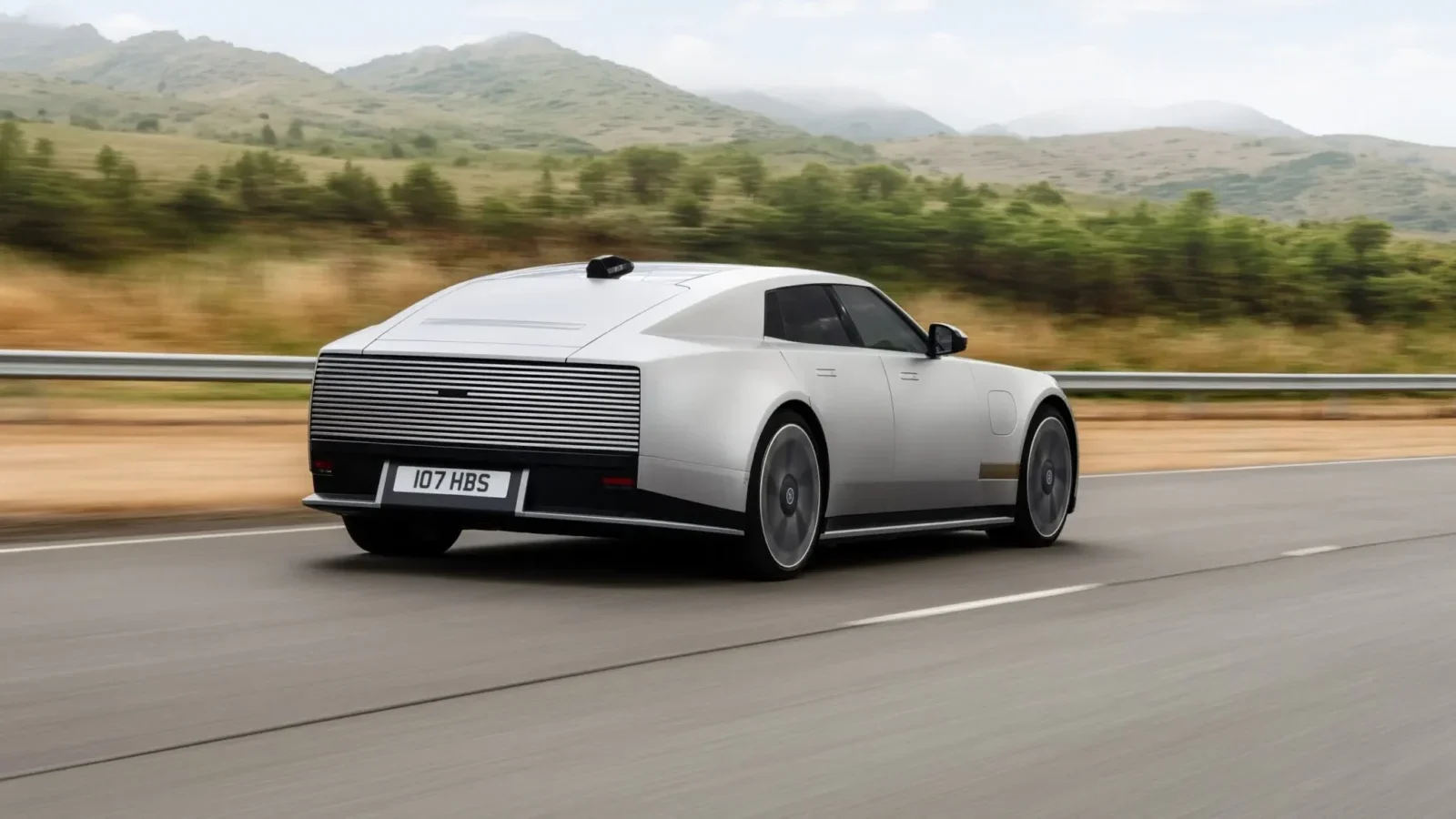
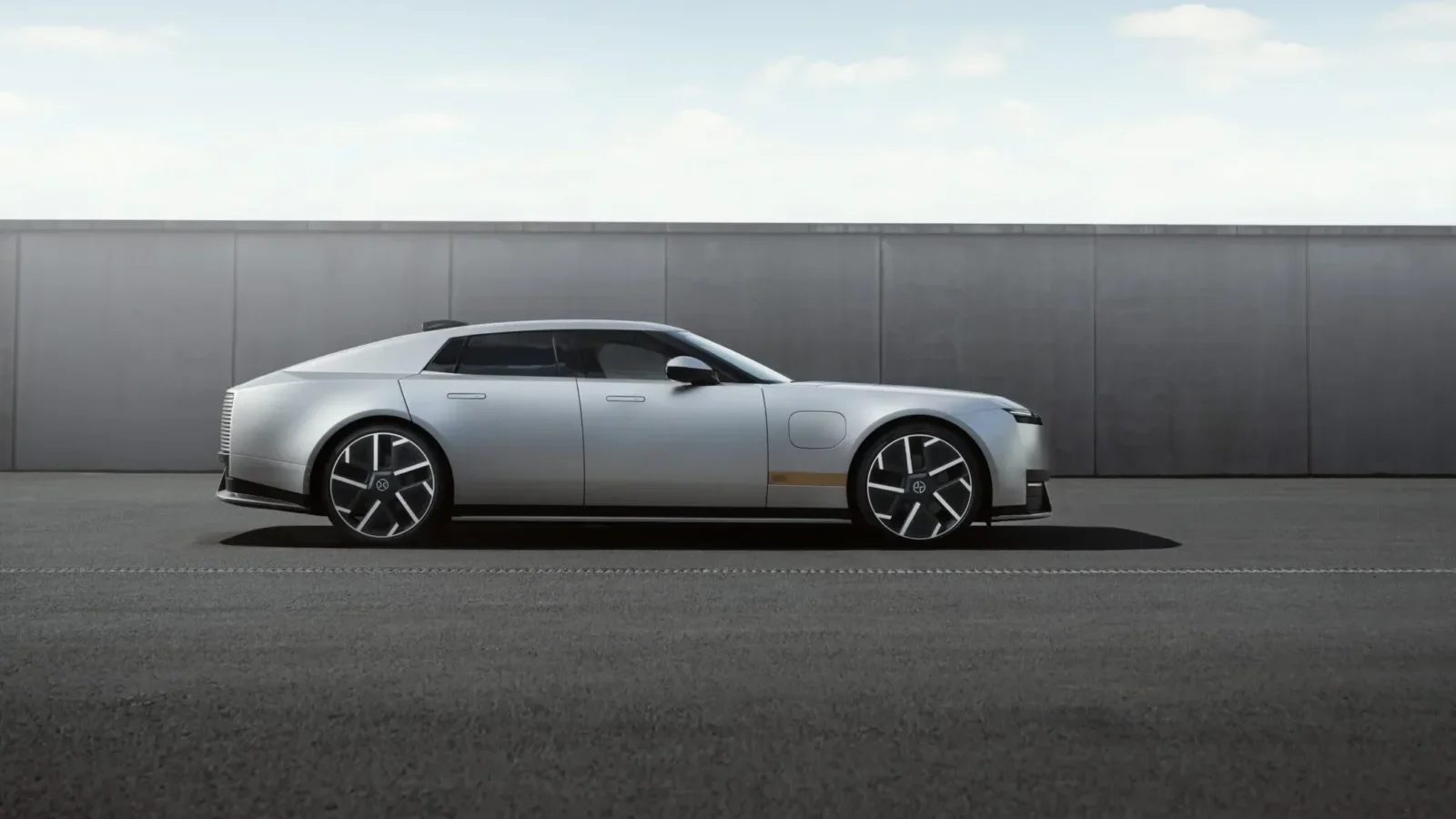
The recently unveiled Type 01 electric grand tourer represents the first major step in this transformation. With its striking appearance, ambitious performance figures, and considerably higher price tag, it’s unlike anything Jaguar has offered before.
Naturally, such a dramatic change has raised questions about whether Jaguar can attract enough customers to make its new strategy work. After all, moving into the ultra-luxury electric vehicle market means competing for buyers with very different expectations.
However, Jaguar appears confident that its controversial gamble is beginning to pay off. The company has now shared some interesting figures about the people following its reinvention, including a surprising detail about their previous relationship with the brand.
Jaguar Is Attracting A Different Kind Of Customer
Speaking with Australian publication Drive, Jaguar managing director Rawdon Glover revealed that the company has collected more than 50,000 expressions of interest. Jaguar refers to these prospective customers as KMIs, short for “keep me informed,” and maintains regular communication with them.
Glover said approximately four out of five people on that list have never owned a Jaguar before. He believes the response supports Jaguar’s decision to pursue wealthier customers rather than relying entirely on its existing audience.
The transition is substantial, with Jaguar aiming to position itself between Porsche and Bentley in the luxury market. The Type 01 is expected to start at approximately AU$300,000 in Australia, excluding on-road costs.
A Radical Electric Grand Tourer
The production Type 01 follows the eye-catching Type 00 concept that previewed Jaguar’s controversial design direction in 2024. Its dramatic proportions and unconventional styling signal a deliberate break from the company’s previous vehicles.
The electric grand tourer features a tri-motor powertrain producing approximately 1,015 horsepower, alongside a large 118-kWh battery pack. Jaguar is also targeting an impressive driving range of up to 450 miles (724 km) under the WLTP testing cycle.
Such specifications would place the Type 01 firmly among the more powerful luxury EVs on the market. However, its unusual styling and premium pricing could prove just as important as its performance.
Interest Doesn’t Guarantee Sales
Jaguar expects to open Type 01 order books in 2027, when prospective customers will have the opportunity to turn their interest into actual reservations. Until then, the 50,000 expressions of interest should not be confused with confirmed orders.
The company’s new strategy could introduce Jaguar to an entirely different generation of luxury buyers, although it also risks leaving some longtime customers behind. Whether that early curiosity translates into significant sales will be the real test of Jaguar’s reinvention.