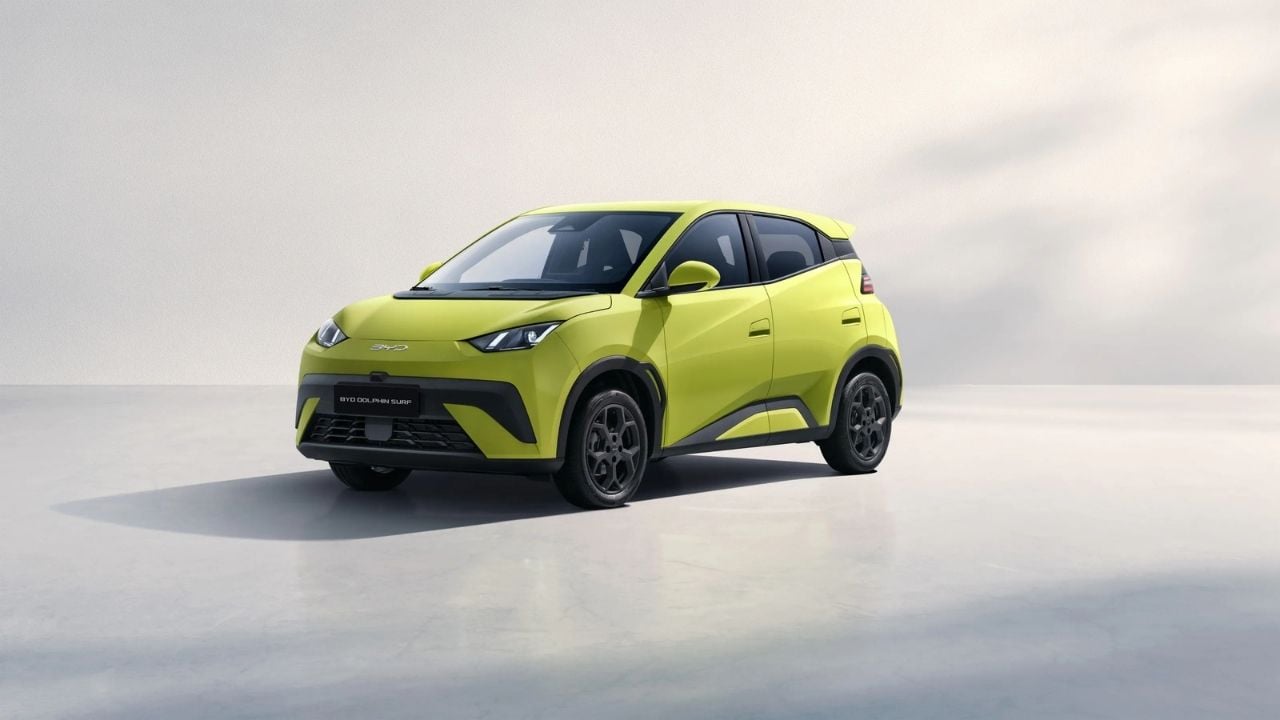
The European Union is preparing to introduce new restrictions on hybrid vehicles imported from China as it looks to protect its domestic automotive industry. Under a recently negotiated trade agreement, annual imports would be limited to 350,000 vehicles.
The agreement follows a sharp increase in Chinese hybrid and plug-in hybrid sales across Europe. According to The Guardian, approximately 800,000 Chinese-built hybrid and plug-in hybrid vehicles are expected to be sold in the region this year.
Chinese automakers have increasingly focused on hybrids after the EU introduced additional tariffs on Chinese-built electric vehicles. Unlike fully electric models, conventional hybrids and plug-in hybrids have largely avoided those extra duties.
The new restrictions could significantly change that strategy, potentially reducing the market share of Chinese-built vehicles while encouraging manufacturers to expand production within Europe.
Chinese Hybrid Imports Face A Major Reduction
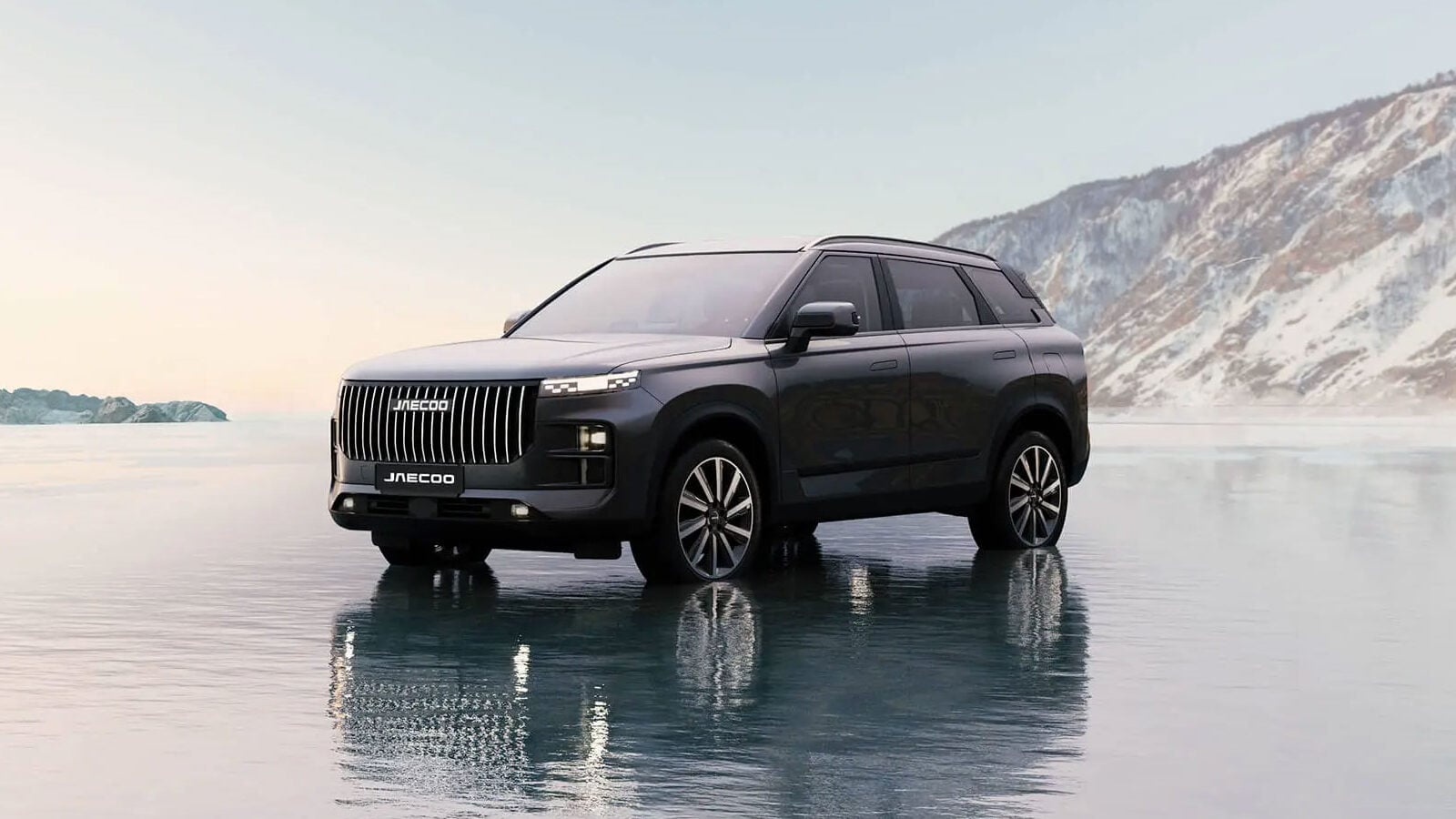
The agreement, negotiated between Brussels and Beijing, would sharply reduce the number of Chinese-built hybrids entering the European market each year. The restrictions could begin taking effect as early as December, although the final implementation timetable and approval process are subject to clarification.
Rather than imposing additional tariffs on vehicles exceeding the quota, the EU intends to prevent those shipments from clearing customs. Officials plan to use World Trade Organization safeguard provisions to introduce the restrictions more quickly.
The European Commission expects the measure to reduce China’s overall vehicle market share in the EU from approximately 6% to 3%. That would represent a substantial reversal after several years of rapid growth for Chinese manufacturers.
European Automakers Could Benefit
Chinese manufacturers have gained ground in Europe by offering competitively priced electrified vehicles. Brands such as BYD have expanded their plug-in hybrid offerings, putting additional pressure on established European competitors.
According to Chinese customs figures cited by The Guardian, hybrid exports to the EU reached €6.7 billion in the first half of 2026, up from €2.2 billion in the same period last year.
The agreement is intended to help European manufacturers compete while addressing concerns about industrial job losses and the EU’s growing trade deficit with China.
Chinese Brands Can Still Build Cars In Europe
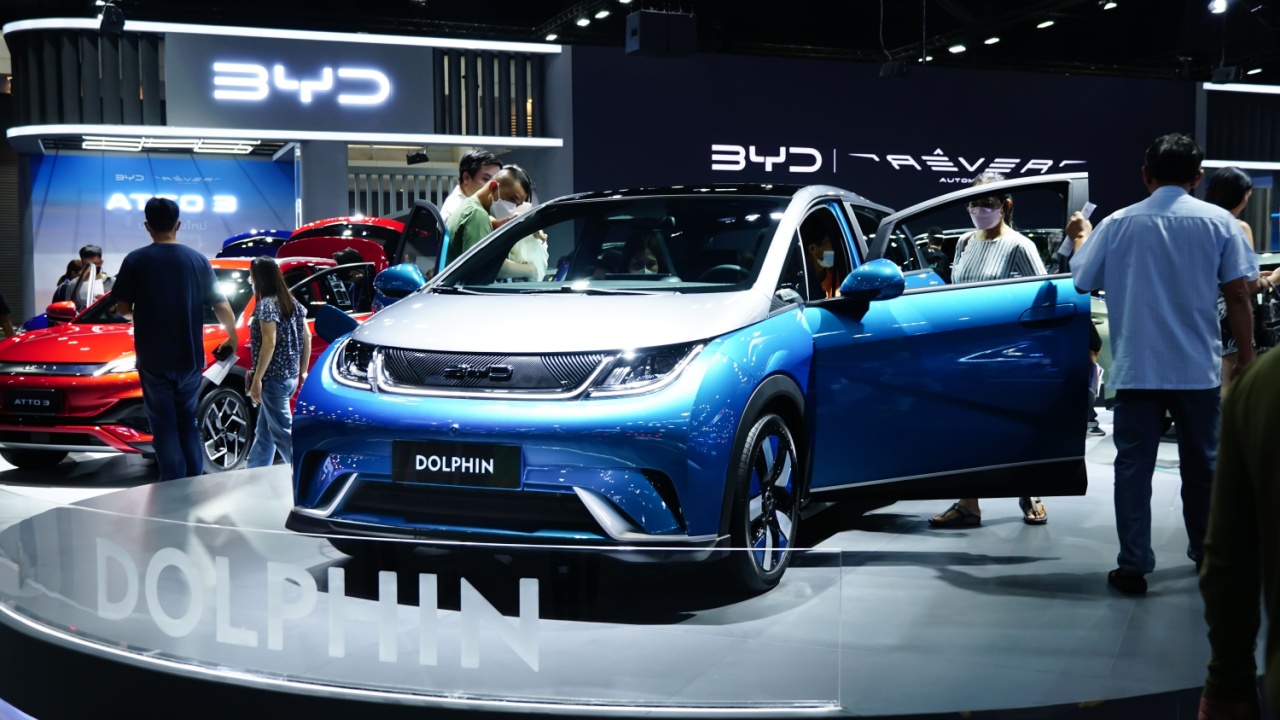
Importantly, the quota applies to vehicles manufactured in China, not every vehicle sold by a Chinese automaker. Hybrids assembled within the EU, including at facilities in Hungary and potentially Spain, would be exempt.
That distinction could encourage Chinese brands to accelerate their European manufacturing plans. However, European automakers producing vehicles in China would also be subject to the restrictions when importing them into the EU.
The agreement marks a significant shift in Europe’s approach to Chinese automotive competition. Its longer-term impact will depend partly on how quickly manufacturers adapt their production and supply chains.