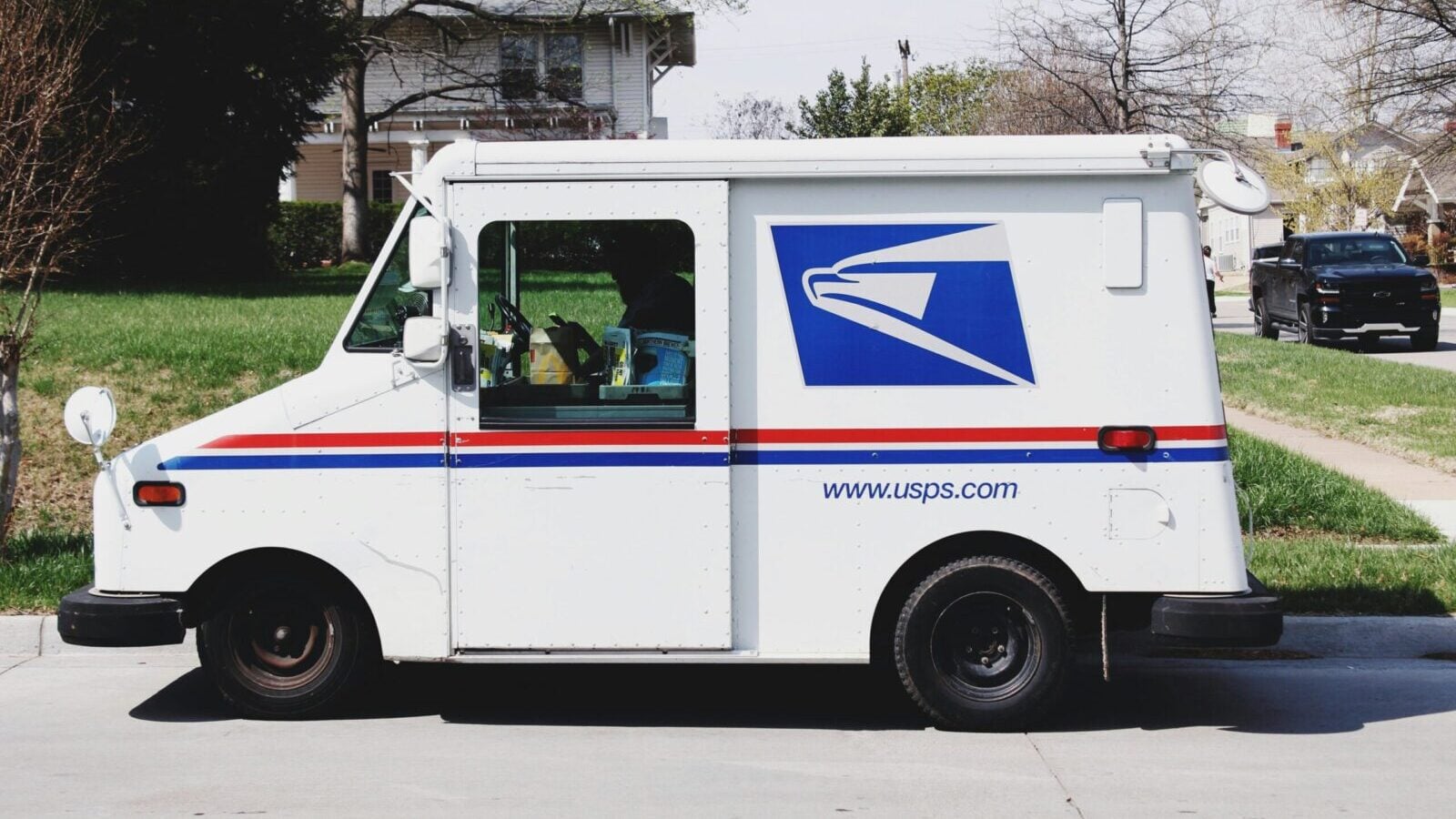
Your neighborhood mail truck could soon be doing something other than delivering packages and bills. The U.S. Postal Service is testing dashboard cameras that continuously scan the streets its carriers drive every day.
The pilot program puts forward-facing cameras inside 100 USPS vehicles operating around Washington, D.C. According to a USPS labor-relations letter obtained by 404 Media, the system can analyze roads, signs, sidewalks, and other infrastructure while carriers complete their normal routes.
USPS says the experiment is intended to identify roadway conditions and support “community safety.” The agency sees an obvious advantage in using a fleet that already travels through communities across the country with remarkable frequency.
You might wonder what happens to all that imagery after the cameras collect it. Well, USPS has outlined some privacy safeguards, but details about who could ultimately access the resulting data and how it might be used aren’t entirely clear.
The Cameras Record Automatically
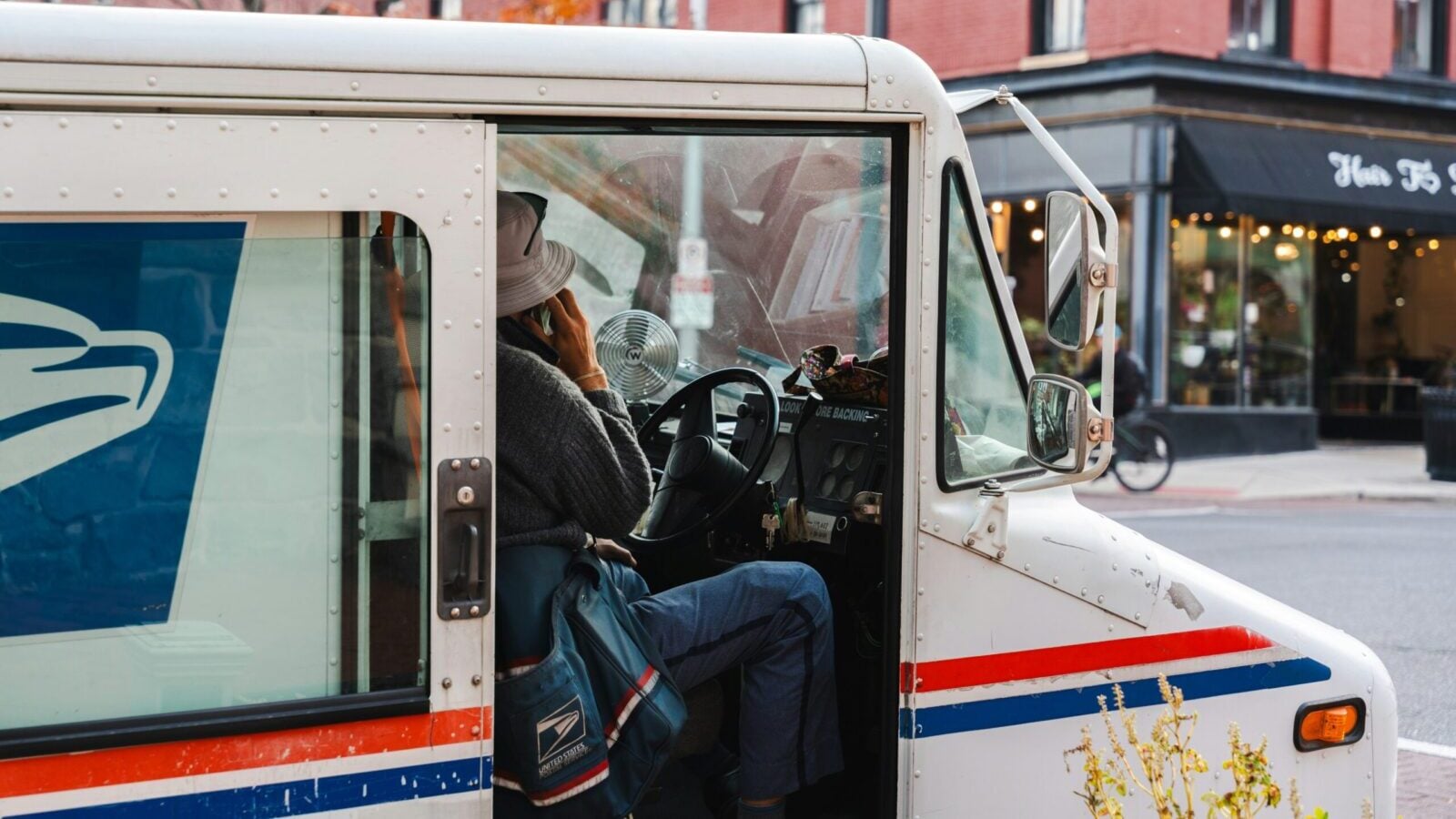
USPS is working with dashcam manufacturer Nextbase on the pilot, which was scheduled to begin September 21 and continue for several months. The cameras start recording when a participating vehicle is in drive and has traveled outside a geofenced area surrounding its postal facility.
They don’t record audio, and USPS says they won’t obstruct a driver’s view. Images involving postal workers and USPS insignia are also expected to be redacted as part of the program’s privacy measures.
Nextbase sells cameras capable of recording at up to 4K resolution, potentially capturing details such as road signs and license plates. However, the devices used by USPS aren’t running automatic license plate recognition software, an important distinction from dedicated ALPR networks.
USPS Already Drives Almost Everywhere
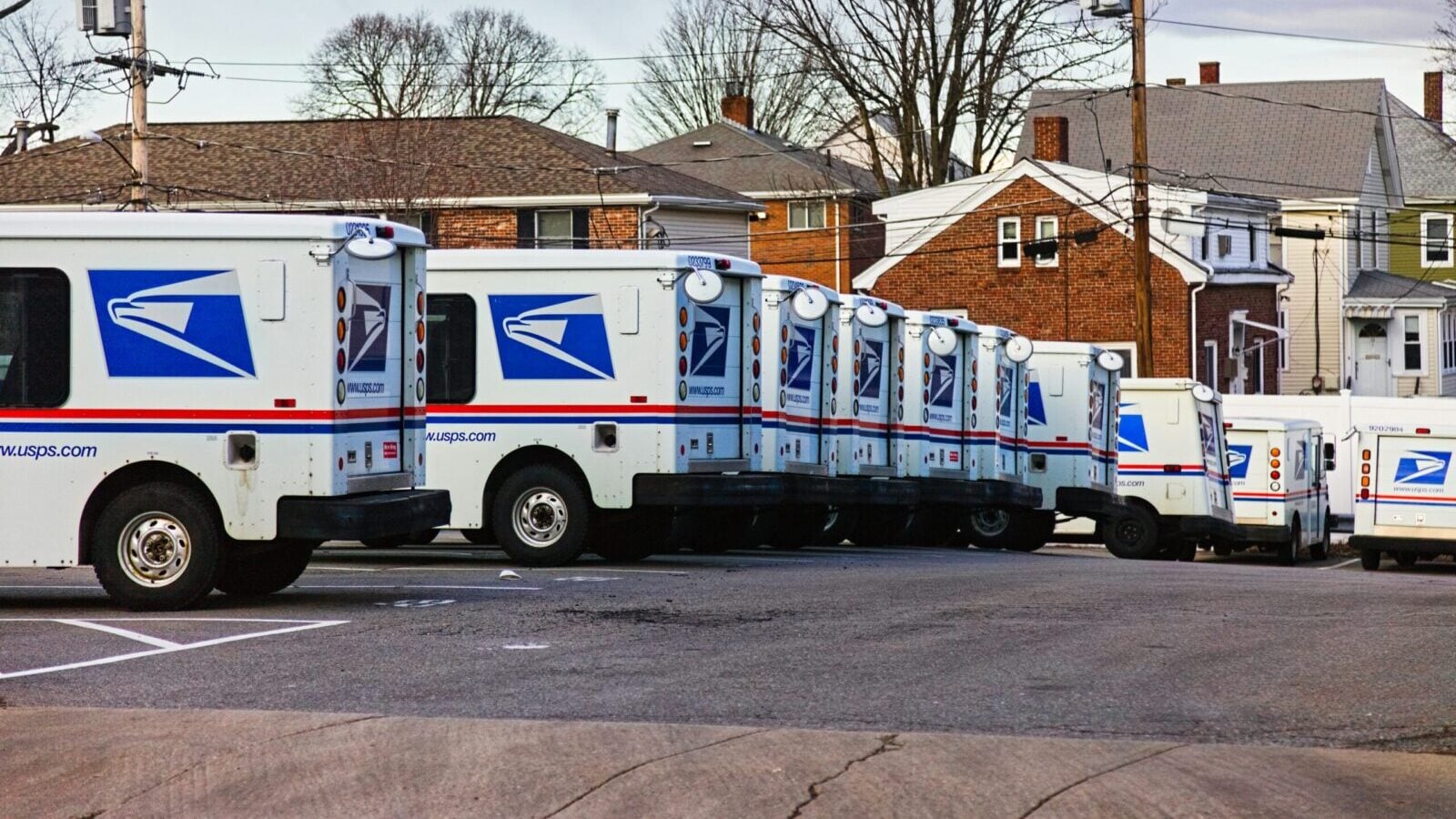
The logic behind the program is fairly straightforward. Mail carriers repeatedly travel the same streets, giving USPS an existing fleet of vehicles capable of collecting frequently updated information without sending out dedicated mapping cars.
That could make the system useful for detecting changed speed limits, damaged infrastructure, road closures, or outdated signage. Navigation and mapping data can quickly become obsolete, particularly when roads are modified or signs are replaced.
“The purpose of this pilot is to leverage the Postal Service’s unique ability to collect this valuable data due to the scale and frequency with which our fleet of postal vehicles travel the streets of every community across the country,” the USPS letter states.
What Happens To All That Data?
USPS told 404 Media that the limited trial includes privacy safeguards and requires no additional work from postal employees. The agency said findings from the program will help determine whether the technology has a future.
USPS hasn’t fully explained how collected data will be stored, exactly who will have access to it, or whether it could eventually be used for purposes beyond monitoring road conditions. There will hopefully be some answers to those questions if the technology eventually expands from 100 trucks around Washington to a much larger portion of the postal fleet.
While this is only a pilot rather than a nationwide rollout, USPS delivers to communities across the country nearly every day, so a successful trial could create a remarkably extensive road-scanning network without adding a single dedicated mapping vehicle.