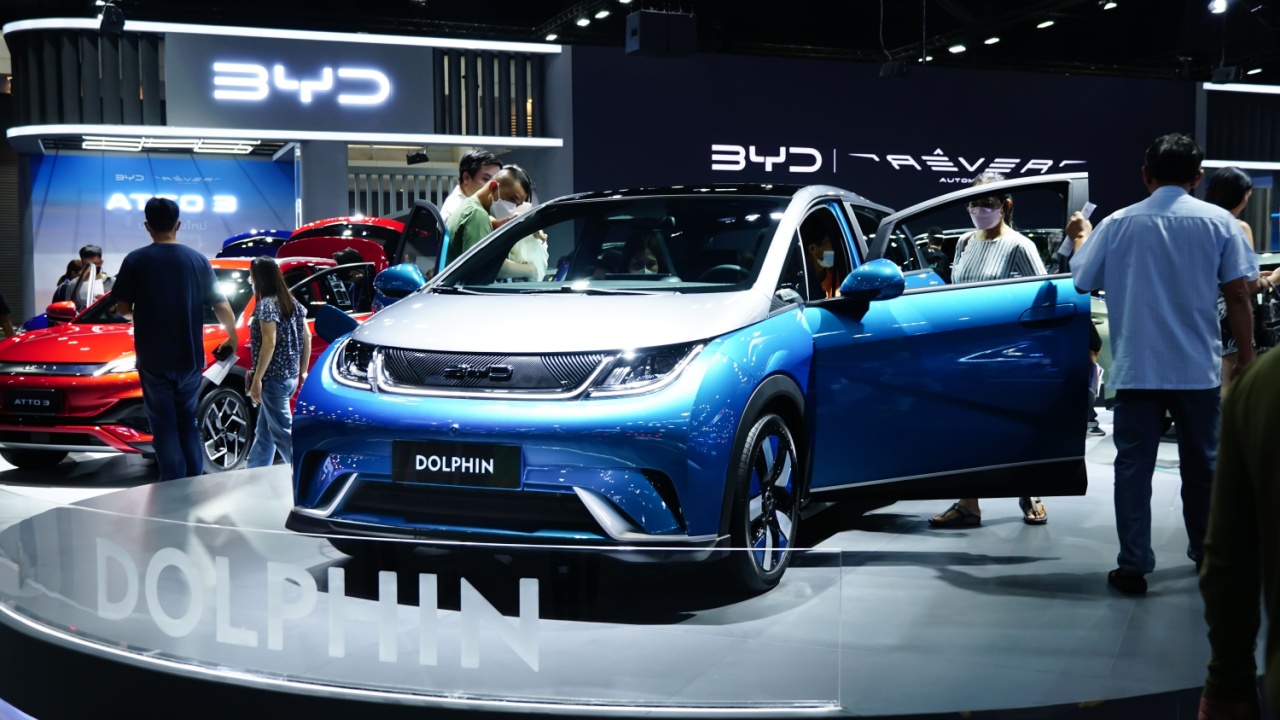
Chinese automakers have largely been kept out of the U.S. new-car market, even as brands such as BYD, Geely, and others expand aggressively elsewhere. One possible path into America, however, would be to skip importing cars altogether and build them locally.
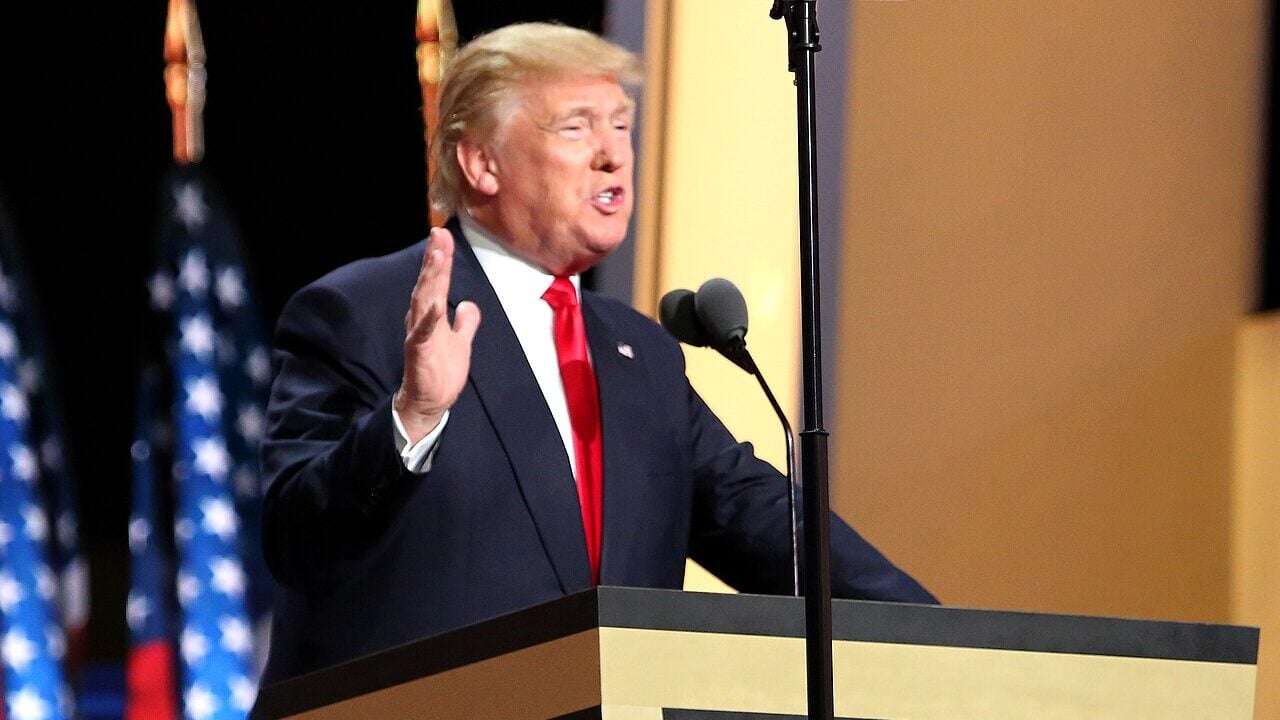
President Donald Trump has publicly said he would be open to exactly that. During a Sept. 11 interview with Fox News, Trump said he would be okay with Chinese automakers opening factories in the United States as long as they employ American workers.
Trump compared the idea with Japanese automakers manufacturing vehicles in America. He also drew a distinction between Chinese companies building factories in the U.S. and producing cars in Mexico for export across the border, something he opposes.
That position isn’t receiving the same enthusiasm from Detroit. General Motors, Ford, and Stellantis declined to comment individually when contacted by the Detroit Free Press, instead referring the publication to the lobbying organization that represents their shared policy interests.
Detroit’s Automakers Warn Of An Uneven Playing Field
The American Automotive Policy Council argues that simply requiring Chinese manufacturers to build cars in the United States wouldn’t resolve what it sees as the underlying competitive problem.
AAPC President Matt Blunt said allowing Chinese companies to manufacture or sell vehicles in the U.S. without addressing advantages, including state subsidies, currency practices, and other non-market factors, would hurt American automakers, their employees, and communities.
The concern isn’t necessarily about where the factory sits. Detroit’s argument is that a Chinese automaker could employ Americans and manufacture vehicles domestically while still benefiting from advantages originating from China’s industrial policies.
Trump’s reasoning focuses heavily on employment, saying he would accept Chinese automakers opening American plants because, as with Japanese manufacturers operating in the country, “the big thing is they hire our people.”
Chinese Automakers Are Expanding Around The World
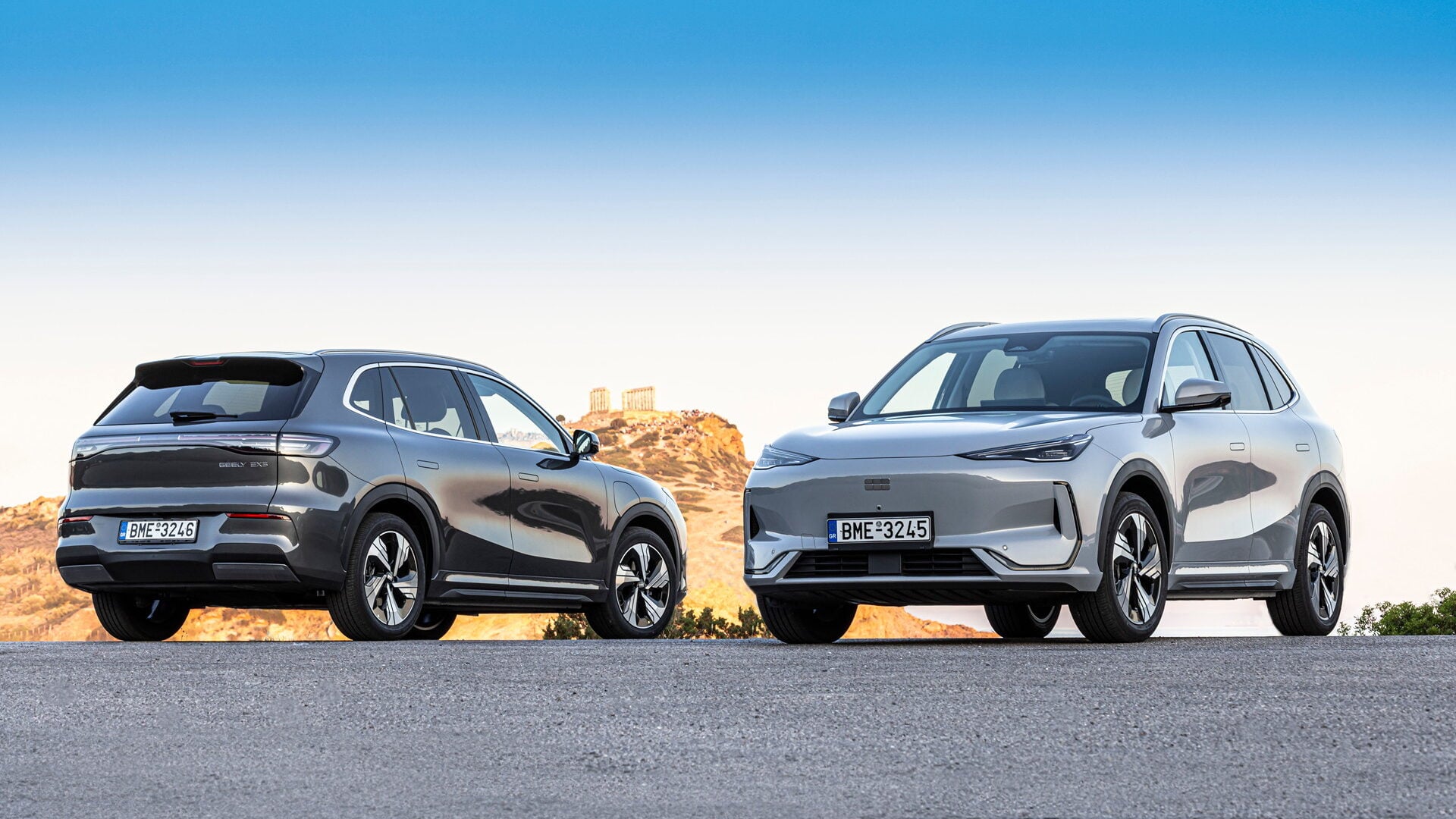
Chinese brands already have a substantial presence outside their home market. The Detroit Free Press reports that they account for roughly 20% of new-car sales in Mexico, while Canada has moved to allow a limited number of Chinese vehicles under reduced tariffs.
The United States remains far harder to enter. Chinese EVs currently face tariffs exceeding 100%, while restrictions introduced under the Biden administration also effectively prevent Chinese connected vehicles from entering the market. Those barriers have stayed in place under Trump.
Ford CEO Jim Farley has repeatedly acknowledged how formidable Chinese automakers have become. He famously spent months driving a Xiaomi SU7 and praised its quality and digital experience while describing Chinese manufacturers as competition Ford needs to understand.
Trump’s Comments Come At An Awkward Time For Ford
The debate arrives shortly after Transportation Secretary Sean Duffy publicly criticized Ford over its relationships with Chinese companies, including battery giant CATL. Ford rejected that criticism, calling Duffy’s characterization of the company “wrongheaded.”
That creates an unusual contrast, as one part of the administration has scrutinized an American automaker for working with Chinese companies, while Trump is publicly open to Chinese automakers themselves establishing U.S. factories. Whether that openness ever becomes actual policy remains to be seen.
For the Big Three in Detroit, the issue isn’t Chinese brands with a “Made in America” label but genuinely comparable competitive conditions, which, if at all possible, won’t be easy to achieve.