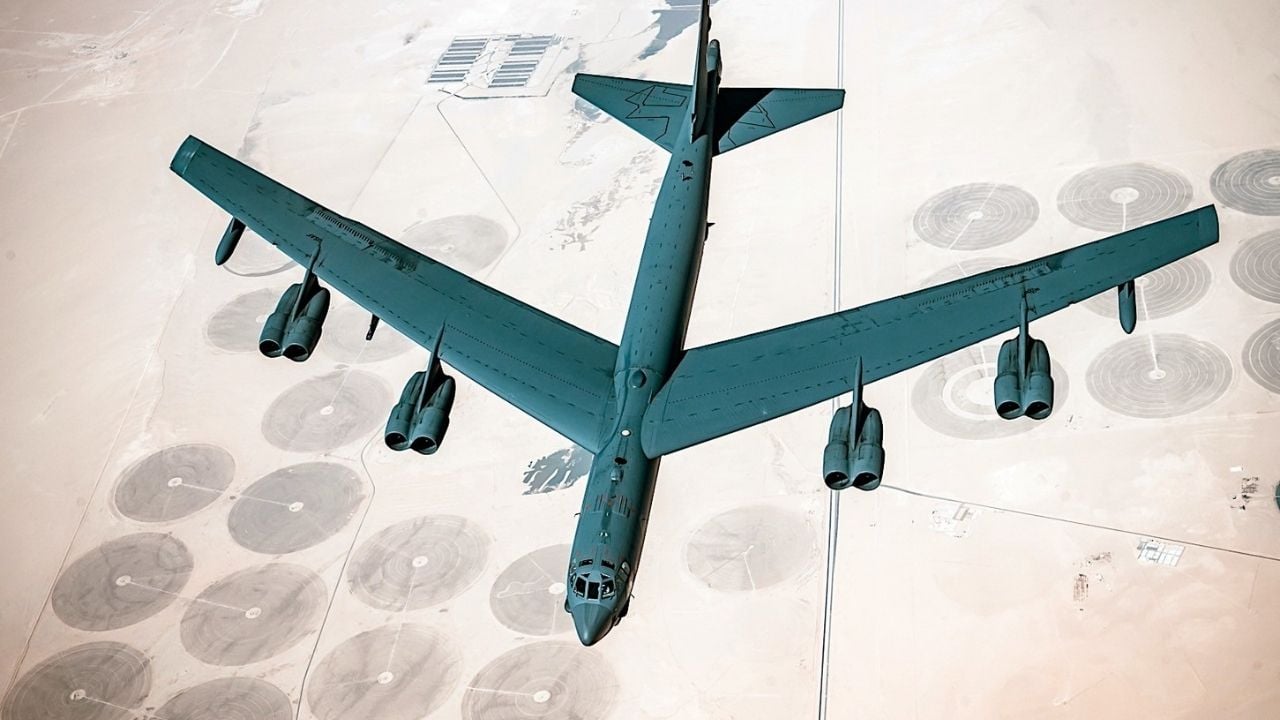
It is quite remarkable to think that the Boeing B-52 Stratofortress strategic bomber was first conceived in the 1940s. Yet here we are, with it being over 80 years since the aircraft first took to the skies, and it looks like it will reach the 100-year mark.
That is because the B-52 is still getting some serious upgrades. The United States Air Force (USAF) announced this week that it has made major progress in the summer of 2026 in re-engineering and upgrading the aircraft.
The B-52 has needed engine upgrades for some time, as its current Pratt & Whitney powertrains have been determined to be unsuitable for the aircraft. So the USAF and Boeing looked at replacing them with newer units that will cut down on maintenance requirements and be more fuel-efficient, which is important for when the aircraft is on long-distance missions.
These new engines will come from Rolls-Royce, but aside from that, the B-52 is also due to get some major radar upgrades to bring it firmly up to date. Boeing is also working on upgrading other parts of the jet too, to keep it flying well past its 100th birthday.
Rolls-Royce Is Providing the B-52’s New Engines
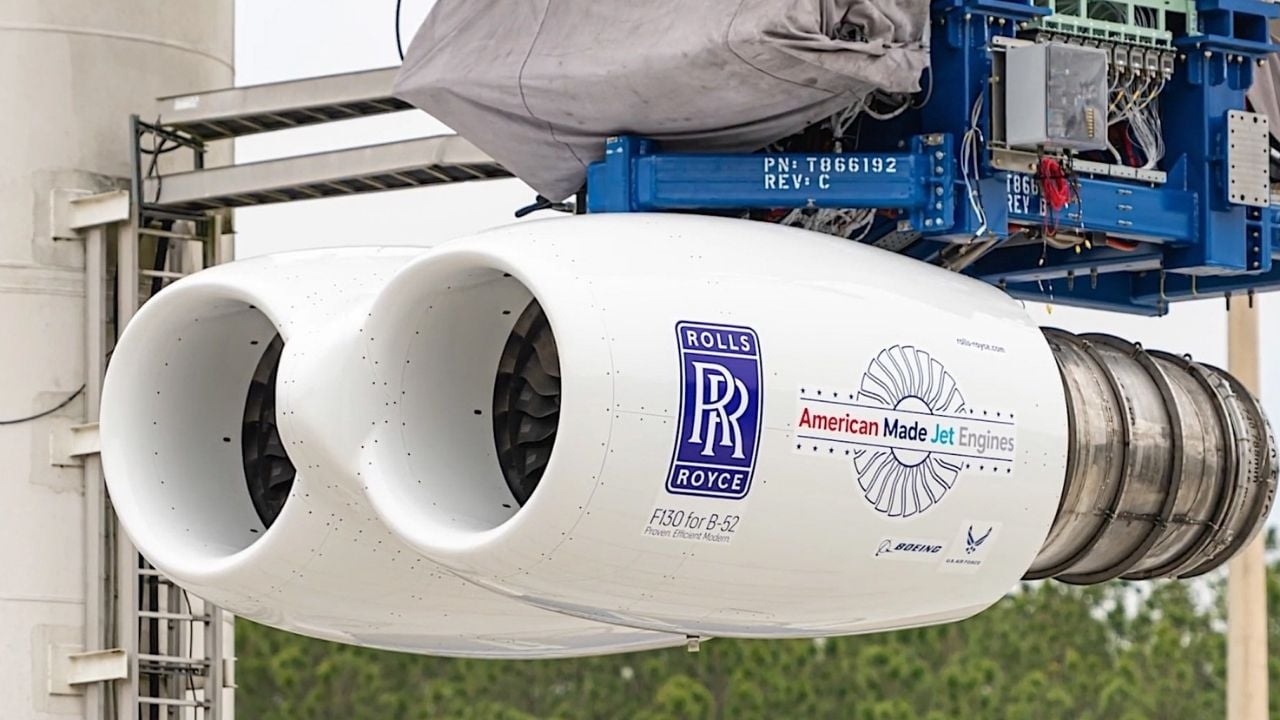
The engines chosen for the strategic bomber are the Rolls-Royce F130 engines, a derivative of those in the BR family. This family of engines has been around for 13 years, and the F130s have powered the C-37 and E-11 BACN aircraft. But for the B-52, they have been adapted to work in pairs, with two engines inside the same pod.
In February 2026, Rolls-Royce announced that sea-level testing of the hardware and software for the engines had taken place at the company’s facility in Indianapolis and at the NASA Stennis Space Center in Mississippi. The design review was completed in May 2026, and the new engines are expected to be installed on the aircraft in 2028. But they are far from the only thing that the giant American bomber is set to have upgraded.
The radar in the bomber is also due for an upgrade. At the moment, the B-52s fly with a 1980s-era APQ-166 analog radar system. This will be replaced with an off-the-shelf military Active Electronically Scanned Array Radar (AESA) system, the APQ-188. A variant of this is currently used on the F-15 Eagle and F/A-18 Hornet fighter jets. The new radar system and engines will really bring the American bomber right into the 2020s. But more upgrades are also on the way.
More Upgrades Are Coming for the Boeing B-52
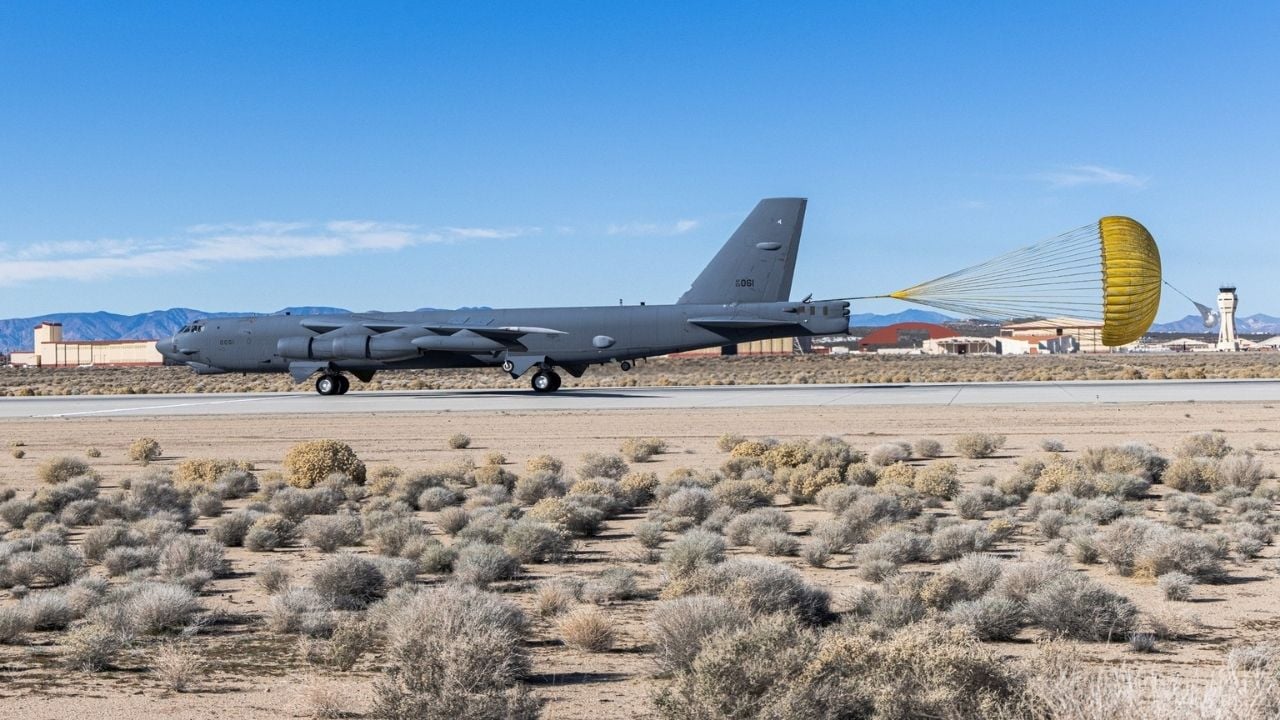
Boeing is looking to enhance the nuclear command-and-control communications on the aircraft, as well as its conventional beyond-line-of-sight capabilities. New weapons integration is being planned, which will include the latest versions of the Long-Range Anti-Ship Missile and Joint Air-to-Surface Standoff Missile. This is all about ensuring the B-52 is as capable as it possibly can be, even when we have the likes of the B-21 Raider stealth bomber joining the fray in a few years.
This latest version of the strategic bomber will be called the B-52J. Even with all its new systems, the more modern and efficient engines will ensure it needs less fuel, requires less money to maintain, and will also be easier to maintain. The upgrades are expected to cost up to $20.2 billion in total. The structural integrity of each aircraft will also be tested as they go through the upgrade process, but so far, it appears that the airframes will be able to handle the new engines and upgraded systems for many years.