
Buying a new car in America isn’t getting any easier on the wallet. Prices have climbed again, incentives are shrinking, and shoppers looking for affordable alternatives are increasingly competing for the same used vehicles.
August brought another unwelcome milestone. According to Kelley Blue Book data, the average new-vehicle transaction price in the U.S. reached $50,089, crossing $50,000 for the first time this year.
Sticker prices are moving in the same direction. The average MSRP climbed to $51,852 in August, while manufacturers simultaneously offered smaller incentives than they did a year earlier.
Anyone who can postpone a purchase might therefore want to hold off a little longer. CarEdge co-founder Ray Shefska told the Detroit Free Press that he believes December could bring a better opportunity as automakers and dealers attempt to clear remaining 2026-model inventory.
New Cars Now Average More Than $50,000

Kelley Blue Book’s August average transaction price was 1.9% higher than a year earlier, while the average MSRP increased 2.2%. Those numbers reinforce an affordability problem that has pushed the typical new vehicle well beyond what many households can comfortably spend.
Incentives aren’t providing as much relief, either. Average incentives amounted to 6.5% of transaction prices during August, down from 7.2% one year earlier.
Shefska also pointed to advertised dealership prices. Citing Automotive News data, he said the average marketed new-car price had reached $52,576 on September 11, which was $2,682 higher than a year earlier.
There are still relatively affordable corners of the new-car market. Subcompact SUVs had an average transaction price of $31,149 in August, although even that represented a 2.2% year-over-year increase.
Why December Could Be The Time To Buy
Shefska believes automakers may be saving some of their incentive spending for November and December. With 2027 models arriving, manufacturers and dealers would have an obvious reason to offer stronger deals to clear remaining 2026 inventory before the year ends.
“If someone is looking for a new car, the play is to wait as long as they can into December,” Shefska told the Detroit Free Press.
That doesn’t guarantee every vehicle will suddenly become cheaper around Christmas. Popular models with limited inventory may offer little reason for dealers to negotiate, while outgoing vehicles sitting unsold could potentially receive considerably stronger incentives.
The delayed arrival of some 2027 models could complicate matters further. Shefska expects prices for the new model year to increase as well, making leftover 2026 vehicles particularly interesting if manufacturers eventually increase discounts.
Used Cars Aren’t Providing Much Relief
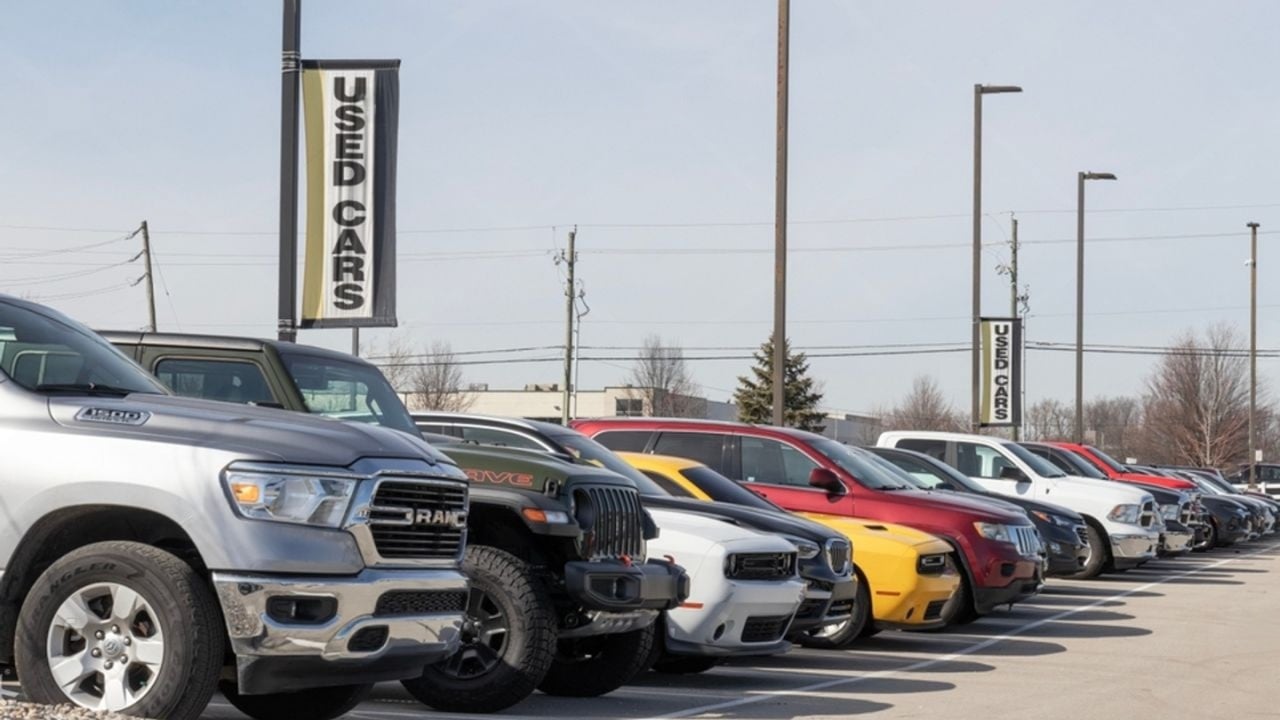
Simply abandoning the new-car market doesn’t necessarily solve the affordability problem. Demand for less expensive used vehicles is strong, particularly for cars priced below $30,000.
Shefska cited CarGurus data showing used-vehicle demand increased 2.3% year over year in August while the average price remained at $30,200 for a fourth consecutive month. Vehicles below $30,000 had around 52 days of supply, compared with 91 days for used vehicles priced above $80,000.
One alternative he recommends is looking for former dealership service loaners that have been converted into certified pre-owned vehicles. These cars may only have a few thousand miles, often retain substantial warranty coverage, and, according to Shefska, can potentially save buyers between $6,000 and $8,000.
Waiting until December won’t work for someone whose current car needs replacing immediately. For shoppers who have the luxury of time, however, the possibility of stronger year-end incentives could make patience worth a few thousand dollars.