Ford’s efforts to tap Chinese automotive technology have increasingly attracted attention in Washington. Now, the Trump administration is publicly calling on the Detroit automaker to rethink those relationships.
According to Reuters, U.S. Transportation Secretary Sean Duffy sent a letter to Ford CEO Jim Farley on September 8 expressing “profound concern” about the company’s dealings with several major Chinese firms. The administration argues those relationships could create national security risks.
Ford isn’t accepting the criticism, and the automaker fired back at Duffy’s letter, defending its strategy and accusing the Transportation Secretary of trying to generate headlines.
The dispute comes as Washington continues tightening its approach toward China’s rapidly expanding automotive industry. Ford, meanwhile, has been exploring ways to benefit from Chinese technology and manufacturing expertise while maintaining production in the United States.
CATL Is A Major Point Of Contention
One of Duffy’s biggest concerns involves Ford’s relationship with battery giant CATL. Ford is licensing CATL technology for its battery plant in Marshall, Michigan, a project that has already faced political scrutiny.
Duffy said the Department of Transportation was “deeply alarmed” by Ford’s reliance on the Chinese company’s technology. He specifically noted that CATL appears on a Pentagon list of companies accused of links to China’s military.
Ford argues the arrangement should be viewed differently from importing Chinese-made batteries. The company owns the Michigan factory, controls its operations, and employs the workers there while licensing CATL’s battery technology.
“While others continue to import Chinese batteries, Ford is investing to build batteries here in America,” the automaker said in response. Ford described Duffy’s letter as a “wrongheaded attempt to capture headlines.”
Geely And BYD Are Also In Washington’s Sights
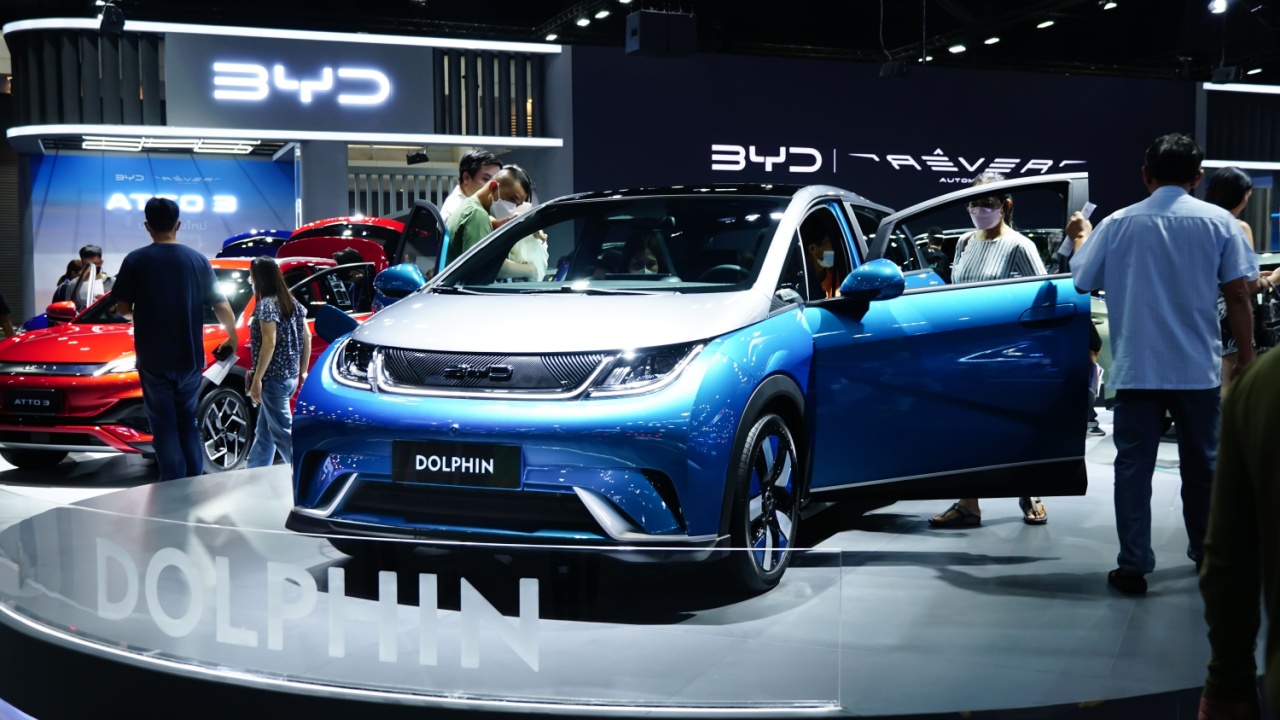
Duffy also raised concerns about Ford’s dealings with Chinese automakers Geely and BYD. Earlier this year, Farley reportedly discussed the possibility of facilitating Chinese joint ventures on U.S. soil with administration officials at the Detroit auto show.
Ford’s relationship with Geely has already drawn criticism from lawmakers. In July, Representative John Moolenaar, chairman of the House Select Committee on China, argued that cooperation with Geely could further strengthen China’s position in European automotive markets.
The Lincoln Nautilus also received attention in Duffy’s letter. Ford currently builds the SUV in China and doesn’t plan to shift its production to the United States until 2030, leaving the company dependent on Chinese manufacturing for the model for several more years.
Ford Is Being Told To Cut Ties

Duffy’s message goes beyond asking Ford to reconsider individual projects. He went as far as urging the automaker to sever its relationships with major Chinese companies, arguing that deeper dependence on strategic competitors undermines Ford’s position as a reliable partner to the U.S. government.
The confrontation comes shortly before President Donald Trump is expected to meet Chinese President Xi Jinping later this month. Congress is simultaneously considering tighter restrictions on Chinese vehicles entering the American market.
That puts Ford in an awkward position. Chinese companies have developed technology and manufacturing expertise that global automakers understandably want access to, while Washington increasingly views those same relationships through the lens of economic and national security.
For now, Ford doesn’t seem to back down, and its unusually sharp response to Duffy shows the automaker believes working with Chinese technology and investing in American manufacturing don’t have to be mutually exclusive.