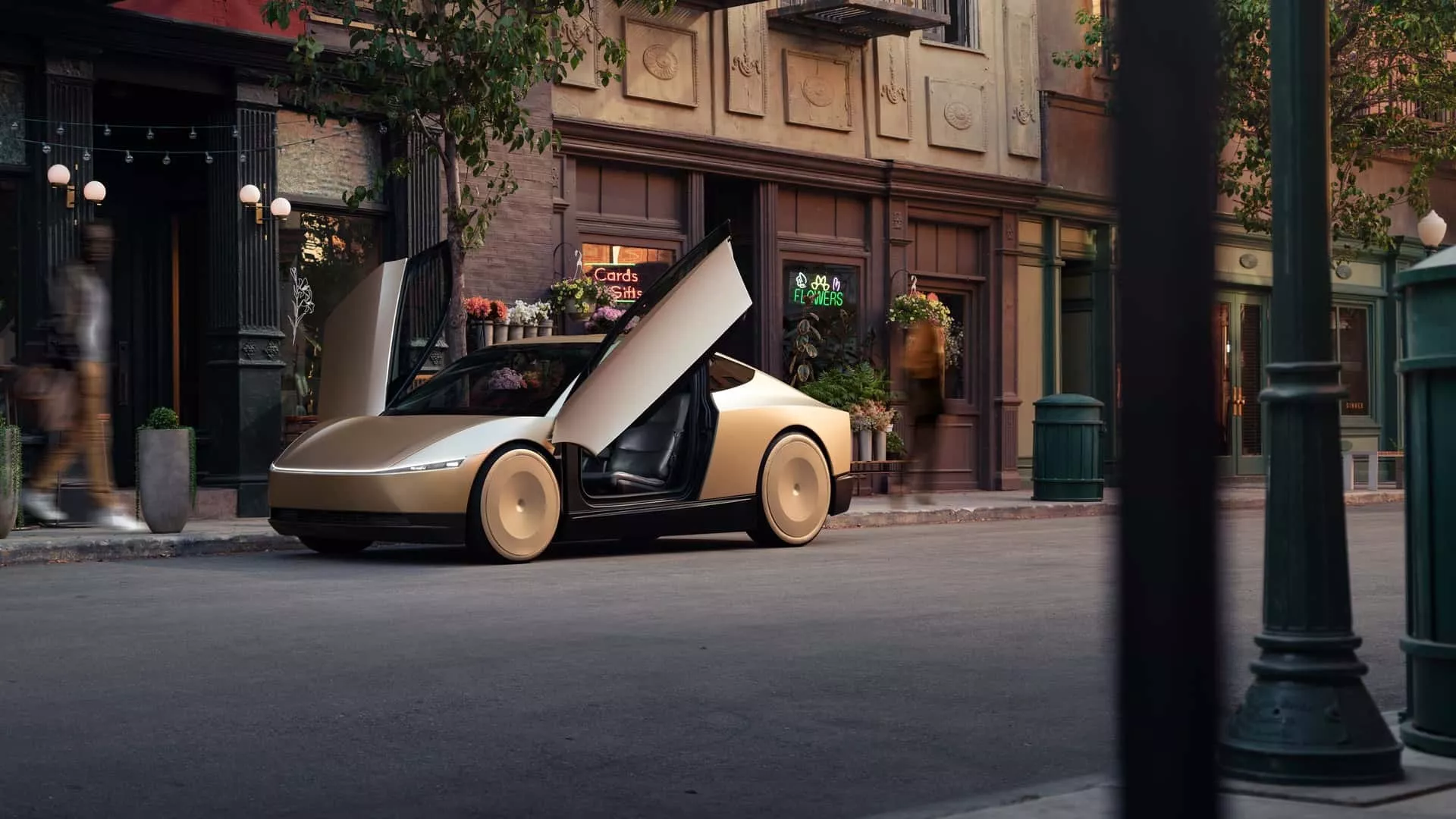
Tesla’s Cybercab has finally crossed an important line from futuristic prototype to commercial vehicle. A small number are now carrying paying passengers in Austin, Texas, without the steering wheel and pedals you’d normally expect to find inside a road-going car.
Those missing controls have always been fundamental to the Cybercab’s design. They also raise an interesting regulatory question now that Tesla is putting the purpose-built autonomous vehicle into commercial service rather than simply demonstrating it.
NHTSA opened an investigation on September 3, the same day Tesla began the Cybercab’s commercial deployment. Tesla informed the agency that it had certified the vehicles as compliant with all applicable Federal Motor Vehicle Safety Standards, or FMVSS.
The regulator isn’t accusing Tesla of breaking those standards. Instead, it wants to understand how the automaker determined which federal requirements apply to a vehicle designed from the outset to operate without a human driver.
NHTSA Wants To See Tesla’s Homework
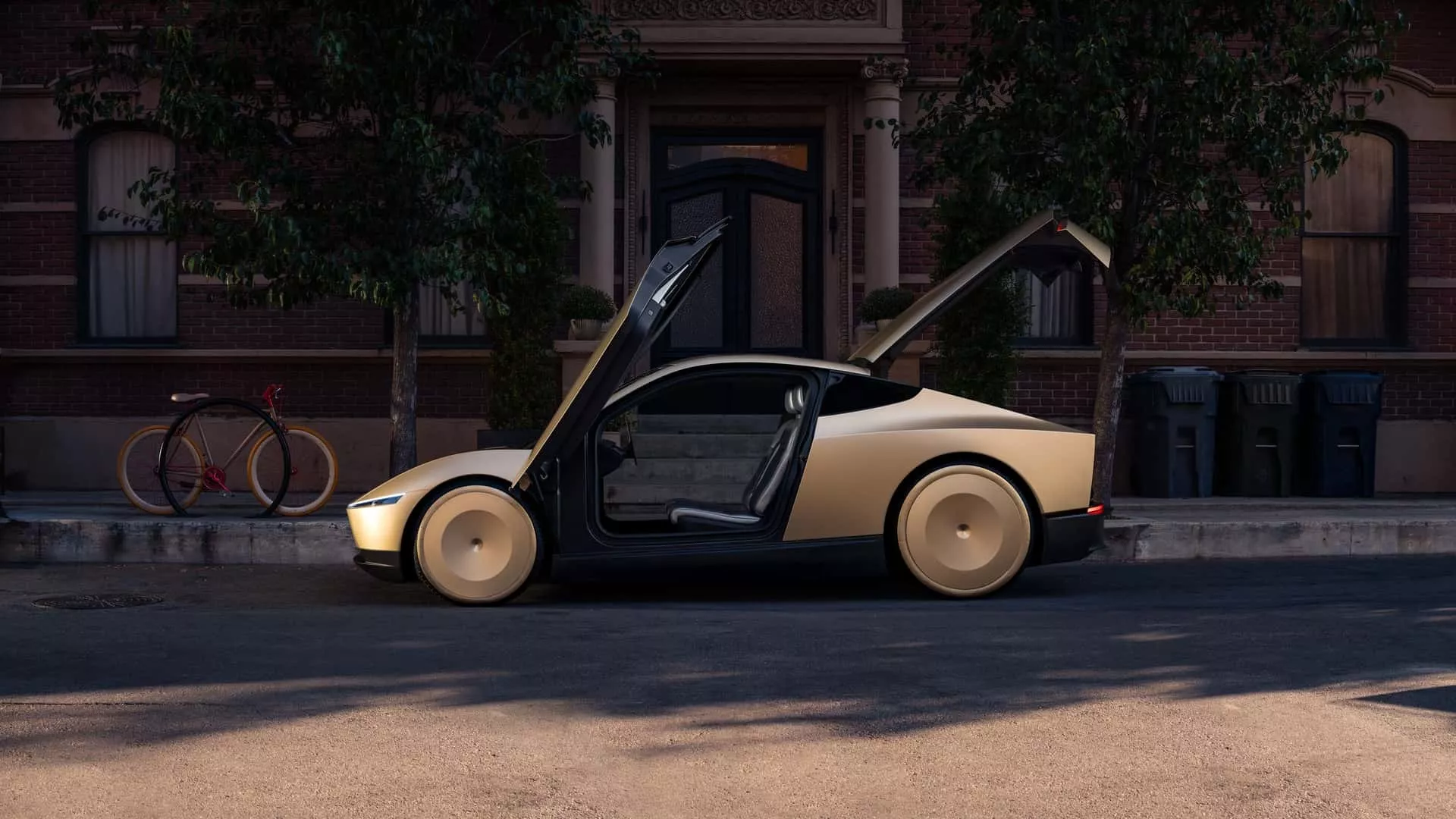
Unlike a conventional car, the Cybercab lacks permanently attached manual controls, including a steering wheel, brake pedal, accelerator pedal, and mirrors. Those omissions put it in unusual territory because many existing safety standards were developed around vehicles controlled by human drivers.
NHTSA says its investigation will examine the process and technical data Tesla relied upon when certifying the Cybercab. Importantly, the agency will also look at whether Tesla’s certification depended on determining that certain FMVSS requirements simply aren’t applicable to the vehicle.
Automakers generally self-certify that their vehicles meet applicable federal safety standards, so Tesla’s decision to certify the Cybercab itself isn’t unusual. The interesting part is how those standards were interpreted for a vehicle deliberately designed without traditional driving controls.
There’s Already A Precedent
Tesla isn’t the first autonomous-vehicle company to encounter this issue. NHTSA previously opened a similar audit query involving Zoox and its unconventional robotaxi, which also lacks conventional controls.
Zoox eventually received a temporary exemption in July 2026, allowing commercial deployment under certain conditions. Its exemption permits the company to add up to 2,500 vehicles annually to its commercial fleet for two years.
Whether Tesla will need to follow a similar path is not clear, as NHTSA’s investigation has only just opened, and the filing doesn’t conclude that Tesla improperly certified the Cybercab or indicate that its current fleet must stop operating.
The Rules Are Changing, Just Not Yet
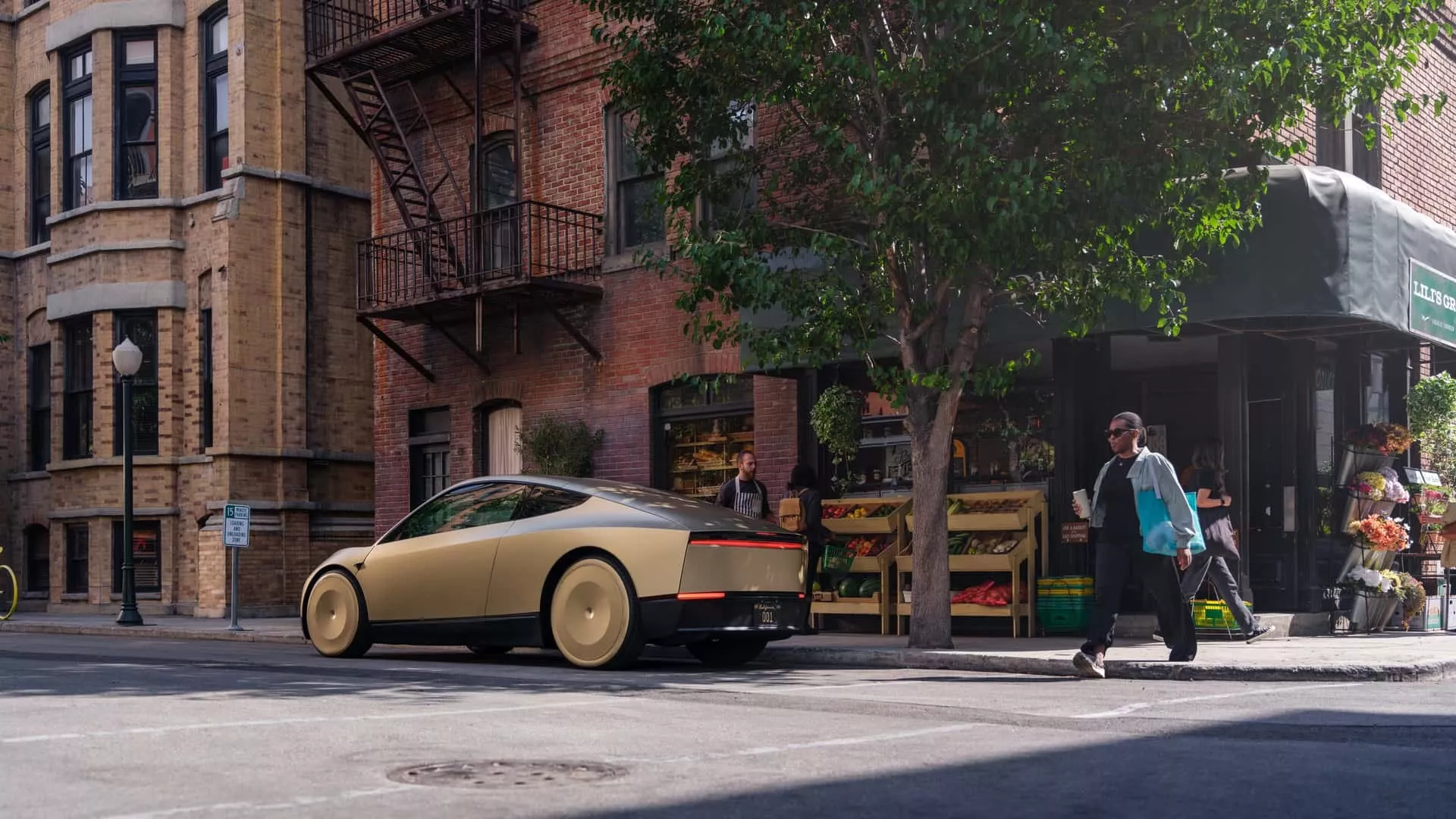
The timing makes the situation particularly interesting because federal regulators are already working to modernize standards that were written with human-driven vehicles in mind. NHTSA has acknowledged that updates are underway to remove unnecessary regulatory barriers for autonomous vehicles.
Those revisions aren’t finished, however, and the agency emphasized that existing standards remain in force until they are changed. Tesla also told NHTSA that it intends to gradually expand Cybercab deployment to additional vehicles and locations.
For now, the Cybercab’s commercial debut can continue while regulators examine exactly how Tesla got it there. Whether NHTSA agrees with the company’s interpretation of rules written for cars that were never expected to drive themselves remains to be seen.