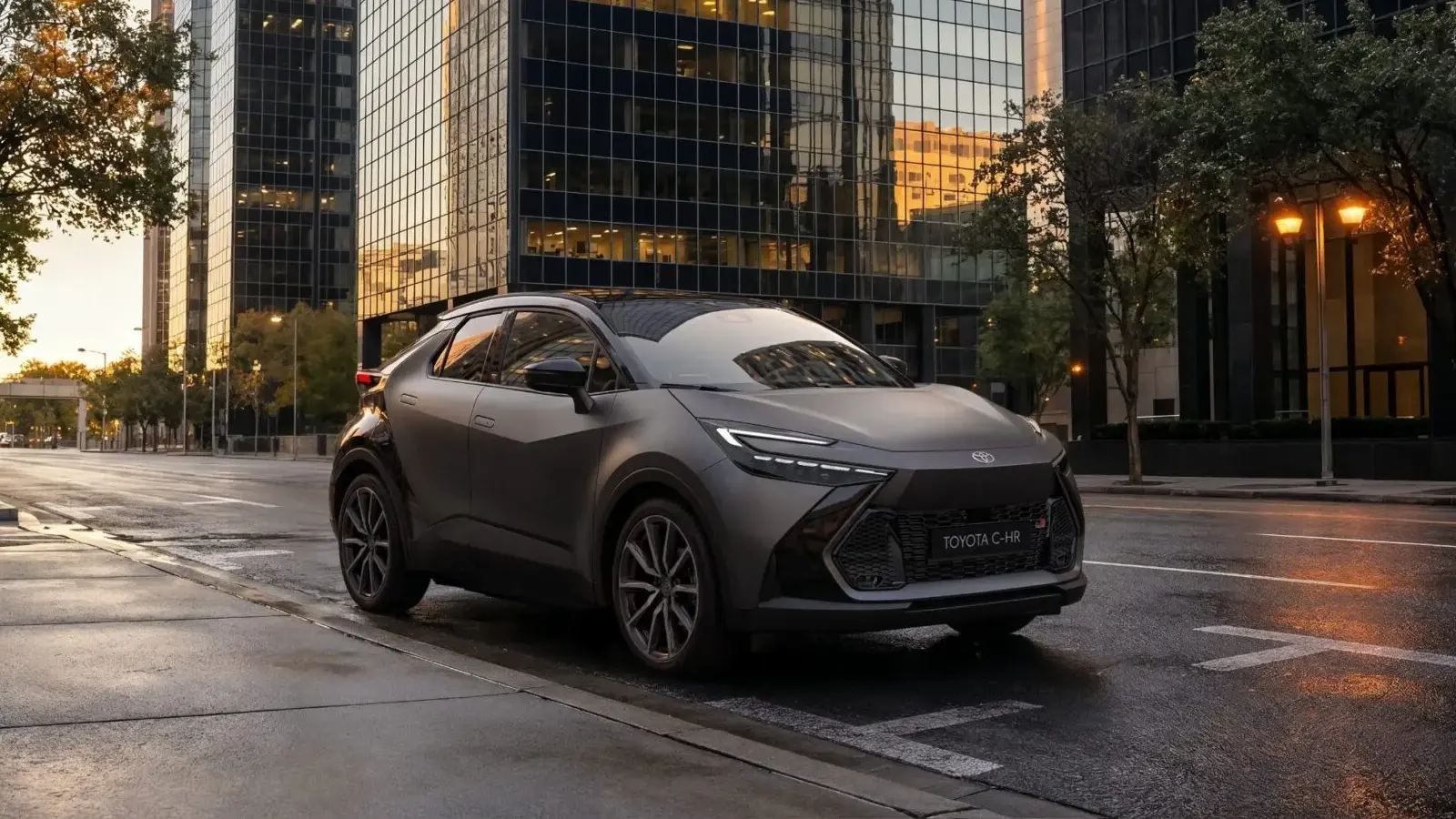
Toyota has given the C-HR GR Sport a darker new look for 2027, and the result fits the crossover’s angular shape remarkably well. Onyx Grey matte paint and contrasting black bodywork make this one of the more sinister-looking versions of the C-HR yet.
The timing isn’t accidental, either, as the C-HR is celebrating a decade on the market. What began as an unusually styled compact crossover in 2016 has since accumulated 2.1 million global sales, including over 1.2 million in Europe.
Toyota Europe revealed the updated GR Sport alongside a streamlined 2027 C-HR lineup that is already available to order. The changes don’t transform it into a full-blown GR performance model, but Toyota has given its flagship trim enough visual and chassis distinction to separate it from the rest of the range.
There’s one catch for American enthusiasts who like what they see. The C-HR currently sold in the U.S. shares the name, but it’s a different electric crossover, leaving this smaller hybrid GR Sport on the other side of the Atlantic.
Onyx Grey Gives The C-HR A Meaner Look
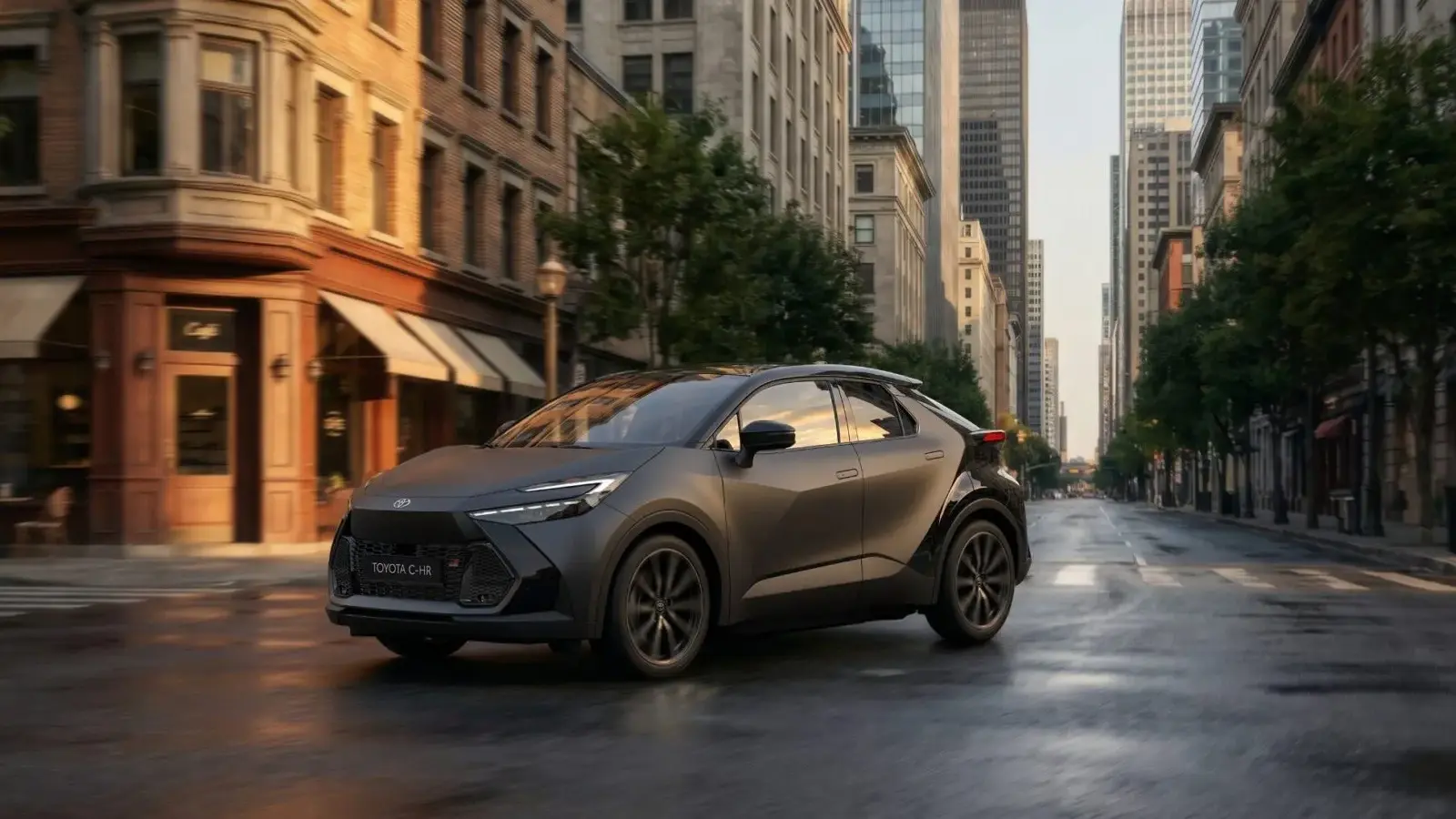
The biggest change for 2027 is the new Onyx Grey matte paint, available exclusively on the GR Sport. Toyota combines it with its bi-tone+ treatment, spreading contrasting black across the roof and rear portions of the body.
New 20-inch matte grey alloy wheels finish the exterior update, replacing the previous 19-inch design. The combination works particularly well with the second-generation C-HR’s already dramatic bodywork, including its sharp creases, coupe-like roofline, and flush door handles.
The cabin receives a smaller equipment change, with a head-up display now fitted as standard. Buyers can also specify features including a panoramic roof and a JBL premium audio system.
GR Sport Doesn’t Mean More Power
Despite the badge and more aggressive appearance, Toyota hasn’t given the C-HR GR Sport an additional injection of horsepower. European customers continue to have three electrified powertrain choices.
The entry point is a 1.8-liter hybrid producing 140 DIN hp, followed by a 2.0-liter hybrid rated at 180 DIN hp. Sitting at the top is the 2.0-liter plug-in hybrid, which produces 223 DIN hp. Toyota says it can travel up to 66 km (41 miles) on electric power in the combined WLTP cycle, while its estimated electric range increases to around 100 km (62 miles) when driven specifically in city and urban conditions.
Its Predictive Efficient Drive system includes geo-fencing technology that can preserve battery charge and automatically prioritize electric operation when approaching certain low-emission or EV-only zones.
There Are Chassis Upgrades, Though
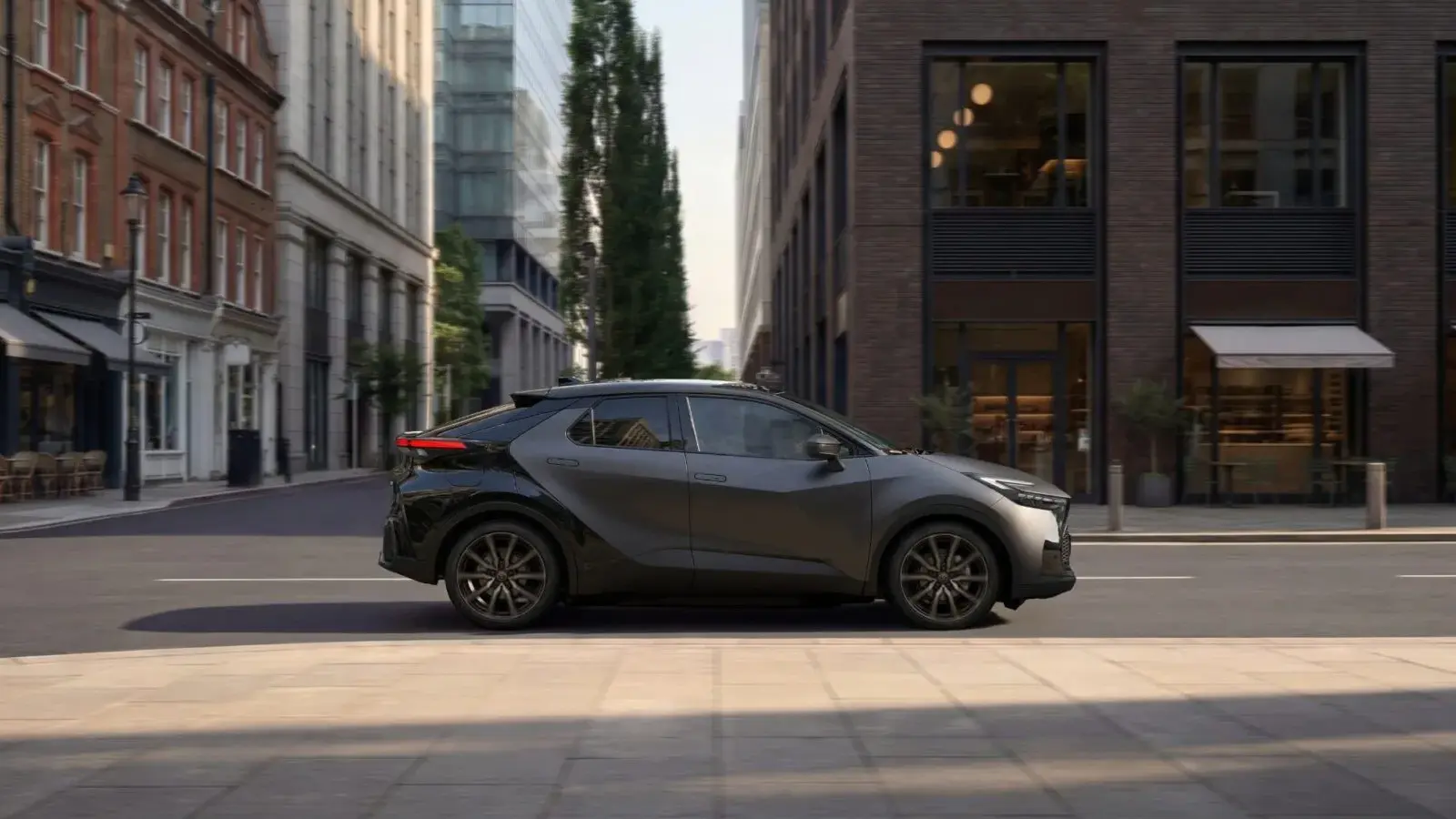
The GR Sport isn’t purely a styling package. Toyota equips it with Frequency Selective Control shock absorbers that automatically alter damping behavior to balance handling and ride comfort depending on road conditions.
A dynamic damper fitted to the front strut is also intended to reduce vibration and road noise. Toyota says these features complement the GR Sport’s motorsport-inspired chassis tuning, giving the crossover a sharper character without sacrificing everyday usability.
That approach makes sense for the C-HR, as this isn’t intended to be a full GR performance model, so the emphasis is on making the crossover feel more responsive while retaining the efficiency expected from its hybrid powertrains.
America’s C-HR Is A Different Vehicle Now
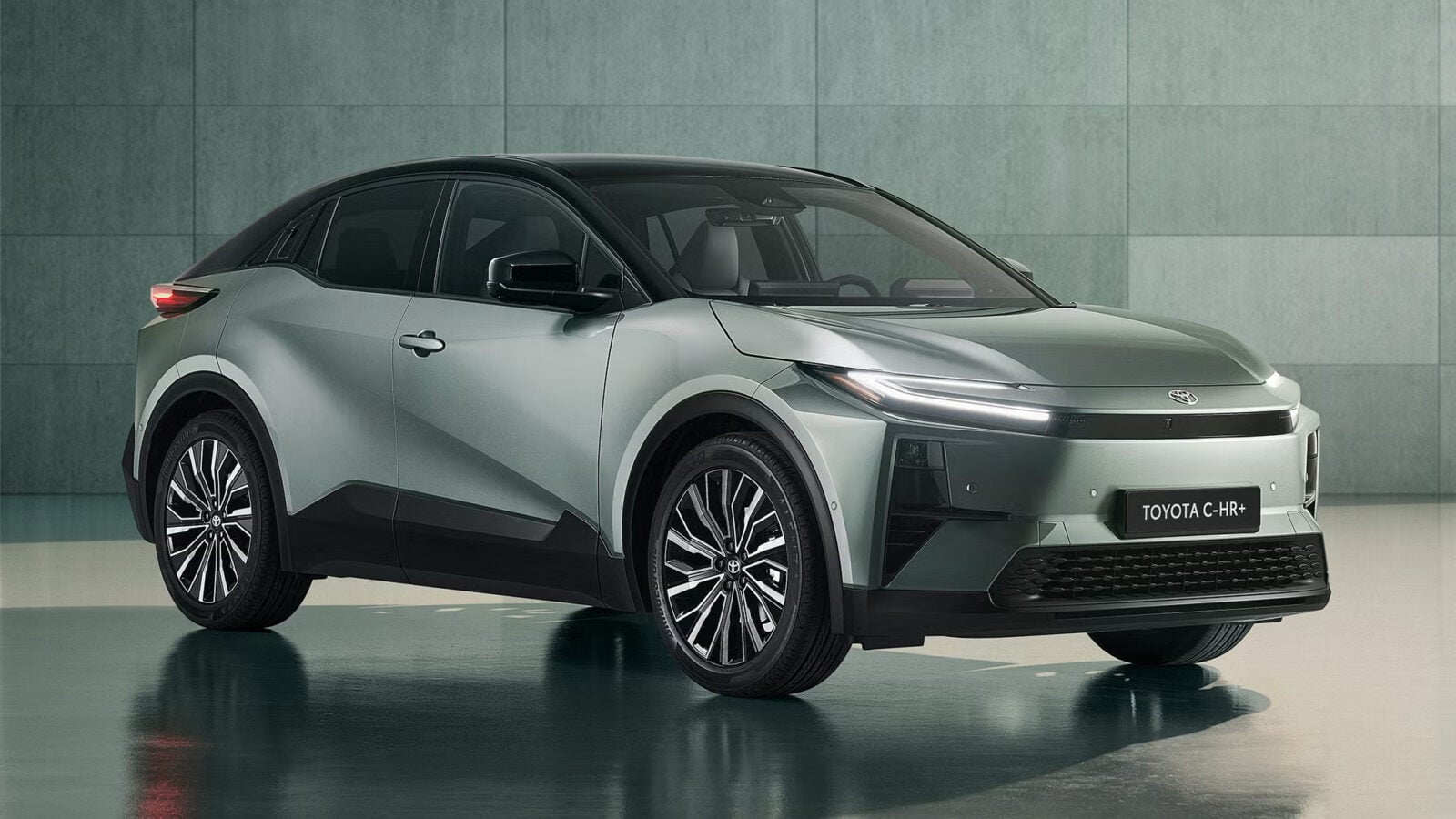
The C-HR disappeared from Toyota’s U.S. lineup after the 2022 model year, and the second-generation European crossover never followed it across the Atlantic. Toyota instead revived the name in America for an electric crossover that is related to Europe’s C-HR+.
That means U.S. buyers won’t get this matte grey GR Sport with its compact dimensions and hybrid powertrains. It’s an unfortunate distinction for anyone who prefers the European model’s unusual styling and increasingly rare small-crossover footprint.
For Europe, meanwhile, the 2027 C-HR range has been simplified to Mid, Mid+, High, and GR Sport grades, with orders already open. Ten years after the original C-HR arrived, Toyota clearly isn’t interested in toning down the design that helped make it stand out in the first place.