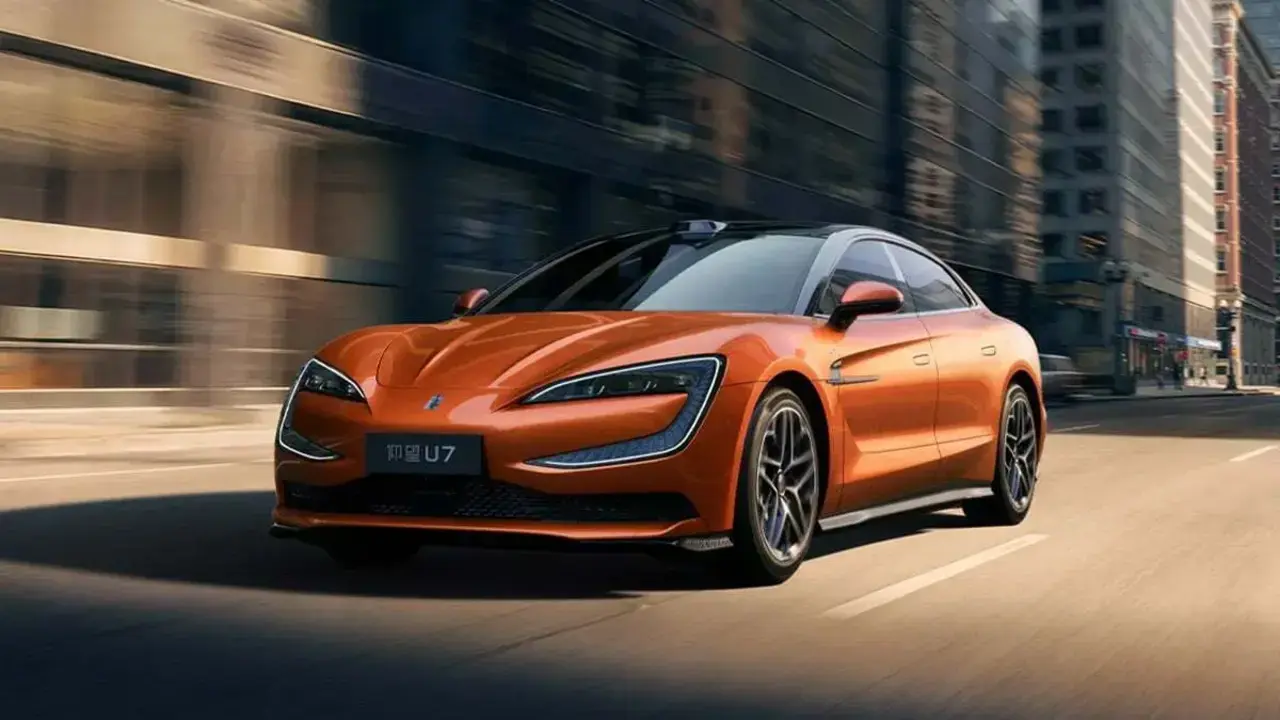
Fast charging is one of the great conveniences of modern electric cars, but repeatedly hammering a battery with high charging rates is hardly the gentlest way to treat it, and battery degradation is a concern as carmakers keep pushing charging speeds ever higher.
BYD is one of the companies that have been particularly aggressive on that front. Its latest battery technology is designed around dramatically reducing charging times, potentially making lengthy stops at public chargers far less of an inconvenience.
As reported by CarNewsChina, the Chinese automaker recently subjected one of its most expensive electric sedans to an unusually punishing endurance run. The test combined extreme mileage, sustained high speeds, hot and humid conditions, and hundreds of charging sessions into less than nine days.
After all that, BYD checked what all that punishment had done to its battery, and judging by the results, remarkably little capacity had disappeared.
The U7 Covered 30,000 Km In Less Than Nine Days
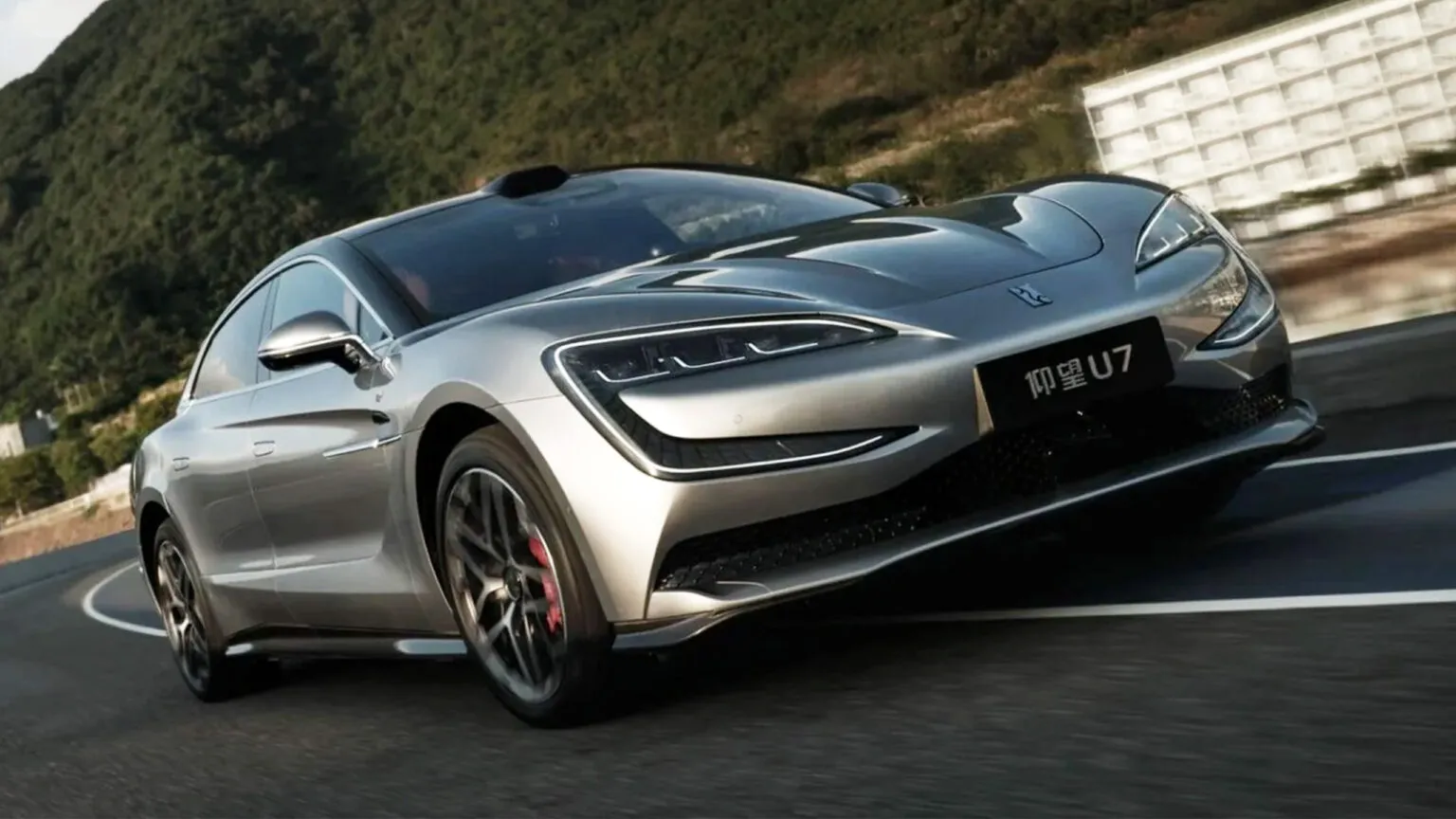
Yangwang says the production-spec U7 covered 30,000 km, or approximately 18,641 miles, in eight days, 19 hours and 58 minutes. The endurance test took place in Nanning, China, where average temperatures reportedly exceeded 36 degrees Celsius, or roughly 97 degrees Fahrenheit.
BYD says the car maintained a continuous cruising speed of 240 km/h, equivalent to 149 mph, while its climate-control system was set to 24 degrees Celsius. Relative humidity reached as high as 80 percent during the test, which added another demanding environmental factor.
Yangwang General Manager Hu Xiaoqing emphasized that the U7 wasn’t some specially prepared prototype, but a regular production vehicle randomly selected from a retail store, with Hu saying Yangwang welcomes independent attempts to verify its results.
More Than 350 Flash Charges Barely Touched The Battery
Keeping an EV moving for nearly 19,000 miles in less than nine days inevitably means spending plenty of time charging. Yangwang says the U7 underwent over 350 flash-charging cycles during the endurance run.
Afterward, BYD measured the battery’s capacity retention at 98.7 percent. In other words, the company says the pack showed just 1.3 percent capacity loss after the extraordinary test.
That’s an impressive company-reported result considering the combination of repeated fast charging, high-speed driving, and hot weather. However, it shouldn’t be interpreted as proof that every U7 battery will lose only 1.3 percent after 30,000 km of normal ownership, since long-term calendar aging and years of everyday charging introduce variables that cannot be replicated in a nine-day endurance test.
The test is still impressive and demonstrates BYD’s confidence in its battery technology. Yangwang says it used 758 U7 test vehicles during the model’s development, collectively accumulating 10.49 million km, or about 6.5 million miles.
Blade Battery 2.0 Is A Major Part Of The Updated U7
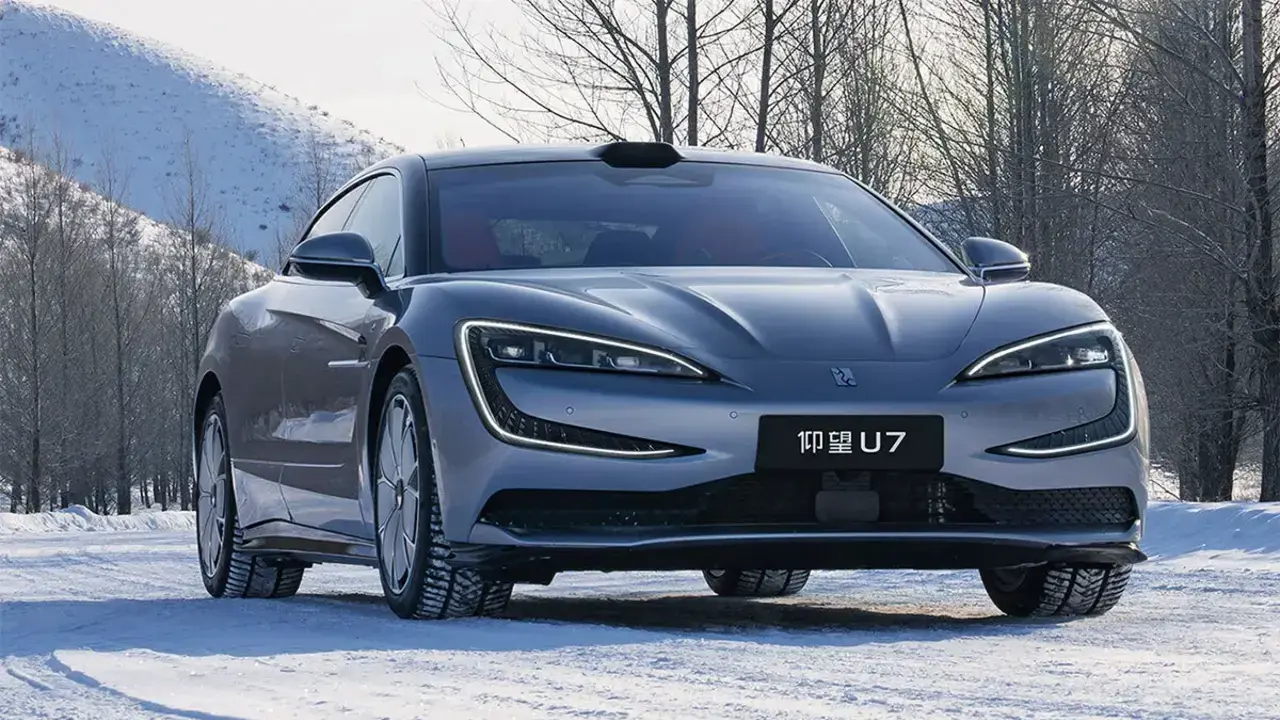
The 2026 Yangwang U7 is the first production vehicle fitted with BYD’s Blade Battery 2.0 technology. The updated electric sedan is available with large 135.5-kWh and 150-kWh battery packs.
The smaller battery is rated for up to 800 km, or 497 miles, under China’s CLTC testing cycle. The 150-kWh version stretches that figure to 1,006 km, or approximately 625 miles, although CLTC figures shouldn’t be directly compared with U.S. EPA range ratings.
Performance is suitably extravagant for a luxury EV starting at the equivalent of roughly $95,400 in China. The electric U7 uses motors at both axles producing a reported combined 1,287 horsepower.
A plug-in hybrid U7 is also available, combining a 52.4-kWh battery with an even higher claimed system output of 1,341 horsepower.
China’s EV Reliability Requirements Are Getting Tougher
The 30,000-km run also took place as China is strengthening reliability requirements for new vehicles. The revised regulatory requirements are taking effect in 2027 and call for traditional passenger vehicles, buses, and trucks to undergo at least 30,000 km of reliability verification testing.
Proposed revisions to standards for new-energy vehicles would establish a similar minimum for battery-electric models. Plug-in hybrids would also face at least 30,000 km of total reliability driving, including a minimum of 10,000 km under electric power.
BYD’s test goes considerably further in intensity than the mileage number alone suggests. Covering nearly 19,000 miles in nine days while flash charging hundreds of times isn’t representative of how any normal U7 owner will use the car, and if BYD’s reported 98.7 percent capacity-retention figure stands up to independent scrutiny, its latest Blade Battery has endured one exceptionally harsh introduction to life.