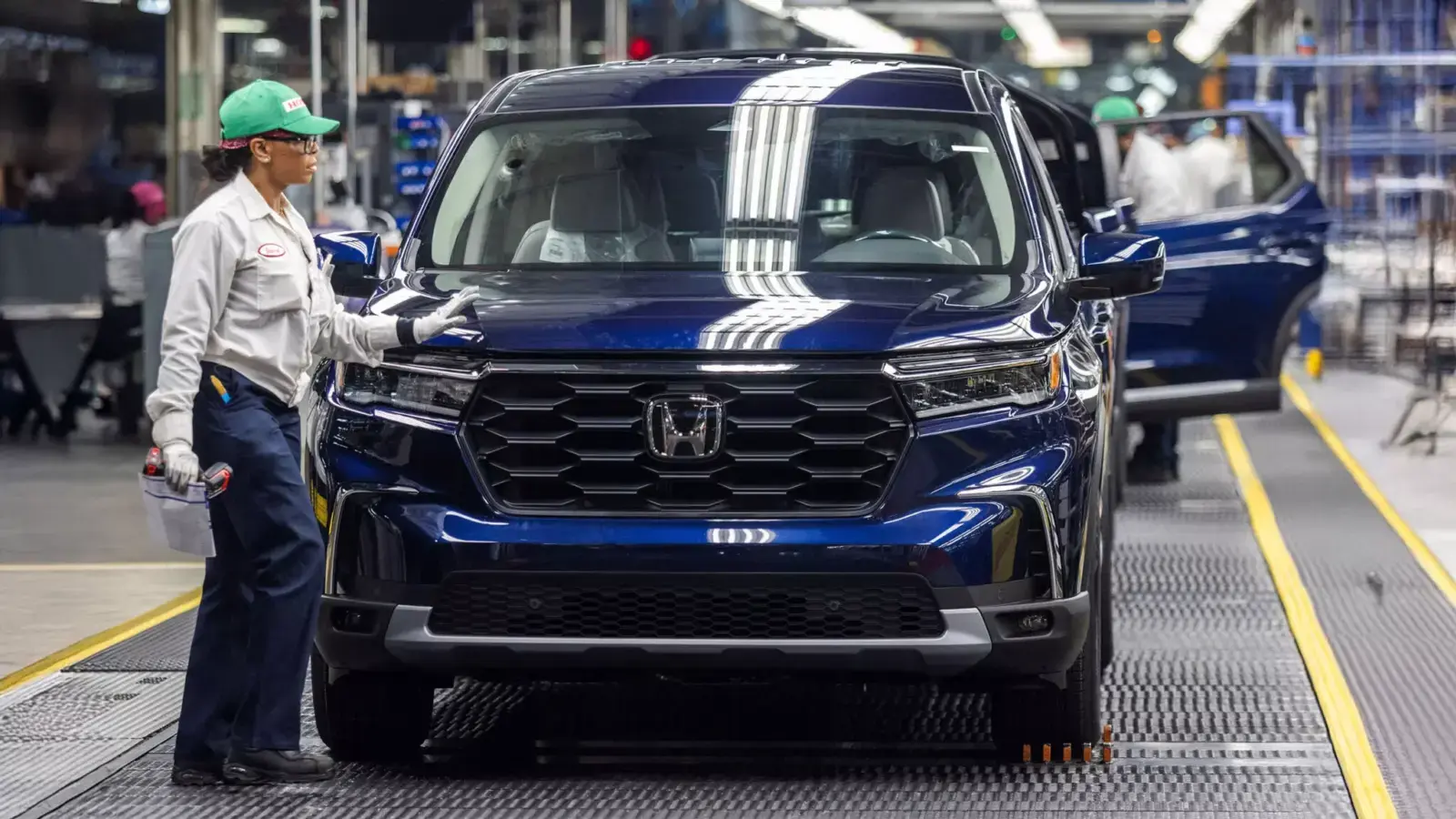
Honda is running out of room to build cars in North America, and the obvious solution would be another assembly plant. Whether that factory actually gets built, however, could depend heavily on what happens with the United States-Mexico-Canada Agreement.
Honda Executive Vice President Noriya Kaihara says the automaker is approaching full production capacity across its North American manufacturing network. The company believes another assembly facility will eventually be necessary and would ideally like to have it operational around 2030.
The problem is uncertainty surrounding USMCA, which is currently the subject of negotiations between the Trump administration, Canada and Mexico. With tariffs creating additional friction across North American trade, Honda is warning that its future manufacturing strategy could change if the agreement doesn’t continue.
That doesn’t mean Honda has canceled a factory or even formally selected a location for one, but major new investment becomes considerably harder to justify without confidence that vehicles and components can continue moving competitively across North American borders.
Honda Says It Needs Another Factory
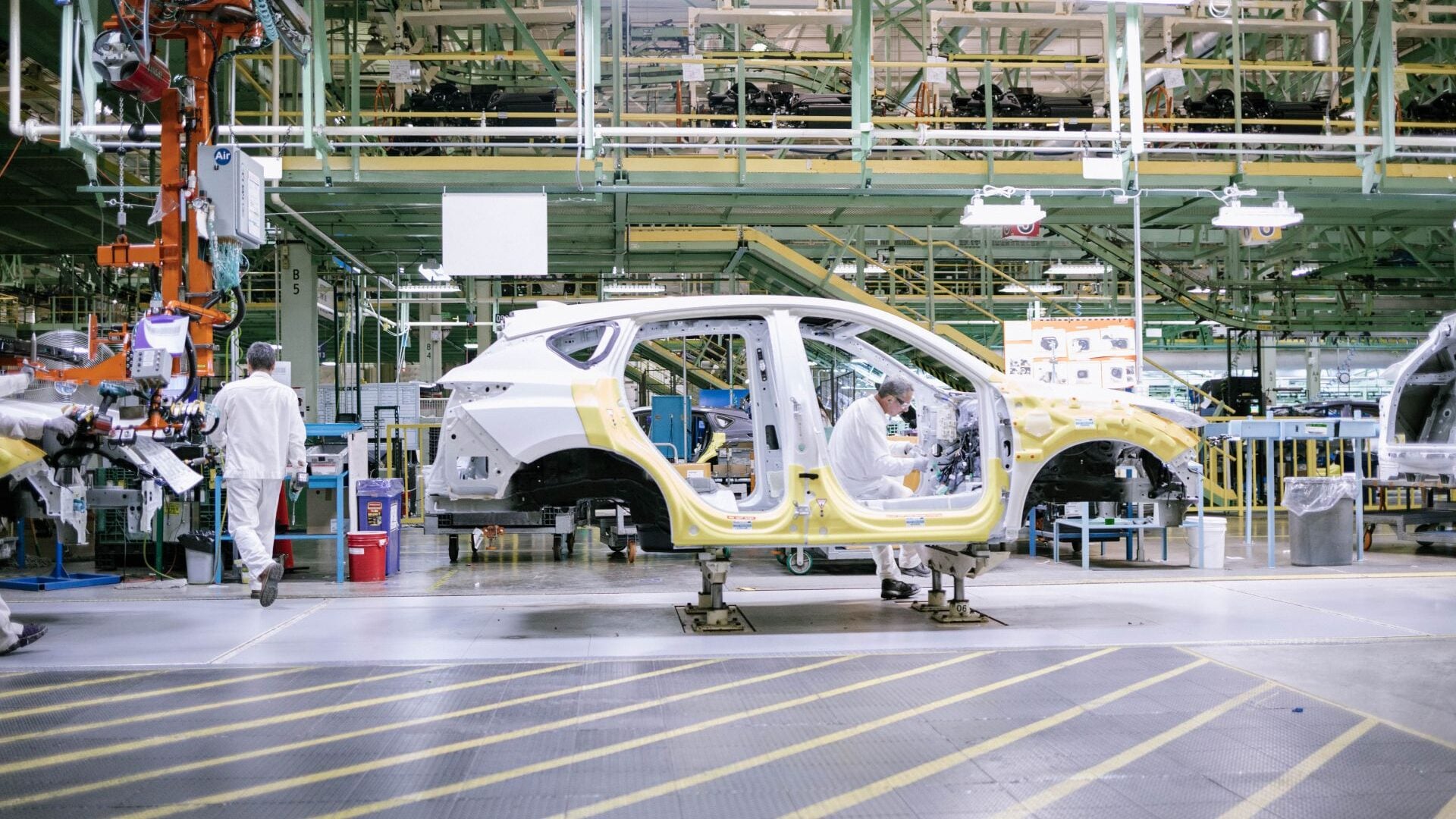
Honda currently operates seven automobile assembly plants across North America, and demand is pushing that manufacturing footprint increasingly close to its limits. Speaking with reporters in Washington, Kaihara indicated that the company expects to make a decision about additional capacity within the next year or two.
“If there is no USMCA agreement in the future, we may have to change our direction,” Kaihara said. Honda’s preferred timeline would see the additional factory operating by approximately 2030, meaning planning and investment decisions can’t be postponed indefinitely.
The potential plant would arrive as Honda experiences strong demand for its hybrids and other fuel-efficient vehicles. The automaker recorded its strongest July in seven years in 2026, according to Reuters, with vehicle sales climbing 36 percent.
Tariffs Are Making Long-Term Planning Harder
Honda’s warning arrives amid renewed trade tension between the United States and Canada. The U.S. recently imposed 50 percent tariffs on $20 billion worth of Canadian products, while Canada has announced retaliatory measures scheduled to take effect on September 8.
Honda told Reuters that it isn’t currently passing those additional tariff costs directly onto North American customers. Maintaining that approach becomes increasingly difficult if substantial trade barriers persist, particularly for an industry with supply chains spanning multiple countries.
Modern automotive manufacturing rarely happens entirely within the country where final assembly takes place. Engines, transmissions, electronics, raw materials, and countless other components routinely cross borders, making predictable trade rules important when manufacturers are deciding where to invest billions of dollars.
Honda isn’t alone in wanting clarity, as Hyundai previously warned the U.S. government that uncertainty surrounding USMCA was slowing investment decisions, claiming an early extension could unlock over $20 billion in new American investment.
Honda Has Already Changed Its North American Plans
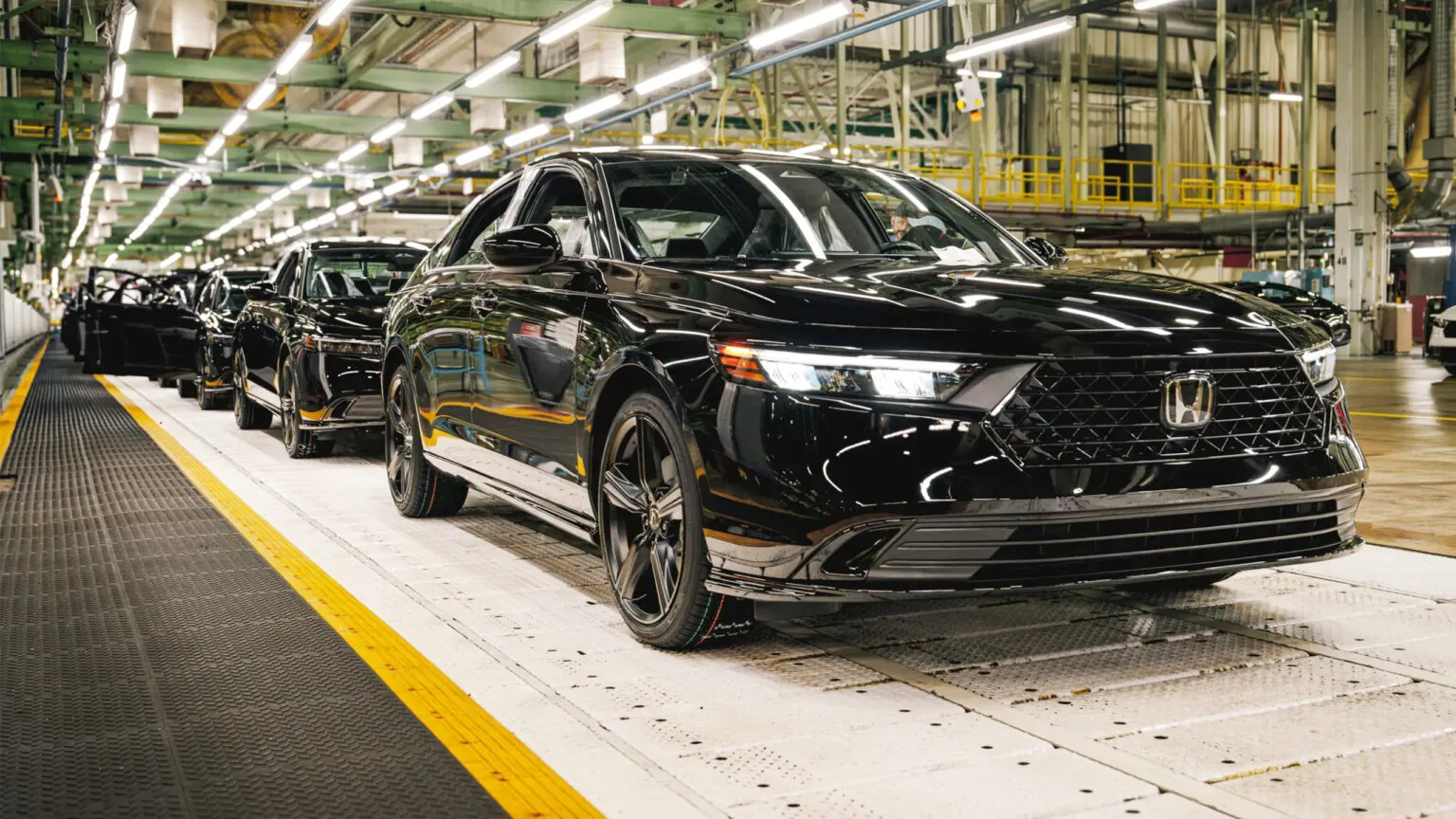
The uncertainty comes during a broader rethink of Honda’s regional investment strategy. Earlier this year, the company indefinitely suspended an approximately $11 billion Canadian EV manufacturing and battery project as it scaled back some of its electric ambitions.
Honda has also canceled three planned EVs for the U.S. market and abandoned its previous target for EVs to account for 20 percent of new-car sales by 2030. Hybrids are becoming a larger part of the strategy instead, with 15 new hybrid models now planned through the end of the decade.
Honda previously announced plans to move manufacturing of the U.S.-bound five-door Civic hybrid from Japan to Indiana, another example of the company adjusting where its North American vehicles are built.
Honda Has A Decision To Make
Honda hasn’t revealed where its potential eighth assembly plant could be located, nor has it committed to building one. Kaihara’s comments instead establish a fairly clear timeline: the automaker needs additional capacity, wants it around 2030, and expects to decide how to proceed within the next couple of years.
That puts trade negotiations directly in the path of a potentially significant manufacturing investment. Automakers can adapt to changes in consumer demand, but planning a multibillion-dollar factory becomes considerably tougher when the trade rules governing its future supply chain are uncertain.