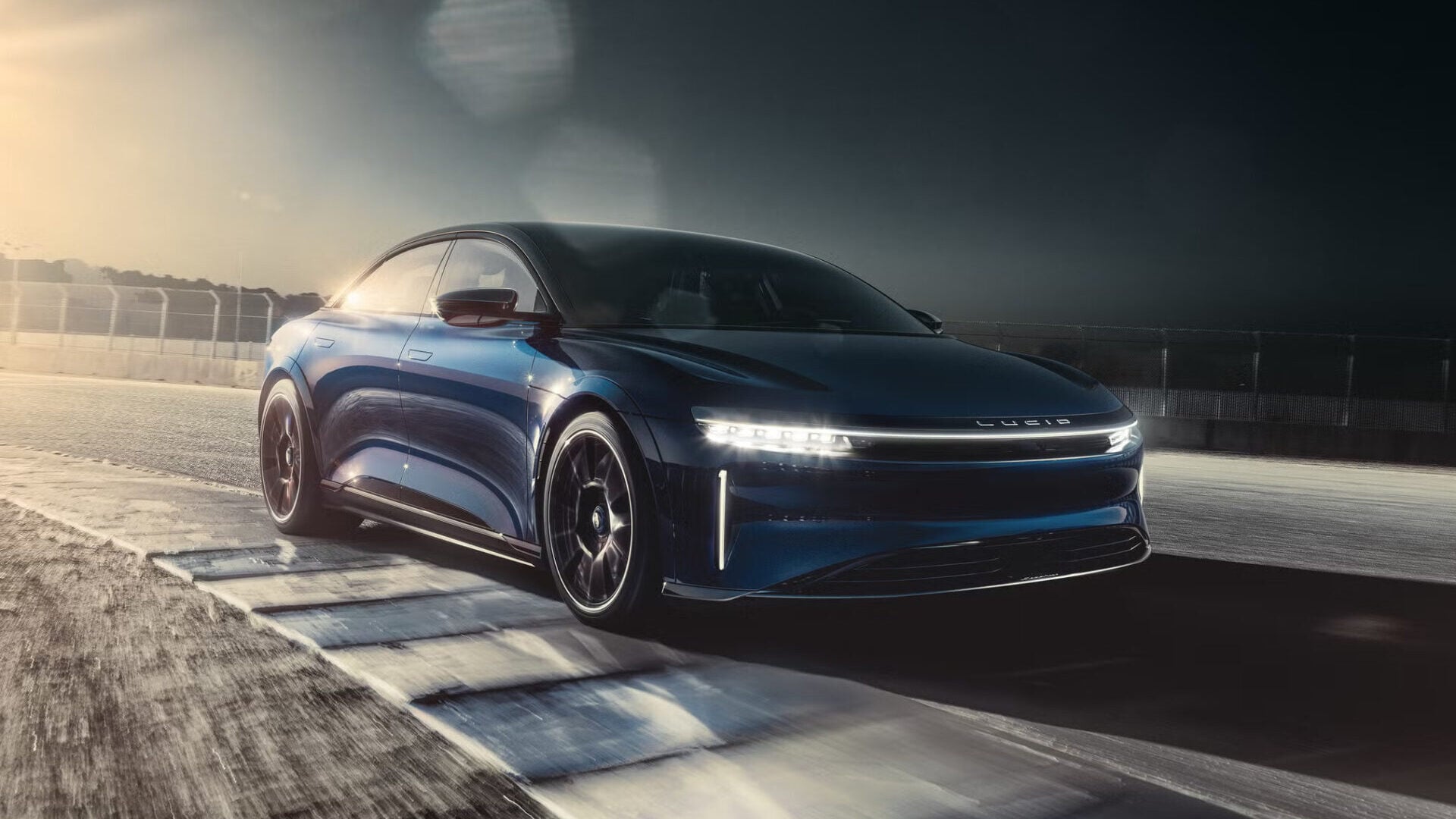
There are fast cars, and then there are cars that make the usual performance hierarchy look badly outdated. Car and Driver’s latest acceleration-and-braking test did exactly that when a four-door electric luxury sedan lined up against some of the quickest supercars on sale.
The challenge was brutally simple: accelerate from a standstill to 200 mph, then brake all the way back to zero. That demands huge power, serious aerodynamic efficiency, stable high-speed behavior, and enough braking performance to haul everything down safely.
The Lucid Air Sapphire did it in just 25.7 seconds. In the process, it comfortably beat the Chevrolet Corvette ZR1X and McLaren 750S, while the Porsche 911 Turbo S never technically completed the test because its limiter intervened at a GPS-verified 199.3 mph.
Perhaps the wildest part is that the Lucid completed the entire 0-200-0 run in less than one mile. That is an extraordinary number for any road car, never mind a roughly 5,300-pound sedan with four doors and a full luxury interior.
The Sapphire Was In Another League Above 150 MPH
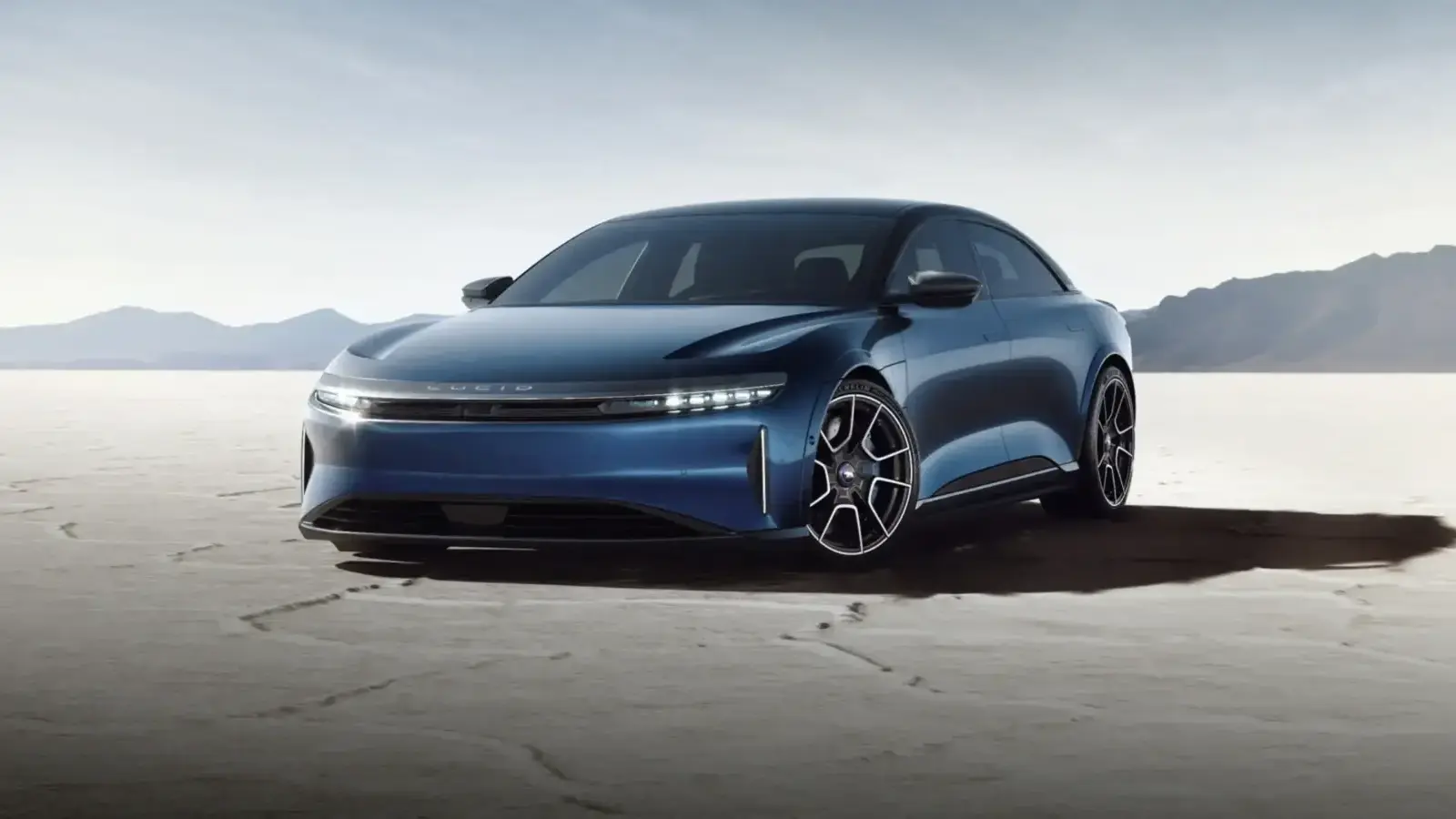
The Air Sapphire’s performance comes from three electric motors, with one driving the front axle and two mounted at the rear. Together, they produce 1,234 horsepower and give the Lucid the kind of all-wheel-drive traction that allows it to leave the line with almost no wasted motion.
The truly decisive advantage appeared once the cars were already traveling very quickly. Car and Driver found that the Sapphire reached 200 mph more than seven seconds before the 1,250-hp Corvette ZR1X and over 13 seconds before the McLaren 750S.
That speaks volumes, because accelerating from 150 to 200 mph is far harder than blasting from zero to highway speeds. Aerodynamic drag rises dramatically as speed increases, meaning outright power and low drag become increasingly important while low curb weight matters less than it does during initial acceleration.
Corvette ZR1X Couldn’t Recover Under Braking
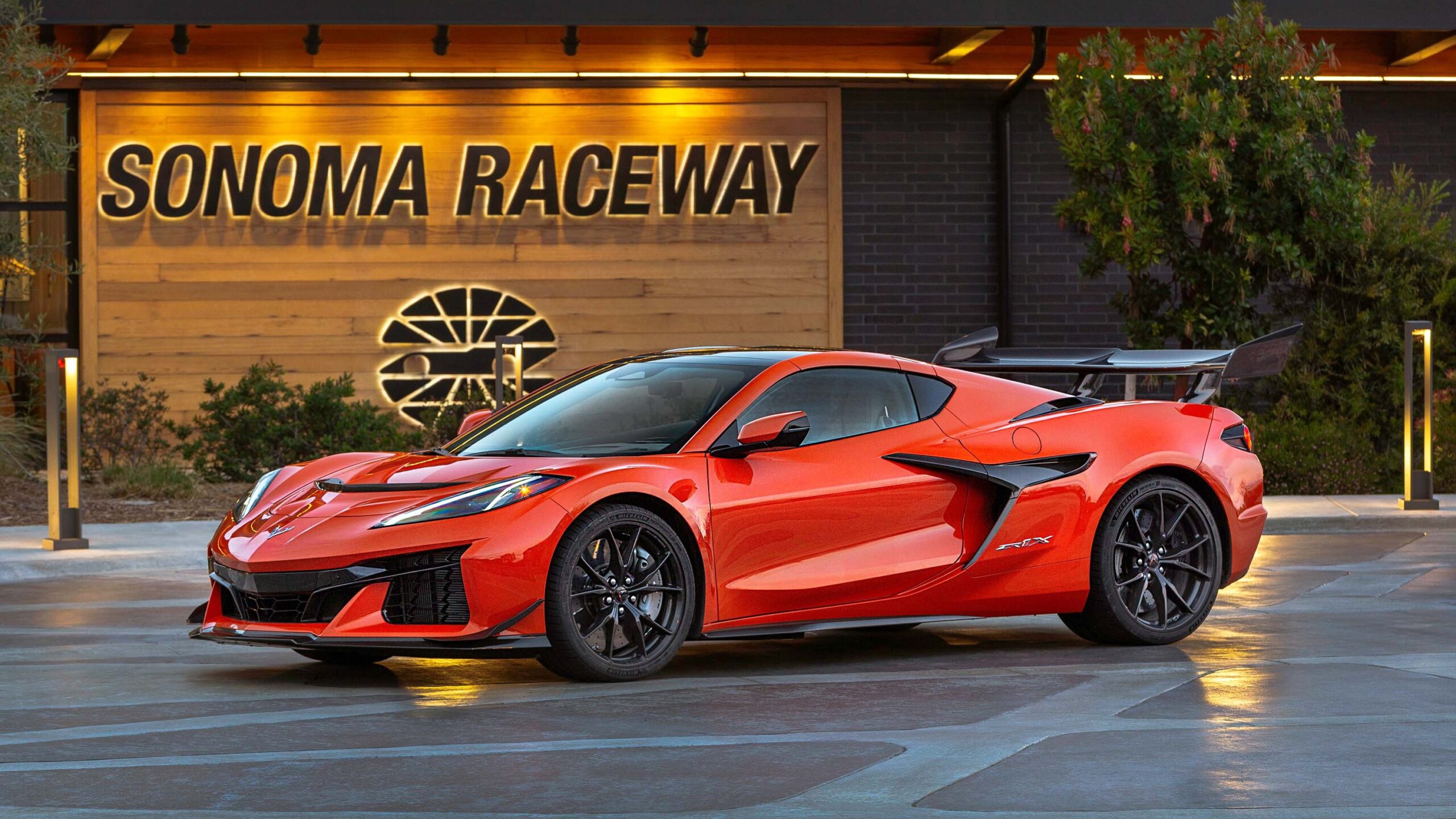
The Corvette ZR1X still put up an extraordinary result. Its twin-turbocharged 5.5-liter flat-plane-crank V8 works with a front electric motor to produce 1,250 horsepower, and it completed the 0-200-0 run in 31.8 seconds.
The Corvette was also far better at slowing down than the Lucid. Its carbon-ceramic brakes, sticky Michelin tires, and substantial aerodynamic downforce allowed it to recover some of the time lost during acceleration, although not nearly enough to catch the Sapphire.
Ironically, the aggressive aerodynamic package that helped the ZR1X under braking also hurt it on the way to 200 mph. Car and Driver noted that its large rear wing effectively became an aerodynamic wall at very high speeds, dramatically slowing the final push from 150 to 200.
McLaren Was Lighter, But Power Won
The McLaren 750S represented a much more traditional approach to speed. It uses a 740-hp twin-turbocharged 4.0-liter V8, rear-wheel drive, a seven-speed dual-clutch transmission, and a curb weight under 3,200 pounds.
That lightweight construction helped enormously under braking, with the McLaren posting the shortest 150-mph stopping distance in the test at 502 feet. Unfortunately for the British supercar, weight savings could not overcome a roughly 500-horsepower deficit once aerodynamic drag began dominating the run.
The 750S eventually completed 0-200-0 mph in 37.7 seconds. That is still a staggering achievement for a road car, yet it left the McLaren a full 12 seconds behind Lucid’s luxury sedan.
The Porsche Missed 200 MPH By Inches
Car and Driver also attempted the extended test with the latest Porsche 911 Turbo S. Its official top speed is listed at 200 mph, theoretically making it eligible for the challenge.
GPS equipment recorded a maximum of 199.3 mph before the electronic limiter stepped in. Since the car never actually touched 200 mph, it couldn’t post an official 0-200-0 result despite getting agonizingly close.
The Porsche performed extremely well in the separate 0-150-0 competition, completing that test in 17.4 seconds. That would have been enough to win Car and Driver’s equivalent comparison just three years ago, yet this time it landed around the middle of the faster field.
Lucid Lost The Shorter Battle, Then Won The War
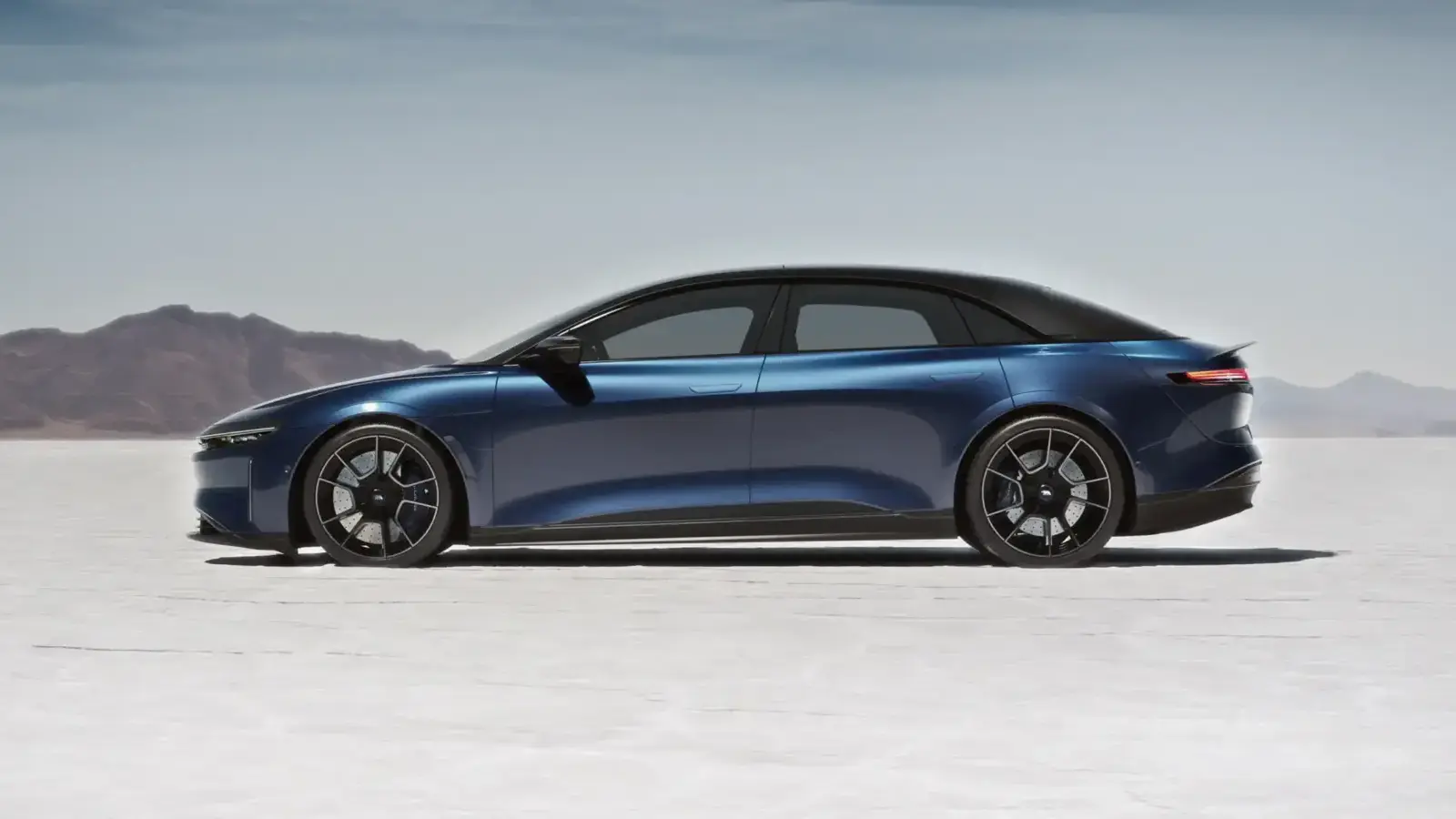
Interestingly, the Sapphire wasn’t the overall winner in the 0-150-0 challenge. It managed 14.4 seconds, while the Corvette ZR1X took the crown at 14.0 seconds thanks largely to its much shorter braking distance.
Stretching the test another 50 mph completely reversed the result. The Sapphire’s low-drag shape and enormous electric output allowed it to keep accelerating where the Corvette increasingly had to fight the air, creating a lead too large for the ZR1X to erase under braking.
The result is a pretty remarkable snapshot of where modern performance cars stand in 2026. A four-door American EV just beat two dedicated supercars from zero to 200 mph and back, and it did the whole thing before traveling a single mile.