Plenty of automakers now offer compelling electric vehicles in the United States, giving shoppers considerably more choice than they had a few years ago. Judging by the latest sales figures, however, choice hasn’t translated into anything resembling an even fight.
The U.S. EV market improved slightly in July, with new sales climbing compared with June. One company still swallowed up well over half of those deliveries by itself.
That company, unsurprisingly, was Tesla. Rivian, Hyundai, Toyota, Cadillac, and the rest are effectively competing over what’s left.
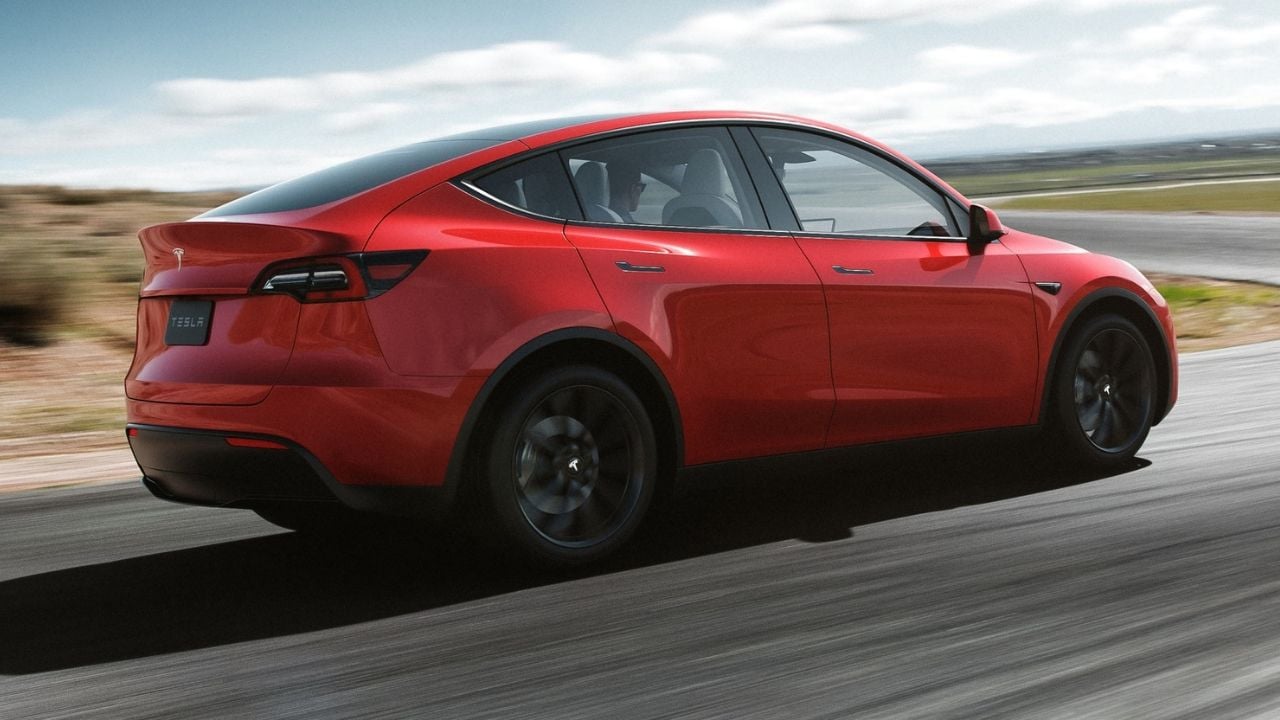
The dominance becomes even clearer when looking at individual models. Not only did Tesla’s Model Y simply outsell every competing EV, but it generated greater volume than the entire electric lineup of any rival manufacturer.
Tesla Takes 55 Percent Of The Market

According to Cox Automotive’s July 2026 EV Market Monitor, Americans purchased an estimated 77,266 new electric vehicles during the month. That’s a 3.2 percent improvement over June, although sales were down a substantial 41.5 percent compared with July 2025.
EVs represented 5.6 percent of total U.S. new-vehicle sales during July. Cox notes that the dramatic year-over-year comparison reflects unusually strong demand last summer, when shoppers accelerated purchases ahead of the expiration of the federal EV tax credit.
Tesla delivered an estimated 42,435 vehicles in July, giving it roughly 55 percent of the country’s new-EV market. Its sales increased 4.9 percent from June.
The Model Y was responsible for an extraordinary chunk of that volume. According to Cox, the crossover alone represented roughly 37 percent of every new EV sold in America during July.
Everyone Else Has A Long Way To Go
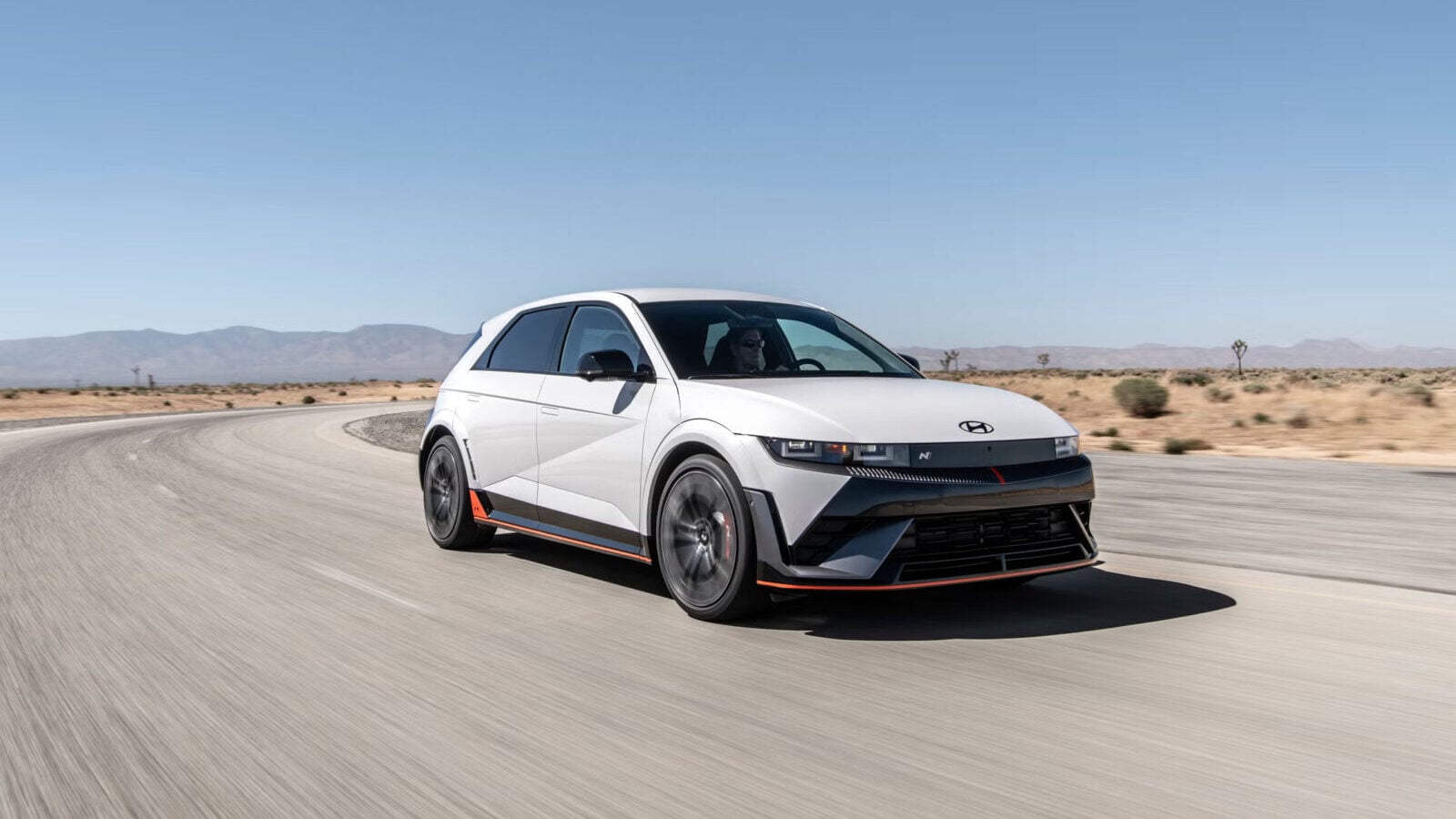
Rivian, Hyundai, Toyota and Cadillac followed Tesla in July sales volume, although none came remotely close to challenging the leader. Hyundai did have an encouraging month, recording the strongest month-over-month improvement among high-volume EV brands with a 36 percent increase.
The broader second-quarter figures illustrate the size of the gap. Tesla controlled 50.5 percent of the EV market with 124,800 sales, while Chevrolet was a distant second with just 6 percent.
Hyundai followed at 5.8 percent, ahead of Cadillac at 4.9 percent, Toyota at 4.8 percent, and Rivian at 4.6 percent. Ford held only 3.9 percent of the market during the quarter.
Tesla isn’t immune to the broader slowdown, however. Its second-quarter U.S. sales were down 13.1 percent compared with the 143,535 vehicles Cox estimates it sold during the same period last year.
EV Prices Are Still Relatively High
Price remains another hurdle for the overall electric market. Cox says the average transaction price for a new EV reached $56,126 in July, increasing 1.2 percent from June and 1.6 percent year over year.
That left EVs carrying a $6,477 premium over non-EV vehicles. Incentives also became less generous, dropping from 13.1 percent of the average transaction price in June to 11.8 percent in July, equivalent to roughly $6,626 per vehicle.
Used EVs are moving in the opposite direction when it comes to sales. Americans bought 36,810 used electric vehicles in July, an increase of 7.9 percent from June and 10.1 percent from a year earlier.
The EV Battle Is Still Tesla Versus Everyone
Competition in the American EV market has expanded dramatically, yet Tesla’s grip remains difficult to ignore. Having one company command 55 percent of the segment is notable enough; having a single model account for 37 percent shows just how concentrated the market remains.
Rivals are making gains in places, particularly Hyundai, while Chevrolet has established itself as Tesla’s nearest challenger on a quarterly basis. For now, though, “nearest” is doing some heavy lifting when second place controls around 6 percent, and Tesla holds roughly half the market.