
Electric vehicles have been surrounded by the same arguments for years. Among the most persistent is the claim that EVs aren’t actually cleaner than gasoline-powered cars once battery production, fossil-fuel electricity, and cold-weather efficiency losses are taken into account.
A new study from researchers at MIT puts those claims through a much bigger test. Instead of looking at a single national average, the researchers analyzed thousands of U.S. ZIP codes while accounting for electricity generation, climate, traffic, driving behavior, fuel prices and individual vehicle characteristics.
The conclusion is fairly decisive: for most American drivers, battery-electric vehicles produce substantially fewer lifecycle greenhouse-gas emissions than comparable combustion-powered vehicles. In most locations, MIT found the reduction falls between 40 and 60 percent.
The study also examined another common concern surrounding EVs: cost. Researchers found that EVs are competitive with comparable gasoline vehicles on lifetime ownership costs across most of the country, even without federal clean-vehicle tax credits.
Even A Dirty Electrical Grid Doesn’t Erase The Advantage
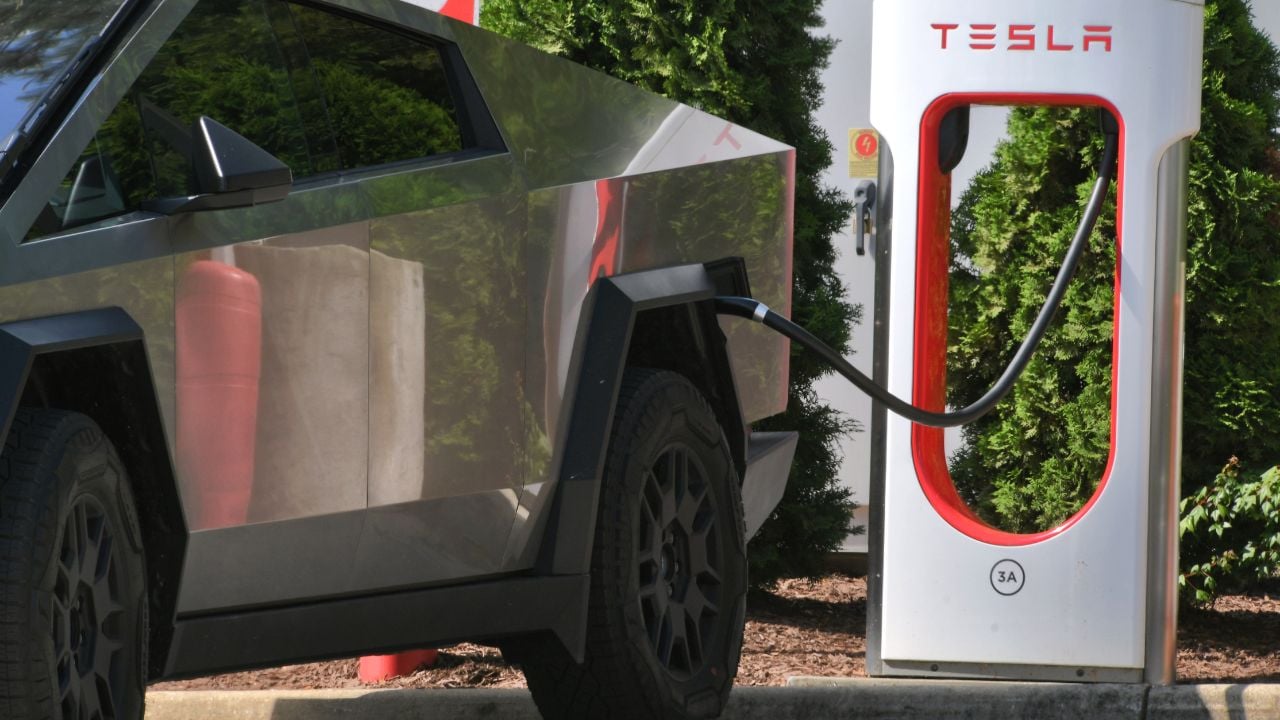
Perhaps the study’s most important finding concerns electricity generation. Critics frequently argue that an EV charged using electricity generated from coal or natural gas simply transfers its emissions from the tailpipe to a power station.
MIT’s analysis found that electricity sources certainly matter, but they don’t reverse the overall result. Even in areas with the country’s most carbon-intensive electricity mixes, battery-electric vehicles did not produce higher lifecycle greenhouse-gas emissions than comparable internal-combustion vehicles.
That calculation isn’t limited to what comes out of the vehicle’s tailpipe. The researchers considered lifecycle emissions associated with the vehicles, batteries, fuel production and electricity generation, providing a considerably better comparison than simply treating an EV as a zero-emission vehicle.
One major reason is efficiency. Electric drivetrains convert a much greater percentage of their available energy into motion than internal-combustion engines, which lose a substantial amount of energy through heat.
A dirtier electrical grid can therefore shrink an EV’s emissions advantage, but according to MIT’s modeling, it generally doesn’t eliminate it.
Cold Weather Isn’t The EV Disaster Some Assume
Cold-weather performance was another major variable examined by the researchers. EV range and efficiency can suffer considerably when temperatures plunge, which has fueled arguments that electric cars offer fewer environmental benefits in colder states. MIT found the annual impact isn’t nearly as dramatic as individual winter driving experiences might suggest.
In somewhere as cold as North Dakota, for example, researchers found that an EV’s efficiency could decline by as much as 50 percent on an exceptionally cold night. When evaluated across an entire year, however, those extreme conditions had a relatively small effect on the EV’s overall emissions advantage.
The researchers even modeled unfavorable cold-weather conditions and still found substantial emissions reductions.
How You Drive Matters More Than You Might Think
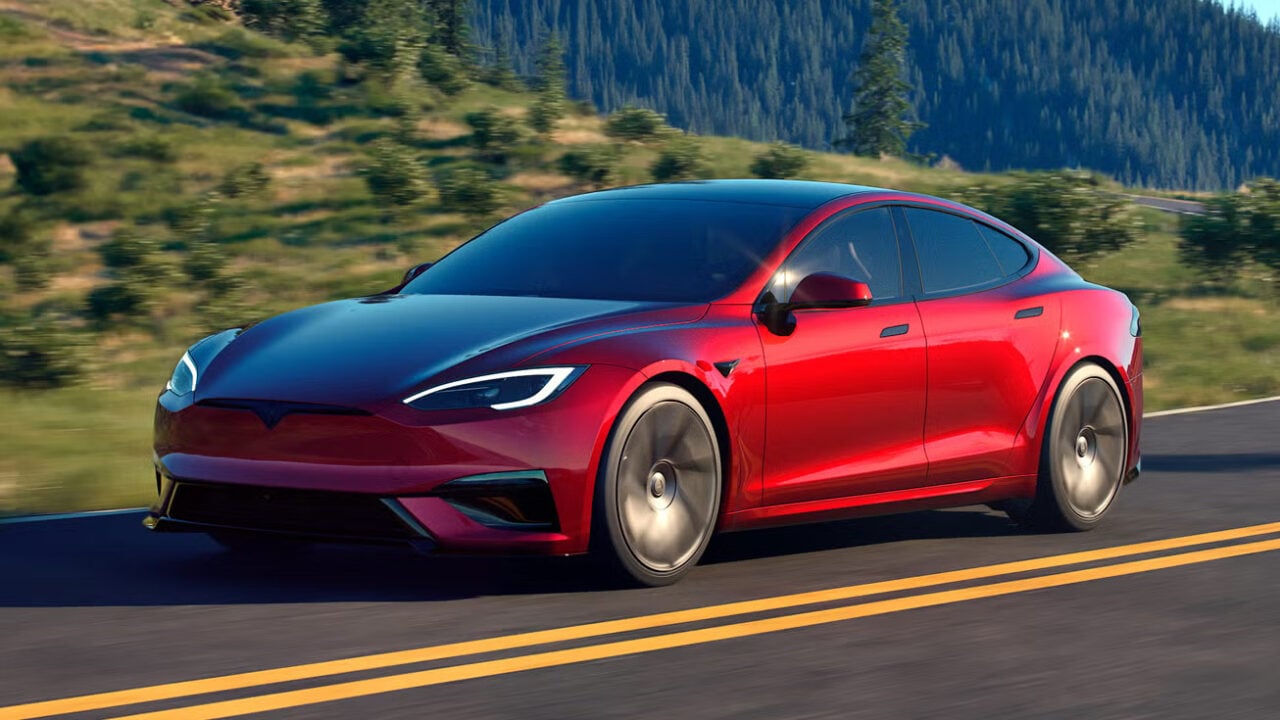
One particularly interesting takeaway is that geography isn’t the entire story. MIT found that an individual owner’s driving habits can be just as important as regional conditions when determining how much emissions an EV saves.
Electric vehicles delivered larger reductions for people who drive frequently, cover greater annual distances, own larger vehicles or spend significant time sitting in traffic. Urban environments can therefore amplify some of an EV’s advantages.
The biggest reductions generally appeared in areas combining cleaner electricity, heavier traffic, greater annual mileage and milder climates.
EVs Can Also Be Competitive On Cost
The research also challenges the idea that choosing an EV necessarily means paying substantially more over the vehicle’s lifetime.
Across most U.S. regions, MIT’s models found EV lifetime ownership costs competitive with equivalent combustion vehicles even without clean-vehicle incentives. Where electricity is relatively inexpensive, battery-electric models can be cheaper to own than comparable gasoline or plug-in-hybrid alternatives.
None of this means EVs have zero environmental impact. Battery manufacturing, raw-material extraction and electricity production remain genuine considerations.
What MIT’s research does suggest is that several of the most common arguments against EVs don’t hold up particularly well when the variables are examined together. The advantage varies depending on where and how someone drives, yet for most Americans, an EV still comes out ahead on lifecycle greenhouse-gas emissions—and increasingly, it can make sense financially too.