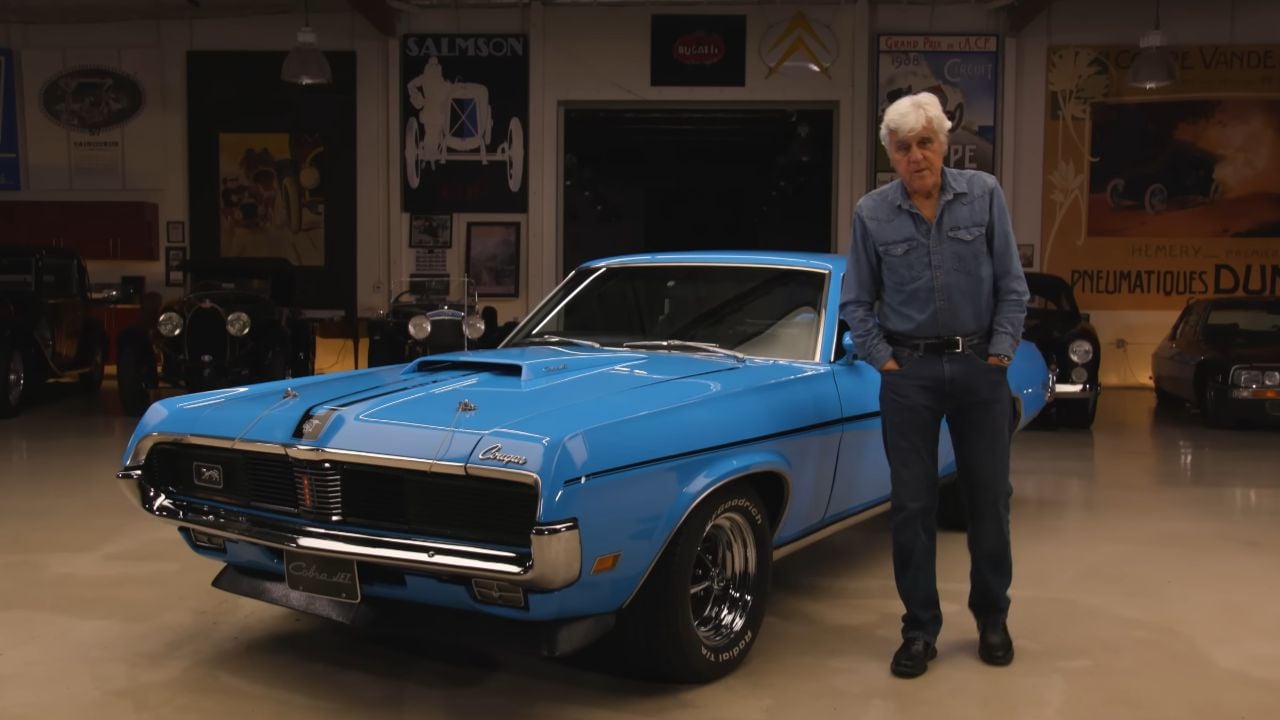
California’s long-running smog rules could soon become a little friendlier to owners of older collector cars. A bill commonly known as Leno’s Law is moving through the state Legislature with bipartisan support and could expand the group of classic vehicles exempt from emissions testing.
According to CBS News, the legislation has already cleared the California Senate and was scheduled for consideration by the Assembly Appropriations Committee on August 13. The proposal is backed by State Sens. Shannon Grove and Dave Cortese, along with longtime classic-car enthusiast Jay Leno.
Under current California law, vehicles manufactured before the 1976 model year are exempt from biennial smog checks. SB 712 would extend a full exemption to certain newer collector vehicles, provided they carry historical-vehicle plates and qualifying collector insurance.
The change would not immediately cover every 1970s and 1980s classic. Instead, the exemption would begin with vehicles manufactured before the 1981 model year on January 1, 2027, before expanding by one model year annually for five years.
Why Supporters Want the Rules Changed
Leno argues that maintaining emissions compliance on aging specialty vehicles has become increasingly difficult because fewer smog-check facilities have the necessary equipment or experience to test them. Some owners reportedly travel significant distances simply to find a facility capable of handling an older or unusual vehicle.
Supporters also argue that collector cars are typically driven far less frequently than ordinary commuter vehicles. Cortese and Grove have framed the legislation as a way to preserve California’s automotive culture, including restoration, lowriders, car clubs, shows, museums, and other enthusiast activities.
Owners Say Smog Compliance Can Get Expensive
CBS News highlighted one owner with a 1984 Chevrolet El Camino who said she spends roughly $700 to $800 every two years dealing with smog-related issues. Her vehicle would eventually become eligible if the proposed phase-in reaches the 1985 model-year cutoff.
For owners of modified or uncommon classics, the problem can extend beyond the cost of the test itself. Finding emissions hardware, repairing aging systems, and locating knowledgeable shops can turn registration into a much larger expense.
Not Everyone Supports the Exemption
Environmental groups have opposed earlier versions of the proposal, arguing that older vehicles can produce significantly higher emissions than modern cars. The American Lung Association previously raised concerns that expanding exemptions could worsen California’s already difficult air-quality challenges.
The proposal also stumbled once before. A previous version of Leno’s Law failed in the Assembly Appropriations Committee in 2025 amid concerns about emissions and potential financial impacts on state agencies overseeing vehicle registration and smog testing.
Leno’s Law Still Has a Long Road Ahead
Passing the Senate does not mean the measure is guaranteed to become law. It still needs to clear the remaining Assembly process before reaching Gov. Gavin Newsom’s desk, and lawmakers supporting the bill say they have been discussing it with both Assembly members and the governor’s office.
For California classic-car owners, however, simply seeing the proposal advance again is significant after last year’s failure. Do you think collector cars from the late 1970s and early 1980s should be exempt from California smog checks, or should emissions rules continue to apply regardless of how rarely they’re driven?