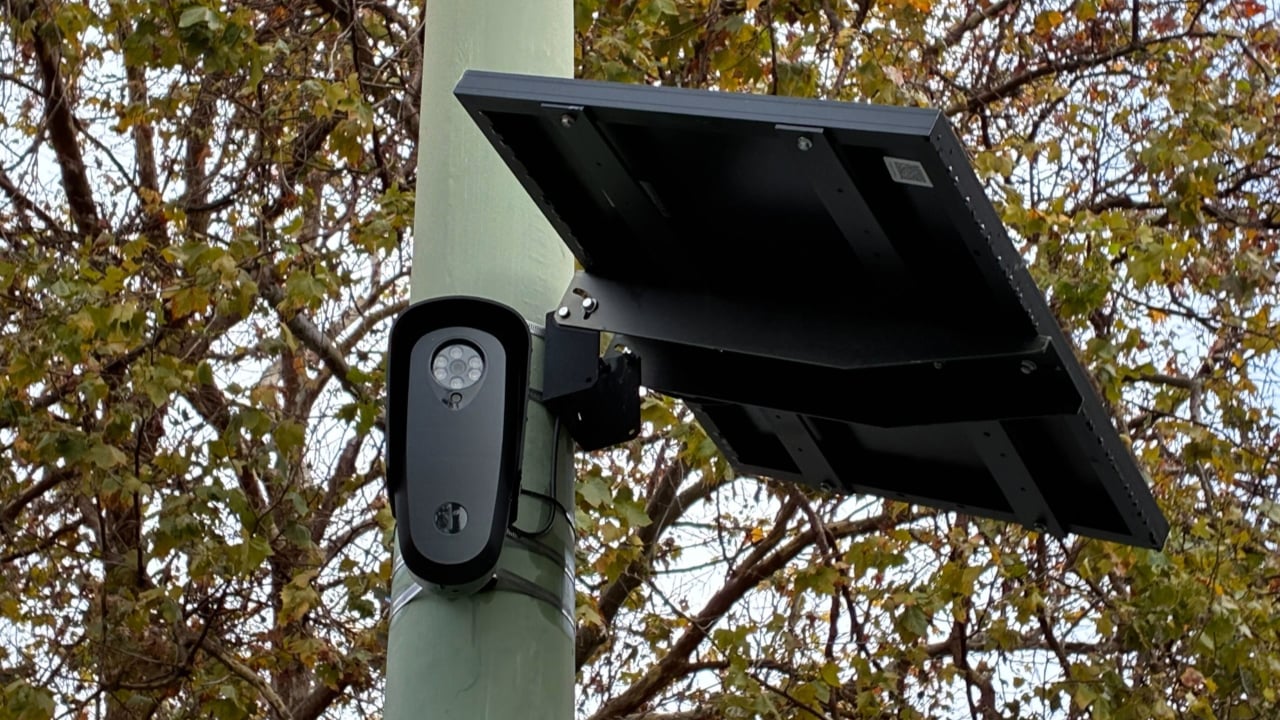
If you drive anywhere near Atlanta these days, chances are a Flock Safety camera has already photographed your license plate, logged the time, and filed it away somewhere in a police database. That’s usually fine. These cameras have helped recover stolen cars, find missing kids, and catch actual criminals. But now the Atlanta Police Department is auditing its own use of the system, reported FOX 5 Atlanta, and the reason is not exactly reassuring: officials are reviewing whether any officers or employees accessed the technology for personal reasons.
This isn’t Atlanta being paranoid for no reason. The audit follows more than a dozen law enforcement officers across Georgia getting arrested for allegedly misusing the Flock system, and the department has not yet said whether any of its own employees are among the suspects. In other words, Atlanta is checking its own homework before someone else grades it for them.
The pattern showing up across the state is not subtle. In DeKalb County, eight officers were suspended after internal investigations found some of them used the system to track people they had a personal relationship with, not suspects in an actual crime.
Over in Habersham County, a deputy was fired and arrested after allegedly using the cameras to track someone he knew personally. And in Polk County, a former officer with drug task force experience is now facing misdemeanor charges for the same kind of thing. These aren’t isolated slip-ups. They’re a trend, and Georgia’s own numbers back that up, reported CBS News.
By last count, at least ten Georgia officers had been arrested in recent weeks over alleged Flock misuse, with three more officers fired in Fayetteville and still under investigation. That is a lot of badges getting turned in over what amounts to using government surveillance tools like a jealous ex checking Instagram.
What Exactly Is Flock, and Why Does It Know So Much?
Flock’s cameras are mounted along roads and intersections and photograph every passing license plate, whether you’re a bank robber or just running to Publix. Police can search the database to see where a plate has traveled. The company is headquartered right there in Atlanta, and its technology now covers nearly 100,000 cameras across more than 6,000 communities in 49 states.
That’s an enormous amount of driving history sitting in a system that, as it turns out, isn’t always locked down as tightly as it should be.
The ACLU of Georgia has been sounding the alarm on this for a while. Senior policy counsel Sarah Hunt-Blackwell pointed out that officers misusing the technology reveals a bigger problem: nobody really has a clear picture of who has access to this data or how it’s being used. That’s a fair point. A tool built to find stolen trucks and missing persons shouldn’t double as a way to keep tabs on an ex-girlfriend’s Honda Civic.
The Departments Say They’re Fixing It
To their credit, agencies aren’t ignoring the problem. DeKalb’s sheriff’s office turned its findings over for prosecution, Habersham fired and arrested its deputy, and Atlanta launched its audit before waiting to be embarrassed into one. One police chief issued a statement saying the department acted immediately upon suspecting policy violations, requested an independent investigation, and stressed that no employee is above the law. That’s the right instinct, even if it’s arriving after the fact in a lot of these cases.
Our Take: License plate readers genuinely do good work finding stolen cars and missing people, and nobody’s arguing they should disappear. But a tool is only as trustworthy as the people running it, and right now Georgia has a stack of badges proving that “trust us” isn’t quite good enough.
Atlanta auditing itself is a smart move. Just don’t be shocked if this list of names keeps growing before it shrinks.