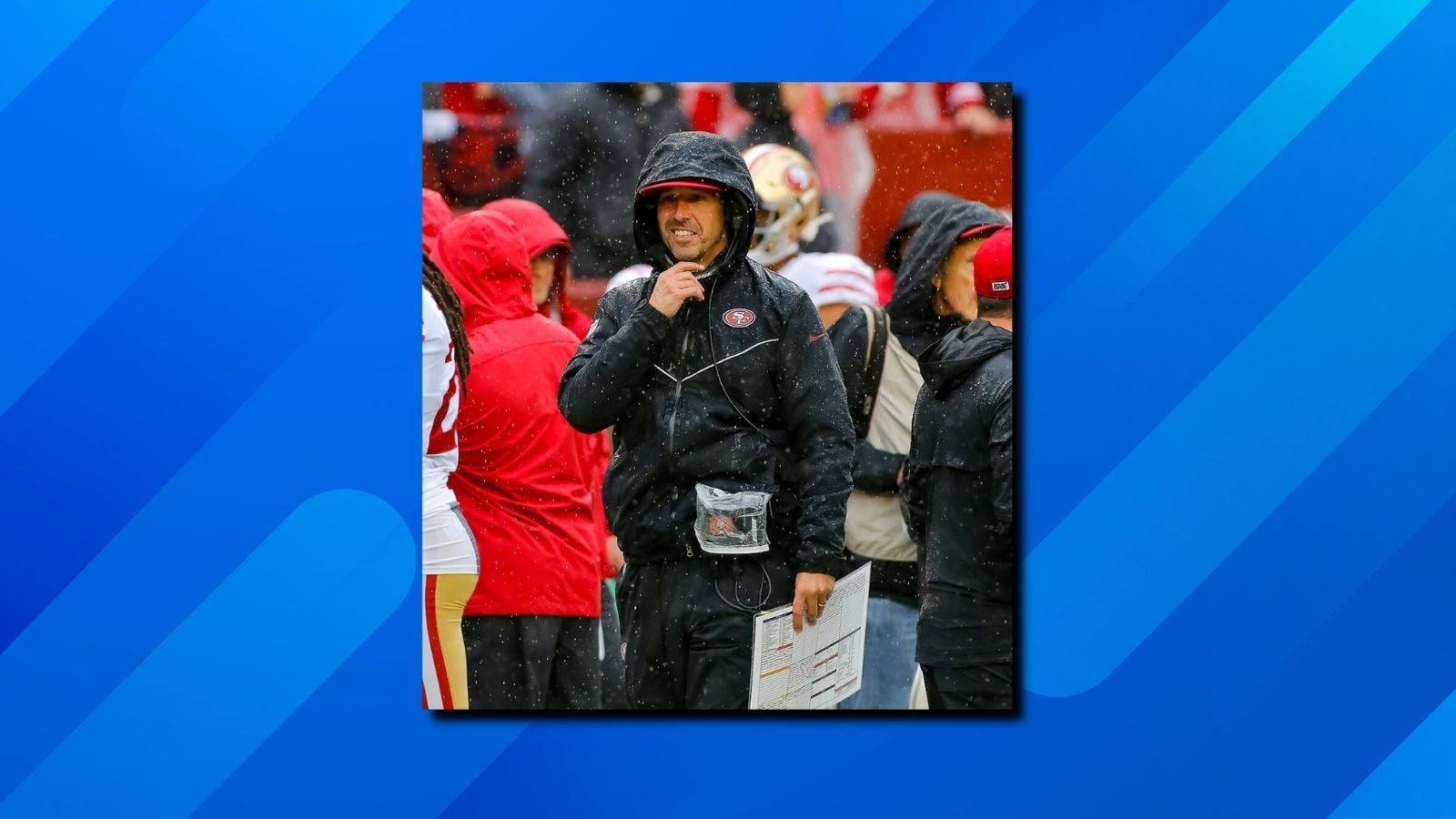

San Francisco 49ers head coach Kyle Shanahan is recovering from a serious crash involving his Tesla Model S after he says the vehicle was operating on Autopilot when he looked away from the road. The July 14 collision happened in Palo Alto and left Shanahan with multiple injuries, while the 21-year-old woman driving the other vehicle was not seriously hurt.
According to a report by ESPN, Shanahan says he was returning home to Los Altos from a chiropractor appointment in Menlo Park when his iPhone slipped from his lap and became stuck between his seats. While traveling about 20 mph, he looked away from the road for approximately two seconds while trying to find it.
During those few seconds, Shanahan says his Tesla veered into oncoming traffic near Alma Street and Hamilton Avenue and collided head-on with the woman’s SUV. The impact was violent enough that Shanahan said the airbags broke his nose while the vehicle’s visor caused a large cut above his right eye.
Shanahan suffered a concussion, a broken nose, three broken ribs, a broken left hand, and a cut requiring 40 stitches. He was eventually transported to Stanford Hospital, where he estimates he remained for eight to 10 hours.
Shanahan Says Tesla Was on Autopilot When He Looked Away
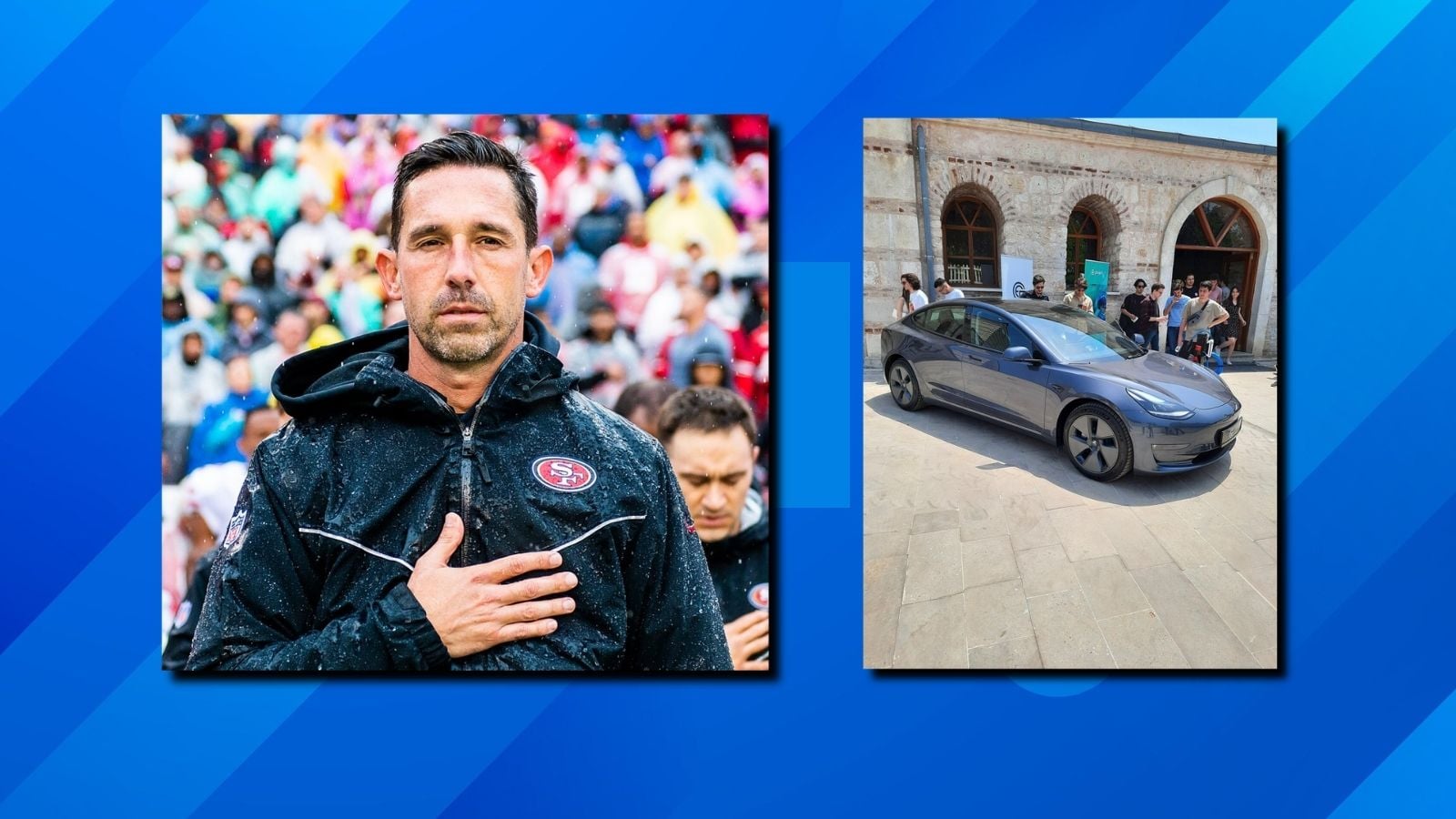
One of the most significant details to emerge from Shanahan’s account is that his Tesla was operating on Autopilot before the collision. However, Shanahan has stopped short of blaming Tesla for what happened and instead says he doesn’t know exactly what the system did during the two seconds he wasn’t watching the road.
“Who knows what happened when I turned around?” Shanahan said while discussing the crash. He questioned whether Autopilot malfunctioned or whether he somehow knocked it off, adding that he simply doesn’t know yet.
Shanahan has instead repeatedly taken responsibility for looking away. He acknowledged that drivers remain responsible for their vehicles even with Autopilot engaged and said causing an avoidable accident made him feel “pretty stupid,” particularly because his decision could have seriously injured someone else.
Palo Alto police ultimately agreed that Shanahan was responsible. Lt. Nicolas Martinez confirmed that Shanahan “was found at fault for the collision,” although officers exercised their discretion not to issue either driver a citation.
Shanahan Corrected a Report That Blamed the Other Driver
Interestingly, the 21-year-old woman initially appeared to be blamed for the collision through information submitted to a state collision-report database. Shanahan publicly disputed that version of events as soon as he learned about it.
“I hit her,” Shanahan said. “I don’t know why it was reported that way.”
The Palo Alto Police Department later confirmed that a clerical error occurred when information from the report was transmitted to the state database and said it was working to correct the mistake. Police also stressed that neither Shanahan nor the other driver received preferential treatment when officers decided not to issue citations.
For Shanahan, correcting the record was especially important because the other driver wasn’t responsible for what happened. He said it “crushed” him to hear that she was being blamed and added that he feels fortunate he survived, she wasn’t seriously injured, and he didn’t lose his eye.
Crash Renews Questions About Tesla Autopilot
While Shanahan accepts responsibility, his crash comes as Tesla’s advanced driver-assistance technology continues to face scrutiny. The National Highway Traffic Safety Administration has been investigating millions of Tesla vehicles equipped with Full Self-Driving technology, including questions surrounding how the technology performs and warns drivers under certain conditions.
Tesla has also faced significant legal consequences involving crashes in which its driver-assistance systems were reportedly active. Earlier this year, a federal judge declined to overturn a nearly $243 million verdict stemming from a deadly 2019 Florida crash involving a Tesla driver who was using Autopilot when he dropped his cellphone.
That case bears a notable similarity to Shanahan’s accident. The Florida driver reportedly leaned down to retrieve his phone before his Tesla Model S continued through an intersection at more than 60 mph and struck a parked vehicle, killing its 22-year-old owner.
Another lawsuit filed this year concerns the death of a 76-year-old woman after a Tesla operating on Autopilot crashed into her home. Tesla representatives have disputed that characterization and said the driver manually overrode the system, while federal authorities continue investigating.
Years of Autopilot Use Made Shanahan ‘Pretty Comfortable’
Perhaps the most interesting part of Shanahan’s explanation is his admission that he has used Autopilot for roughly nine years and had become “pretty comfortable” with the technology. That comfort highlights one of the complexities of advanced driver-assistance systems, which can handle significant portions of everyday driving without making a vehicle autonomous.
Tesla’s Autopilot is considered a Level 2 driver-assistance system, meaning the vehicle can assist with functions such as steering, acceleration, and braking while the driver remains responsible for monitoring the road. The person behind the wheel must therefore remain prepared to intervene even when the system appears to be handling the drive without assistance.
Shanahan’s own description demonstrates how quickly that distinction can become important. He says he looked away for only about two seconds while traveling roughly 20 mph, yet when he looked back up, the airbags were already hitting him in the face.
Fortunately, neither Shanahan nor the other driver was killed. Still, the violence of a relatively low-speed collision left him with broken bones, dozens of stitches, and a concussion that he says has been the most difficult part of his recovery.
Shanahan isn’t blaming Tesla for what happened, and police have confirmed he was responsible for the collision. But with Autopilot reportedly engaged immediately beforehand, his experience provides another reminder of the limitations behind technology that can make a vehicle feel increasingly autonomous while still requiring the driver’s complete attention.