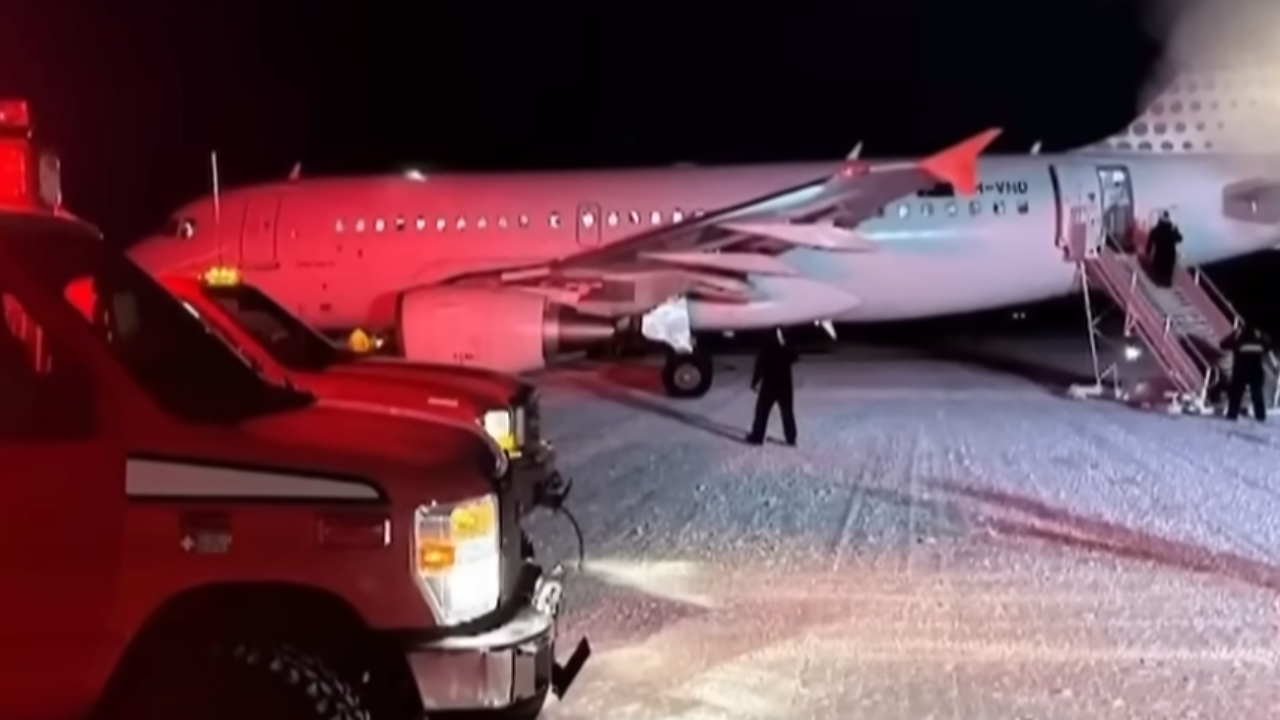
When most of us think of a rescue mission, we picture flashing lights, a stretcher, and maybe a helicopter hovering over a highway pileup. This one looked nothing like that. It involved an Airbus jet, an ice-covered runway, temperatures cold enough to snap steel, and a flight crew willing to land a plane in conditions where the sun simply never comes up. That is the kind of commitment to customer service you do not see every day.
The story starts at McMurdo Station, the largest research outpost in Antarctica and home to scientists who apparently signed up for months of darkness, isolation, and subzero temperatures on purpose. In late July, one American stationed there needed a medical evacuation the facility could not handle on its own. The Australian Antarctic Division issued an urgent call for help, and an airline, Skytraders, answered.
Getting a plane to the bottom of the world in the middle of winter is not like booking a quick regional hop. The first attempt, made on July 29, got scrubbed by weather bad enough to keep even seasoned pilots on the ground, according to CNN. Two days later, the crew tried again, taking off from Australia before dawn and flying more than five hours straight into a continent that offered them no daylight and no margin for error.
They found it anyway. The Skytraders Airbus A319, fittingly named Snowbird 1, touched down at McMurdo in what the airline described as extremely challenging conditions, including complete darkness and temperatures dropping to nearly 46 degrees below zero Fahrenheit. For reference, that is cold enough to make a Midwestern January feel like a beach vacation.
Landing Blind in the Coldest Place on Earth
Pulling off an ice runway landing in pitch-black weather is not something pilots practice on a lazy Tuesday afternoon. Antarctic airstrips do not come with the friendly runway lighting and ground crews we expect at a normal airport. Crews flying into McMurdo in winter are relying heavily on instruments, training, and nerve.
Once on the ground, the crew wasted no time. They loaded the American patient aboard and got back in the air, departing ahead of worsening weather that could have trapped them there for who knows how long. The plane then made its way to Christchurch, New Zealand, where the patient could finally receive proper medical treatment in a place with, you know, actual daylight.
A Reminder That Some Jobs Are Not for the Faint of Heart
It is easy to forget how remote and unforgiving Antarctica really is until a story like this comes along. People live and work down there through winters that most of us would never survive, and when something goes wrong, help does not come easily. It takes a specialized crew, a sturdy aircraft, and a willingness to fly into conditions that would make most pilots politely decline.
Our Take: Missions like this rarely make headlines, but they probably should. A flight crew flew into one of the most hostile environments on the planet, in the dark, in brutal cold, because someone needed help and there was no one closer to send. That is the kind of quiet heroism worth a moment of appreciation.