A report of a loud noise in a rural Washington community earlier this year prompted wildlife officers to investigate what initially appeared to be an isolated incident. What began as a response to a dead animal on private property would eventually grow into a months-long case involving state officers, federal agents, veterinary experts, and prosecutors.
By the time officers arrived at the property in Clark County, they had found evidence suggesting the animal had not died naturally. The condition of the body raised immediate questions about what had happened and whether someone had deliberately harmed a protected species.
The evidence was collected, the animal was examined, and the case was eventually referred to federal wildlife officials. Over the following months, agents conducted interviews and reviewed the findings as they worked to determine whether federal laws had been violated.
Six months after the investigation began, a local resident is now facing criminal charges. The case has also sparked a heated discussion about livestock owners’ responsibility to protect their animals without harming native wildlife.
Washington Wildlife Officers Detail Investigation
Please allow a moment for the post to load.
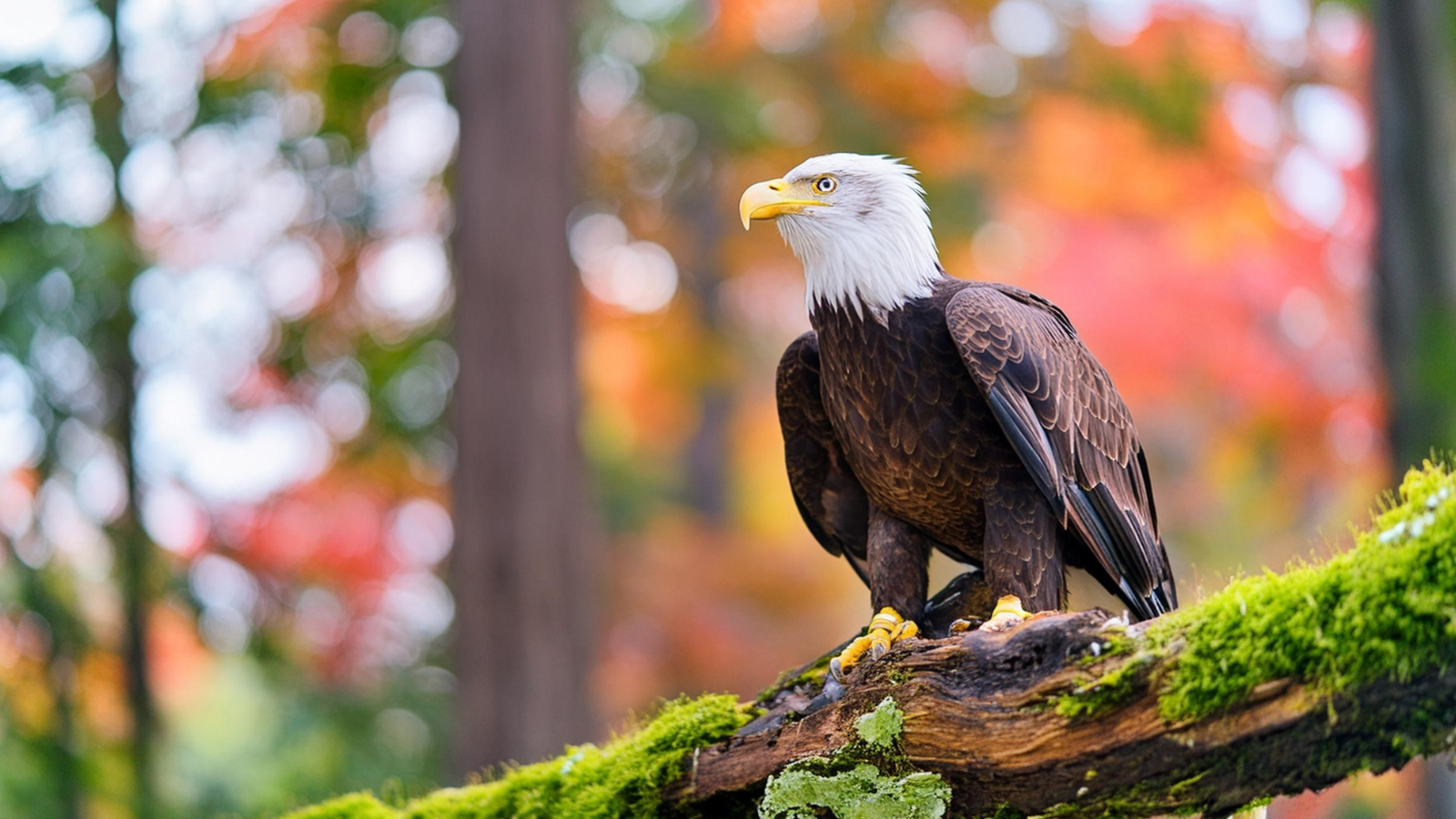
The case began on Feb. 5, 2026, when the Washington Department of Fish and Wildlife Police received a report about a dead bald eagle at a residence in the Hockinson area of Brush Prairie in Clark County. The reporting party had heard what sounded like a loud firecracker or gunshot earlier that morning before the adult eagle was discovered on the ground.
Wildlife officers found the bird with a wound to its head and transported it to a local humane society for X-rays. The images revealed two pellets lodged in the eagle’s head. The evidence was secured, and the case was referred to the U.S. Fish and Wildlife Service.
Federal Charges Filed
The U.S. Attorney’s Office for the Western District of Washington charged 66-year-old Benjamin G. Allen of Brush Prairie by criminal information on Aug. 4. He is accused of violating the Bald and Golden Eagle Protection Act and unlawfully killing a migratory bird.
The federal case accuses Allen of shooting and killing the eagle with a shotgun on Feb. 5. The charging information says the bird was found with blood around its head after a witness heard a gunshot earlier in the day. Allen kept chickens near the area where the eagle was discovered, although the federal release does not state that the bird was attacking the chickens or identify a motive for the alleged shooting.
U.S. Fish and Wildlife Service agents later interviewed Allen about the dead eagle and his actions that day. A veterinary examination found two shotgun pellets in the bird’s brain and identified the wounds as the cause of death.
Allen has been summoned to appear in U.S. District Court in Tacoma on Sept. 8. The Bald and Golden Eagle Protection Act charge is a Class A misdemeanor punishable by up to one year in prison and a fine of up to $500,000. The migratory bird charge is a Class B misdemeanor carrying up to six months in prison and a fine of up to $5,000.
The case was investigated by the U.S. Fish and Wildlife Service and the Washington Department of Fish and Wildlife. The charges remain allegations, and Allen is presumed innocent unless and until proven guilty beyond a reasonable doubt.
Chicken Owners and Wildlife Advocates Find Common Ground
The story sparked thousands of reactions online, with many readers expressing anger over the alleged killing of a federally protected bald eagle. Some of the most detailed responses came from people who said they raise chickens and have dealt with owls, hawks, coyotes, bobcats, raccoons, and other predators around their own properties.
Rather than blaming the eagle, many argued that poultry owners are responsible for securing their flocks. “We now have aviary netting over the entire poultry area and have only lost chickens or ducks when they die of old age,” one commenter wrote after describing previous losses caused by wildlife.
Another reader offered similar advice, writing, “Sorry but bird got to eat, survival of the fittest. If your fence off the chickens they’ll be okay put a fence across the top. Where there’s a will there’s a way.”
Several commenters said secure coops, covered runs, and overhead netting were more appropriate solutions than harming a predator. “Chicken killed due to its human, not the eagle,” one reader wrote. “Hopefully he goes to jail.” Another added, “Your chickens can be replaced!!! Lock them up better! No excuse to kill an Eagle!!!!!!”
The bird’s symbolic importance also shaped much of the reaction. “I love all animals, but this is my mascot for life,” one commenter wrote. “They represent America. Respect the bald eagle.” Others focused more directly on the law, with one reader stating, “Bald eagles are federally protected,” and another responding, “They are protected!!!!!”
Not everyone agreed with the criticism. A smaller number of commenters pointed out that bald eagles are predators capable of killing chickens, ducks, and other small animals. “Eagles are predators… eating chickens, ducks, and any other animal they can dominate,” one reader wrote while arguing that property owners should be allowed to defend their animals.
That view was heavily outnumbered by commenters who believed livestock owners should use fencing, netting, and secure enclosures rather than taking matters into their own hands. For many of the chicken owners joining the discussion, the issue was not whether predators create real problems but how those problems should be handled when the animal involved is protected by federal law.