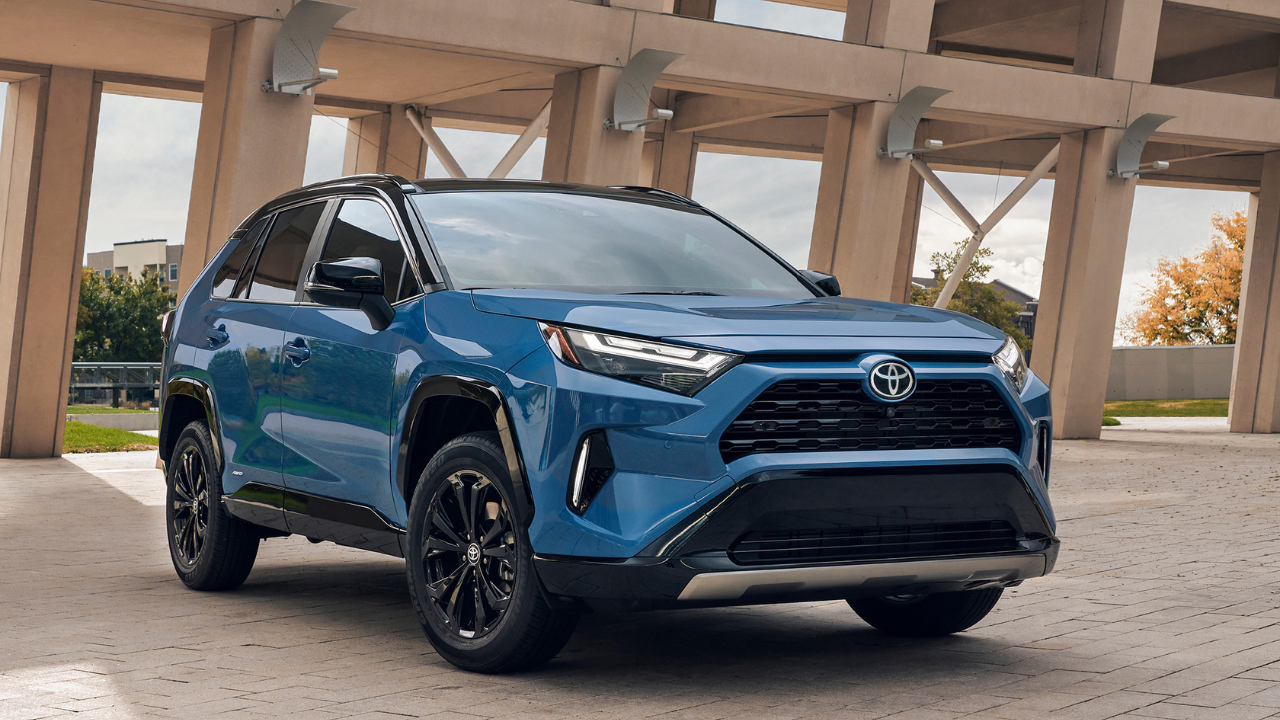
Hybrid vehicles have become one of the fastest-growing segments of the U.S. auto market, and just three automakers are reaping most of the rewards. According to new market data, Toyota, Honda, and Hyundai Motor Group now account for 86 percent of all hybrid vehicle sales in the United States.
The figures highlight how years of investment in hybrid technology are paying off as consumer demand continues to change. While battery-electric vehicle growth has slowed and gasoline-powered models have lost market share, hybrids have emerged as the industry’s strongest-performing powertrain in 2026.
Data cited by CNBC, based on analysis from Baum & Associates and the Center for Automotive Research, shows hybrid sales rose nearly 20 percent during the first half of 2026. Hybrids now represent a record 15.4 percent of the U.S. new-vehicle market, nearly three times the share held by fully electric vehicles.
Better fuel economy, expanding model choices, and continued concerns about EV charging infrastructure and driving range have encouraged many shoppers to choose hybrids instead of conventional gasoline vehicles or fully electric alternatives.
Toyota Continues To Lead The Segment

Toyota is still the dominant force in the hybrid market, controlling roughly half of all U.S. hybrid sales. Combined sales from the Toyota and Lexus brands exceeded 600,000 hybrid vehicles during the first six months of 2026. That success has helped Toyota narrow the sales gap to General Motors despite GM placing a much greater emphasis on battery-electric vehicles in recent years.
Toyota’s long-term commitment to hybrids stretches back to the original Prius, which arrived in the U.S. in 2000 after Honda introduced the Insight a year earlier. At the time, hybrids represented only a tiny fraction of overall vehicle sales, and many questioned whether the technology would ever become mainstream.
Toyota continued investing in hybrid development even as much of the industry shifted its focus toward fully electric vehicles, arguing that producing large numbers of fuel-efficient hybrids could reduce emissions more quickly than selling relatively small volumes of EVs with much larger battery packs.
Hyundai And Honda Battle For Second Place

Hyundai Motor Group has steadily expanded its hybrid portfolio across the Hyundai, Kia, and Genesis brands, including several larger SUVs that appeal to American buyers.
According to Baum & Associates, Hyundai narrowly moved ahead of Honda during the first half of 2026 to become the second-largest hybrid manufacturer in the U.S.
Honda nevertheless continues to post strong results. Hybrid models now account for approximately 31 percent of American Honda’s vehicle sales, and the company recorded its highest-ever U.S. hybrid sales during the first half of the year.
Honda executives say continued investment has significantly improved both efficiency and performance, while future hybrid systems are being developed specifically for larger vehicles.
Why Buyers Are Choosing Hybrids
Analysts say today’s market conditions favor hybrid vehicles more than when the technology first appeared. Although hybrids generally carry a higher purchase price than comparable gasoline models because of their more complex powertrains, the improved fuel economy can significantly reduce operating costs. Researchers estimate many owners can recover the additional upfront expense within two to three years through lower fuel bills.
The product mix has also changed dramatically. Early hybrids were largely compact sedans, while today’s market includes crossovers, midsize SUVs, and larger family vehicles that align much more closely with current consumer preferences.
Unlike battery-electric vehicles, hybrids also eliminate concerns about charging infrastructure or long-distance travel, making them an easier transition for many buyers.
Other Automakers Have Work To Do
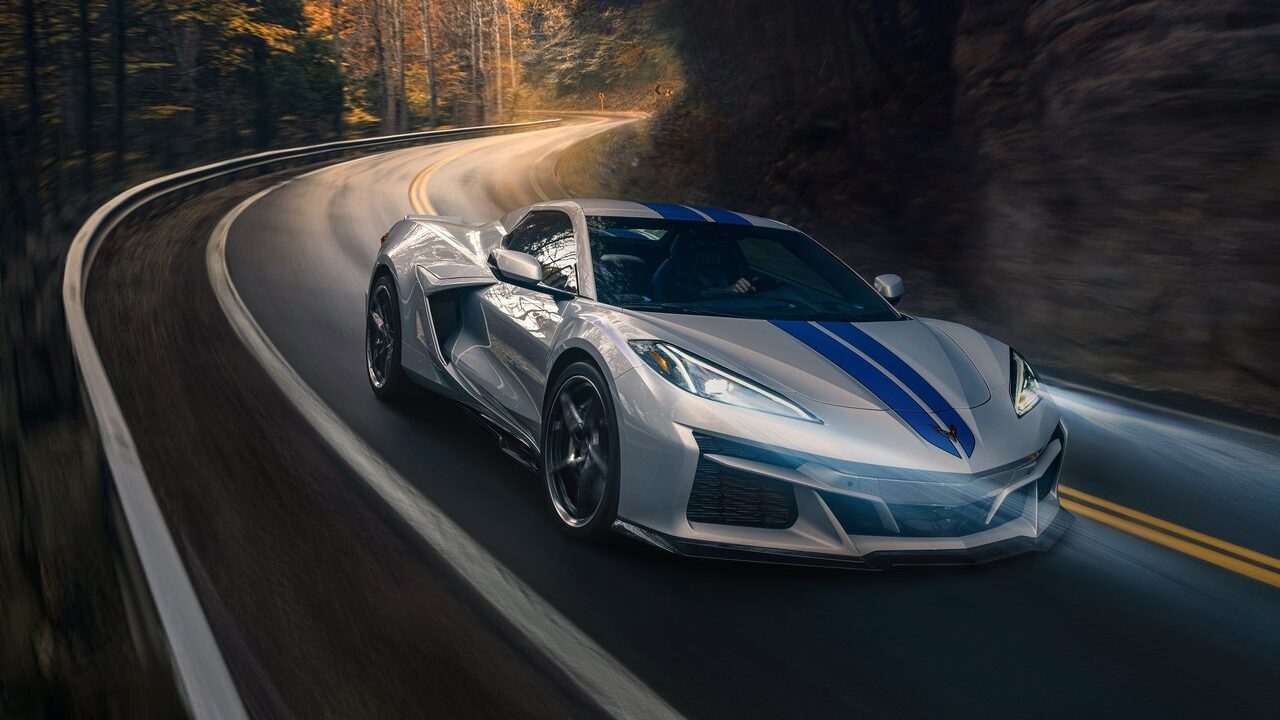
The dominance of Toyota, Honda, and Hyundai also reflects the relatively limited number of hybrid offerings from competing manufacturers.
General Motors currently sells only one hybrid model in the United States, the Chevrolet Corvette E-Ray, although the company has indicated hybrids will play a larger role in future product plans.
Many manufacturers focused heavily on battery-electric vehicles over the past several years, leaving fewer hybrid options available just as consumer demand accelerated.
Analysts say that shortage of competing products has allowed companies with established hybrid lineups to capture an overwhelming share of the market.
Hybrids Are Expected To Keep Growing
The Center for Automotive Research says hybrids are currently the only major propulsion technology gaining market share in the United States, with gasoline, diesel, and battery-electric vehicles all losing ground so far in 2026.
Looking ahead, Baum & Associates projects hybrids could account for approximately one-quarter of the U.S. new-vehicle market by 2030. Battery-electric vehicles are also expected to grow during that period, but at a more gradual pace than many earlier forecasts suggested.
For Toyota, Honda, and Hyundai, those projections reinforce the value of investments that began decades ago. Their willingness to continue developing hybrid technology while much of the industry pursued fully electric vehicles has positioned them at the center of one of today’s fastest-growing segments.