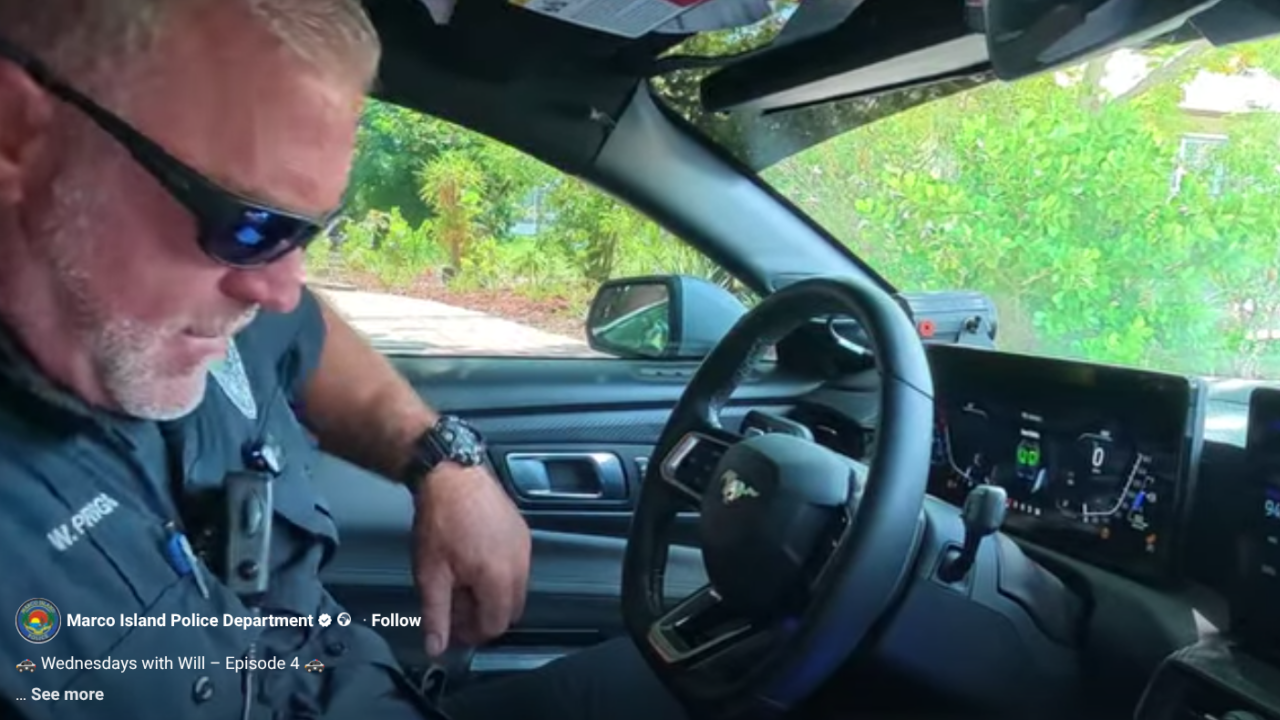
A 19-year-old Florida driver was cited for speeding after police discovered she had already been stopped nine previous times for similar offenses in less than two years behind the wheel. What initially appeared to be an emergency quickly became a lesson in why repeated traffic violations can make even genuine explanations difficult to believe.
According to the Marco Island Police Department, the driver was clocked traveling 61 mph in a 35-mph zone while driving a Ram 1500 Big Horn on Chestnut Court. During the traffic stop, she immediately admitted she had been speeding.
The young woman told Officer Will Prigge she was rushing to help her grandmother, who she claimed had just suffered a heart attack. As the conversation continued, however, inconsistencies in her explanation and a review of her driving history changed the course of the stop.
Rather than receiving another warning, the driver was issued a speeding citation. Officers noted that this was reportedly her tenth speeding stop since obtaining her driver’s license.
A Medical Emergency Was Her Explanation
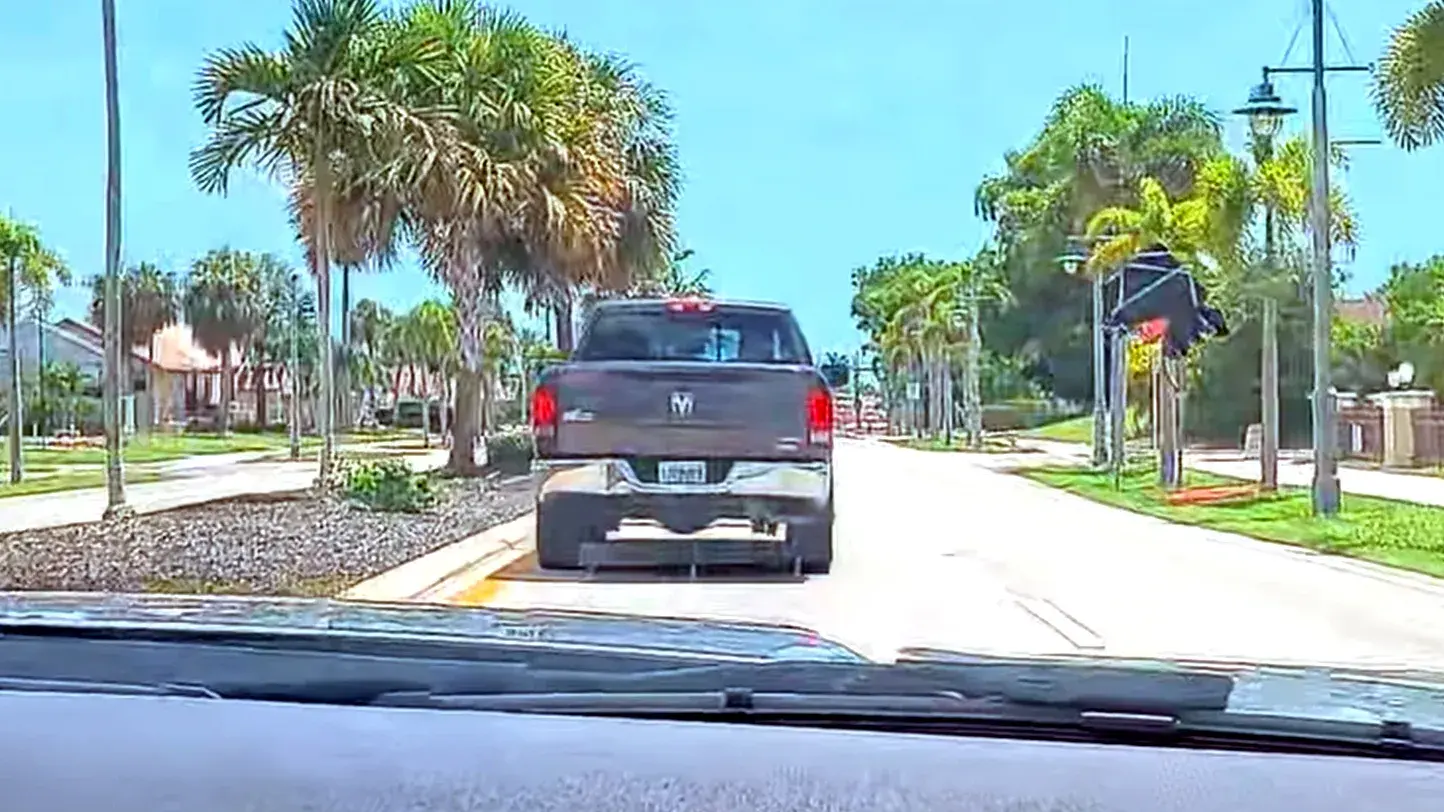
Camera footage released by the Marco Island Police Department shows the driver explaining that she was trying to reach her grandmother after learning she had suffered a heart attack.
When Officer Prigge asked whether emergency medical services were already responding, the driver initially indicated they were. She then added that her grandmother wanted her to provide transportation to a specific heart clinic instead.
The changing explanation prompted additional questions from the officer. While emergencies can understandably lead to rushed decisions, officers are also responsible for determining whether circumstances justify dangerous driving behavior.
Traveling 61 mph in a neighborhood with a 35-mph speed limit significantly increases stopping distances and reduces reaction time, particularly in an area where pedestrians, cyclists, or other vehicles may unexpectedly enter the roadway.
Nine Previous Speeding Stops Changed Everything
The encounter took a different turn after Officer Prigge checked the driver’s record, and it turned out she had already been stopped nine times for speeding despite having less than two years of driving experience. This latest incident brought the total to ten traffic stops for speeding.
The officer explained that he had initially considered issuing only a warning before learning about her history. Once he reviewed her record, however, he determined that another warning was no longer appropriate.
Police also told the driver she had already exhausted the available driver improvement courses that could previously help reduce penalties associated with speeding violations.
Repeated Violations Carry Consequences
Traffic stops often involve an officer deciding whether education or enforcement is the better response. A first offense may result in a warning under certain circumstances, but repeated violations generally reduce the likelihood of leniency.
A history of multiple speeding stops can suggest that previous warnings or educational programs have failed to change driving behavior. That pattern becomes a significant factor when officers decide how to handle future violations.
Police did not indicate whether they were able to verify the driver’s explanation regarding her grandmother’s medical condition. Regardless of whether an emergency existed, officers concluded that the speeding violation warranted a citation.
Speed Limits Exist for a Reason
Driving well above the posted speed limit dramatically increases both crash severity and the likelihood of serious injuries. Residential and neighborhood roads typically carry lower speed limits because they often include driveways, intersections, pedestrians, and limited visibility.
Even when someone believes they have a legitimate reason to hurry, emergency responders generally advise calling 911 rather than attempting to transport someone experiencing a possible heart attack. Ambulances can begin treatment immediately and safely navigate traffic using emergency equipment.
In this case, the officer ultimately chose enforcement over another warning after reviewing the driver’s history. Whether the explanation was genuine or not, ten speeding stops in under two years proved to be one excuse too many.