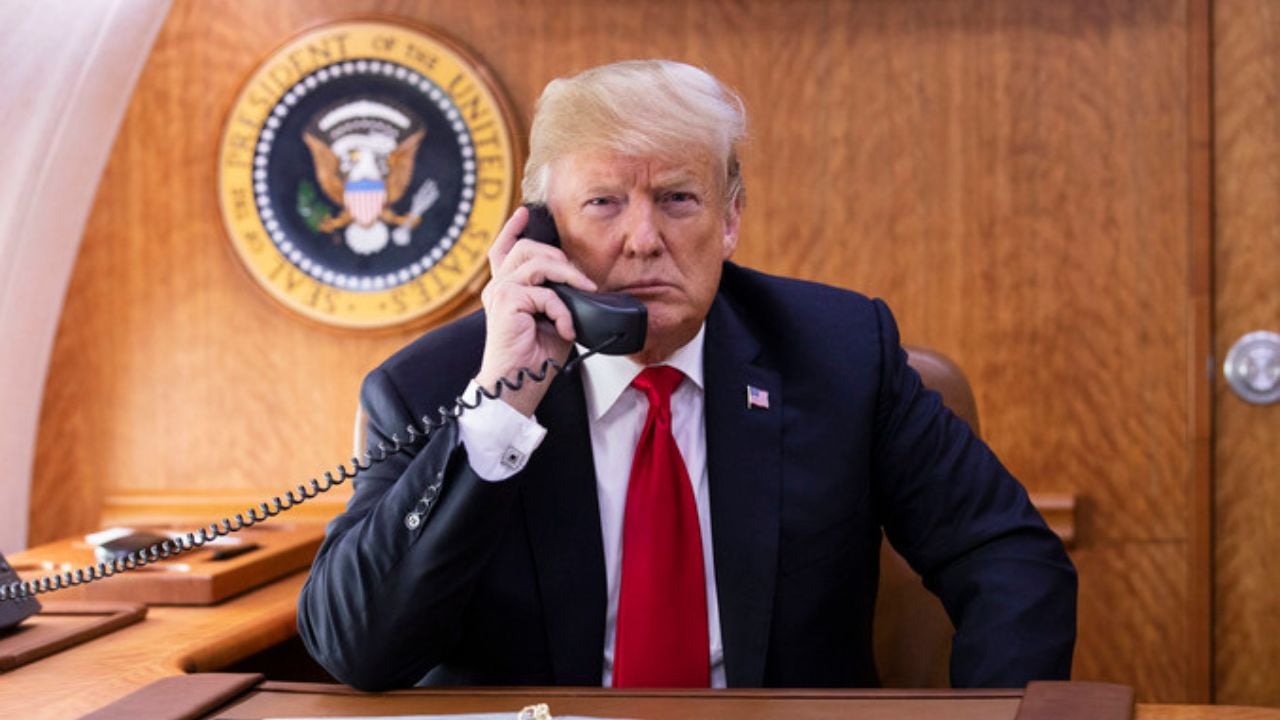
President Donald Trump has pardoned nine individuals convicted of violating the Clean Air Act through the sale or installation of emissions defeat devices for diesel vehicles. The move marks another major change in the federal government’s approach to emissions enforcement and follows efforts by the administration to reduce regulatory oversight of vehicle modifications.
The pardons were announced on July 3 as part of a larger group of 11 clemency actions. The White House states that the recipients were convicted of disabling vehicle emissions monitoring systems or selling products designed to bypass federally required emissions equipment.
Trump described several of the cases as involving people who were prosecuted simply for “fixing their car,” while the White House said the pardons were intended to relieve consumers and businesses from what it characterized as unnecessary regulatory burdens.
The decision comes just days after the administration directed the Environmental Protection Agency (EPA) to revise its approach to vehicle repair and aftermarket emissions-related modifications.
Pardons Cover Diesel Emissions Cases
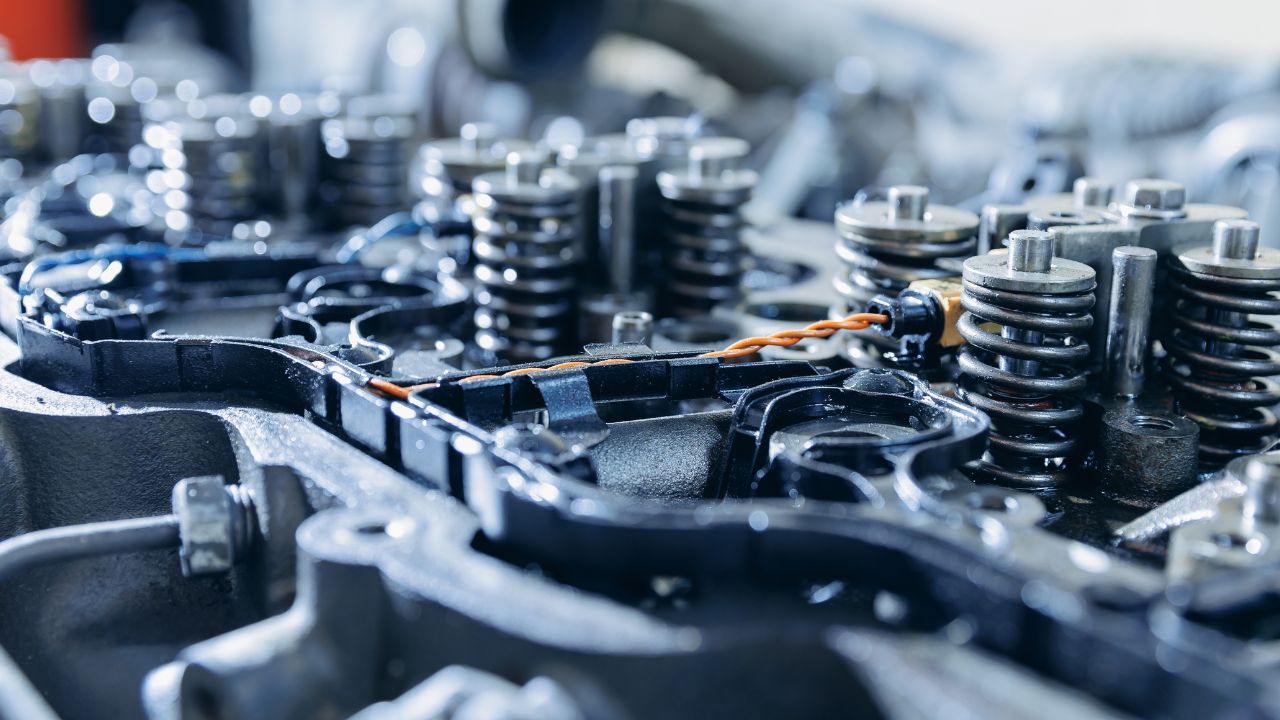
The nine pardoned individuals had been charged with violations of the Clean Air Act involving aftermarket diesel tuning and emissions delete equipment. Federal prosecutors alleged they disabled or helped customers disable emissions control systems or sold hardware and software that allowed diesel trucks to operate without federally mandated pollution-control equipment.
Those systems typically include diesel particulate filters (DPFs), exhaust gas recirculation (EGR) systems, and other emissions-control components designed to reduce harmful pollutants. While some owners remove the equipment to avoid expensive repairs or improve performance, doing so on vehicles operated on public roads violates federal law.
The White House identified the nine recipients as Joshua Davis, Matt Geouge, Jonathan Achtemeier, Tim Clancy, Ryan Lalone, Wade Lalone, Barry Pierce, Aaron Rudolf, and Mackenzie Spurlock.
Part Of A Wider Policy Change
The pardons follow an EPA memorandum issued earlier in the week reaffirming what the administration described as Americans’ right to repair their own vehicles. The guidance focuses on ensuring manufacturers provide the tools, software, and service information necessary to diagnose and repair emissions-related systems.
The EPA also announced that the Specialty Equipment Market Association (SEMA) will play a larger role in certifying certain aftermarket emissions-related parts through its Certified Emissions program. Administration officials say the changes are intended to simplify compliance while reducing regulatory burdens for vehicle owners and aftermarket manufacturers.
In addition, reports indicate the Department of Justice has reduced enforcement efforts targeting the sale of emissions defeat devices compared with previous years, reflecting a broader shift in federal priorities.
Clean Air Act Rules Remain In Effect

Despite the pardons and policy changes, the Clean Air Act’s prohibition on tampering with federally required emissions equipment remains in place. It is still illegal under federal law to remove or disable emissions-control systems on vehicles driven on public roads unless future regulations change those requirements.
The EPA continues to distinguish between legitimate repairs and modifications that permanently disable emissions equipment. While the agency’s updated guidance emphasizes access to repair information and diagnostic tools, it does not legalize emissions delete kits or other defeat devices by itself.
What It Means For Diesel Owners
For owners of diesel pickups and commercial trucks, the pardons signal a significant change in how the federal government is approaching emissions enforcement. During the previous administration, the EPA and Department of Justice aggressively pursued manufacturers, retailers, and installers of emissions delete products, resulting in numerous civil and criminal cases.
Whether that enforcement posture continues to soften remains to be seen. Although the latest actions suggest a more permissive regulatory environment, owners should remember that existing federal emissions laws have not been repealed, and individual states may continue enforcing their own emissions regulations regardless of changes at the federal level.