General Motors is facing renewed scrutiny over automation at its flagship EV assembly plant after adding dozens of robots to the production line months after cutting more than 1,000 jobs. The changes at Factory Zero in Detroit highlight the growing tension between automakers seeking greater efficiency and workers concerned about the future of manufacturing employment.
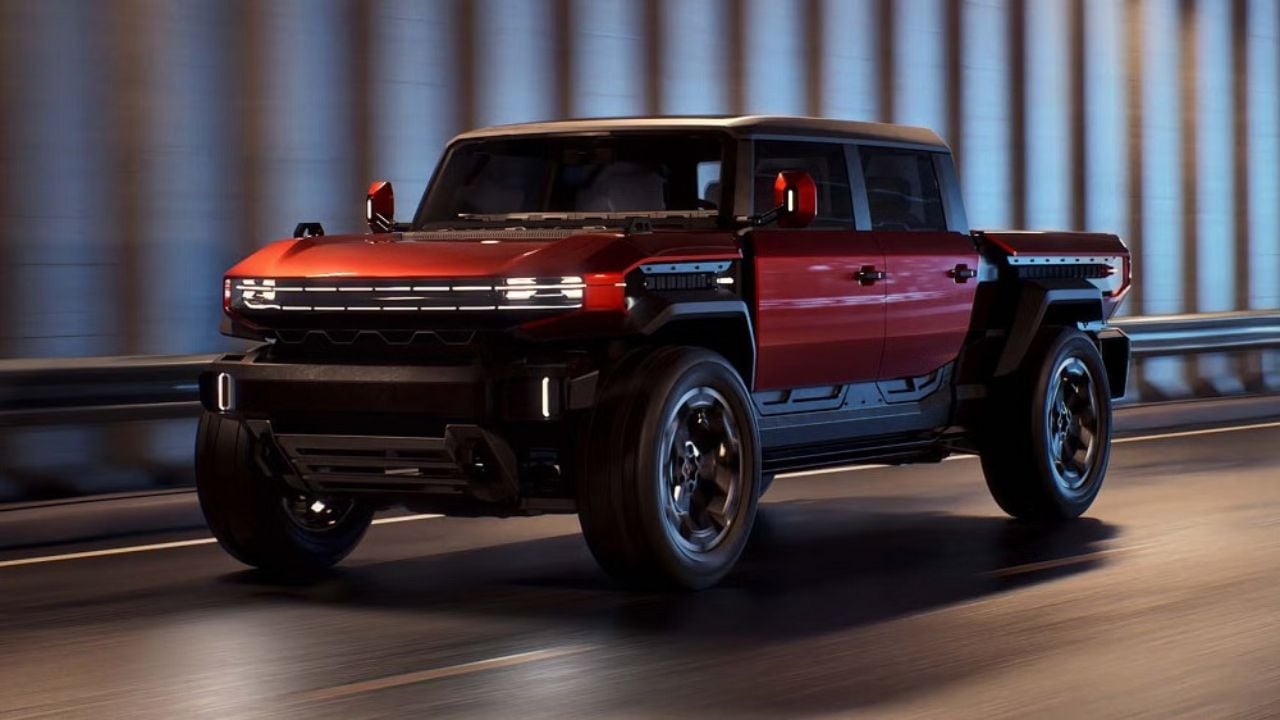
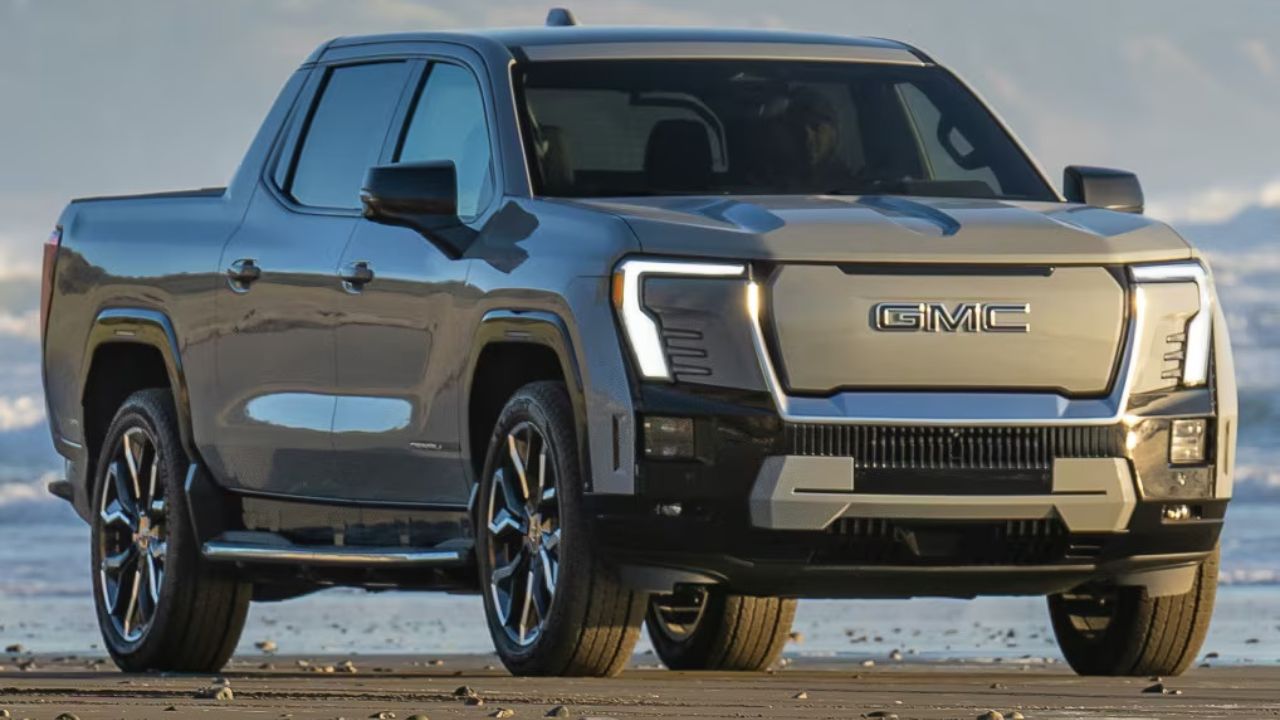
Factory Zero has played a central role in GM’s electric vehicle strategy, producing models such as the GMC Hummer EV and Chevrolet Silverado EV. The facility was once promoted as a symbol of the company’s transition toward an electric future and a source of new manufacturing jobs.
Instead, the plant has experienced a series of production adjustments, temporary shutdowns, and workforce reductions as EV demand has fluctuated. Those challenges have now been accompanied by a larger investment in automation technology.
The move reflects a trend we’re seeing across the automotive industry, where manufacturers are increasingly turning to robotics and artificial intelligence to improve productivity, reduce costs, and streamline vehicle assembly operations.
GM Adds 50 Collaborative Robots To Factory Zero
According to Crain’s Detroit Business, GM has installed roughly 50 collaborative robots, commonly known as cobots, at Factory Zero. The Fanuc-built machines are being used to assist with attaching body panels as vehicles move down the assembly line.
The deployment comes after more than 1,000 workers were laid off from the facility. While the robots are designed to work alongside human employees rather than completely replace them, the timing has raised concerns among workers and union representatives.
GM says the technology improves safety and ergonomics by reducing repetitive physical tasks. Collaborative robots are specifically designed to assist workers with demanding jobs while operating in close proximity to people on the factory floor.
UAW Raises Concerns Over Job Security
The introduction of the new equipment has drawn criticism from the United Auto Workers. Local 22, which represents Factory Zero employees, has filed grievances related to the installation of the robots.
Union leaders argue that workers are understandably concerned when automation arrives shortly after significant job cuts. Many fear that expanding robotic capabilities could eventually reduce the need for human labor in key manufacturing roles.
At the same time, industry observers note that automation and workforce reductions are not always directly connected. Automakers often argue that robotics are introduced to handle physically demanding or repetitive tasks while employees focus on more complex assembly work.
Automation Has Been Part Of GM’s Long-Term Plan
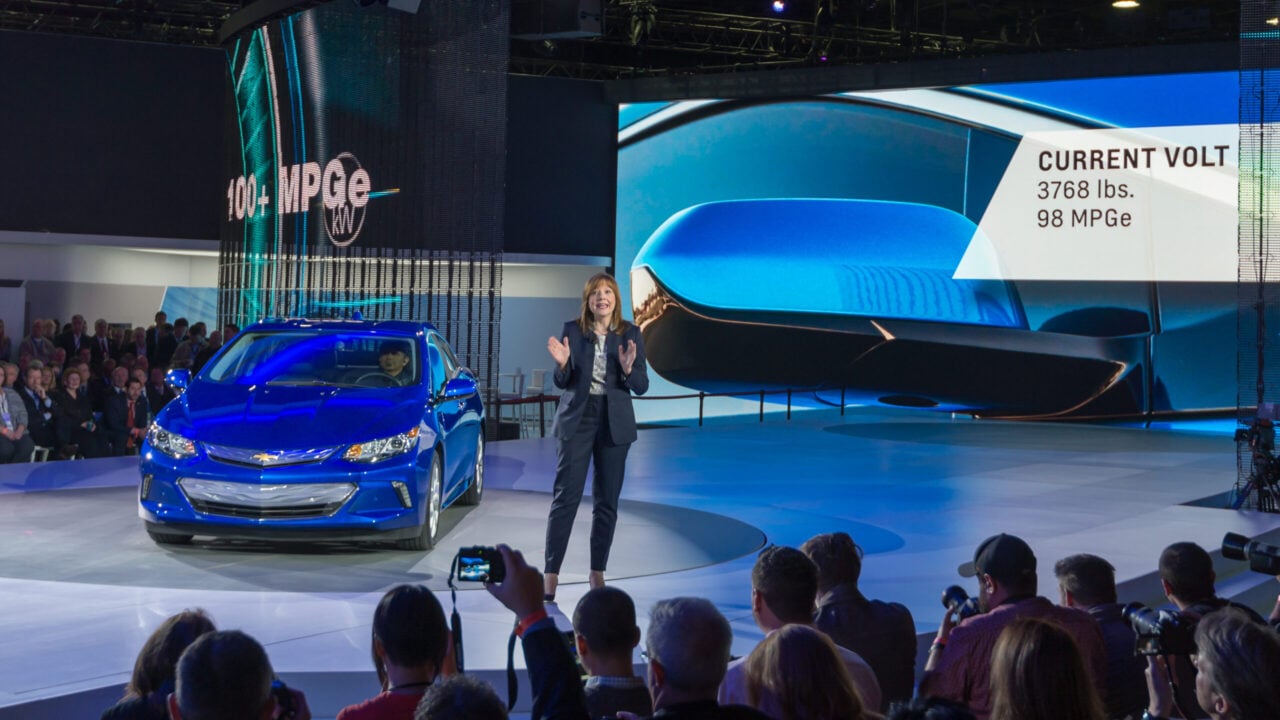
The latest developments are consistent with plans GM executives have discussed for several years. During the company’s GM Forward event in late 2025, leadership emphasized the growing role of artificial intelligence, automation, and advanced manufacturing technologies.
GM also announced a partnership with NVIDIA focused on developing next-generation factory robotics and AI-powered manufacturing systems. CEO Mary Barra said at the time that automation would help improve efficiency while allowing employees to focus on higher-value work.
The company has repeatedly argued that combining human expertise with advanced technology is essential to remaining competitive as the automotive industry undergoes major changes.
Automakers Throughout The Industry Are Increasing Robot Use
GM is far from the only manufacturer investing heavily in automation. Automakers around the world are testing new robotic systems ranging from collaborative robots to advanced humanoid machines.
Toyota recently announced plans to deploy Digit humanoid robots at its Ontario manufacturing operations, while BMW has expanded testing of humanoid robots from the United States to facilities in Germany. These projects reflect a growing belief that automation will play a larger role in future vehicle production.
This is largely driven by economics. Following the 2023 UAW contract agreement, GM estimated labor costs would increase by roughly $500 per vehicle. Automation offers manufacturers a way to improve efficiency and control expenses in an increasingly competitive market.
A Key Issue Ahead Of Future Labor Talks
Manufacturing has already become dramatically more efficient over the last several decades. Industry experts note that assembling a vehicle today requires far fewer labor hours than it did in the 1980s thanks to advances in robotics, engineering, and production methods.
That trend is expected to continue as AI-powered systems become more capable. While automakers view automation as essential for long-term competitiveness, unions remain concerned about protecting jobs and ensuring workers share in the benefits of technological progress.
As a result, the growing presence of robots at facilities like Factory Zero is likely to become a major issue during future labor negotiations. With the next round of UAW contract talks approaching in 2028, the debate over automation’s role in automotive manufacturing appears far from settled.