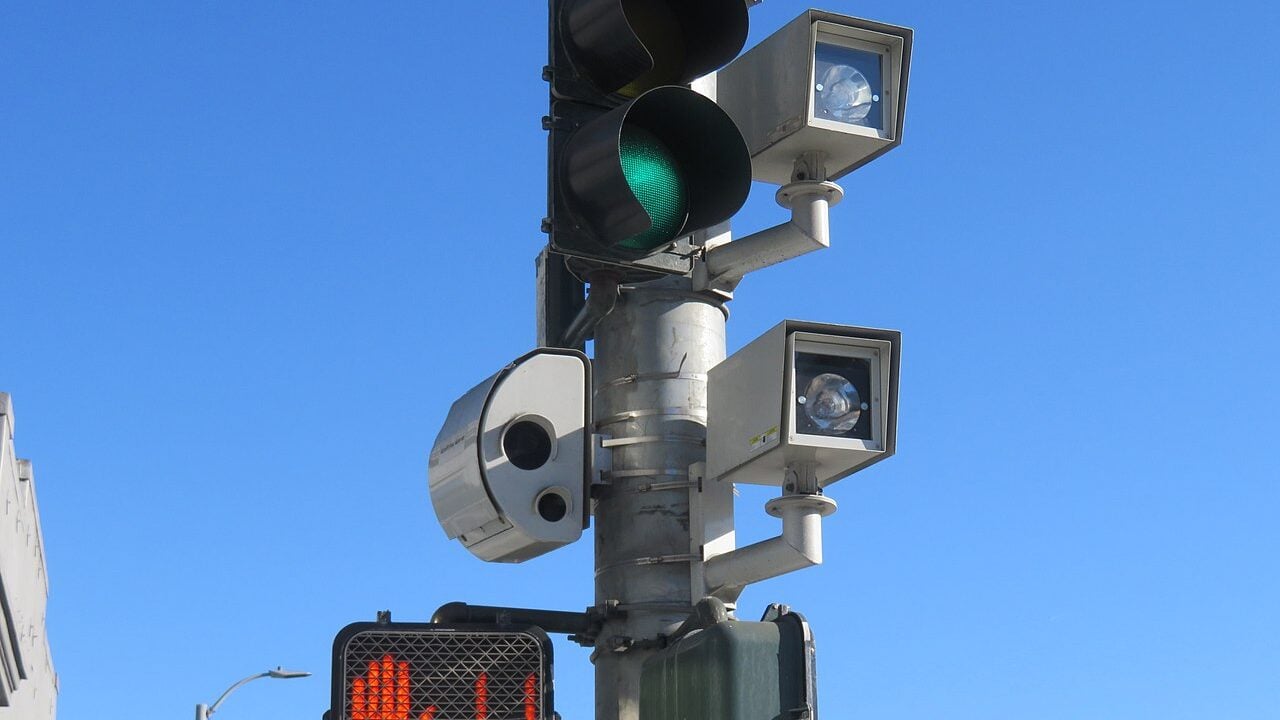
Automatic license plate readers have long been controversial for their ability to track where vehicles travel. Now, a new generation of surveillance technology aims to go much further by linking cars to the phones, wearables, and other connected devices carried by their occupants.
Defense contractor Leonardo is promoting a system called SignalTrace that combines traditional license plate recognition cameras with sensors capable of detecting electronic signatures emitted by nearby devices. The goal is to help law enforcement connect vehicles with the people inside them, creating a much more detailed picture of an individual’s movements.
The technology is already raising privacy concerns among civil liberties advocates, who argue that license plate readers have evolved from vehicle-tracking tools into systems capable of monitoring people’s daily lives. Critics warn that adding personal device data could dramatically expand the scope of government surveillance.
At the same time, supporters say the technology could help investigators identify suspects, locate missing persons, and uncover criminal networks more efficiently. The debate highlights the growing tension between public safety tools and personal privacy in an increasingly connected world.
Beyond License Plates
Traditional automated license plate readers, commonly known as ALPRs, capture images of vehicles and record their locations, dates, and times. Law enforcement agencies use the systems to locate stolen vehicles, track suspects, and investigate criminal activity.
SignalTrace builds on that foundation by collecting radio-frequency signals emitted by consumer electronics. According to Leonardo, the system can detect signatures from devices such as smartphones, fitness trackers, RFID tags, Bluetooth accessories, and other electronics that routinely travel with a person.
By matching these electronic signatures with license plate data captured at the same location and time, authorities can associate a vehicle with a unique collection of devices. Over time, that information can create a digital profile that follows both the vehicle and its occupants.
Cars Are Connected Devices Too
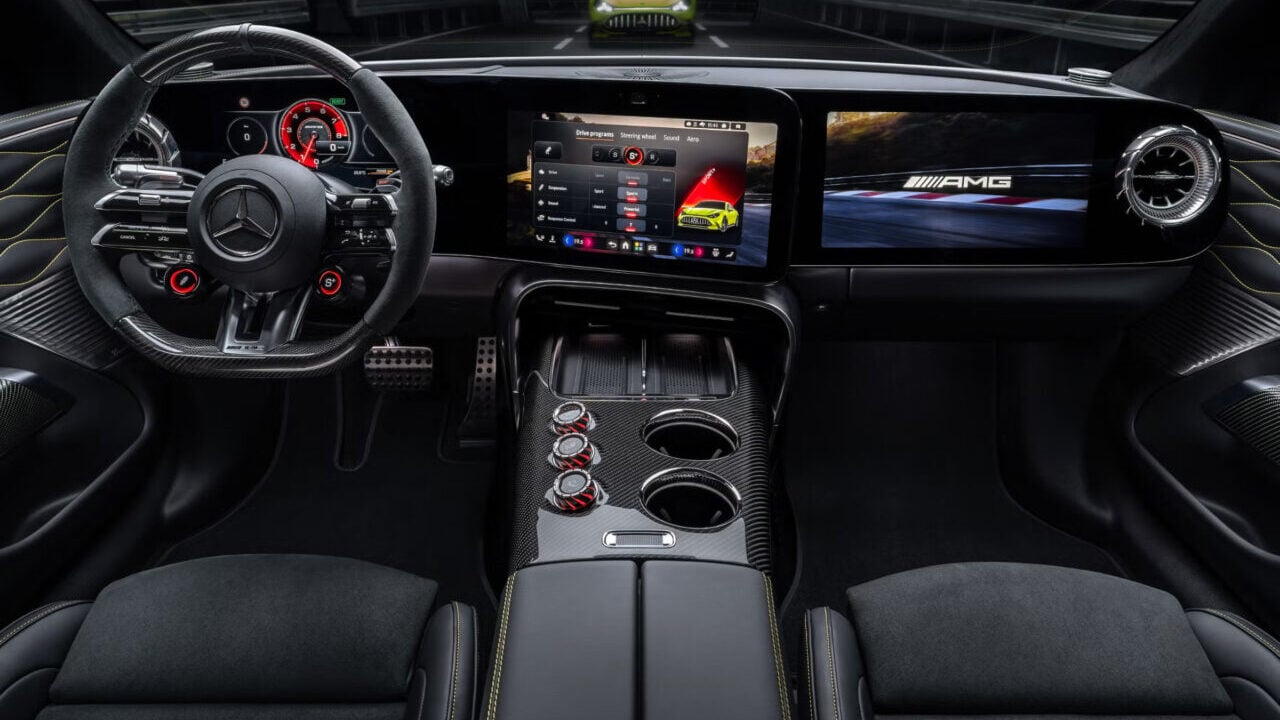
Modern vehicles generate far more wireless signals than many drivers realize. Infotainment systems, Wi-Fi hotspots, Bluetooth connections, tire pressure monitoring systems, and keyless entry technology all broadcast identifiable electronic signatures.
As a result, a vehicle itself can become part of the tracking network. Even if a license plate is obscured, removed, or changed, electronic signatures associated with the vehicle and its occupants could potentially provide another way to identify and follow it.
Leonardo’s own promotional materials suggest the technology can also identify patterns involving groups of vehicles traveling together. The company says the system may help detect trafficking operations, convoy movements, and other coordinated activities.
Perhaps most surprisingly, company literature notes that pet microchips could also serve as detectable identifiers, further expanding the range of devices that could become part of the surveillance ecosystem.
How The Technology Works
Leonardo received a U.S. patent for its electronic signature tracking system in 2024. The company says roadside sensors capture frequencies emitted by nearby devices and generate unique electronic signatures based on those signals.
According to Leonardo, the system does not decrypt communications or access the contents of devices. Instead, it focuses on collecting identifying characteristics that can be linked together over time.
The company argues that these signatures allow investigators to identify individuals of interest more effectively, even in situations where traditional license plate recognition is unavailable. The technology can also be deployed in locations such as rail stations, shopping centers, and other areas beyond public roadways.
Privacy Concerns Continue To Grow
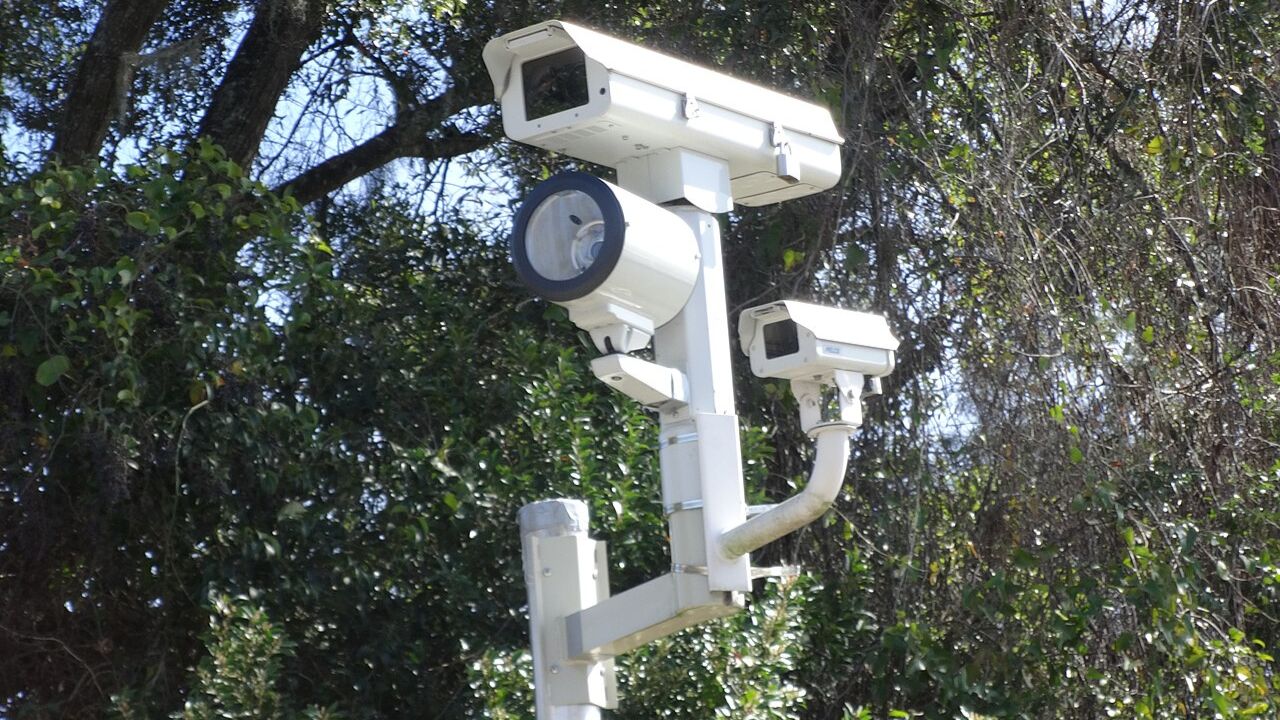
Privacy advocates argue that the expansion of ALPR technology raises significant civil liberties questions. Organizations such as the Electronic Frontier Foundation have long warned that collecting large amounts of vehicle location data can reveal a person’s “pattern of life,” including where they live, work, worship, and spend their time.
Adding personal device signatures to those databases could make it easier to identify specific individuals rather than simply track vehicles. Critics contend that such systems effectively eliminate anonymity in public spaces while collecting information on vast numbers of people who are not suspected of any crime.
There are also concerns about data security. Previous investigations have uncovered cybersecurity vulnerabilities in license plate reader networks, while several law enforcement databases have experienced breaches, misuse, or unauthorized access over the years.
The Future Of Vehicle Surveillance
The emergence of systems like SignalTrace reflects a broader trend toward combining multiple data sources into a single investigative platform. Instead of relying solely on vehicle identification, future surveillance networks may link together cars, phones, wearables, connected devices, and location histories.
For law enforcement agencies, that could provide powerful new investigative tools. For privacy advocates, it represents another step toward comprehensive tracking of everyday activities.
As the technology moves from concept to deployment, lawmakers, regulators, and courts will likely face growing pressure to determine where the boundaries should be drawn between public safety and personal privacy in an increasingly connected world.