
Nissan is accelerating its turnaround strategy by targeting one of the most ambitious goals in the automotive industry: cutting vehicle development times nearly in half. According to Nikkei, the Japanese automaker believes faster product cycles will help it compete more effectively in a market increasingly shaped by Chinese manufacturers.
The initiative comes as Nissan continues restructuring under CEO Ivan Espinosa. After years of financial struggles, plant adjustments, and product delays, the company is now focusing on improving efficiency while bringing new vehicles to market far more quickly.
At the center of the plan is the next-generation Skyline. According to Nissan, the upcoming model will serve as a showcase for the company’s new development process and could reach production in less than half the time required for its predecessor.
Traditional automakers in Japan, Europe, and North America are facing pressure from Chinese brands that have dramatically shortened development cycles while rapidly introducing new technologies and vehicle platforms.
Skyline Will Lead Nissan’s Faster Development Strategy
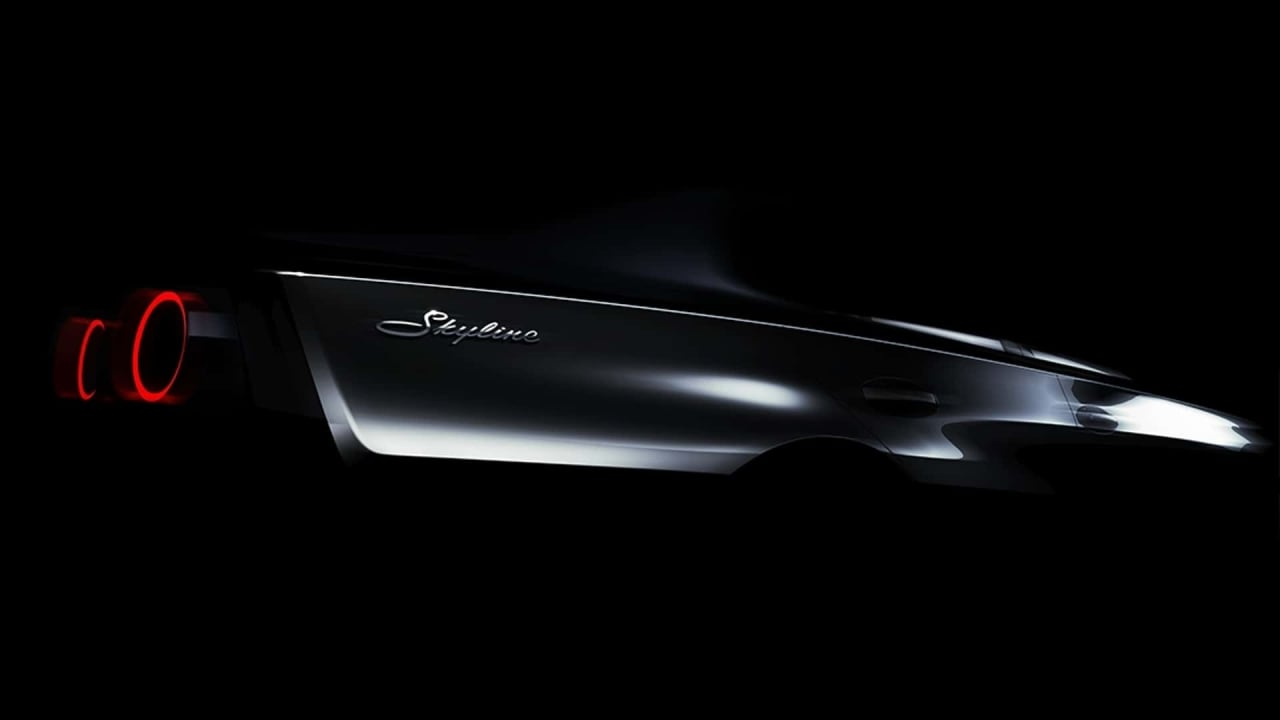
Nissan’s previous Skyline generation required approximately 55 months to move from concept to production. Under the new approach, the next Skyline is expected to be completed in just 26 months.
That figure represents a dramatic reduction in development time and brings Nissan much closer to the pace established by Chinese manufacturers. While some Chinese automakers can reportedly launch new vehicles in as little as 18 months, Nissan has set a target of 30 months or less for future programs.
The next Skyline is expected to debut later this year as a 2027 model. For Nissan, the sedan will become an important test case for determining whether faster development can be achieved without sacrificing quality or engineering standards.
AI And Digital Engineering Are Driving The Change
A major component of Nissan’s strategy involves increased use of artificial intelligence and advanced digital development tools. According to Espinosa, AI will play a significant role throughout the design, testing, and manufacturing processes.
Modern engineering software can simulate thousands of design variations in a fraction of the time previously required. Engineers can analyze structural performance, manufacturing feasibility, and efficiency improvements before physical prototypes are built.
The company believes these technologies will reduce development costs while accelerating decision-making. Faster validation processes could allow Nissan to bring vehicles to market sooner without requiring the same level of traditional testing resources.
Learning From China’s Automotive Playbook
Nissan is openly acknowledging that Chinese automakers have become leaders in development speed and cost competitiveness. The company plans to leverage expertise from its Chinese joint venture partner, Dongfeng Motor, as part of its transformation.
Dongfeng reportedly developed a Nissan-branded electric vehicle for the Chinese market in approximately 24 months. That timeline has become a benchmark Nissan hopes to replicate across more of its global vehicle programs.
Espinosa has described China as setting many of the automotive industry’s future standards, not only in technology but also in efficiency and development practices. Nissan’s goal is to apply lessons learned in China to operations around the world.
Bigger Product Plans Are Already Taking Shape
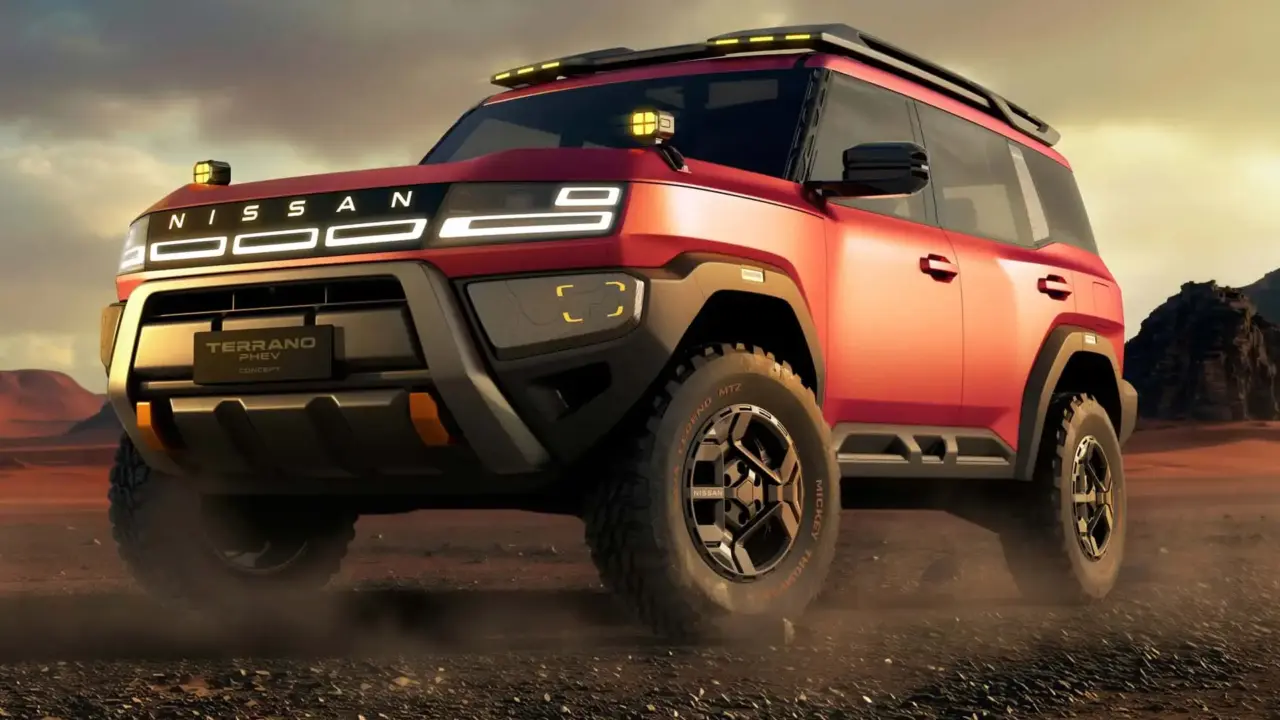
The faster development strategy is expected to support a wave of new products over the next several years. Nissan has already confirmed plans for multiple new SUVs and pickup trucks, along with additional electrified vehicles.
The company also intends to simplify its engineering operations by relying on three core vehicle platform families that will support roughly 80 percent of global sales. Greater parts sharing and platform commonality should further reduce costs and development complexity.
In North America, Nissan has already confirmed new body-on-frame products are on the way. A next-generation Xterra is expected to arrive around 2028, while future trucks and SUVs will benefit from new V6 and hybrid V6 powertrains currently under development.
Speed Alone Won’t Guarantee Success
While reducing development times could improve profitability and competitiveness, execution remains critical. Shorter engineering cycles can create challenges if quality, reliability, or product refinement suffer as a result.
Nissan’s recent recovery has been built on reducing losses, streamlining production, and improving operational efficiency. The next phase of the turnaround depends on delivering products that customers actually want to buy while maintaining competitive pricing and long-term reliability.
The upcoming Skyline will provide the first real indication of whether Nissan’s new approach can deliver those results. If successful, it could become the blueprint for a faster and more agile Nissan as the company works to regain momentum in an increasingly competitive global market.