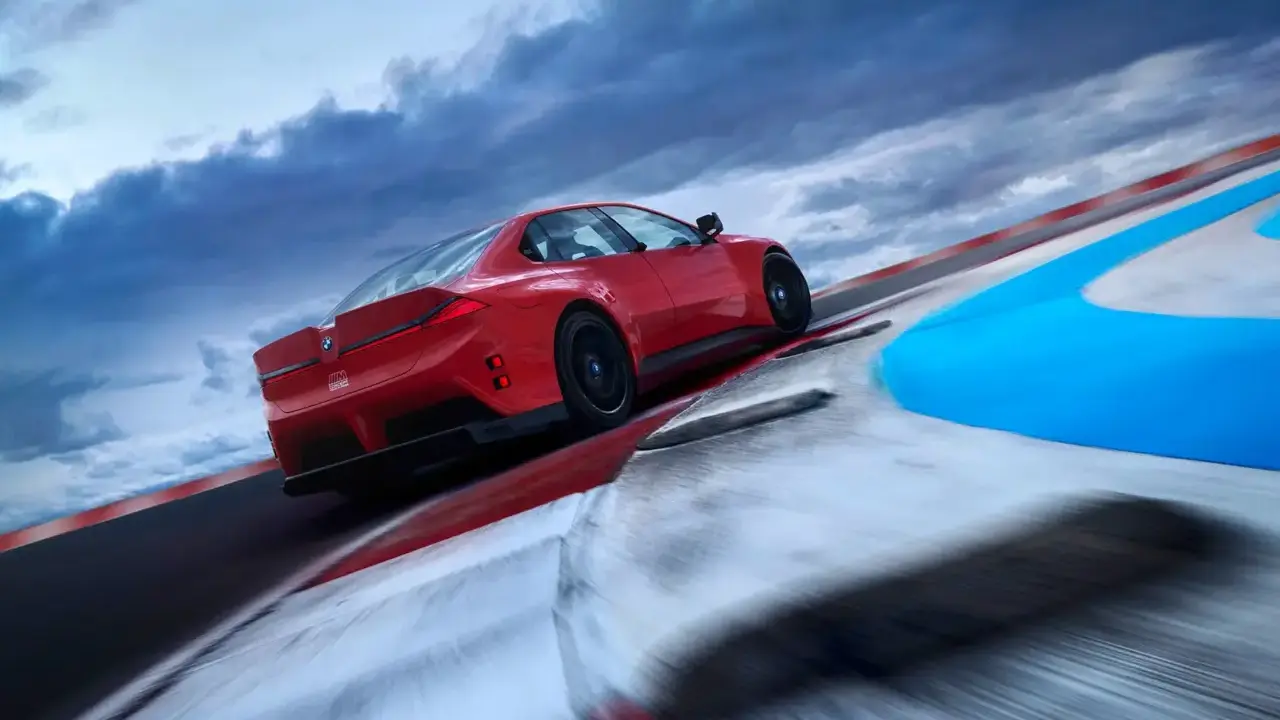
BMW M has finally answered one of the biggest questions surrounding the next-generation M3, and the answer is likely to please traditional performance-car enthusiasts. Despite increasing electrification across the industry and the plug-in hybrid setup found in today’s M5, the upcoming gasoline-powered M3 will remain free of a full hybrid system.
The confirmation comes directly from BMW M CEO Frank van Meel, who, in an interview with Pistonheads, revealed that the next M3 will continue using a version of the company’s S58 twin-turbocharged inline-six while avoiding the added complexity and weight of a plug-in hybrid powertrain.
Instead of pursuing a middle-ground solution, BMW plans to offer two distinct versions of its iconic sports sedan: a pure internal-combustion M3 and a fully electric M3 based on the Neue Klasse platform.
That approach allows BMW to satisfy both traditional enthusiasts and buyers interested in next-generation electric performance without forcing either group into a compromise.
BMW Is Choosing Extremes Instead Of A Middle Ground
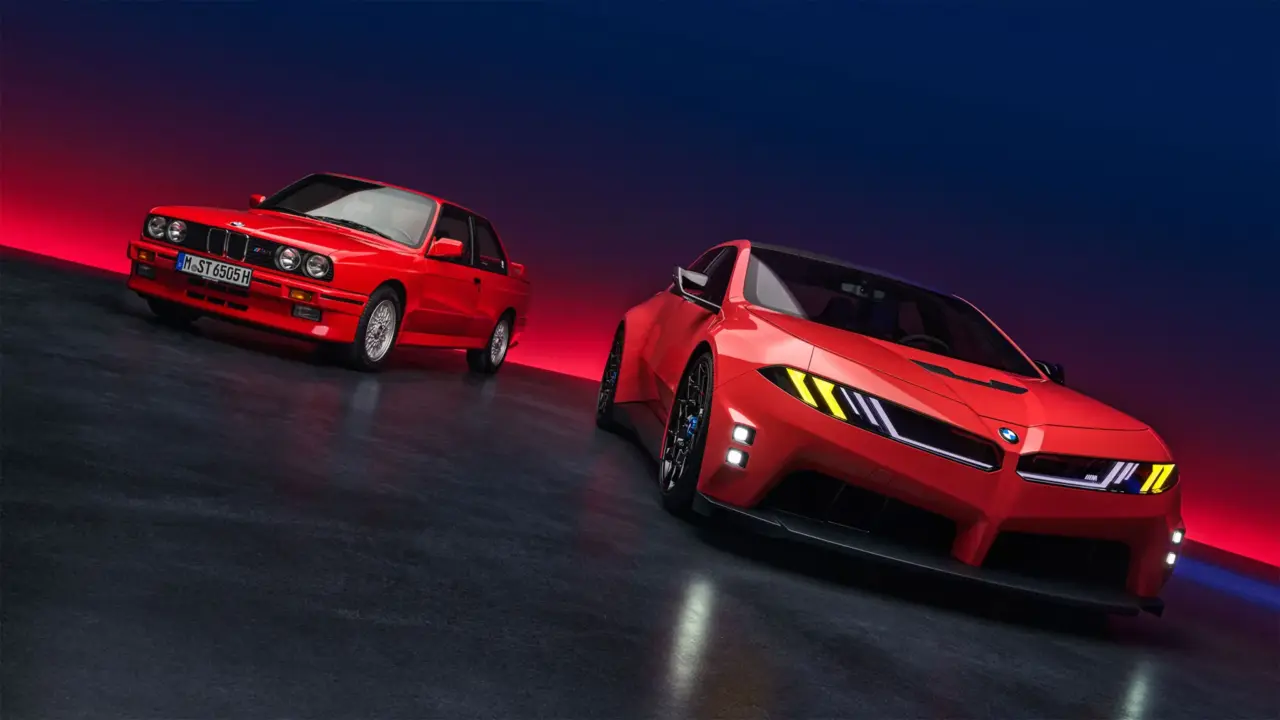
Speaking about the future M3, van Meel explained that BMW has deliberately ruled out a plug-in hybrid setup. “Our motorsport-derived-tech M Ignite Euro 7 S58 comes out this year, so I can say that it will survive to go into our future M cars,” he said. “It won’t be hybrid, as we’re sticking with the perfect combustion principle. Here, we will go to the extremes, not the in-between.”
That philosophy represents a noticeable departure from the strategy used for the latest M5, which combines a V8 with a large plug-in hybrid system. While the M5 delivers immense performance, its substantial weight has been one of the most discussed aspects of the car since its launch. For the M3, BMW appears determined to preserve a more focused driving experience.
The S58 Straight-Six Lives On
The combustion-powered Neue Klasse M3 will continue using BMW’s highly regarded S58 engine, albeit in updated form.
The revised powerplant incorporates BMW’s new M Ignite pre-chamber combustion technology, developed to meet increasingly stringent Euro 7 emissions standards. The system effectively adds a secondary ignition process designed to improve efficiency and reduce emissions without sacrificing performance.
BMW has not yet confirmed final output figures, but the current S58 produces anywhere from 473 horsepower in the standard M3 to 523 horsepower in the M3 Competition xDrive.
More importantly for enthusiasts, BMW’s commitment to the inline-six means the next M3 should retain much of the character that has defined the model for decades.
A Manual Transmission Still Isn’t Dead
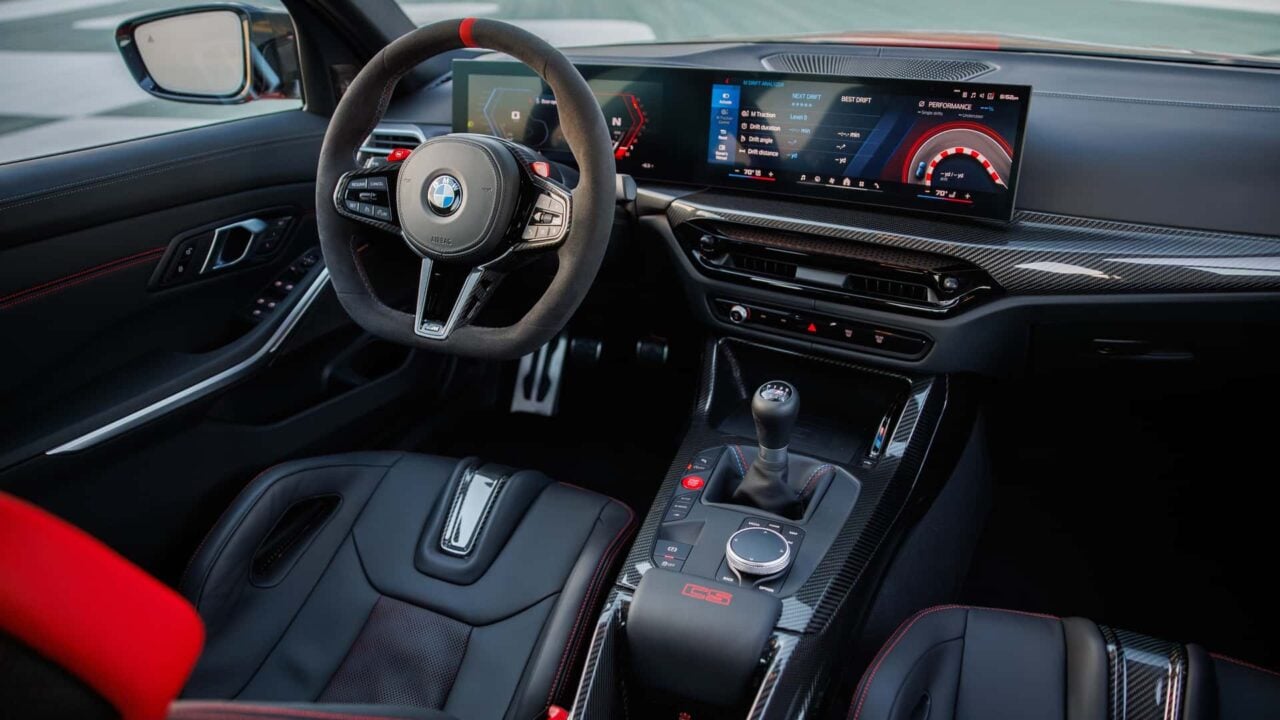
Perhaps equally surprising is BMW’s continued openness to offering a manual transmission. Van Meel acknowledged that sourcing components for manual gearboxes is becoming increasingly difficult as suppliers exit the market. Even so, he emphasized that driver engagement remains a priority for the M division.
BMW recently introduced a manual-equipped M3 CS variant for select markets, demonstrating that demand still exists among enthusiasts who prefer three pedals.
While nothing has been officially confirmed for the next-generation M3, the door remains open.
The Electric M3 Will Be A Completely Different Beast
The gasoline M3 may be grabbing headlines, but BMW is equally excited about its electric counterpart. Internally known as the ZA0 project, the electric M3 is expected to feature four electric motors and more than 700 horsepower.
BMW claims the vehicle was developed with handling and vehicle dynamics as primary objectives rather than focusing solely on straight-line acceleration.
According to van Meel, the electric model won’t simply be quicker off the line than the gasoline car. BMW expects it to outperform the combustion version on a racetrack as well.
Engineers are also developing unique software features, including simulated gear changes and performance-focused sound design, though BMW says it won’t simply copy the virtual transmission systems used by competitors.
Two M3s, Two Different Missions
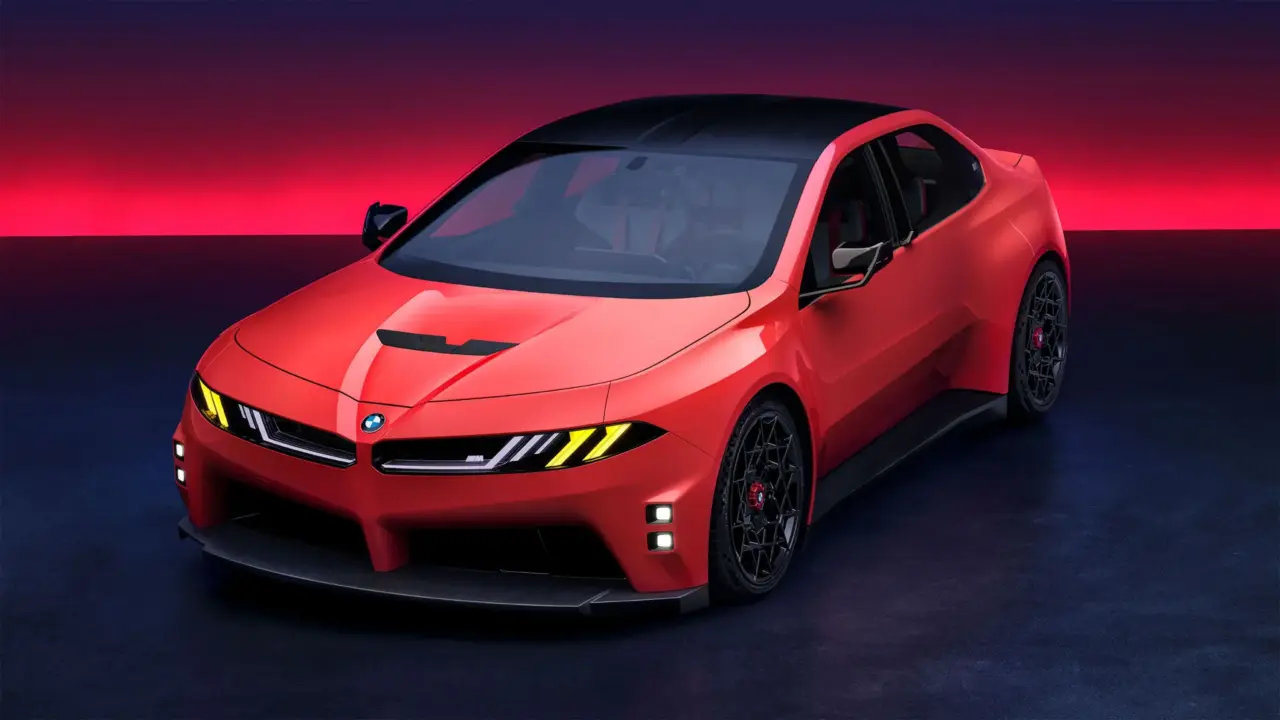
BMW’s strategy effectively creates two interpretations of the same performance icon. One version will cater to buyers who still want the sound, feel, and engagement of a turbocharged inline-six. The other will push the boundaries of electric performance with advanced torque vectoring, instant power delivery, and cutting-edge vehicle control systems.
Rather than blending the two concepts together through a hybrid drivetrain, BMW believes each technology works best when allowed to stand on its own.
For enthusiasts who feared the next M3 would inherit the plug-in hybrid formula of the M5, that decision may be the most important news of all.
With production expected to begin in 2027, BMW appears ready to prove that there is still room for a pure combustion-powered M car, even as the brand simultaneously embraces an electric future.