Ford’s recall troubles are not going away anytime soon. The automaker is now re-recalling nearly 390,000 vehicles after discovering that several previous recall repairs were not completed correctly, leaving the original safety concerns unresolved.
The latest action affects a wide range of Ford and Lincoln models, including the Focus, F-150, Escape, Fusion, Mustang, Navigator, and Nautilus. In each case, the vehicles had already been repaired under earlier recall campaigns but still require additional corrective action.
The situation shows one of the more frustrating realities of large-scale recalls. Fixing a problem once does not always guarantee it has been permanently resolved, particularly when software updates, service procedures, or dealership repairs fail to address the issue as intended.
For Ford, which has spent the past several years battling quality concerns and industry-leading recall totals, the latest round of re-recalls adds another challenge to its ongoing effort to improve reliability and customer confidence.
More Than 255,000 Focus Models Lead The List
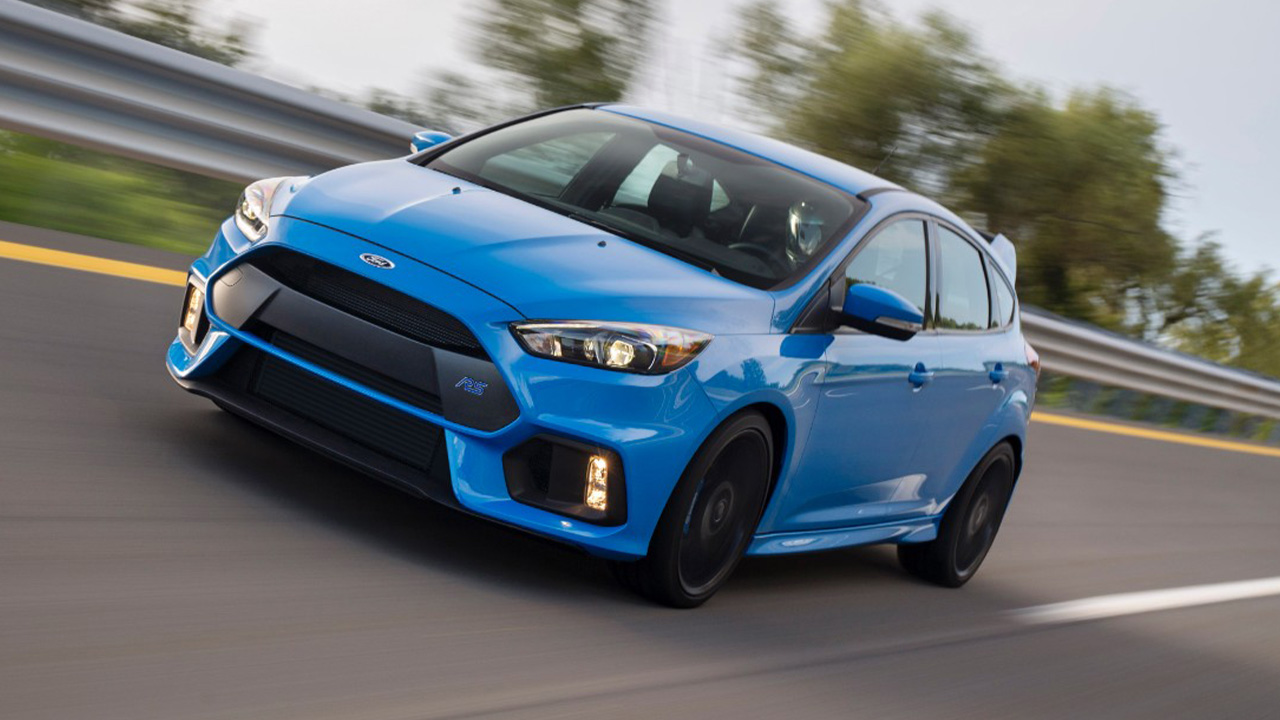
The largest group of affected vehicles consists of 255,404 Ford Focus models built between 2012 and 2018.
According to NHTSA filings, these cars may suffer from a faulty canister purge valve that can lead to engine stalling. The problem was previously addressed under an earlier recall campaign, but Ford has now determined that the original repair was ineffective.
The company estimates that every vehicle included in the campaign may still have the defect. Dealers will remedy the issue through an updated powertrain control module software calibration.
Given the sheer number of vehicles involved, the Focus accounts for well over half of the nearly 390,000-unit total.
F-150 Owners Face Multiple New Recall Campaigns
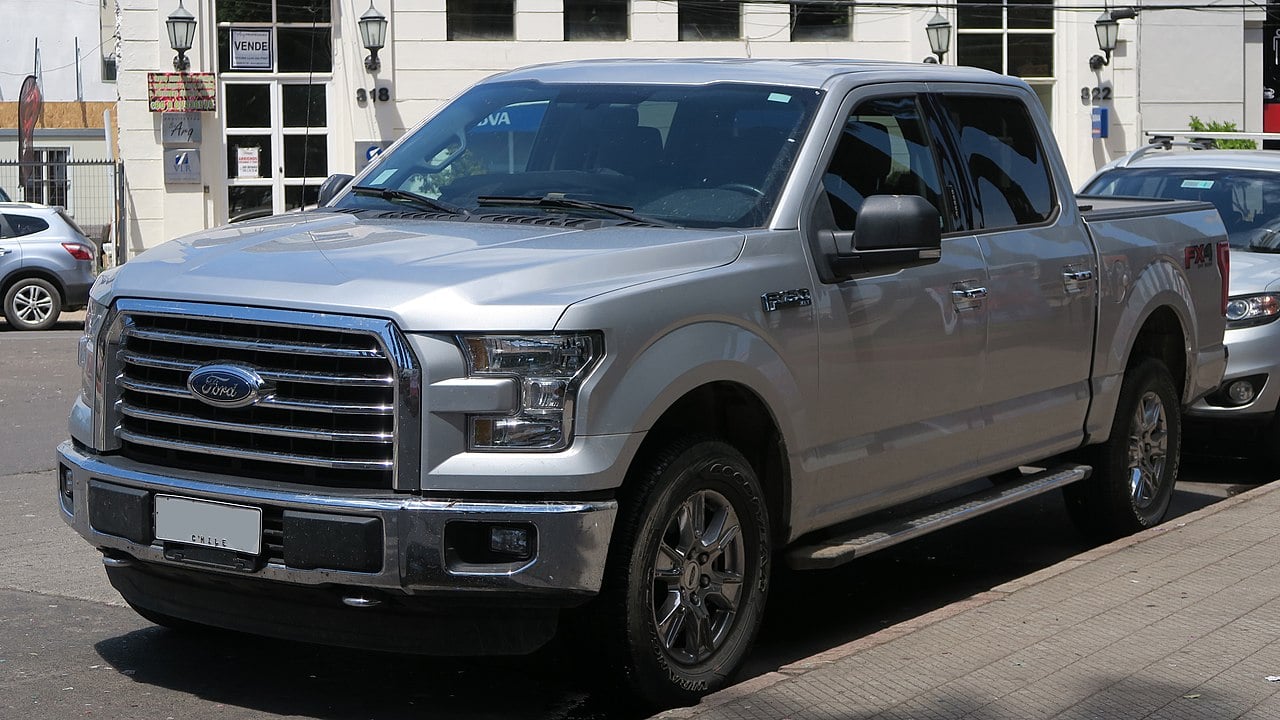
Ford’s best-selling F-150 pickup appears in several separate re-recalls. The largest affects 91,190 trucks from the 2018 through 2020 model years. These vehicles may have daytime running lights that fail to dim properly when headlights are switched on, potentially creating visibility concerns for other motorists.
Another 10,742 F-150s from the 2018 model year are being recalled because a transmission-related issue could allow unintended gear selection during rapid shifts from Park to Drive.
An additional 4,445 trucks from the 2017 model year are included due to instrument cluster problems that may cause critical gauges and displays to become inoperative during cold-weather startups.
In all three cases, Ford believes every affected vehicle could exhibit the problem and plans to resolve the issues through software updates.
Escape, Fusion And Mustang Also Impacted
The recall action extends well beyond the Focus and F-150. A total of 18,124 Ford Escape SUVs from the 2017 model year are being recalled because their power-window auto-reverse function may not properly detect obstructions. Federal safety standards require power windows to reverse direction when encountering resistance, helping prevent injuries.
Another 5,252 vehicles, including certain 2015-2018 Ford Focus and 2013-2016 Ford Fusion models, are being recalled because clutch failures could lead to transmission fluid leaks.
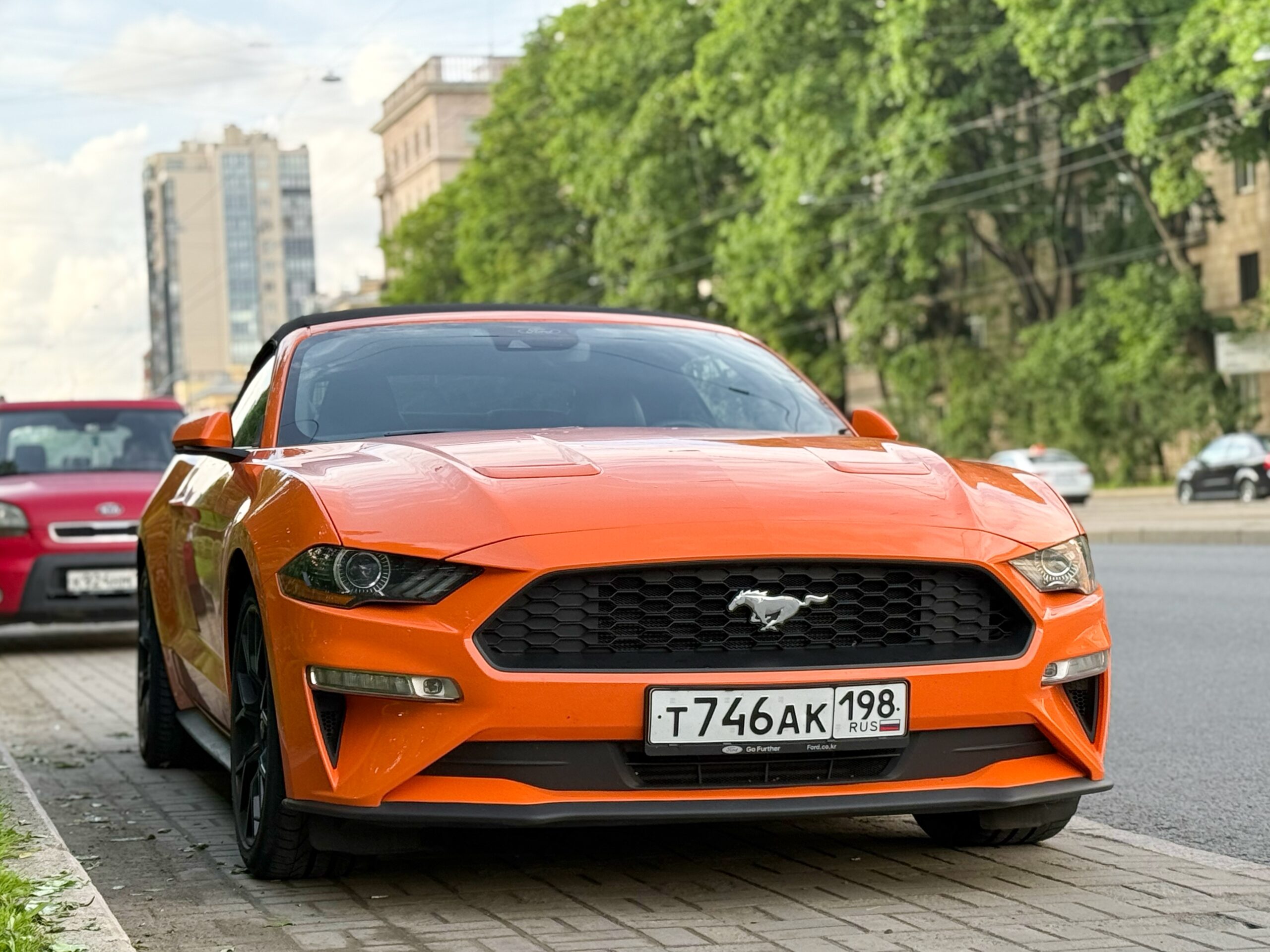
Meanwhile, 4,151 vehicles consisting of 2019 Ford Mustangs and select Lincoln Navigator and Nautilus models are also affected. These vehicles may experience instrument panel failures that result in blank displays during startup. As with the other campaigns, Ford says updated software will address the problems.
Why Re-Recalls Matter
While recalls are common across the automotive industry, re-recalls can be particularly damaging because they raise questions about whether previous fixes were effective.
In these cases, owners already took time to bring their vehicles to dealerships for repairs, only to learn that additional work is still required. That can create frustration among customers and increase scrutiny from regulators.
For automakers, re-recalls also add costs that extend far beyond the original campaign. Dealers must perform additional repairs, customer communications must be repeated, and the company’s quality reputation can suffer further damage.
Ford has openly acknowledged its quality challenges and recently implemented new manufacturing initiatives aimed at reducing future defects, including daily engine teardowns and expanded quality-control programs at its factories.
Another Reminder Of Ford’s Quality Challenge
The latest action serves as another reminder of the scale of the challenge Ford faces. The automaker issued more than 150 recalls covering nearly 13 million vehicles in 2025 alone, far more than any other manufacturer. While many of those issues stem from older vehicles and past production decisions, they continue to impact owners today.
Ford says it is making progress through stricter manufacturing oversight and improved quality-control procedures. However, the need to re-recall nearly 400,000 vehicles demonstrates that fixing past mistakes can sometimes be just as difficult as preventing new ones.
Owner notification letters are expected to begin going out in July, with affected customers able to schedule the latest repairs through Ford and Lincoln dealerships.