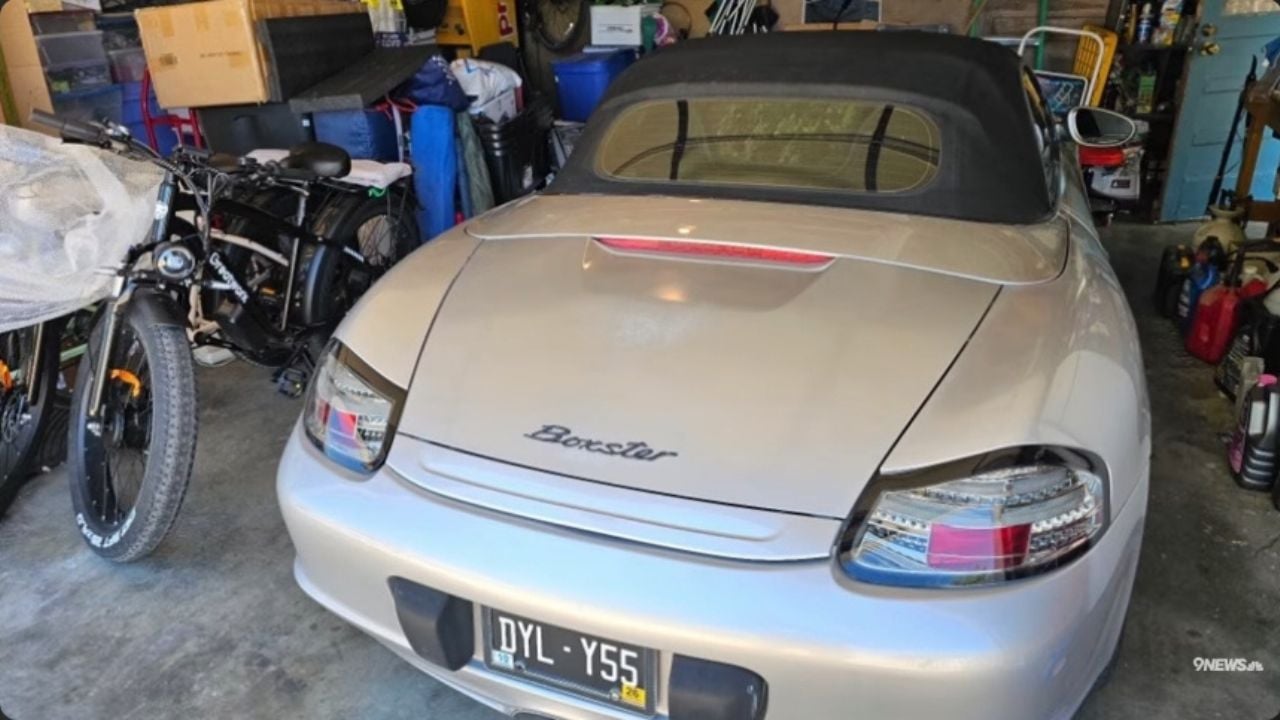

A parking ticket from a city you have not visited in years would raise questions for most drivers. For Brad Sands of Grand Junction, Colorado, that question turned into a fight with a system that offered few ways to correct what appeared to be an obvious mistake.
The notice arrived from the City of Denver and demanded payment for a street sweeping violation. It stated that an original $50 fine had grown to $100 after going unpaid.
Sands says he never received the first citation. He also says he had not driven to Denver in years, making the allegation difficult to understand.
The details on the notice only deepened the confusion. The vehicle listed in the citation did not match the car sitting in Sands’ garage, yet officials still expected him to either pay the bill or appear in court.
A Ticket That Did Not Match the Vehicle
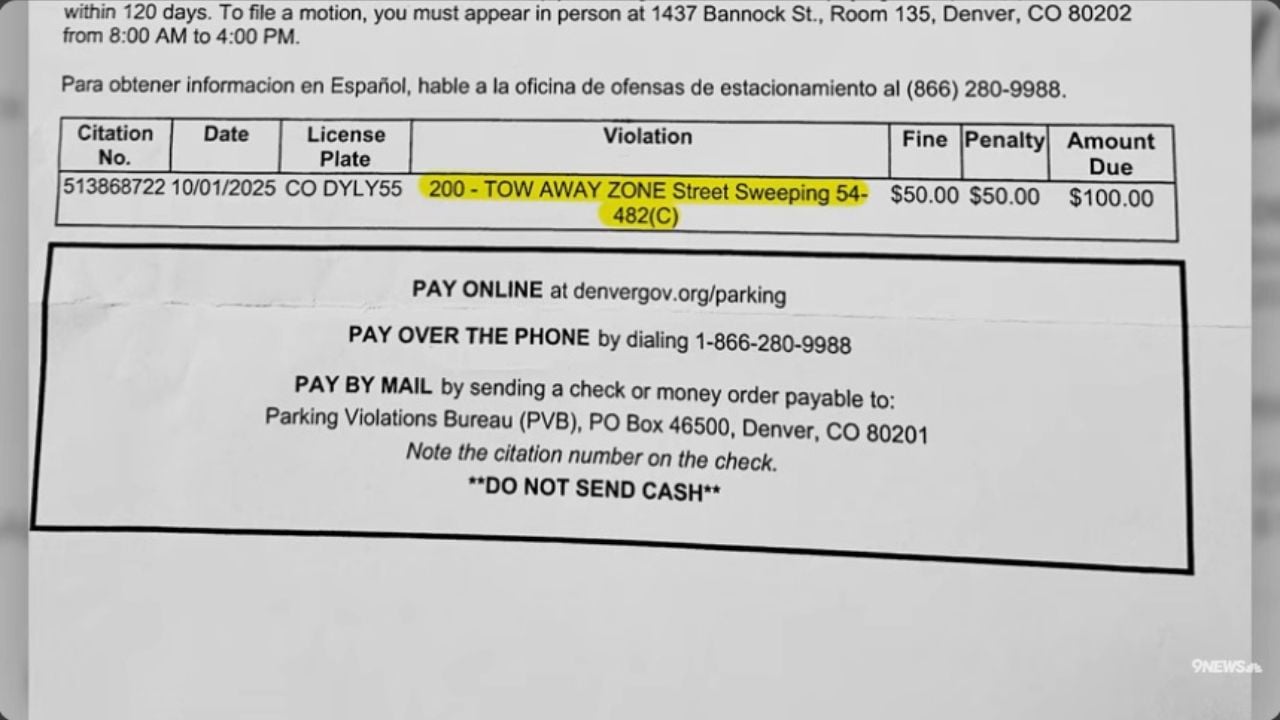
According to Sands, the late notice identified his Colorado license plate number but described a completely different vehicle. He owns a 2003 Porsche Boxster, while the ticket listed a Hyundai SUV connected to the street sweeping violation in Denver.
The discrepancy appeared straightforward. Sands had documentation showing the make and model associated with his registration, which differed from the vehicle described by enforcement records.
He contacted Denver officials by phone in an effort to challenge the citation. He believed proof of the mismatch would resolve the issue without further action.
Instead, he says he was told that disputing the ticket required an in-person appearance in court. For a resident of Grand Junction, that meant traveling several hours across Colorado to contest a fine tied to a vehicle he insists was not his.
The Cost of Fighting an Error
Sands faced a calculation familiar to many consumers caught in administrative disputes. The financial burden of challenging the citation threatened to outweigh the cost of simply paying it.
Driving from Grand Junction to Denver would require time away from work, travel expenses, and scheduling around a court date. Paying the $100 fee would be easier, even if it meant accepting responsibility for an offense he says he did not commit.
The situation also highlighted changes within Denver’s parking dispute process. According to the 9NEWS investigation, previous systems allowed residents to work with staff members who could review cases involving errors before they reached a courtroom.
Budget reductions eliminated those positions, leaving many drivers with fewer options outside a formal court appearance. Critics argue that the process places the burden on citizens to prove innocence, even in cases involving evidence that appears to contradict the citation itself.
9NEWS Investigates the Claim
Rather than accept the explanation at face value, 9NEWS reporter Steve Staeger and the station’s crew examined the circumstances surrounding Sands’ ticket. The citation originated near the area where the television station is located in Denver. During their reporting, the team searched for clues that could explain how the error occurred.
Their investigation led them to a Hyundai Tucson parked nearby with a license plate resembling Sands’ number. The sequence reportedly differed by only a single digit. That discovery offered a possible explanation for the confusion.
Street sweeping enforcement often relies on plate identification systems and data entry processes. In situations involving similar plate combinations, a mistake during identification can direct penalties toward the wrong registered owner.
Pressure for Answers and Broader Questions
After 9NEWS shared its findings with Denver’s Department of Transportation and Infrastructure, officials said they would take another look at Sands’ case. For Sands, media attention offered hope that the citation could finally be reviewed through a process that had previously seemed closed to him.
The story also fueled wider criticism from viewers who described experiences involving parking enforcement disputes and limited avenues for appeal. Some questioned why remote hearings, including video appearances, were unavailable for residents living far from Denver.
Others argued that systems designed to collect fines should include safeguards capable of identifying conflicts between license plate records and vehicle descriptions before penalties escalate.
As Denver officials work toward changes that city leaders have said could arrive by the end of the summer, Sands’ experience has become part of a larger conversation about access, accountability, and whether correcting government errors should require citizens to shoulder the burden of proving that a ticket never belonged to them in the first place.
Typical moronic blue state government