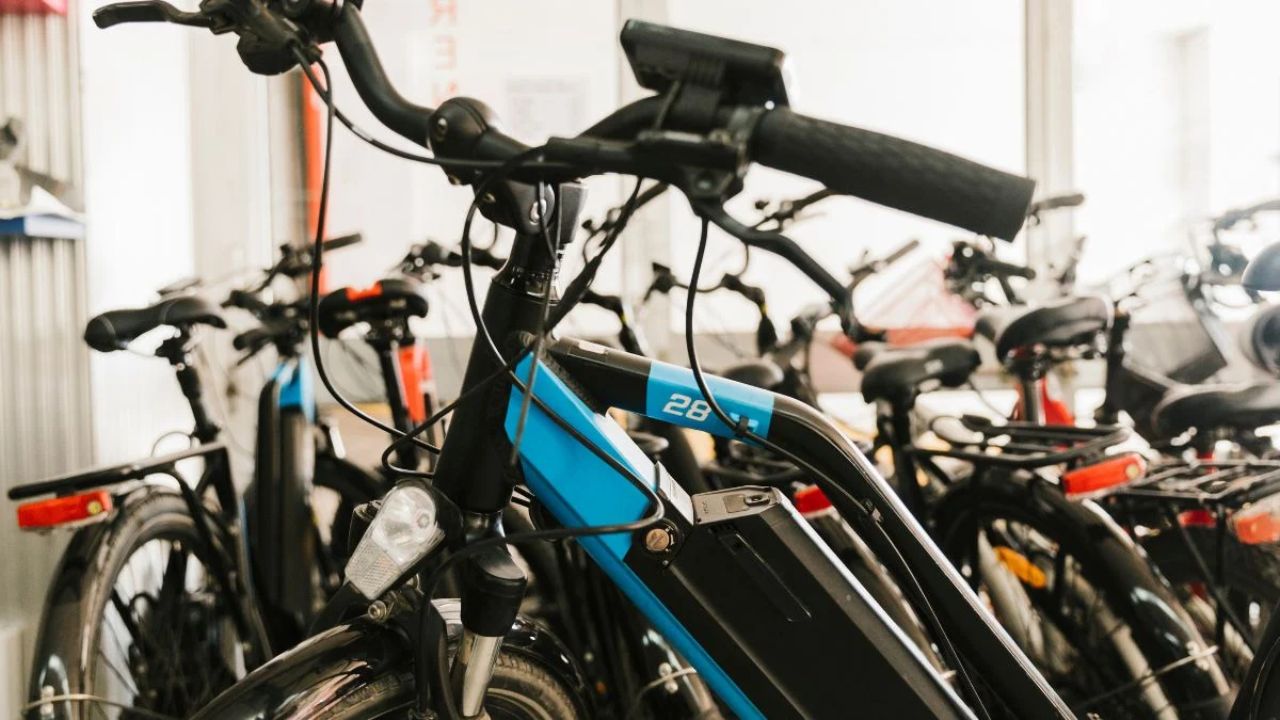

Various Ohio lawmakers are looking to close what many see as a dangerous loophole in state law that makes it possible for a person to be charged with vehicular homicide if they kill someone while riding an e-bike. While this information is shocking, the discussion highlights a much bigger issue with how the state handles e-bikes.
On the Today in Ohio podcast, the hosts talked about whether lawmakers even understand what is being stated. How could they treat e-bikes like motor vehicles when tragedy strikes, but then refuse to regulate them like one in the first place?
This has led to various issues with prosecutors in Ohio when going over fatal car crashes with nontraditional vehicles, like e-bikes. For example, if you were in Ohio and fatally hit someone with a golf cart, the current vehicular homicide laws wouldn’t apply because they aren’t included in what the state considers a motor vehicle.
The proposed change would close that gap, expanding the law to include e-bikes, golf carts, electric scooters, and similar transportation devices capable of causing serious injury or death.
Should E-Bikes Be Treated More Like Cars?
Podcast host Leila Atassi argued that the proposal makes practical sense, saying the law “simply closes a loophole and recognizes that some of these vehicles can travel pretty fast, fast enough to seriously injure or kill someone.”
But fellow host Chris Quinn quickly raised concerns about what he sees as an obvious contradiction. “If you’re going to treat them as vehicles that can be used in vehicular homicide, how in your right mind do you not require the same rules as other motor vehicles?”
That question sits at the center of the growing debate. It can be argued that the disconnect becomes even more troubling when young riders are involved.
What Is Classified as an E-Bike?
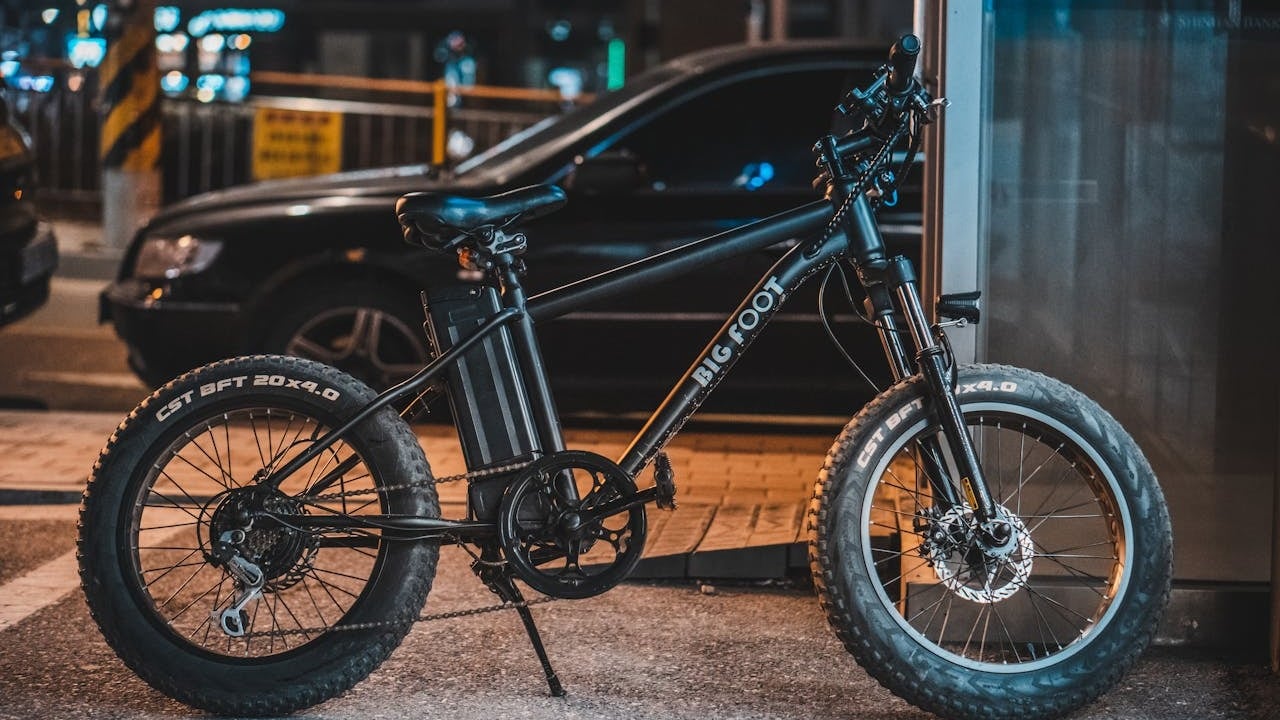
An e-bike is a bicycle with an electric motor that can help with pedaling and movement. Currently, there are three classes for what is considered to be an e-bike, all of which currently do not fall under the category.
Class 1 e-bikes have a maximum assisted speed of 20 mph without a throttle. Class 2 e-bikes do have a throttle and can reach speeds up to 20 mph, but it can still be moved with pedals.
Lastly, Class 3 e-bikes are pedal-assisted only and can reach speeds of up to 28 miles per hour. Currently, there are varying e-bikes that blur the lines between a moped and a bicycle, as sthey can exceed up to 28 mph and even have motorcycle-style throttles.
Concerns Grow Over Children Riding High-Speed E-Bikes
Quinn pointed to what he described as months of discussions surrounding the dangers of children riding high-powered e-bikes with little or no training. Some models can reach significant speeds, making them far different from traditional bicycles.
During one podcast discussion, Quinn referenced a letter from a concerned mother who admitted she feels anxious every time her young son rides an e-bike purchased by his father. According to Quinn, the mother believes her child lacks the experience and judgment necessary to safely operate what is essentially a fast-moving motorized vehicle.
Under the proposed law, if that same child were involved in a fatal collision, they could potentially face serious charges in juvenile court. As the popularity of e-bikes continues to grow across Ohio and the rest of the country, the debate over safety, accountability, and regulation is likely only beginning.