When lawmakers set out to tackle the growing problem of reckless riders on high-powered electric motorcycles tearing through city streets, the goal seemed reasonable enough. But New Jersey’s solution has managed to unite an unlikely coalition of commuters, delivery workers, cargo bike families, and even fellow legislators in opposition — and the clock is ticking. The law is set to take effect July 19, 2026, and the backlash is only getting louder.
At the core of the problem is a piece of legislation that treats virtually every two-wheeled electric vehicle as if it were the same machine. A quiet, 20 mph pedal-assist e-bike that a retired schoolteacher uses to get to the grocery store gets lumped in under the same regulatory umbrella as a 50 mph electric moto that blows through red lights. Riders, advocates, and legal observers argue that’s not a safety solution — it’s a blunt instrument that misses its target entirely.
The law requires all e-bike riders to hold a valid state license. Adults who already have a driver’s license are technically covered, but younger riders and anyone without one would need to obtain a separate e-bike license. On top of that, registration is mandatory across all three classes of e-bikes, and the question of which vehicles require insurance has generated enough confusion that advocacy groups say they’re fielding a flood of calls from riders who simply can’t figure out what applies to them.
A statehouse rally last week drew significant crowds, and the opposition has collected more than 2,100 letters in just a few weeks — a level of organized public resistance that tends to get legislative attention, especially when sitting lawmakers are showing up to protest their own state’s law.
The Problem With Painting Every E-Bike With the Same Brush
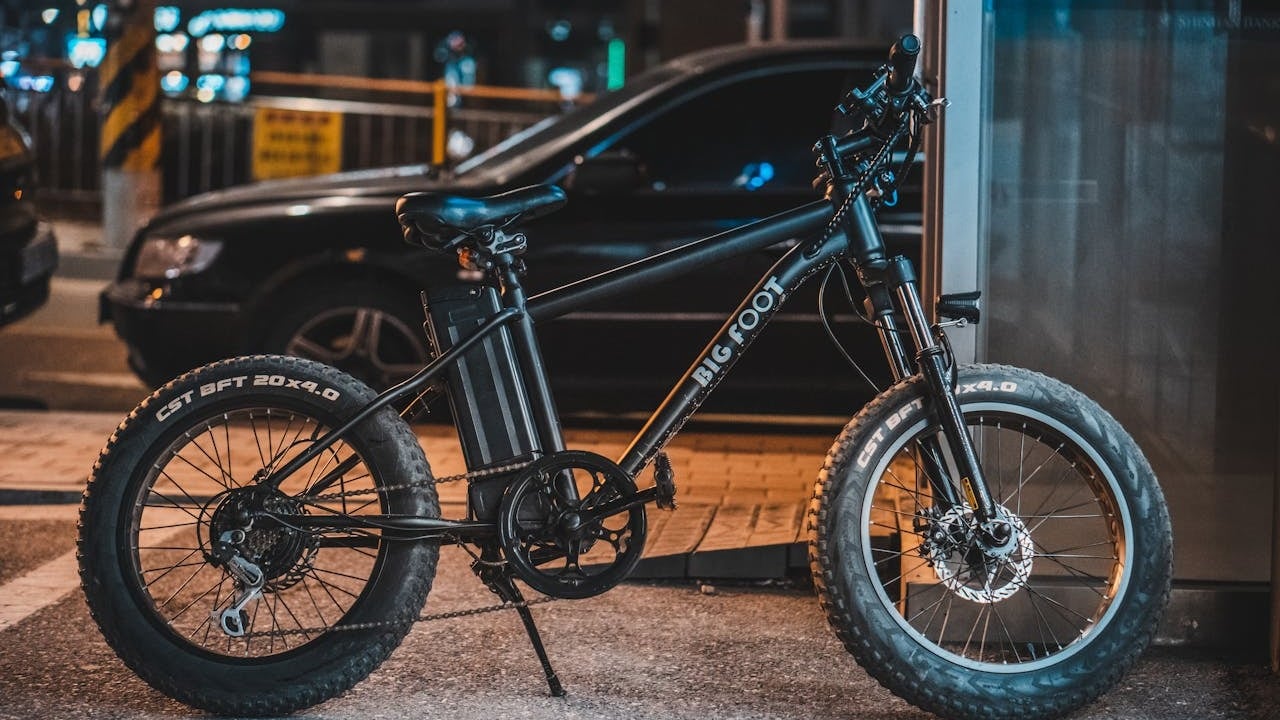
Anyone who has spent time around the e-bike world understands that the category has a massive range problem — and not the battery kind. On one end, you have Class 1 and Class 2 electric bicycles, which top out at 20 mph and rely on pedal assist. These are the bikes being used for school commutes, grocery runs, and weekend recreation. On the other end are high-powered electric motorcycles and e-motos, some capable of keeping pace with car traffic, that have become a genuine enforcement headache in urban areas across the country.
The federal government has long recognized this distinction. Under federal law, electric bicycles are defined as vehicles with fully operable pedals, an electric motor under 750 watts, and a top speed of 20 mph. Anything exceeding those parameters is classified as a motor vehicle and subject to entirely different rules. New Jersey’s law, critics say, effectively ignores that framework.
Who Actually Gets Hurt by Broad E-Bike Regulations
The people most likely to be deterred or penalized by complex licensing and registration requirements aren’t the ones causing problems. They’re the commuters who chose an e-bike to avoid car payments, the delivery workers who rely on their bikes for income, and immigrant community members who may have limited access to licensing infrastructure in the first place.
Ana Paola Pazmiño, executive director of Resistencia en Acción NJ, made that point directly at the statehouse rally, noting that workers using e-bikes to reach jobs, schools, and medical appointments stand to lose the most from a law written without their realities in mind. Equity concerns have added another dimension to what might otherwise be a straightforward regulatory debate, and they’re proving difficult for legislators to dismiss.
Enforcement Reality vs. Legislative Intent
There is real agreement, even among the law’s harshest critics, that something needs to be done about illegal high-speed electric motorcycles. These are not e-bikes in any meaningful sense, and they have created genuine safety issues in cities across the Northeast. The dispute isn’t over whether enforcement is warranted — it’s over whether creating licensing barriers for ordinary e-bike riders actually accomplishes anything toward that goal.
The riders on illegal e-motos aren’t typically worried about registration compliance. Layering requirements onto law-abiding commuters does not reach them. Several states and cities have explored more targeted approaches, including drone-assisted pursuit tactics and camera-based identification systems, specifically because blanket rules tend to penalize the cooperative rather than the non-compliant.
New Jersey as a National Test Case
What happens in New Jersey over the next few weeks could matter well beyond its borders. E-bike adoption has grown substantially across the country, and other states are watching to see how aggressive regulation affects ridership, compliance, and safety outcomes. If the law survives its July implementation largely intact and the predicted chaos follows, it becomes a cautionary example. If it gets amended before then, that’s also instructive.
The e-bike industry has spent years trying to communicate the difference between a Class 1 bicycle and a street-illegal electric motorcycle. New Jersey may be about to demonstrate, at considerable public expense and inconvenience, why that distinction actually matters. For now, the letters keep coming, the rally crowds keep growing, and July 19 is getting closer by the day.