The topic of privacy and Flock Safety cameras has been debated quite often, but things got a little more serious this time after a man from Colorado, Will Freeman, who manages deflock.org, filed a lawsuit against the Boulder Police Department.
Freeman states that the police department uses these Flock license plate reader cameras for illegal mass surveillance.
The lawsuit alleges that police chief Stephen Redfearn deployed 31 cameras but had no system in place to ensure citizens’ privacy remained protected.
In addition, the lawsuit claims that the cameras surveil citizens without a significant reason or warrant, which is reportedly a violation of Colorado’s constitution.
Plaintiff Claims Citizens Are Not Aware of What Flock Cameras Can Do
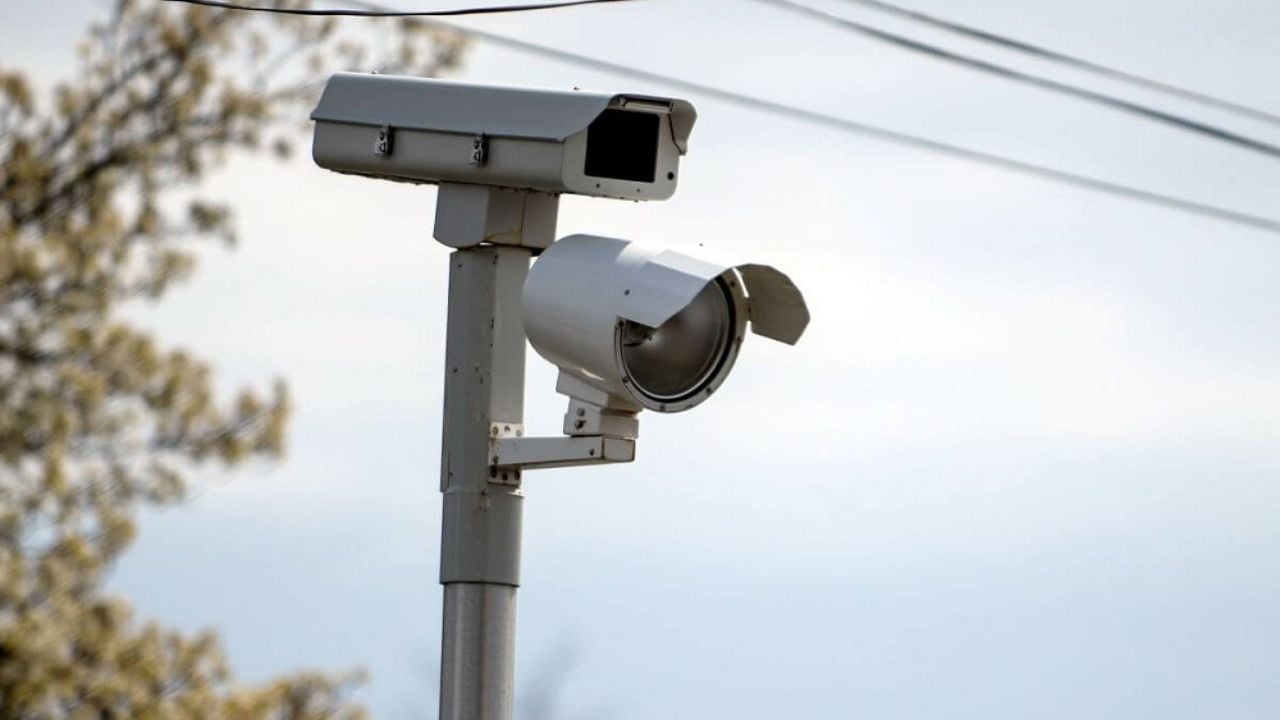
Plaintiff Freeman’s deflock.org has been spreading awareness about Flock Safety cameras and shows a map that highlights where these cameras are placed across the country.
Currently, the site’s tracker indicates that 102,374 Flock cameras have been mapped across the USA, and that 68 cities have already rejected the installation of the cameras.
Freeman told Denver7 that people are not aware of the capabilities of Flock cameras. He said:
“I don’t think most people know the full extent of what these cameras can do.
“The biggest concern is the data they collect,” he added.
Freeman said that a request to obtain data collected by the camera system on his own vehicle has been denied.
The lawsuit further alleges that no framework is in place to protect data, especially when the technology creates a “detailed mosaic of every person’s daily life — where they go, when they go there, and how often.”
Freeman argued that the Flock camera system is “dragnet surveillance that you can’t opt out of, like you can with your phone.”
However, the Boulder Police Department said that all searches within the Flock camera system are logged, and they require the approval of a supervisor. It also claims that the cameras in question have helped reduce car thefts by 34.5%.
The Lawsuit Aims at Setting an Example for Other Cities to Follow
Civil rights lawyer Andy McNulty, who is taking up the case, said they hope to set a precedent through the lawsuit:
“We’re hoping to set a precedent here in Colorado that this is unconstitutional, and that cities should stop using these Flock cameras and other cameras that track people’s movements and interfere with their privacy rights.”
However, an official statement from Flock mentioned that such cases have been rejected by the courts in the past. Paris Lewbel, Flock Public Relations Manager for the Public Sector, stated:
“The complaint against officials with the City of Boulder raises questions about automated license plate readers that courts across the country have considered – and rejected – dozens of times now. Fixed LPR technology has consistently been upheld as constitutional.
“Flock takes privacy, legal compliance, transparency, and data security extremely seriously. Customer agencies own and control their data and set their own policies for access, retention, and sharing in accordance with applicable law. Flock is committed to helping communities use technology responsibly and with appropriate safeguards, as LPRs are a critical tool for helping law enforcement investigate serious crimes, recover stolen vehicles, locate missing people, and protect communities.
“Because this matter involves pending litigation concerning one of our customers, we will not comment further on the specifics of the case at this time.”
The City of Boulder acknowledged the lawsuit. Spokesperson Sarah Huntley told Denver7:
“The city can confirm that we are aware of the lawsuit and our attorneys are evaluating the claims that are being made. As this is now litigation, we will make our arguments and share our perspective through official court filings and any hearings on this matter.”