
Some travel costs are easier to handle before departure than after arrival.
Insurance, bags, airport transfers, attraction tickets, train reservations, phone data, and rental-car extras can all affect the first day of a trip or the final price.
Not every trip needs every purchase on this list.
The useful check is whether waiting would create a higher price, fewer options, a sold-out ticket, a poor seat, a bad transfer, or an expensive counter decision.
1. Travel Medical Insurance and Evacuation Coverage
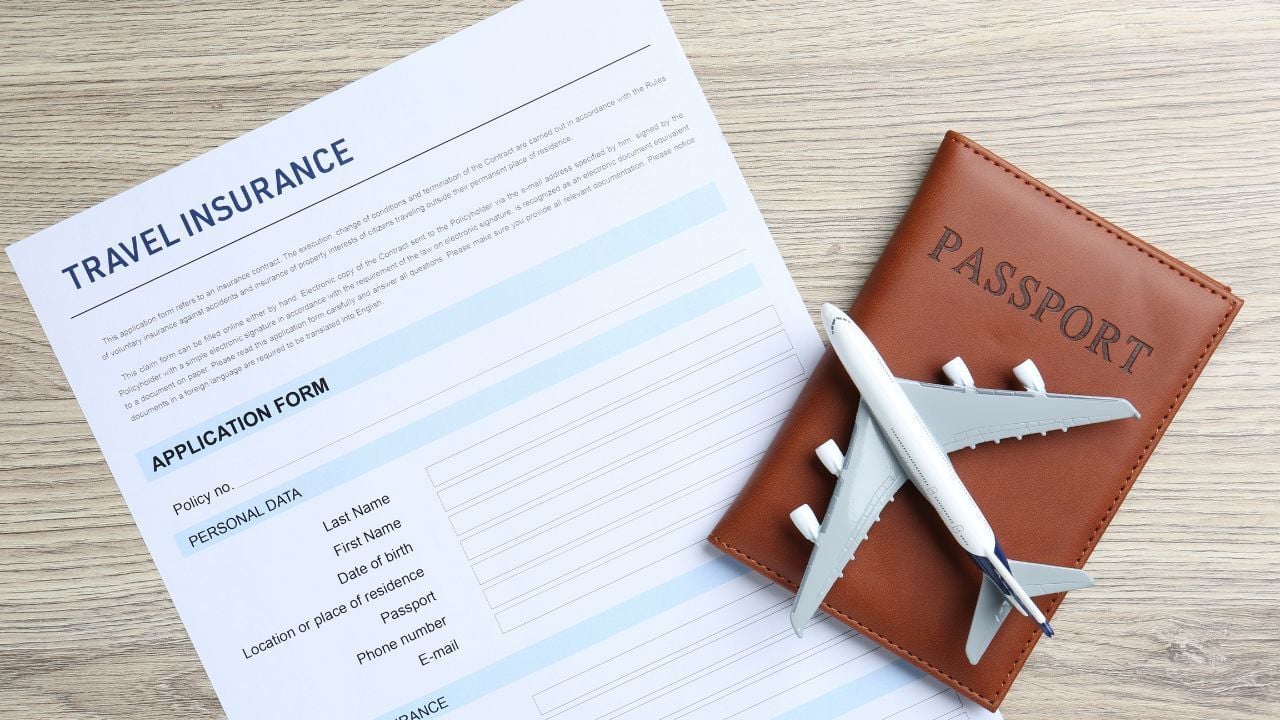
Travel medical coverage should be checked before the trip, especially for remote itineraries, cruises, safaris, ski trips, adventure travel, or destinations with limited medical care. State Department guidance strongly recommends medical evacuation insurance for higher-risk destinations or places where medical care may be limited.
CDC explains that trip cancellation or disruption insurance, travel health insurance, and medical evacuation insurance cover different situations. Those policies may be bundled or bought separately, so travelers need to check what the policy actually covers before relying on it.
The important details are medical limits, evacuation coverage, exclusions, preexisting-condition rules, adventure-activity coverage, cruise or tour requirements, and whether the policy covers the countries on the itinerary. A short city break may need less coverage than a remote lodge stay, mountain trip, or multi-country route.
2. Airline Bags, Seats, and Priority Add-Ons

The base fare may not include the bags, seats, or onboard services travelers plan to use. DOT says optional airline services may include advance seat selection, baggage fees, onboard meals, snacks, drinks, Wi-Fi, priority check-in, travel insurance, pet travel, and unaccompanied minor fees.
Those add-ons should be priced before checkout. A family that needs seats together, a traveler carrying a checked bag, or someone booking a basic-economy or budget-airline fare may see the total change once the real luggage and seat needs are included.
Buying early can also reduce airport decisions. Travelers should compare the full flight cost with the carry-on, checked bag, seat choice, priority boarding, or other services they actually need. A lower fare is not always lower after the required extras are added.
3. Airport Transfers or Local Transit Passes

Airport-to-hotel transportation should be priced before landing. A transfer, airport train, shuttle, or local transit pass can save time when the arrival is late, the airport is far from the center, or the hotel requires more than one connection.
RATP says the Paris Visite travel pass covers metros, trams, buses, RER and SNCF Transilien train lines, with airport access depending on the zones and duration purchased. That kind of pass can be useful when the first route, sightseeing days, and airport return all fit the covered zones.
A pass is not always cheaper than single tickets. Travelers should check the airport route, hotel stop, luggage situation, first-night arrival time, return trip, and the number of expected rides before buying. The right purchase is the one that matches the actual route, not the one that sounds easiest on the booking page.
4. High-Demand Attraction Tickets

Some major attractions should be booked as soon as the travel dates are firm. The Anne Frank House says tickets are available only through its official website, with tickets released every Tuesday at 10 a.m. CEST for visits six weeks later. If a selected date is sold out, there is no waiting list.
Limited-access sights can have similar pressure. NPS says Statue of Liberty pedestal and crown access require advance purchase because tickets are limited for safety and security standards.
Official ticket sites should be checked before third-party sellers. Release windows, timed-entry rules, ID requirements, nonrefundable tickets, booking fees, and reseller markups can all change the cost or availability. For a once-per-trip sight, the ticket belongs near the start of planning.
5. Rail Seat Reservations on Popular Routes

A rail pass does not always replace a seat reservation. Eurail says travelers can book seats for many European trains online and do not need to activate a pass in order to book seats.
This matters on high-speed, scenic, sleeper, international, and peak-season trains. Waiting can leave travelers with poor departure times, split seats, sold-out reservations, or a route that no longer fits the hotel and sightseeing plan.
Regional trains may still allow more flexibility. The routes to check early are the ones that anchor the itinerary: cross-border trains, long-distance high-speed services, sleepers, famous scenic lines, or any train tied to a hotel check-in, ferry, cruise, event, or timed attraction.
6. Phone Data or an International Roaming Plan

Phone data should be set up before the first airport-to-hotel route. FCC says mobile networks differ by country and roaming rates may be much higher because of additional fees on foreign networks. Its travel guidance also advises travelers to understand carrier roaming rules and rates before international travel.
Maps, ride-hailing, translation apps, mobile tickets, restaurant bookings, messaging, train updates, and hotel check-in details can all depend on data. Landing without a plan can force travelers to rely on airport Wi-Fi, expensive roaming, or a rushed SIM purchase.
The pre-trip check should cover carrier day passes, international add-ons, eSIMs, local SIMs, Wi-Fi calling, background data, automatic downloads, and whether the phone is unlocked. The best choice depends on the destination, trip length, phone compatibility, and how much navigation the traveler expects to use.
7. Rental-Car Extras That Affect the Real Price

Rental-car extras should be priced before the counter. FTC says rental companies may charge toll service fees in several ways, including a service fee for every rental day, a one-time service fee for the rental period, or a service fee each time a toll device is used.
The toll device is only one possible charge. Travelers should also check child seats, extra drivers, insurance or collision waivers, fuel policy, one-way drop-off fees, mileage limits, cross-border rules, winter equipment, required vignettes, and low-emission or restricted city zones.
The rental counter is a poor place to compare complicated options. Travelers should read the terms before booking, check any credit-card rental coverage, and decide which extras are required for the route. A car can still be the right purchase, but the road fees and add-ons should be clear before pickup.