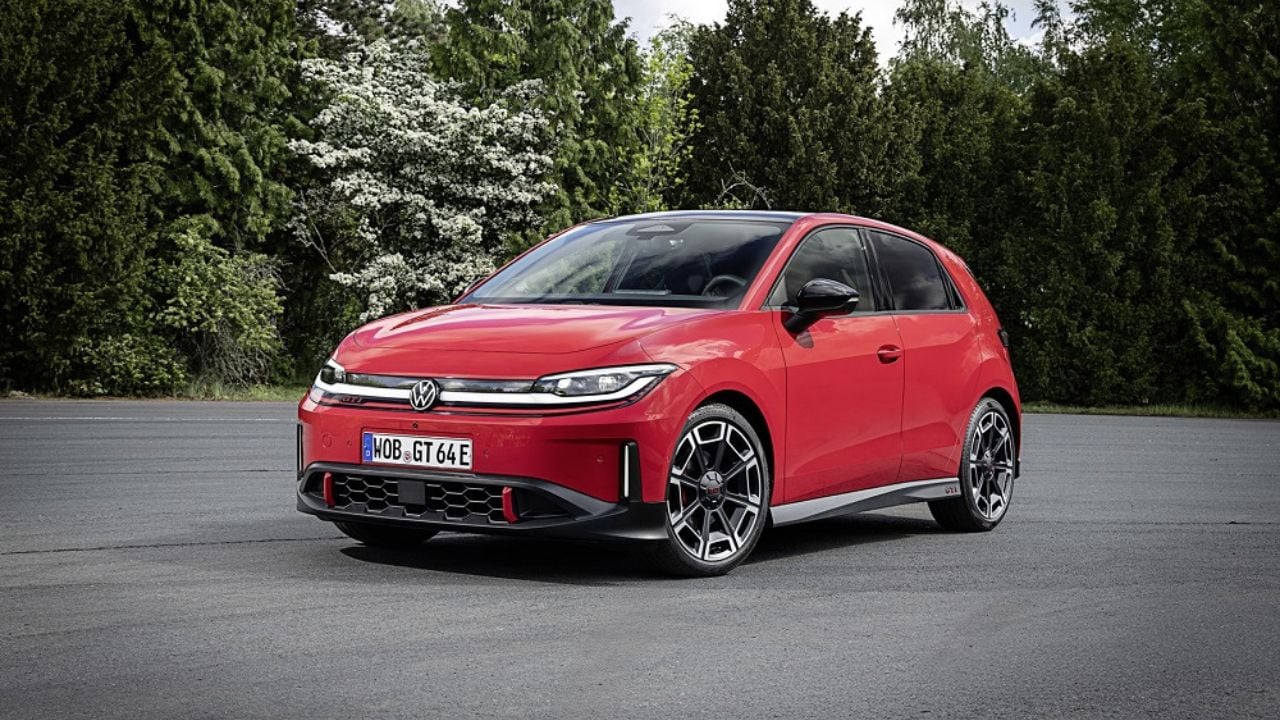
Volkswagen believes the transition from gasoline-powered vehicles to electric cars may happen more naturally than many people expect. According to the company’s sales and marketing boss Martin Sander, the shift could mirror how society gradually moved away from horses once automobiles became the more practical option.
Speaking with Auto Express, Sander argued that the automotive industry spends too much time discussing bans on internal-combustion engines instead of focusing on why electric vehicles might genuinely appeal to consumers. In his view, long-term EV adoption will happen because buyers choose the technology voluntarily, not because governments force them into it.
To make his point, Sander posed an unusual question: when were horses banned? His answer, of course, was that they never were. People simply stopped relying on them for daily transportation once cars proved more convenient and efficient.
Volkswagen’s comments arrive during a period of uncertainty across the global auto industry, where enthusiasm for EVs remains high among manufacturers even as many consumers continue expressing concerns about charging infrastructure, affordability, and long-distance usability.
Volkswagen Wants The Conversation To Change
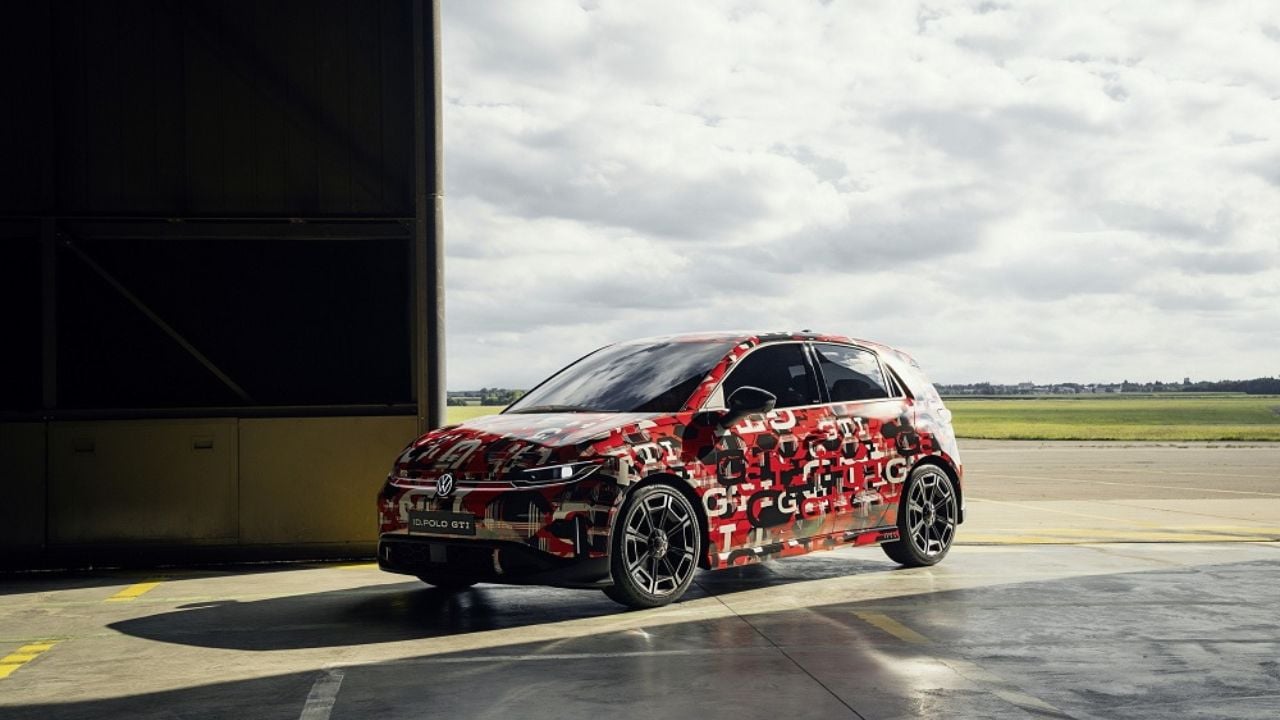
Sander believes the discussion surrounding EVs has become too focused on regulations and deadlines. According to him, repeatedly talking about future bans on combustion vehicles risks alienating buyers who still feel comfortable with traditional gasoline-powered cars.
Instead, he says automakers and governments should focus on improving charging networks, lowering energy costs, and highlighting the everyday advantages of electric driving. Features such as quieter operation, reduced maintenance, and instant torque are areas Volkswagen believes can gradually win customers over organically.
Sander also suggested that even if EVs dominate in the future, combustion vehicles may never disappear entirely. Just as horses still exist today for recreation and enthusiast use, he believes there could remain a small niche market for gasoline-powered cars decades from now.
The broader message from Volkswagen is that consumer behavior changes naturally when a technology becomes undeniably better or more convenient for most people.
Volkswagen Is Deep Into Its EV Expansion
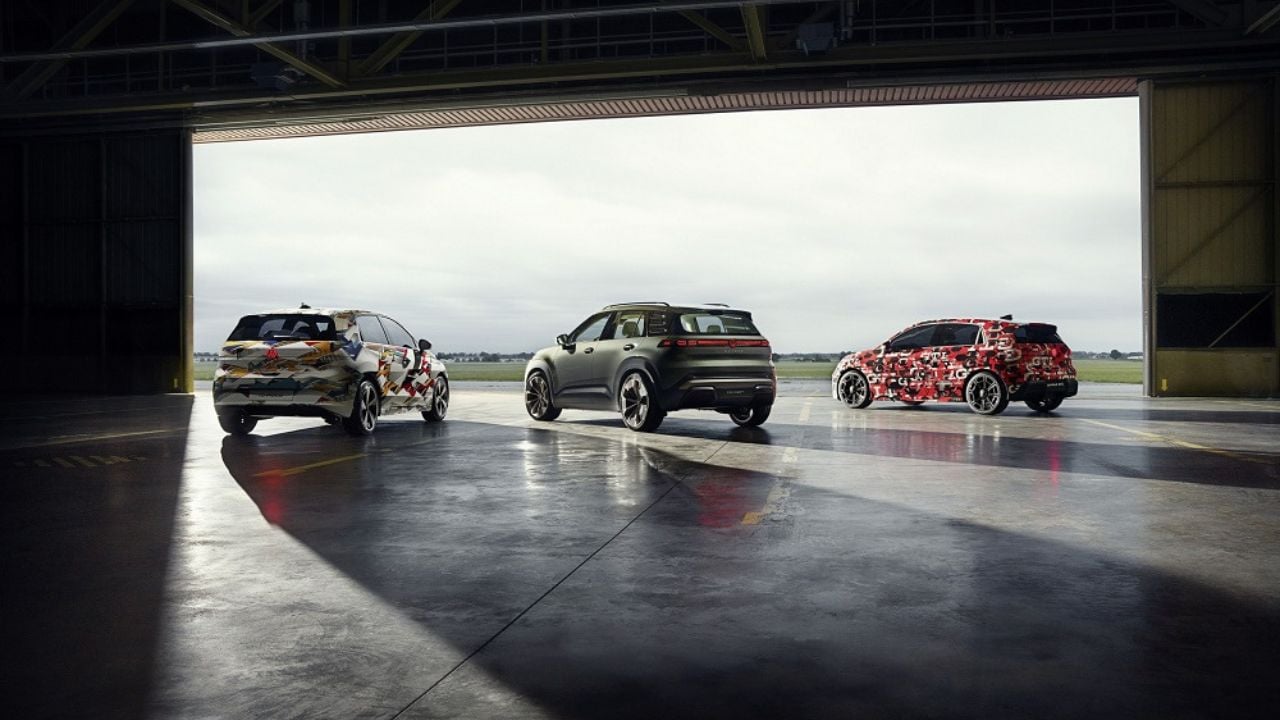
Volkswagen has invested heavily in electrification over the past several years and currently offers one of the largest EV portfolios among legacy automakers. The company continues expanding its ID-branded lineup while developing new electric models for Europe, China, and other global markets.
Upcoming products include the production version of the ID. Polo, an electric replacement for Volkswagen’s popular compact hatchback. The automaker is also preparing major updates for existing EVs such as the ID.3 and ID.4 as it works to improve software, efficiency, and interior quality.
At the same time, Volkswagen continues facing intense pressure from Chinese automakers, many of which have rapidly improved both affordability and technology. Sander acknowledged that staying competitive globally requires massive improvements in efficiency, scale, and production costs.
According to him, lessons learned from competing in China will help Volkswagen strengthen its products in Europe and other international markets as well.
The Industry Still Faces Major EV Challenges
Despite Volkswagen’s optimism, the transition to electric vehicles has not been entirely smooth. EV sales growth has slowed in some markets compared to the rapid expansion seen just a few years ago, especially as higher interest rates and pricing concerns affect consumers.
Many buyers remain hesitant because of charging availability, battery replacement fears, and concerns about long-distance travel. The reduction or removal of government incentives in some regions has also softened demand for certain EV models.
Electric vehicles are also not immune to reliability concerns. While EVs eliminate many traditional engine components, they still face software issues, battery defects, recalls, and electronic problems that can frustrate owners just as much as mechanical failures in gasoline cars.
Volkswagen itself continues selling highly regarded combustion models like the Golf GTI, and enthusiast demand for performance-oriented gasoline vehicles remains strong.
EV Adoption May Ultimately Be Gradual
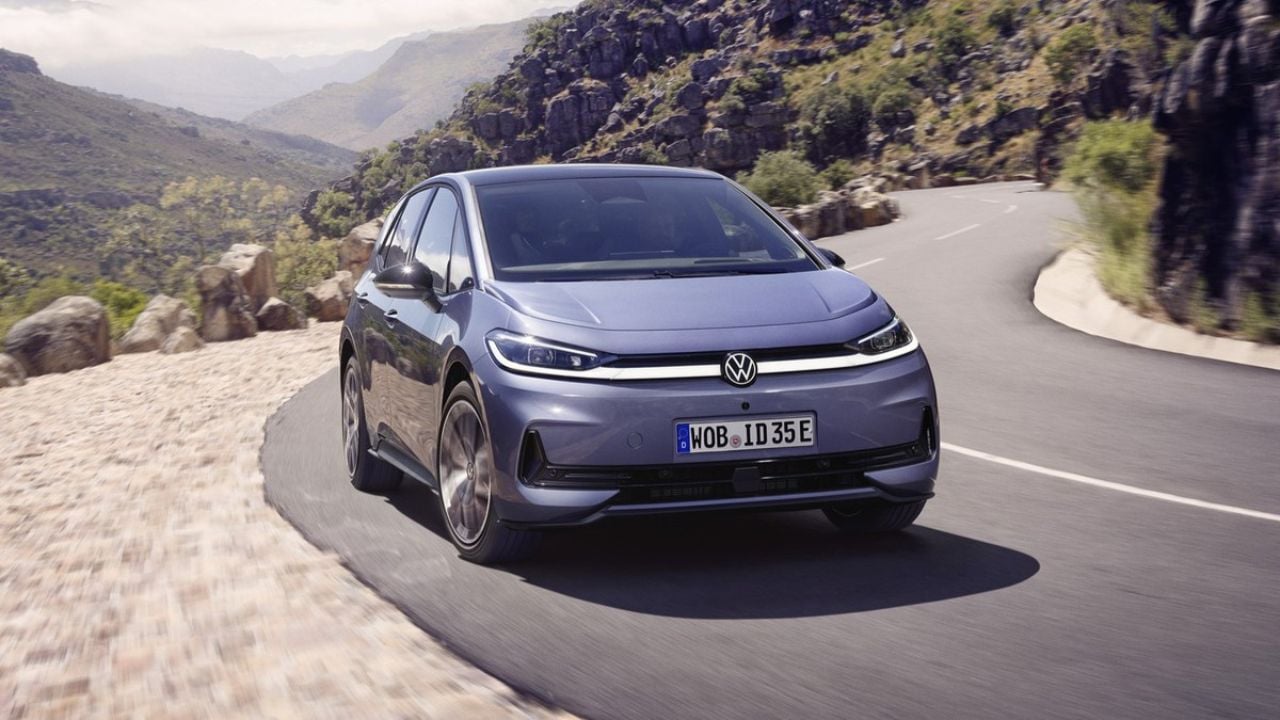
Sander’s comparison between horses and gasoline vehicles may sound dramatic but still illustrates how Volkswagen sees the market evolving. The company appears convinced that EV adoption will continue increasing steadily as technology improves and infrastructure expands.
That does not necessarily mean combustion engines will suddenly vanish. Instead, Volkswagen seems to believe the transition will resemble a long-term consumer preference change rather than an overnight replacement.
Whether that prediction proves accurate remains uncertain. Automotive history is full of technologies that looked inevitable before market realities slowed adoption. Still, major manufacturers continue preparing for a future where electric vehicles occupy a much larger share of global sales.
For Volkswagen, the challenge now is convincing skeptical buyers that EVs are a genuinely better solution for everyday transportation, not merely a regulatory requirement. If that happens naturally over time, the company believes the industry may not need to force the transition at all.